


 Damage
  Loss
Loss  Theft
Theft 


How to Choose the Right Portable Power Station for Your Needs
Everything you need to know before investing in portable, dependable off-grid energy.
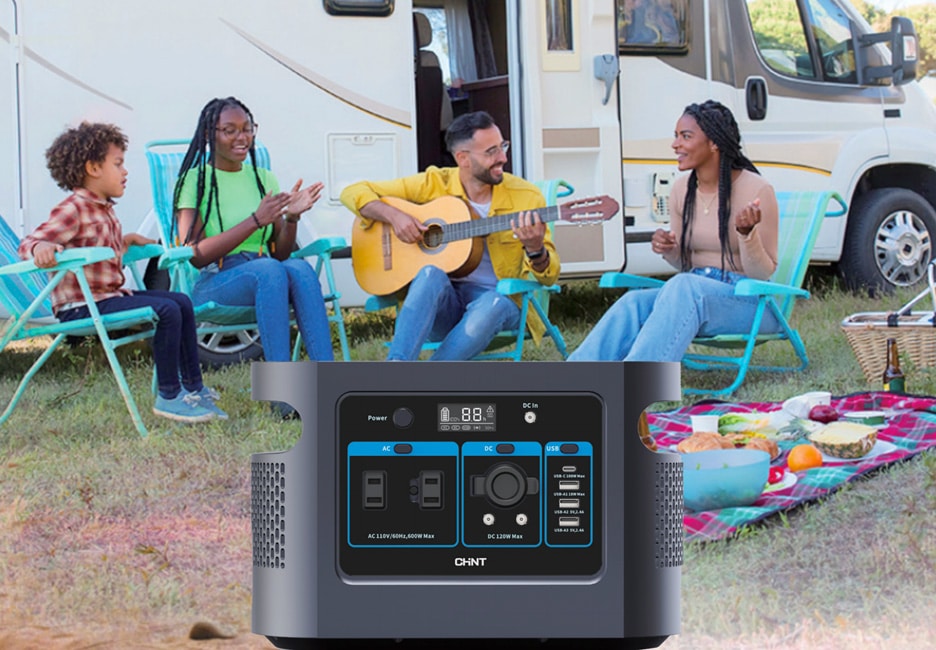
Table of Contents
- Why Should You Own a Portable Power Station?
- Portable Power Station vs. Generator — What Sets Them Apart?
- Energy Generation
- Power Capacity
- Runtime
- Noise and Emissions
- Portability and Upkeep
- Cost
- Key Factors When Picking a Portable Power Station
- What Size Portable Power Station Do You Actually Need?
- Final Thoughts
Whether you spend time off the grid, enjoy camping in remote locations, or simply live in a region where power outages are a common headache, a portable power station can be an absolute game-changer. These self-contained energy units come loaded with versatile output options and many can even be paired with solar panels — making them a practical, eco-conscious choice for just about anyone.
If you have been thinking about picking one up, we have put together this straightforward guide to help you understand what matters most and find the model that fits your lifestyle and budget.
1. Why Should You Own a Portable Power Station?
Almost anyone can find a good reason to keep a portable power station on hand. Maybe you are planning to build out an off-grid cabin, want a reliable backup during storm season, or just need a dependable way to charge devices while tailgating or camping.
These units are particularly valuable during emergencies. When the grid goes down, they can keep phones charged, run medical equipment, and power lights for as long as you need them. That kind of reliability can make the difference between comfort and crisis.
Yes, the upfront price can be higher than a traditional generator. But the flexibility, silent operation, and potential for renewable charging typically make it a worthwhile investment over time.
2. Portable Power Station vs. Generator — What Sets Them Apart?
On the surface, generators and portable power stations both keep your devices running. But dig a little deeper and the differences become clear. Understanding those distinctions will help you make a smarter choice for your specific situation.
Energy Generation
Traditional generators produce electricity by burning fuel — gasoline, diesel, or propane. Think of them as miniature power plants you can set up in your backyard. High-capacity models can even keep an entire home running during a prolonged outage.
Portable power stations, on the other hand, do not generate power from scratch. Instead, they store energy in large rechargeable battery packs. Charge them up from a wall outlet, a car adapter, or solar panels, and then draw from that stored energy whenever and wherever you need it.
Power Capacity
Generators typically offer higher power outputs, ranging from 1,000W all the way up to 10,000W or more. That makes them the go-to for running heavy appliances like air conditioners, large power tools, or full-size refrigerators.
Portable power stations usually range between 100W and 1,800W, which covers most everyday needs — charging phones, running laptops, powering small kitchen appliances, and keeping LED lights on. For most recreational and light home-backup uses, that is more than sufficient.
Runtime
With a steady supply of fuel, generators can keep running for anywhere from 8 to 16 hours on gasoline — even longer on propane. They are designed for continuous, extended use.
Power stations offer around 1 to 18 hours of runtime depending on the battery capacity and what you are powering. Smaller units might keep your phone charged all weekend; larger ones can handle more demanding loads for a solid stretch.
Noise and Emissions
This is where portable power stations truly shine. Generators are loud — the rumble of a combustion engine is unavoidable — and they produce exhaust fumes, meaning they cannot be used indoors. Power stations run silently and produce zero emissions, so you can safely operate them inside your tent, RV, or living room without a second thought.
Portability and Upkeep
Portable power stations are compact and lightweight, making them a breeze to toss in the car for a camping trip, a tailgate, or an outdoor event. They require virtually no maintenance beyond occasional charging.
Generators are bulkier and demand more attention — oil changes, fuel management, spark plug replacements. They are indispensable on construction sites and for whole-home backup, but they are not exactly grab-and-go.
Cost
Generators tend to have a lower upfront price tag, but keep in mind the ongoing cost of fuel. Those expenses stack up over time, especially if you use it frequently. Portable power stations may cost more at the register, but once you have one, recharging it — particularly with solar panels — is essentially free. The long-term savings can be significant.
Quick Comparison at a Glance
⛽ Generator
Higher wattage, longer runtime on fuel, louder, requires maintenance, cheaper upfront but ongoing fuel costs.
🔋 Power Station
Silent operation, zero emissions, lightweight, low maintenance, solar-rechargeable, higher upfront cost but free to run.
3. Key Factors When Picking a Portable Power Station
Once you have decided a portable power station is the right move, the next step is narrowing down which one fits your particular needs. Here are the most important things to evaluate:
Capacity (Wh)
This tells you how much total energy the unit stores. The higher the watt-hour rating, the longer you can power your devices before needing to recharge. Think about how long you will be away from a power source and plan accordingly.
Output Power (W)
Check the continuous and peak wattage ratings. The continuous rating indicates what the station can handle non-stop, while the peak handles short surges. Match these figures to the devices you plan to run simultaneously.
Portability
Weight and dimensions matter — especially if you are hiking, traveling, or moving between locations regularly. A compact, lightweight station is ideal for outdoor adventures, while a heavier unit may suit a permanent home backup role.
Input Charging Options
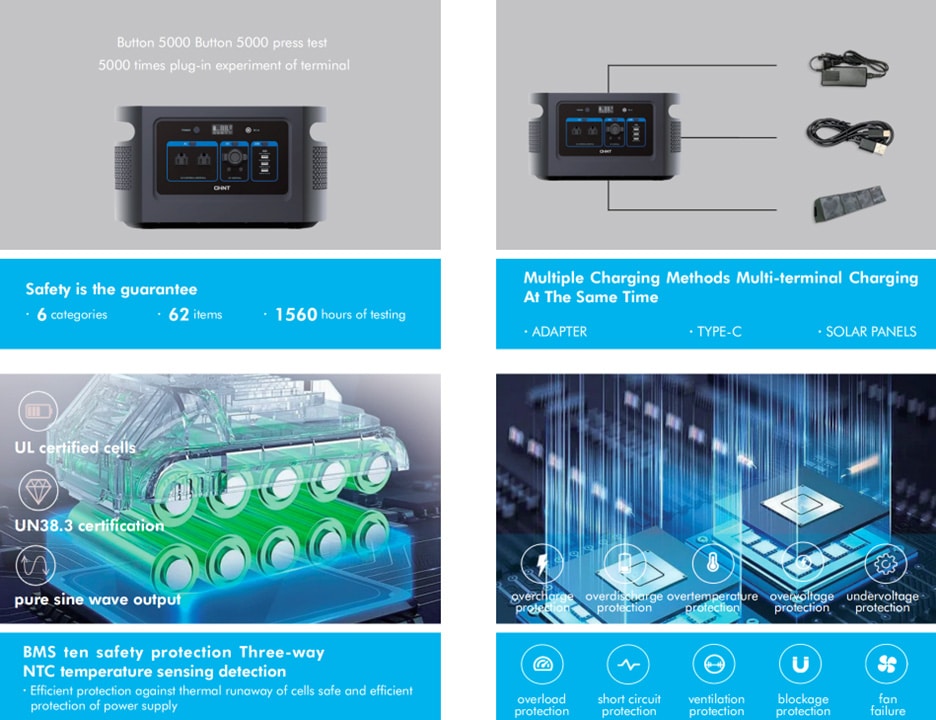
Versatility in recharging is a big plus. Look for units that accept wall outlet charging, car adaptor charging, and solar panel input. Solar compatibility is especially valuable if you want a truly independent setup.
Number and Type of Ports
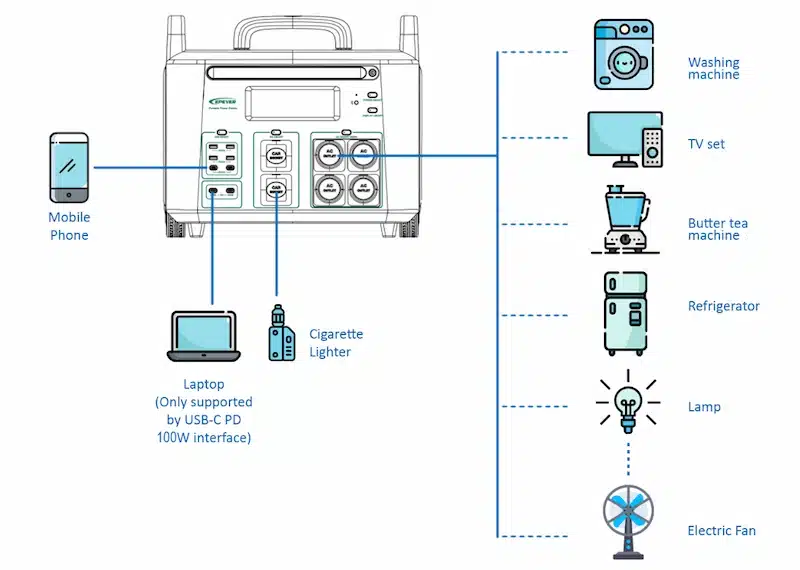
Make sure the station has the right mix of ports — USB-A, USB-C, AC outlets, DC outputs — to match your devices. The more versatile the port selection, the more useful the station will be in a variety of scenarios.
Battery Life
Find out how many charge cycles the battery supports before it starts losing capacity. A higher cycle count means better long-term value. Lithium iron phosphate (LiFePO4) batteries tend to outlast standard lithium-ion by a wide margin.
Safety Features
Look for built-in protections such as overcharge prevention, short-circuit safeguards, temperature control, and surge protection. A quality station should have multiple layers of safety certification.
Environmental Impact
If sustainability matters to you, choose a model that supports solar recharging. Pairing your station with solar panels lets you harvest clean energy and reduce your carbon footprint significantly over time.
Brand Reputation
Stick with established brands known for reliability, solid warranties, and responsive customer support. Reading verified customer reviews can give you a realistic picture of long-term performance and satisfaction.\
4. What Size Portable Power Station Do You Actually Need?
Figuring out the ideal size comes down to a bit of simple math. Start by listing every device you plan to power and note its wattage — this is usually printed on the charger or the device itself. If you only know the voltage, multiply it by the amperage to get the wattage.
Next, estimate how many hours you will run each device per day. Multiply the wattage of each device by the hours of use, then add everything up. To account for energy loss during conversion, multiply that total by 1.5. The result gives you the minimum watt-hour capacity you should look for.
Keep in mind that most people do not buy a power station for a single, specific task. Versatility is key. Choose a unit that can handle a range of situations — from a weekend camping trip to an unexpected blackout at home — and you will get far more value from your investment.
Final Thoughts
Finding the perfect portable power station takes a little homework, but when you make an informed choice, you will get outstanding value for every dollar spent. Consider your actual power demands, think about where and how often you will use it, and match those needs to the right capacity and feature set.
A high-quality portable power station with ample capacity and an impressive output range can serve as the cornerstone of your off-grid setup or emergency backup plan. The model below is one excellent option to consider — purpose-built for serious power needs with the flexibility to handle everything from weekend adventures to extended outages.
Frequently Asked Questions
How long does a portable power station last on a single charge?
It depends on the battery capacity and the devices you are powering. A 500Wh station running a 50W device will last roughly 10 hours. Larger units with 2,000Wh or more can sustain moderate loads for an entire day or longer.
How do I recharge a portable power station?
Most stations support multiple charging methods: a standard wall outlet, a 12V car adapter, and compatible solar panels. Some premium models also support dual or triple charging to cut recharge times significantly.
Can a portable power station run my entire house?
It is unlikely to power an entire home indefinitely, but high-capacity models can run essential appliances — lights, a refrigerator, Wi-Fi router, and phone chargers — for several hours or more during an outage, which is exactly what most people need in an emergency.