


 Damage
  Loss
Loss  Theft
Theft 


How to Add an Extra Battery to Your Power Station Using the Solar Input Port
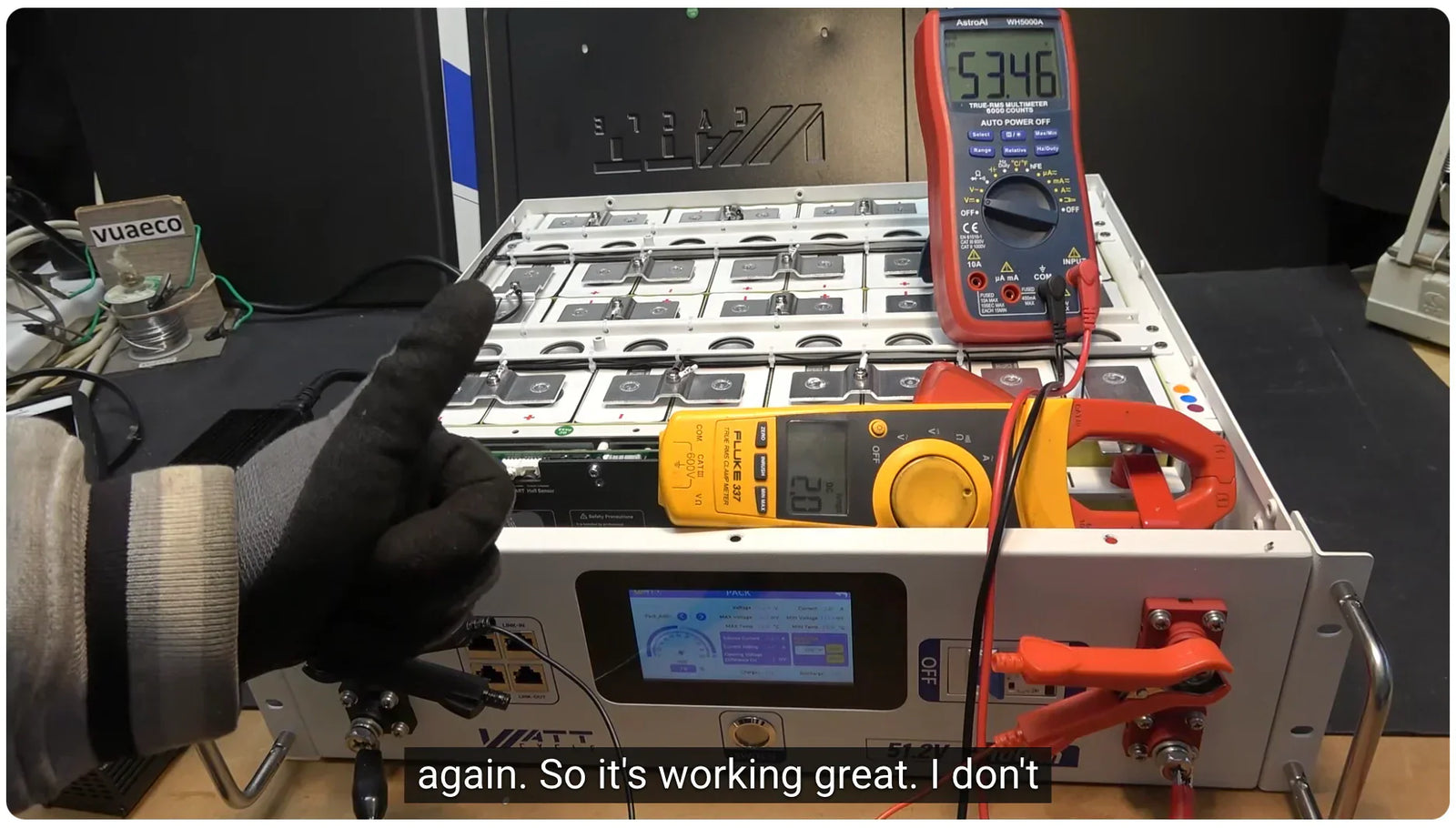
Many portable power stations come equipped with a dedicated expansion battery port, making it simple to add extra capacity with a compatible battery pack. But what if your power station only has a solar input and no specialized expansion interface? The good news: there is still a reliable way to connect an external LiFePO4 battery — by feeding it through the solar input using a DC-to-DC converter. This method presents the battery to the power station as though it were a high-output solar panel, letting the station's built-in charging system handle the rest.
In this guide, we break down how this works at an electrical level, what equipment you need, and the critical safety boundaries you should never cross. Whether you are building a home backup system or gearing up for extended off-grid living, this approach gives you a flexible and cost-effective way to scale your energy reserves.
The Technical Principle
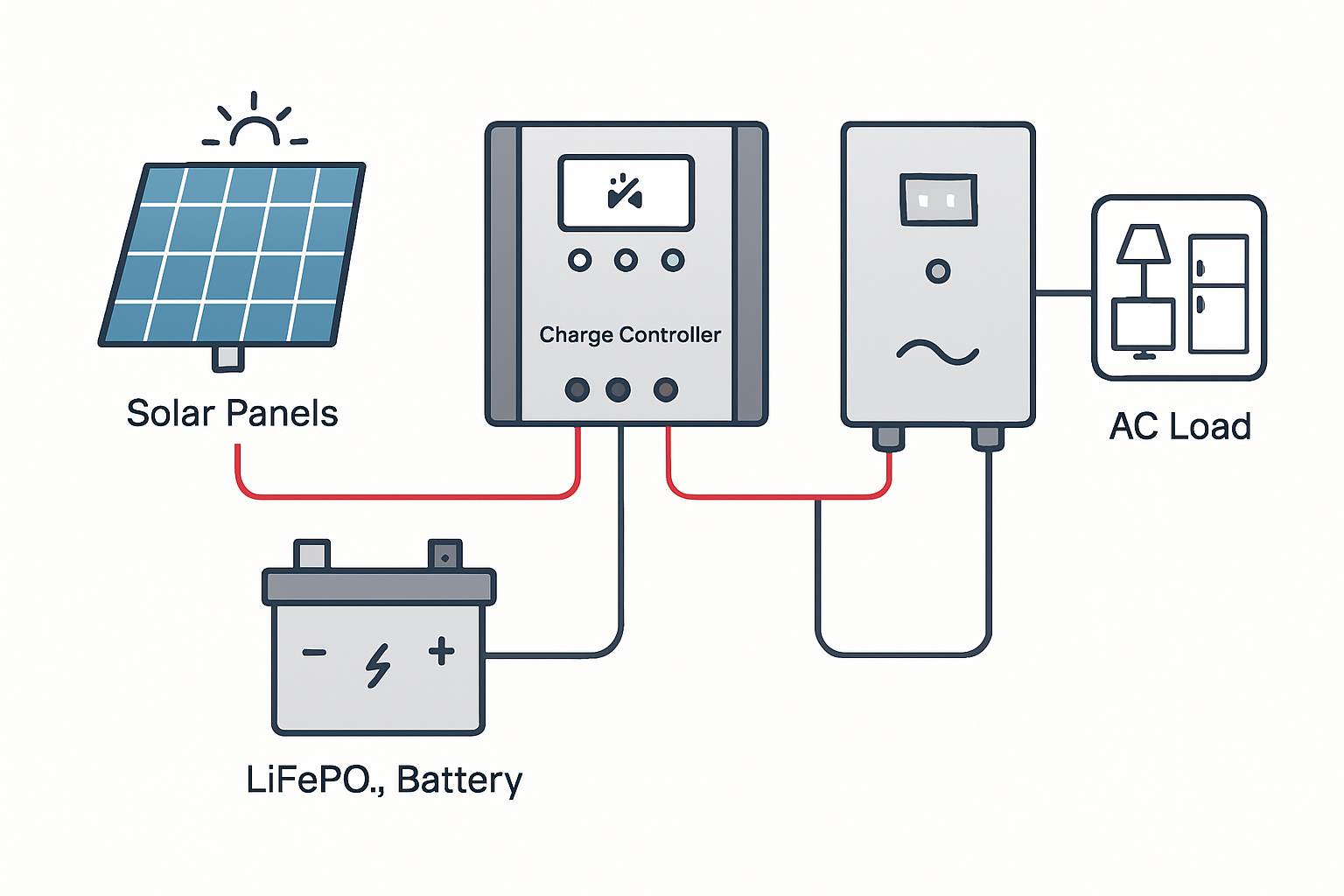
At its core, a power station's solar input is nothing more than a direct current (DC) inlet designed to accept energy within a specific voltage window. A LiFePO4 battery is also a DC source. The engineering concept is straightforward: deliver the external battery's power to the solar port at the correct voltage and within the allowed current range. As long as those parameters are met, the power station's internal charging circuitry will treat the incoming energy as valid — regardless of whether it originates from a solar array, a wall adapter, or an auxiliary battery.
Put simply, an external LiFePO4 battery is just another DC source from the power station's perspective. The connection method's only job is to make sure the battery's output voltage and current reach the solar port in a safe, regulated form.
Two Electrical Scenarios to Consider
When the LiFePO4 battery's full charge voltage already sits inside the power station's accepted solar voltage window, no converter is necessary. The battery can connect directly through a properly rated cable and appropriate DC protection devices. The station will accept the input just as it would from a solar panel operating at a fixed voltage.
When the battery's native voltage does not match the solar port's accepted range, a DC-to-DC converter becomes essential. The converter takes the battery's output and regulates it to a fixed voltage and current that the solar input can safely handle. It should be configured for constant-voltage, current-limited operation — never exceeding the port's maximum ratings.
Internally, the power station draws no distinction between DC arriving from a rooftop solar array and DC arriving from a converter attached to an external battery. Provided the voltage and power limits are respected, the charging circuitry processes the input normally and tops off the internal cells accordingly.
This is the critical takeaway: success with the solar-input method depends entirely on voltage compliance, power limits, and proper regulation. When those conditions are met, the solar port becomes a practical and budget-friendly gateway for integrating an external LiFePO4 battery — even on units that lack a purpose-built expansion interface.
Power Limit — Understanding Solar Input Max
No matter how large your external LiFePO4 pack is or how powerful your DC-to-DC converter may be, the solar input's rated maximum power and current set an absolute ceiling on how much energy the power station will accept through that port. This is a hard limit — the station will simply refuse to draw more than its circuitry is designed for.
Practical Sizing Guidelines
Batteries and converters may tolerate brief power surges, but continuous current is what determines safe long-term operation and thermal management.
Choose converters and wiring rated 15–25% above your target current. This extra headroom keeps components running cooler and prevents nuisance tripping of protection circuits.
Undersized connectors or cables generate excess heat, increase resistance, and can damage insulation or contacts over time. Always match cable gauge to current demands.
DC-to-DC converters are not perfectly efficient. Some energy is lost as heat during conversion, so size your converter to deliver the desired output power after accounting for this loss — typically 5–15% depending on the unit.
Quick Example
Suppose your power station's solar port is rated for 700W at 51.2V. The maximum continuous current the port will accept is 700 ÷ 51.2 ≈ 13.7A. Even if your battery or converter is capable of pushing 40A, the station will only draw approximately 13.7A through that inlet. Design your system around this ceiling, not around what the external battery can theoretically deliver.
The Bottom Line
Connecting an external LiFePO4 battery through the solar input port is an entirely valid expansion method — as long as you respect the electrical boundaries. Match your voltage, stay within current limits, use quality DC protection, and size your converter with adequate margin. The power station does not care where the DC power comes from; it only cares that the numbers are right. Get those right, and you unlock a flexible, affordable path to significantly more stored energy for your outdoor and off-grid adventures.