


 Damage
  Loss
Loss  Theft
Theft 


The Best Solar Generator for Home Backup
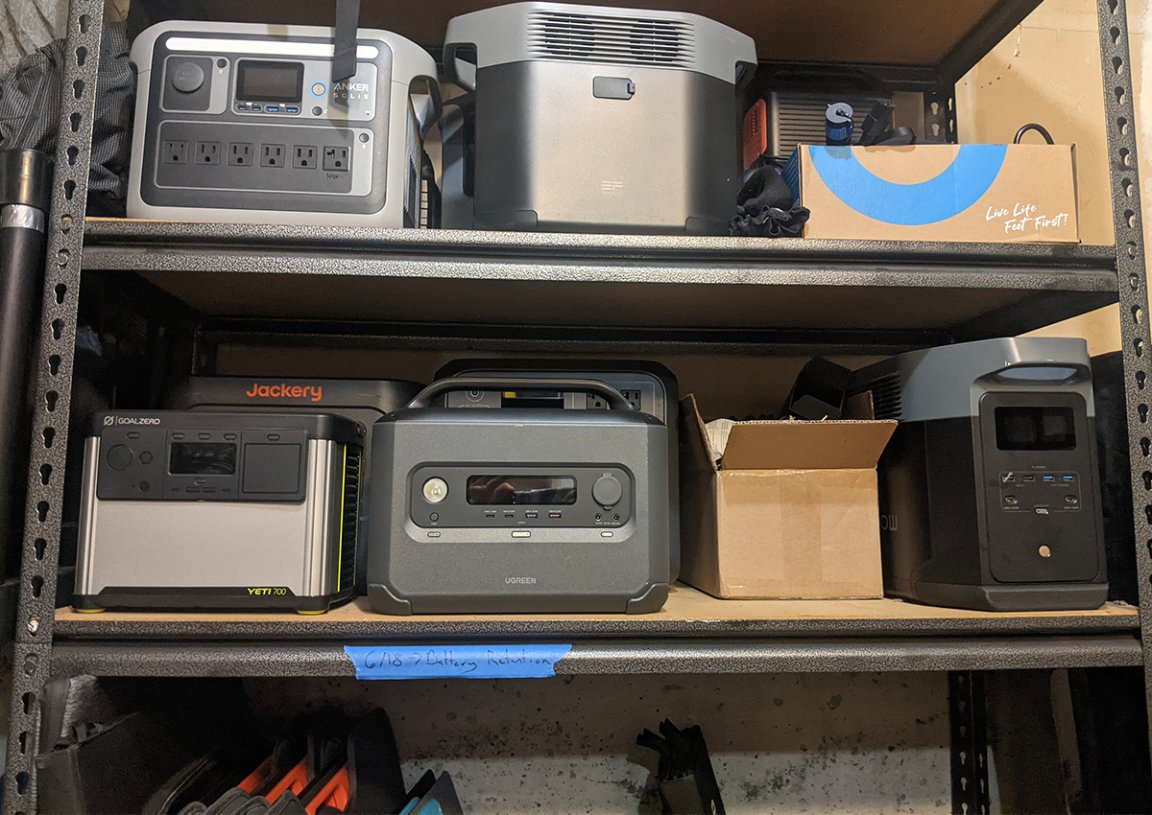
As extreme weather events become more frequent across the country, having a reliable solar generator for home backup has shifted from a luxury to a genuine necessity. For many homeowners, though, the world of portable power stations and solar panels can feel overwhelming. How much capacity do you actually need? Is it smarter to invest in a full solar generator setup, or will a standalone power station do the job? These are important questions, and answering them correctly can save you hundreds of dollars and a lot of frustration.
After years of hands-on evaluation of portable power stations and solar generators from leading brands, testing everything from output efficiency under various weather conditions to real-world runtime during simulated outages, we have assembled this guide. Below, you will find our top picks across multiple categories, from keeping your phone charged to powering your entire home.
Our Top Picks at a Glance
Best Overall: Anker SOLIX C1000 Solar Generator & EcoFlow Delta 2 Max Power Station
Best for Small Electronics: Bluetti Pioneer 50 + 100W Solar Kit & Anker SOLIX C300 DC
Best for CPAP Machines: Jackery Explorer 1000 Plus + SolarSaga 200W
Best for Refrigerators: Jackery Solar Generator 2000 Plus Kit & Goal Zero Yeti Pro 4000
Best for Whole Home: Anker SOLIX F3800 Solar Generator Kit & Goal Zero 16kWh Haven
Power Station Versus Solar Generator: Which Do You Need?
Before committing to a solar generator for home backup, it is worth taking a step back and determining whether you truly need the full solar generator setup (power station plus solar panels) or if a standalone portable power station would be the more cost-effective route.
A standalone power station is essentially a large battery pack. Once depleted, it requires a wall outlet or another charging source to refill. The advantage of adding solar panels is that you can recharge your power station using nothing but sunlight, potentially keeping it topped up even during extended outages.
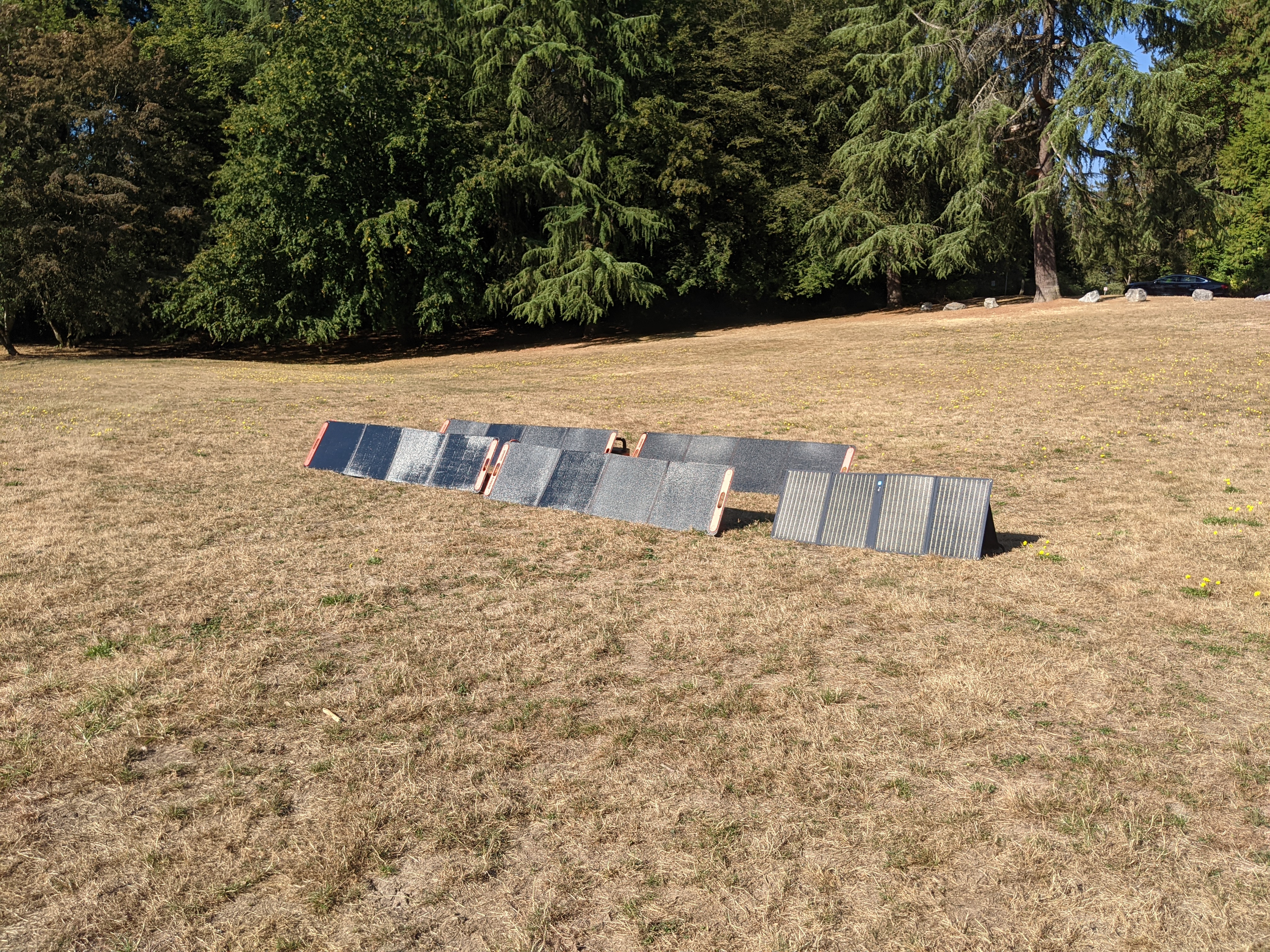
However, solar panels are expensive and only operate at a fraction of their rated capacity under overcast skies — sometimes as low as 25 percent of their output. If the main threat in your area comes from winter storms, investing in a higher-capacity power station may be a smarter move than purchasing a full solar generator. On the other hand, if you live in the sunbelt or anywhere with consistent sunshine, a solar generator will serve you extremely well.
Quick Decision Guide
Go Solar Generator if your outages are typically caused by wildfires, hurricanes, or summer events and you have reliable sun.
Go Power Station if your outages are driven by winter storms, or you live in a consistently overcast region.
Best for General Home Backup
If you have never relied on a power station during a blackout and are unsure where to begin, the units below are excellent starting points. They offer a balanced combination of capacity, reliability, and ease of use that will cover the basics — keeping your lights on, your phone charged, and your fridge running for a few hours.
Solar Generator Pick
Anker SOLIX C1000 Solar Generator
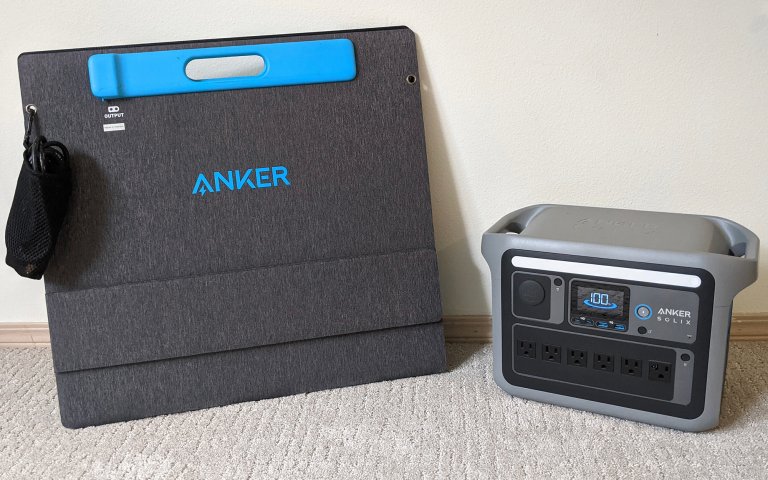
Capacity
1,056 Wh
Max Output
1,800W
Battery
LiFePO4
Solar Input
200W
For anyone who is not yet certain what they would use a solar generator for but wants something reliable in the closet for that next surprise outage, this is a superb entry point. The Anker SOLIX C1000 pairs a compact, user-friendly power station with one of the better-performing 200W solar panels available. In direct sunlight, you can expect a full recharge in under six hours. It has enough capacity to keep your refrigerator going for a few hours, or charge your phone for the better part of a week. Its compact footprint means it will slide onto a shelf in your garage or utility room without taking up much space.
Best For: First-time buyers who want an easy, all-in-one backup solution with solar recharging capability.
Power Station Pick
EcoFlow Delta 2 Max
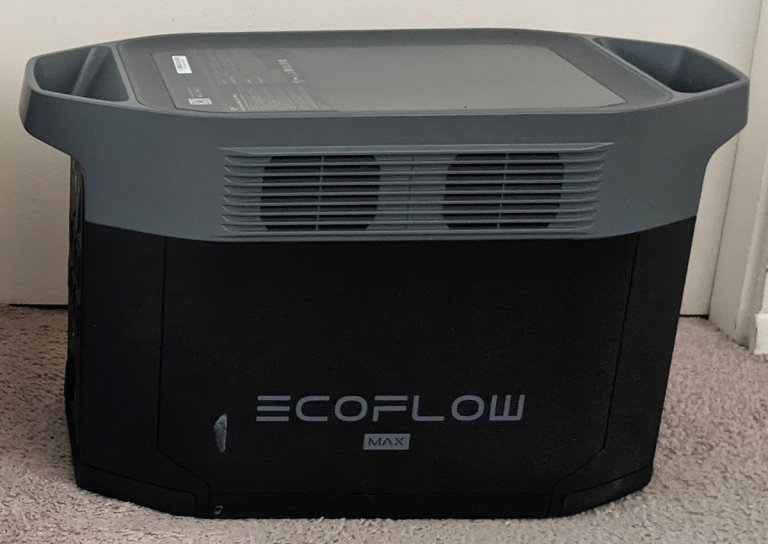
Capacity
2,048 Wh
Max Output
2,400W
Battery
LiFePO4
When you need raw capacity and efficiency without the complexity of solar panels, the EcoFlow Delta 2 Max is an exceptional standalone power station. With over 2,000 watt hours of stored energy, it can run your refrigerator for a full day, recharge your laptop upwards of 16 times, or power a 60-watt lamp for around 30 hours. It is among the most energy-efficient units tested, meaning less power is lost during the conversion process, so you get more usable energy from every charge. The EcoFlow Delta series has long been recognized for strong retention during long-term storage, which is exactly what you want in a backup unit that may sit idle for months.
Best For: Homeowners who want a high-capacity, reliable power station without the added expense and setup of solar panels.
Best for Small Electronics & Emergency Communication
Average Daily Power Needs: ~300 Wh | Key Ports: USB-C | Minimum Watts: 200W
During a power outage, maintaining communication with the outside world is critical. Your phone is your lifeline for weather updates, emergency alerts, and coordination with family members. For this category, look for power stations with USB-C and USB-A ports, compact form factors, and lightweight construction that makes them easy to grab and go if you need to evacuate.
Solar Generator Pick
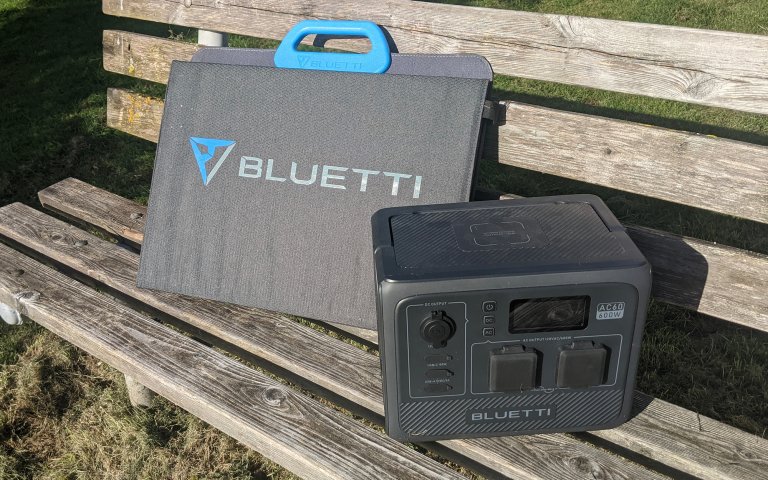
Bluetti Pioneer 50 + 100W Solar Kit
Capacity
403 Wh
Max Output
600W
Battery
LiFePO4
Solar Input
100W
Most solar generators are designed primarily for indoor use, which creates an inherent contradiction — you need to leave them outside to charge via solar. The Bluetti Pioneer 50 solves this with an IP65 weather-resistance rating, meaning it can handle rain, dust, and whatever conditions your emergency throws at it. Paired with the 100W solar panel, it offers indefinite phone and laptop charging in sunny conditions. If you do not know where you will end up during an evacuation, or what the weather will look like when you get there, this is the kind of rugged dependability you want.
Best For: Emergency evacuation kits and anyone who needs a weather-resistant charging solution.
Power Station Pick
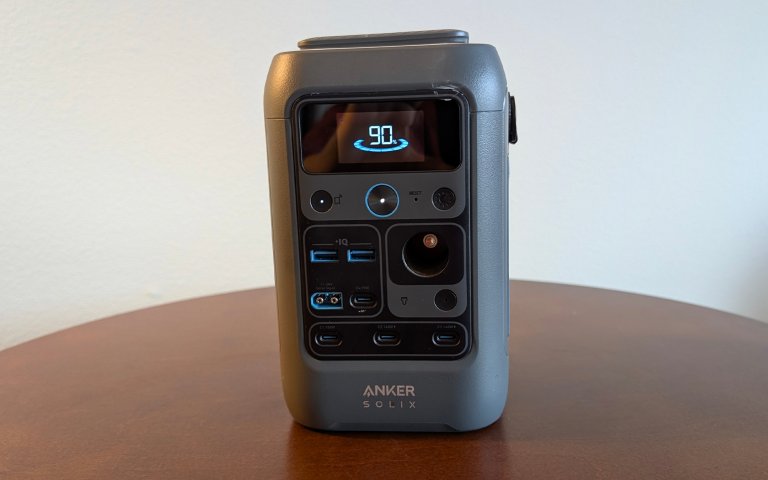
Anker SOLIX C300 DC
Capacity
288 Wh
Max Output
300W
Battery
LiFePO4
If portability is your highest priority, this diminutive unit punches far above its weight class. Closer in size to a large handheld power bank than a traditional power station, it nonetheless packs enough juice to recharge your phone around twenty times and your laptop approximately five times. That means both you and your partner could keep your essential devices running for several days without breaking a sweat. One word of caution: be mindful of which solar panel you connect, as plugging in an overly powerful panel can damage the electronics.
Best For: Ultra-portable power for phones, laptops, and small electronics during short to medium outages.
Best for CPAP Machines
Average Daily Power Needs: ~600 Wh (8 hrs) | Key Ports: AC | Minimum Watts: 60W (without humidifier)
If you depend on a CPAP machine for sleep, a power station or solar generator is not optional — it is a medical necessity. Before purchasing, make sure you understand your machine's exact power draw. A Kill-a-Watt meter is an inexpensive way to verify this. Always err on the side of more capacity, especially when estimating how many days an outage could last.
Solar Generator Pick
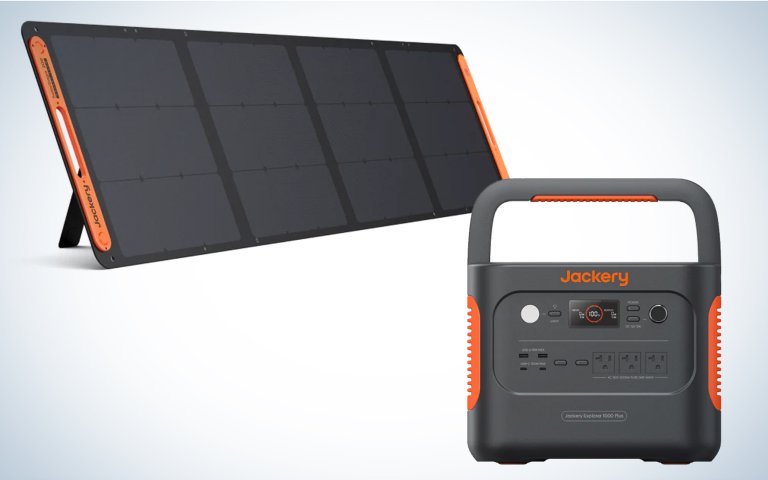
Jackery Explorer 1000 Plus + SolarSaga 200W
Capacity
1,264 Wh
Max Output
2,000W
Battery
LiFePO4
Solar Input
200W
The SolarSaga 200W solar panel stands out as one of the top-performing panels on the market — it is intuitive to set up, supports linking up to four panels in an array, and delivers outstanding power generation in sunny conditions. When paired with the Explorer 1000 Plus, you get enough stored energy to run a CPAP machine continuously with solar recharging keeping the station topped up during daylight hours. This combination is particularly well-suited for sunbelt residents or snowbirds who want reliable, uninterrupted power when the grid goes down.
Best For: CPAP users in sunny climates who want indefinite nighttime power with daily solar recharging.
Power Station Pick
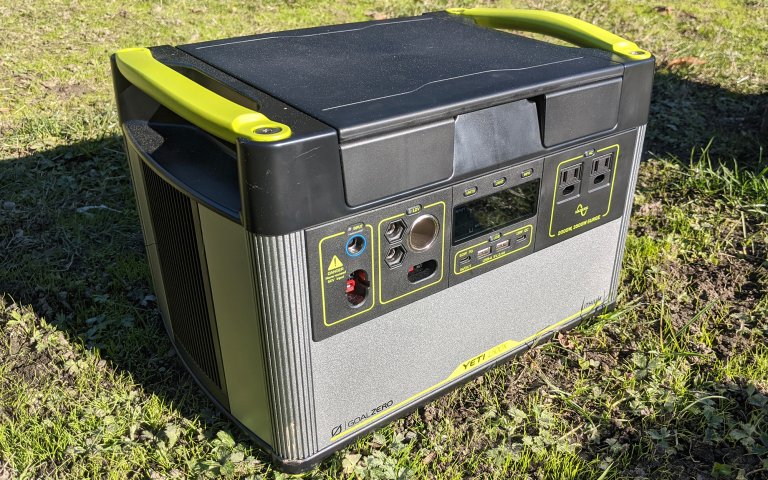
Goal Zero Yeti 1500X
Capacity
1,516 Wh
Max Output
2,000W
Battery
LiFePO4
Goal Zero has built a reputation for precision engineering and dependability, and the Yeti 1500X exemplifies that. Its onboard computer is best-in-class, providing accurate real-time readouts of remaining capacity, amperage, and voltage draw. Notably, it is one of the few power stations that honestly displays the parasitic draw on the battery when the AC port is left on — a subtle but important reminder to toggle off ports when not in use to avoid your battery quietly draining itself. With 1,516 watt hours on board, you will get roughly 24 hours of CPAP runtime before needing a recharge.
Best For: CPAP users who value reliability and precise power monitoring above all else.
Best for Refrigerators
Average Daily Power Needs: ~2,000 Wh | Key Ports: AC | Minimum Watts: 2,000W surge / ~500W running
Keeping your refrigerator running is one of the most common reasons homeowners purchase a backup power solution. However, fridges present unique challenges: they require a significant surge of wattage to start the compressor (often 2,000 watts or more) before settling into a lower running draw of around 500 watts. Always verify your refrigerator's specific startup and running power requirements before selecting a unit.
Solar Generator Pick
Jackery Solar Generator 2000 Plus Kit
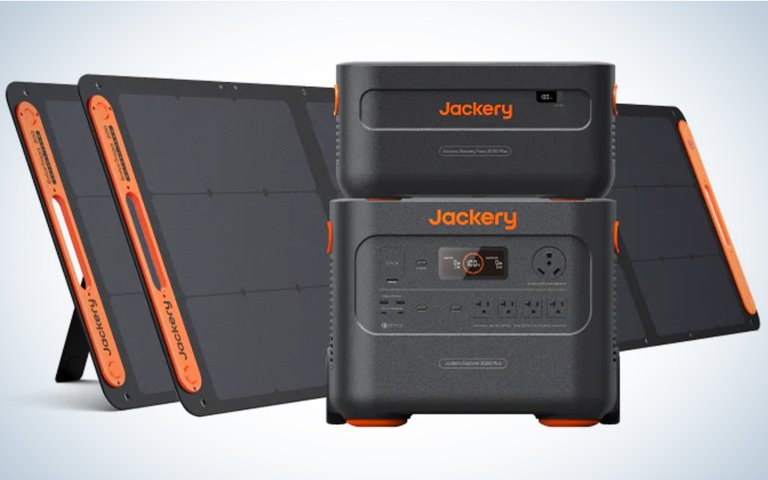
Capacity
2,043 Wh
Max Output
3,000W
Battery
LiFePO4
Solar Input
400W
For most households, deploying a full solar generator setup just to keep the fridge running might seem like overkill. In many cases, it may be cheaper to simply replace spoiled perishables after the power comes back. But if the contents of your refrigerator are irreplaceable — frozen breast milk, a side of beef, or the results of weeks of meal prep — this kit delivers the peace of mind you need. What makes this setup particularly clever is its expandable battery design: the main power station stays indoors running your fridge, while the expansion battery sits outside recharging via the solar panels. Periodically, you swap them. It is admittedly a bit of a process, but during a multi-day outage like those experienced after Hurricane Helene or Sandy, it can be the difference between preserved food and total loss.
Best For: Homeowners with high-value refrigerator contents who need continuous fridge power during extended outages.
Power Station Pick
Goal Zero Yeti Pro 4000
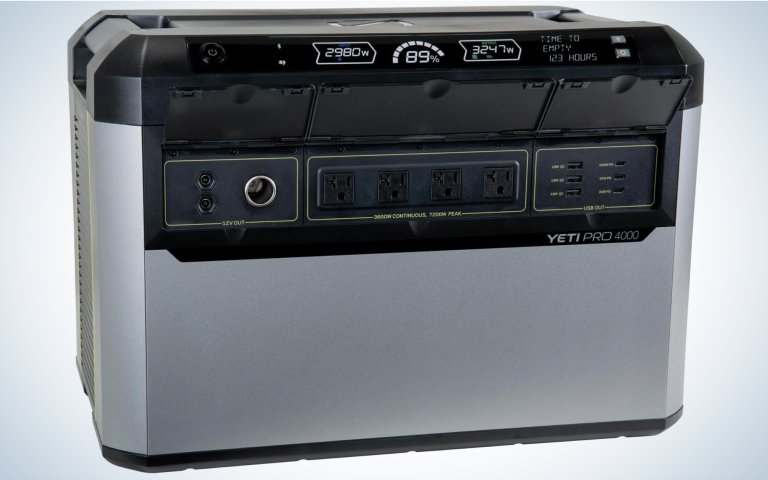
Capacity
3,994 Wh
Max Output
3,600W
Battery
LiFePO4
With nearly 4,000 watt hours of stored energy, the Goal Zero Yeti Pro 4000 can keep your refrigerator running for a solid two days without any additional charging. Goal Zero's hallmark reliability and excellent energy-efficient design means you can trust this unit to deliver on its rated capacity. The onboard monitoring system gives you precise, real-time data on exactly how much power remains and how long your current draw will last — taking the guesswork out of rationing power during an outage.
Best For: Straightforward, no-solar refrigerator backup that will last through a two-day outage on a single charge.
Best for Whole Home Backup
Min. Daily Power Needs: ~10 kWh+ | Connection: Transfer Switch | Watts: Varies by household
Whole home backup operates on a completely different scale from the categories above. These systems are large, expensive, and require professional installation with a transfer switch that connects directly to your home's electrical panel. While once overshadowed by traditional gas generators, solar-powered whole home systems have dropped significantly in price and may even qualify for federal clean energy tax credits. Keep in mind that even the most powerful home backup systems generally cannot run energy-intensive appliances like air conditioners or clothes dryers for extended periods.
Solar Generator Pick
Anker SOLIX F3800 Solar Generator Kit
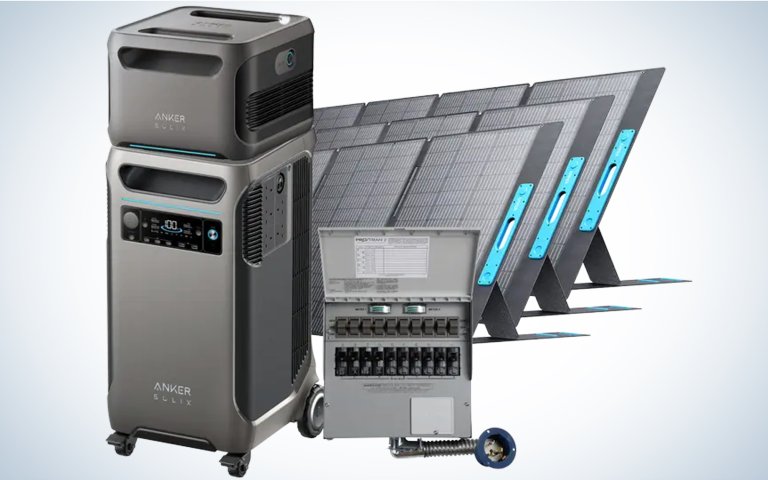
Capacity
7,700 Wh
Max Output
6,000W
Battery
LiFePO4
Solar Input
1,200W
This comprehensive kit bundles everything you need: a high-capacity power station, a transfer switch for home integration, and three large 400-watt solar panels. It will not power your entire home at full draw, but it is more than sufficient to keep lights, heating, and essential appliances operational. In a region with reliable sunshine, the three-panel array can generate enough energy to fully recharge the power station each day, provided you commit to adjusting panel angles throughout the day for optimal exposure. The system runs quietly — a significant advantage over gas generators — and may qualify for the federal residential clean energy tax credit.
Best For: Homeowners seeking a comprehensive, silent, solar-powered whole home backup system with tax credit eligibility.
Power Station Pick
Goal Zero 16kWh Haven Home Backup
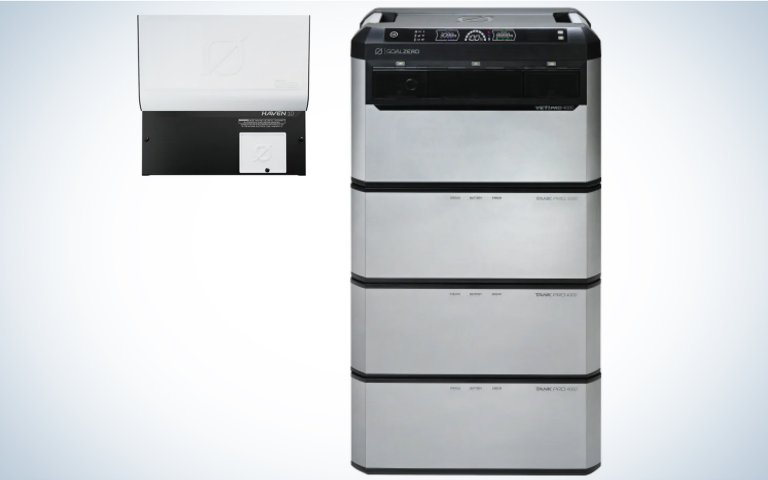
Capacity
16,000 Wh
Max Output
3,600W
Battery
LiFePO4
Very few power station setups have the sheer capacity to run most of your household for a full 24 hours, but the Goal Zero Haven comes remarkably close. With 16,000 watt hours, you could navigate a day-long outage without needing to think twice about your power usage — provided you are not running the air conditioning. The system supports up to 10 separate 120-volt circuits through its included transfer switch, which will cover the needs of most single-family homes. Its modular architecture also means you can expand the system over time as your needs grow or your budget allows, rather than committing to the maximum investment upfront.
Best For: Homeowners who want the closest thing to full, uninterrupted home power during extended outages, with room to grow.
What to Consider Before Buying
Your Power Needs
Estimating your actual power requirements during an extended blackout is trickier than it seems. How long are outages likely to last in your area? What will the weather be like? Will community charging stations be available? Start by identifying your most critical devices and their watt-hour consumption, then build in a generous buffer. Local emergency preparedness organizations often publish helpful baseline estimates for your region.
Price
Quality power stations are a significant investment, often running into four figures for units with adequate capacity. That said, resist the temptation to undersize your purchase just to save money, particularly if the power station serves a medical function such as running a CPAP machine. It is better to invest more upfront in a unit that reliably meets your needs than to be caught short when you need it most.
Battery Chemistry
All of our recommended units use LiFePO4 (lithium iron phosphate) battery chemistry. These batteries offer meaningful advantages over older NCM (nickel cobalt manganese) cells: they carry a substantially lower risk of fire, deliver a longer overall lifespan with more charge cycles, and are produced with a more responsible supply chain. For home backup applications where safety and longevity are paramount, LiFePO4 is the clear choice.
Frequently Asked Questions
What size solar generator is needed to power a house?
Running an entire house requires a large-capacity solar generator that connects directly to your electrical panel via a transfer switch. Even with the most powerful units available, you should expect to limit your usage of energy-intensive appliances such as air conditioners and electric dryers, as running them freely will drain the generator well ahead of schedule.
How large of a solar generator do I need for a refrigerator?
Look for a power station rated at approximately 2,000 watt hours with a surge wattage output of at least 2,000 watts. The surge capacity is important because refrigerator compressors draw a large spike of power at startup before settling into a much lower running consumption.
Is a portable solar generator a worthwhile investment?
Without question. The electrical grid faces growing threats from aging infrastructure and increasingly severe natural disasters, while our reliance on electronic devices has never been greater. Whether you choose a solar generator with panels or a standalone power station, having some form of backup power in your home is a smart, practical investment in your family's safety and comfort.
Final Thoughts
Solar generators and portable power stations for home backup are no longer niche products — they have become essential tools for modern homeowners. Because these units represent a significant financial investment, it pays to do thorough research before purchasing. Understand your household's actual electrical requirements, factor in your local climate and the types of weather events most likely to cause outages, and choose a unit that genuinely matches your situation. There is no one-size-fits-all answer in this product category, but the recommendations above offer a strong starting point for every budget and scenario.