


 Damage
  Loss
Loss  Theft
Theft 


Flexible Solar Panels vs. Rigid Solar Panels: What Are the Pros and Cons?
Table of Contents
1. What Sets Flexible and Rigid Solar Panels Apart?
2. Advantages of Flexible Solar Panels
3. Drawbacks of Flexible Solar Panels
4. Advantages of Rigid Solar Panels
5. Drawbacks of Rigid Solar Panels
6. Can You Combine Flexible and Rigid Panels?
7. Final Thoughts
8. Frequently Asked Questions
There's never been a better time to invest in solar energy, whether you're building out a home system or setting up a mobile power solution for life on the open road. But one of the first decisions you'll face is this: should you go with flexible solar panels or rigid solar panels? The answer depends on your energy requirements, available space, budget, and how you plan to use them.
Let's break down the key differences between flexible and rigid panels, weigh the pros and cons of each, and help you figure out which option makes the most sense for your specific needs.
What Sets Flexible and Rigid Solar Panels Apart?
As their names suggest, flexible solar panels can bend and conform to surfaces, while rigid solar panels remain flat and fixed. But there's much more beneath the surface than just shape.
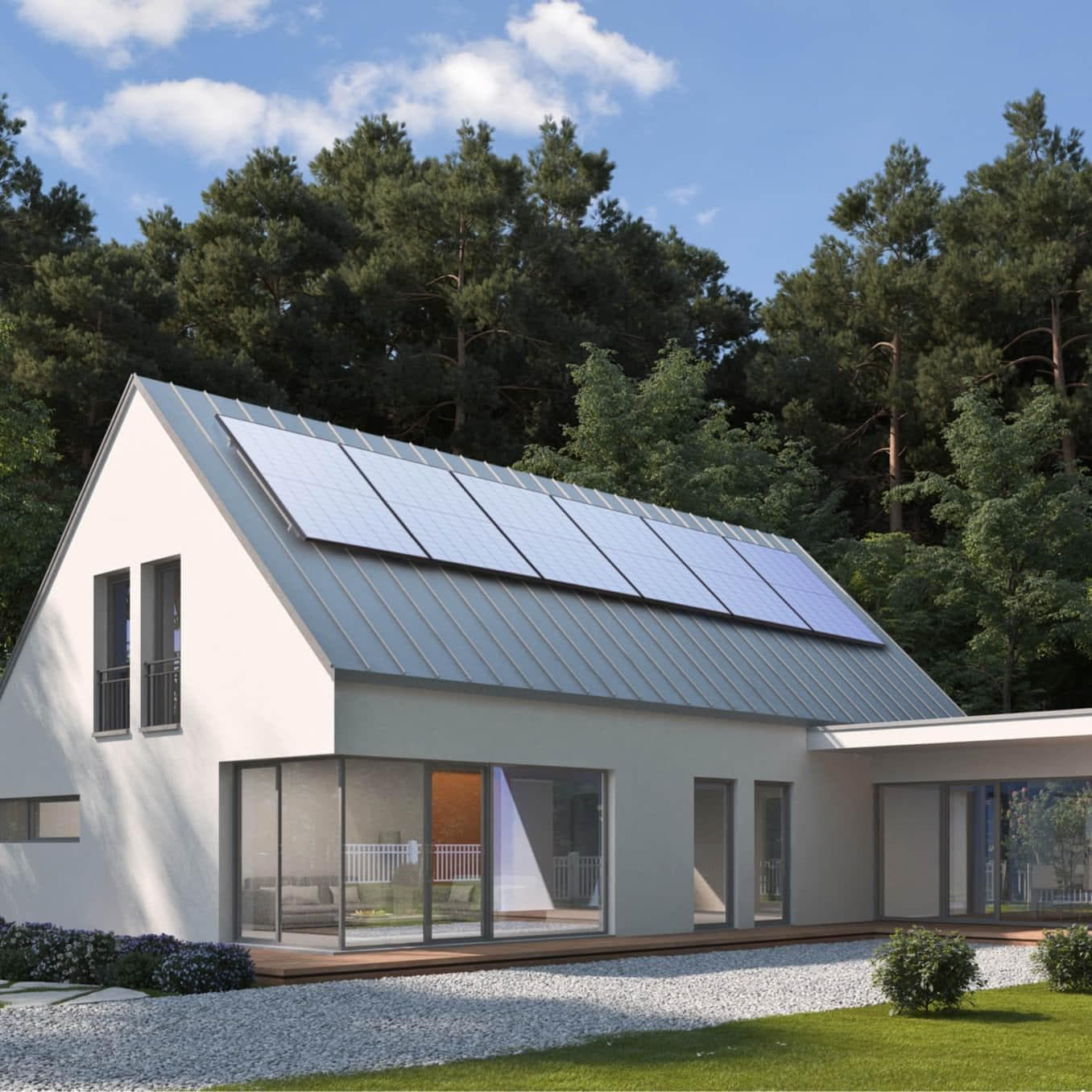
Traditional rigid panels are constructed with a sturdy aluminum frame and covered with tempered glass, offering excellent durability against harsh weather and physical impact. They tend to be heavier, thicker, and built for permanent installations on rooftops and ground-mounted systems.
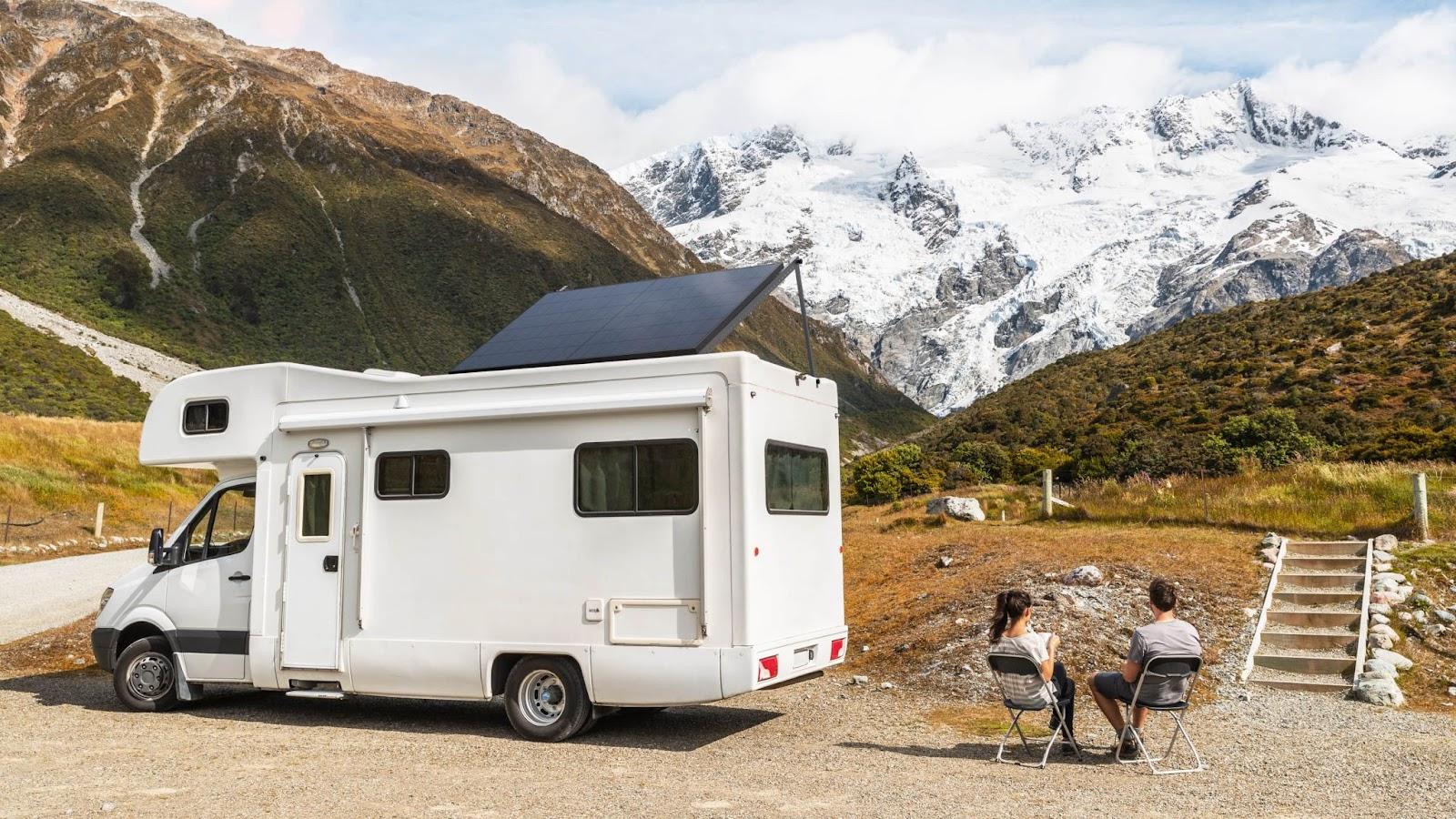
Flexible panels, on the other hand, are made with thin-film photovoltaic cells encased in lightweight, pliable materials. They can curve, flex, and mold to uneven or rounded surfaces. These panels are thinner, lighter, and easier to transport — making them a favorite for RVs, boats, camping setups, and other mobile applications.
What Are the Pros of Flexible Solar Panels?
Flexible solar panels bring a number of compelling advantages, especially for those with non-traditional setups or mobile energy needs. Let's look at what makes them stand out.
Lightweight
Flexible panels often weigh a fraction of their rigid counterparts — sometimes under 5 lbs per panel. This makes them ideal for structures that can't bear heavy loads, like pop-up canopies, lightweight rooftops, or portable camping setups. You won't need to worry about reinforcing your roof or vehicle to handle the extra weight.
Flexibility
With the ability to bend and flex, these panels open up a whole new world of installation possibilities. Mount them on curved rooftops, boat decks, or even irregular surfaces that would be completely off-limits for rigid panels. Some flexible models can bend up to 258 degrees, providing remarkable versatility for creative energy setups.
Portability
Because of their slim profile and light weight, flexible panels are extremely easy to transport. Simply roll them up or fold them and toss them in your trunk, RV storage, or camping bag. They're a natural fit for anyone who needs power on the go — whether that's tailgating, backpacking, or living the van life.
Easy Installation
Forget about complex racking systems and heavy-duty brackets. Most flexible panels can be installed using simple adhesive strips, hook-and-loop fasteners, or basic mounting hardware. This makes them an excellent pick for renters, weekend warriors, or anyone who wants a quick and easy solar setup without permanent modifications.
What Are the Cons of Flexible Solar Panels?
While there's a lot to love, flexible panels do come with a few trade-offs worth considering.
Requires Secure Mounting
Due to their slim, lightweight construction, flexible panels can be vulnerable to lift-off in strong winds. This means you need to ensure they are properly secured. Without the right anchoring approach, they might not stay put in rough weather conditions.
Lower Efficiency Ratings
Since flexible panels are placed flat or curved against surfaces, they don't always get the ideal tilt angle for maximum sun exposure. They also tend to lack the airflow underneath that helps keep panels cool, which can reduce their energy output. Most flexible panels peak at around 10–12% efficiency, while premium monocrystalline versions may reach up to 23%, which still trails behind the best rigid panel options.
Shorter Lifespan
The thinner materials used in flexible panels make them more susceptible to wear and degradation over time. Exposure to intense UV rays, moisture, and repeated flexing can take a toll. While some models offer 5–10 year warranties, most don't come close to matching the 25–30 year longevity that rigid panels are known for.
What Are the Pros of Rigid Solar Panels?
Rigid solar panels have been the backbone of the solar industry for decades, and for good reason. Here's what makes them a powerhouse choice.
Longer Lifespan
Built with tempered glass, aluminum frames, and high-grade encapsulants, rigid panels are designed to endure the elements for the long haul. They resist rain, hail, snow, and extreme temperatures with ease. Most rigid panels carry warranties of 25 years or more, and many continue to perform well even beyond that. If longevity is your priority, rigid panels deliver in spades.
Durability
Rigid panels can withstand harsh weather conditions, including wind loads of up to 140 mph and snow loads of up to 113 lbs per square foot in some cases. Their solid construction means they hold up against impacts that would easily damage a flexible panel. This ruggedness makes them a reliable pick for permanent outdoor installations in virtually any climate.
Higher Efficiency
When it comes to squeezing the most power out of every ray of sunshine, rigid panels lead the way. Thanks to their optimal mounting angles and better airflow beneath the panels, they consistently generate more electricity per square foot. Top-tier rigid panels offer conversion efficiencies that exceed what most flexible panels can achieve, making them the better choice for maximizing energy production in a fixed location.
What Are the Cons of Rigid Solar Panels?
Despite their many strengths, rigid panels aren't without limitations. Here are a few potential downsides to keep in mind.
Complex Installation
Installing a permanent rigid panel system requires dedicated racks, brackets, and sometimes a professional installer. The mounting rails need to be drilled into your roof or ground mount, making it a more involved and costly setup compared to simply sticking a flexible panel to a surface. You may also need to factor in permits and inspection requirements depending on your location.
Higher Upfront Cost
While the cost per watt has fallen significantly over the years, rigid panel installations still generally cost more up front than flexible alternatives. Between the panels themselves, the mounting hardware, and potential installation labor, the total investment can add up quickly. That said, the longer lifespan and higher energy output often make rigid panels more cost-effective over time.
Heavier Weight
A standard rigid panel can weigh upwards of 40 pounds, which can present challenges for transport, rooftop delivery, and installation. For certain structures — like older buildings, sheds, or recreational vehicles — the weight may exceed what the surface can safely support without reinforcement.
Can You Combine Flexible and Rigid Solar Panels?
If you're aiming for a comprehensive solar setup, you absolutely can use both types together to maximize your energy production. Many solar enthusiasts run a hybrid system where rigid panels serve as the primary, high-output power source installed on the roof, while flexible panels handle supplementary power collection in spots where rigid panels simply can't go.
Rigid panels will handle the bulk of your power generation, feeding into your main electrical system or battery bank. Meanwhile, flexible panels can be placed on curved surfaces, awnings, or other tricky areas to squeeze out extra watts wherever possible.
However, when pairing different panel types, you'll want to make sure you use the right charge controllers and inverters to manage the varying outputs. Matching your equipment properly will ensure both panel types work together efficiently without any issues.
Final Thoughts
Flexible, rigid, and portable solar panels each bring their own unique strengths to the table. Picking the right option comes down to your specific situation — where you want to install them, how much power you need, and how long you expect the system to last.
If portability and versatility are your top priorities, flexible panels are hard to beat. They're perfect for mobile setups, temporary installations, and tight or curved spaces. On the other hand, if you're investing in a permanent home solar system, rigid panels offer the efficiency, durability, and long-term performance that make the investment worthwhile.
Whichever direction you lean, making the jump to solar energy is a smart move. It can help lower your bills, reduce your environmental footprint, and give you a reliable source of clean power for years to come.
Frequently Asked Questions
Do flexible panels work better than rigid ones?
It depends on your use case. Flexible panels shine for mobile applications, curved surfaces, and lightweight requirements. Rigid panels outperform them in terms of overall efficiency, longevity, and power output for permanent installations.
Can I mount flexible panels on my RV or boat?
Absolutely. Flexible panels are one of the best choices for RVs, boats, and vans. Their lightweight build and ability to conform to curved surfaces make them a natural fit. Just be sure to use a quality adhesive or mounting system that can handle vibration and weather exposure.
How long do flexible solar panels typically last?
Most flexible panels have a functional lifespan of around 5 to 15 years, depending on the quality of the materials and how well they're maintained. Premium models with high-grade monocrystalline cells and durable lamination tend to last longer. By comparison, rigid panels regularly last 25 years or more.
Which type of solar panel is more affordable?
Flexible panels generally cost less upfront, making them an appealing entry point for those on a tighter budget. However, when you factor in their shorter lifespan and lower efficiency, rigid panels often deliver better value per dollar over the lifetime of the system.
Choosing Between Flexible and Rigid Solar Panels
Both flexible and rigid solar panels have their place in the world of clean energy. The right choice depends on your unique goals, installation environment, and budget. Whatever you choose, going solar is a winning move.