


 Damage
  Loss
Loss  Theft
Theft 


How Much Power Does a 400W Solar Panel Produce?
What Is a 400W Solar Panel?
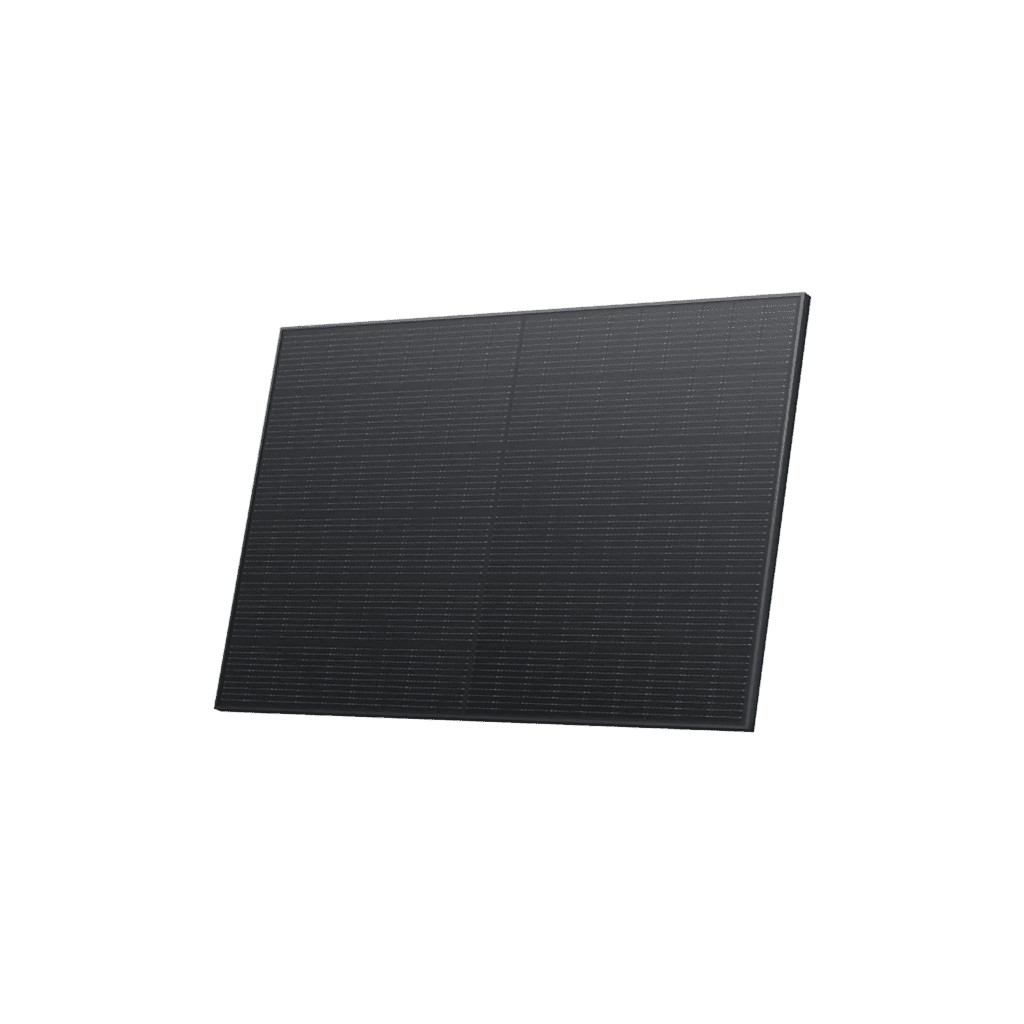
A 400W solar panel is rated to produce 400 watts of direct current (DC) power under Standard Test Conditions — a controlled lab benchmark using specific levels of irradiance and a cell temperature of 25°C. Most residential panels fall into the 250W–400W range, with larger wattages offering greater output from the same footprint. A 400W panel measures approximately 5.4 by 3.28 feet, making it a compact but powerful option for both roof installations and portable setups.
In practice, real-world output often differs from that rated number. Factors like your geographic location, the tilt of the panel, local weather, and seasonal changes all influence how many kilowatt-hours you actually generate each day. Understanding those variables is key to planning any solar system correctly.

How Much Power Does a 400W Solar Panel Actually Produce?
Output depends on several conditions working together. Under ideal full-sun exposure for a full day, a 400W panel can theoretically produce around 2.4 kWh of electricity. In reality — accounting for partial cloud cover, sub-optimal angles, and seasonal light variation — daily generation typically lands closer to 1.2–1.6 kWh on average.
A useful rule of thumb: multiply your panel's wattage by the average peak sun hours in your location. In a region with 4 peak sun hours per day, a 400W panel yields approximately 1.6 kWh daily.
Several key factors affect this output:
Location & Sun Hours
The more peak sun hours your region receives, the more electricity your panel produces. Southern and sunbelt regions naturally outperform northern climates.
Weather & Cloud Cover
Overcast skies and rain reduce output significantly. Panels still generate electricity on cloudy days, but at a fraction of their rated capacity.
Panel Temperature
Counterintuitively, excessive heat reduces efficiency. High panel temperatures lower voltage output — cooler, sunny days are often more productive than hot ones.
Angle & Orientation
Panels tilted toward the sun and facing south (in the northern hemisphere) capture more irradiance throughout the day than flat or misaligned installations.
Shade & Obstructions
Even partial shading — from trees, chimneys, or nearby structures — can dramatically reduce output across the entire panel string.
How Much Does a 400W Solar Panel Cost?
Pricing depends on brand, build quality, and whether you're purchasing a standalone panel or a complete system. Entry-level panels can be found at lower price points, while premium rigid panels engineered for durability, efficiency, and weather resistance — like the EcoFlow 400W Rigid Solar Panel — reflect a higher-grade investment that pays off over time.
Installation, mounting hardware, wiring, inverters, and charge controllers add to the total project cost. For portable or off-grid applications, panels pair with portable power stations or solar generators to create a self-contained system that requires minimal infrastructure.

If you're looking for a rigid, durable 400W option that works seamlessly with EcoFlow's ecosystem of portable power stations, the EcoFlow 400W Rigid Solar Panel is worth a close look. It features a sturdy ETFE coating, handles outdoor exposure exceptionally well, and integrates with both AC200 and AC300 series power stations for a reliable off-grid or backup energy system.
Ready to Power Up with 400 Watts?
The EcoFlow 400W Rigid Solar Panel 2-Pack delivers dependable output, rugged construction, and seamless compatibility with EcoFlow power stations.
EcoFlow 400W Panel 2-PackWhat Can I Run With a 400W Solar Panel?
A single 400W panel can power a wide range of small appliances and consumer electronics throughout the day. When paired with a battery system or portable power station, the stored energy extends your coverage into evening hours, making it genuinely practical for everyday use — not just emergencies.
Common appliances that two to four 400W panels can comfortably run include:
- Refrigerators (standard size)
- Smartphones & laptops
- LED lighting systems
- Small televisions
- Washing machines (basic cycles)
- Coffee makers
- Fans & ventilation
- CPAP machines
High-draw appliances like electric ovens, air conditioners, or electric water heaters typically require a larger array. However, for a cabin, workshop, RV, or outdoor living space, a 400W panel setup is often more than sufficient.
How Many 400W Panels Do I Need to Run a House?
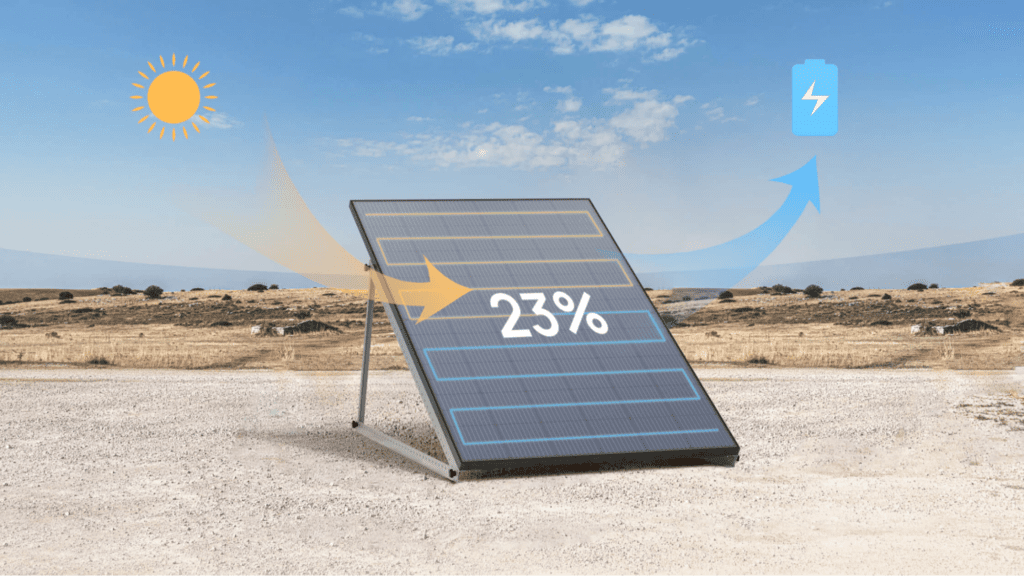
The number of panels required depends on two main variables: your household's average daily electricity consumption and the amount of rooftop or outdoor space available for installation. These two factors, combined with your local sun hours, determine the size of your system.
You can estimate the number of panels you need using a straightforward formula:
No. of Panels = Daily kWh ÷ (Panel Wattage × Peak Sun Hours ÷ 1,000)
Example: 10,000 Wh ÷ (400W × 5 hrs ÷ 1,000) = ~5 panels
Keep in mind that sun hours vary significantly by location. A home in Arizona with 6 peak sun hours per day needs fewer panels than an equivalent home in the Pacific Northwest averaging only 3.5 hours. Always calculate based on your region's actual solar resource data for the most accurate estimate.
How Many Amps Does a 400W Solar Panel Produce?
Amperage depends directly on the voltage your panel operates at. The relationship is simple:
Current (Amps) = Power (Watts) ÷ Voltage (Volts)
At 48V: 400W ÷ 48V = ~8.33A
Most 400W panels operate between 40V and 48V at peak output, producing approximately 8 to 10 amps of current under full sun. This current is what flows through your charge controller into your battery bank. Understanding amperage is important when sizing your wiring, fusing, and charge controller to ensure the system operates safely and efficiently.
In practical terms, 8 amps of continuous current is enough to meaningfully recharge a portable power station, top off a 12V battery bank, or sustain moderate loads in an off-grid setup throughout the day.
Final Thoughts
A 400W solar panel is one of the most versatile and capable single-panel options available today. Whether you're supplementing your home's grid power, building an off-grid retreat, or simply want a reliable backup energy source, 400W panels deliver a meaningful output in a manageable package.
For those who want the best of portability and performance, the EcoFlow 400W Rigid Solar Panel 2-Pack offers a well-engineered solution — durable ETFE construction, optimized cell efficiency, and native compatibility with EcoFlow power stations. It's an ideal starting point for any serious solar setup.
Ultimately, transitioning to solar — even partially — reduces your dependence on the grid, lowers your electricity bills, and makes your home more resilient. With the right panel and the right setup, the sun's energy is more accessible than ever.