


 Damage
  Loss
Loss  Theft
Theft 


400-Watt Solar Panels: Everything You Need to Know
What Can a 400-Watt Solar Panel Run?
Modern, high-efficiency 400W solar panels sit comfortably between entry-level 300W and heavy-duty 500W options — making them one of the most versatile choices on the market. A single panel generates enough power to run small-to-medium appliances throughout the day when paired with adequate battery storage.
If you're planning a full residential solar system, a 400W panel running at peak sunlight hours can contribute meaningfully to your daily energy budget. Keep in mind that for round-the-clock power, your panel must be paired with a battery bank or grid-tie inverter to store and process the electricity it produces.
Common Uses for 400W Solar Panels
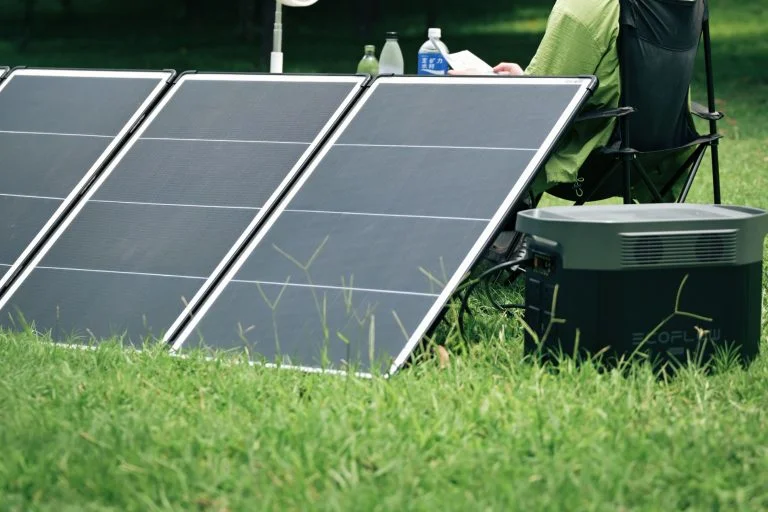
People choose 400W panels across a surprisingly wide range of applications. Whether you're supplementing your home's grid connection or going completely off-grid, here are the most popular use cases:
Home Backup
Power essential devices and small appliances during outages. Reliable, quiet, and maintenance-free.
RV & Camper Setups
Keep lights, fans, and refrigerators running on the road or at a remote campsite.
Off-Grid Cabins
Provide basic daily electricity needs in locations where grid power is unavailable or impractical.
Portable Power
Charge generators and battery stations for outdoor events, job sites, or emergency kits.
Outdoor Projects
Run power tools, pumps, or lighting in workshops, barns, and remote job sites.
Supplemental Arrays
Stack multiple 400W panels together to significantly offset or eliminate your monthly utility bill.
How Many 400W Panels Do You Need?
The number of panels you need depends entirely on your daily energy consumption. The average American home uses around 10,500 kWh per year — roughly 29 kWh per day. A 400W panel in a sun-rich location can produce about 1.6 to 2 kWh per day, meaning a full home offset may require 15–20 panels depending on your climate.
The table below gives a practical breakdown based on system capacity:
| System Size (kW) | 400W Panels Needed | Daily Output (est.) | Avg. Annual Output | Best For |
|---|---|---|---|---|
| 0.4 kW | 1 | 1,700 Wh | 620 kWh | Small RV or emergency backup |
| 2 kW | 5 | 8,500 Wh | 3,100 kWh | Small off-grid cabin |
| 7.2 kW | 18 | 30,600 Wh | 11,169 kWh | Average home |
| 12 kW | 30 | 51,000 Wh | 18,615 kWh | Large home |
How Much Energy Can a 400W Panel Produce?
Output varies by location, weather, and time of year, but on average a 400W solar panel generates between 1.2 and 3 kWh per day. Peak sun hours — the number of hours when sunlight intensity is strong enough for maximum generation — are the primary variable. Here are some regional benchmarks:
How Much Do 400W Solar Panels Cost?
As of 2026, individual 400W solar panels typically range from $200 to $550, though complete kits and bundle packs often offer better per-panel value. Installation costs are separate and vary widely based on roof type, local labor rates, and system complexity.
A small single-panel off-grid system may total $400–$1,500 with hardware, while a full home installation covering 15–20 panels can run anywhere from $15,000 to $30,000+ before incentives. Federal tax credits and local rebates can significantly reduce your net cost.
Cost Factors to Consider
-
1Panel type & brand: Monocrystalline panels cost more upfront but offer 25–30 year performance warranties and higher efficiency ratings than polycrystalline alternatives.
-
2Bifacial vs. standard: Bifacial panels capture reflected light from both sides, improving output by 10–20% — ideal for ground mounts or highly reflective surfaces.
-
3Buying single vs. bundle: Buying one panel at a time carries a premium. Purchasing a 2-pack or larger array kit almost always reduces the per-panel price significantly.
-
4Retailer and region: Prices differ across retailers and by state. Some regions offer additional rebates or net metering programs that affect your true return on investment.
-
5Certification & durability: Panels with strong weather resistance ratings and recognized certifications are typically priced higher but hold their value and performance longer.
How to Install 400W Solar Panels
Installing solar panels follows the same general steps whether you're mounting a single panel for off-grid use or building out a full residential array. Here's a simplified overview of the process:
- Site Assessment Evaluate your roof or ground mount location for sun exposure, angle, and shading throughout the day. Use a solar calculator to estimate your location's peak sun hours.
- Mounting Hardware Setup Attach rail mounts or racking to your roof, clamping to roof joists. For ground systems, set anchor posts in concrete at least 6 inches in diameter.
- RV & Camper Setups Keep lights, fans, and refrigerators running on the road or at a remote campsite by connecting panels to roof-mount brackets.
- Panel Placement Lift and secure panels to the racking, then clamp them firmly in place. Make sure all connections are seated before proceeding to wiring.
- Electrical Wiring Wire panels according to your system design — series for higher voltage, parallel for higher current — then connect to your battery bank, charge controller, or inverter.
- System Connection Link everything to your battery bank, grid-tie inverter, or power station following local electrical code, bonding code, and inverter manufacturer instructions.
- Testing & Grounding Verify the system is producing correctly by checking current and voltage readings. Ensure the racking and frame are properly grounded to prevent electrical hazard.
DIY vs. Professional Installation
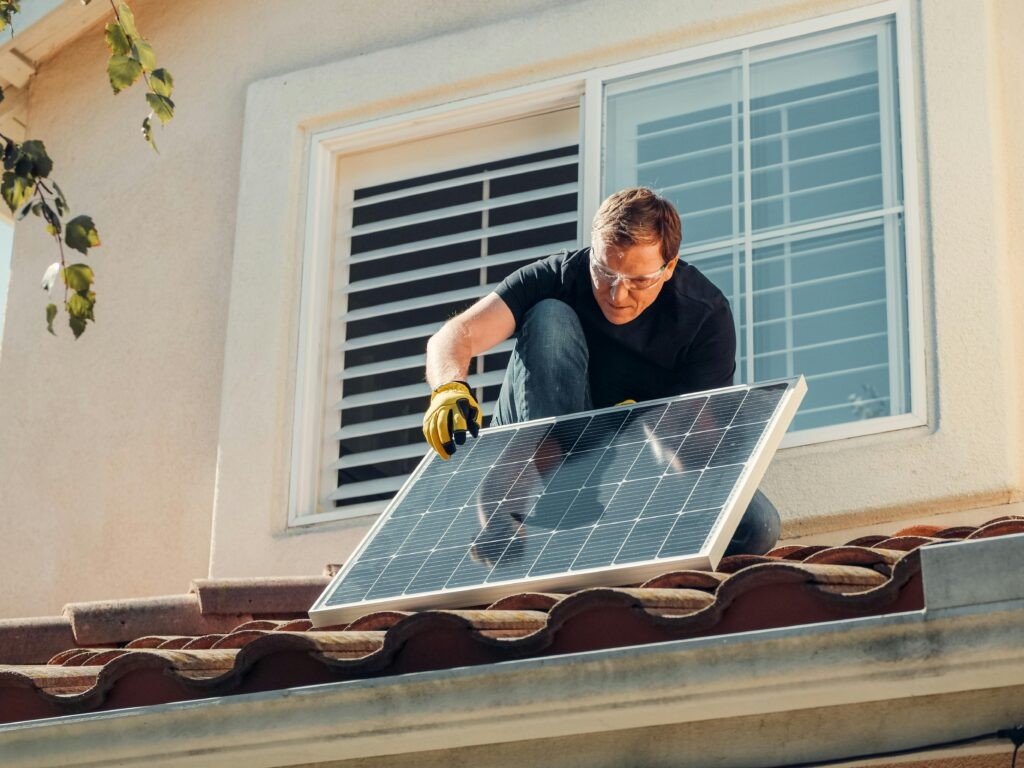
Whether you go DIY or hire a licensed installer depends on your system size, comfort with electrical work, and local permitting requirements. Small off-grid setups — a single or double panel powering a shed or RV — are well within reach for confident DIYers. Full-scale grid-tied residential systems almost always benefit from professional oversight.
Are 400W Solar Panels Right for You?
If you're evaluating a residential solar setup, there's a strong chance 400W panels belong in your system. They offer one of the best balances of output density and physical footprint currently available — meaning you can achieve a meaningful system capacity without overloading your roof. For off-grid and portable applications, a 400W panel also delivers a substantial amount of power in a single, easy-to-handle unit.
That said, it's always best to start with a clear picture of your energy needs. Add up your monthly kWh usage, factor in your local sun hours, and work backward from there. If you're unsure, a solar professional can run the numbers for you in minutes.
Frequently Asked Questions
For a single 400W panel, a 100Ah lithium battery is a practical starting point for overnight storage. If you want to store a full day's output, consider 200–300Ah of capacity. Your battery bank should always be sized to your actual consumption, not just your panel wattage.
At peak efficiency, a 400W panel operating at around 40V produces roughly 10 amps. Actual amperage depends on your panel's voltage rating and real-world sunlight conditions throughout the day.
A 40-amp MPPT charge controller is a common and reliable match for a single 400W panel. MPPT controllers are significantly more efficient than PWM types and are the recommended choice for any panel 200W or above.
Under good sunlight conditions (5 peak sun hours), a 400W panel can fully charge a depleted 100Ah 12V battery in approximately 3–5 hours. Charging time increases with partial sunlight, high temperatures, or inefficient wiring.
On average across North America, expect 1.2 to 3 kWh per day from a single 400W panel, depending on your location's solar resource. High-sun climates like the Southwest can push that figure notably higher.
Ready to start generating your own clean energy? The EcoFlow 400W Rigid Solar Panel 2-Pack is engineered for maximum efficiency, built to last, and ready to deploy.
EcoFlow 400W Panel 2-Pack