


 Damage
  Loss
Loss  Theft
Theft 


Can Your Solar Generator Withstand All Outdoor Weather Conditions?
Solar generators deliver dependable outdoor power solutions, but knowing their weather limitations ensures optimal performance and longevity for your backyard setup.
Solar generators have revolutionized outdoor power accessibility, providing reliable electricity for everything from backyard gatherings to emergency preparedness. These versatile units combine portability with renewable energy capabilities, making them indispensable for outdoor enthusiasts and homeowners alike. However, understanding how different weather conditions affect your solar generator is crucial for maintaining its functionality and protecting your investment.
Before exposing your solar generator to various outdoor elements, you need comprehensive knowledge about its weather resistance capabilities and protective requirements. Different environmental factors interact with your equipment in distinct ways, and recognizing these interactions helps you make informed decisions about placement and protection strategies.
Should You Keep Your Solar Generator Outside When It Rains?
The straightforward answer is no—leaving your solar generator unprotected in rainfall creates unnecessary risks. While outdoor convenience has obvious appeal, rain exposure threatens the electronic integrity of your power system.
Solar generators consist of two primary components: solar collection panels and a portable power station containing the battery and electronics. The solar panels feature weather-resistant construction designed for outdoor exposure, but the power station requires moisture protection to operate safely and efficiently.
When circumstances prevent bringing your generator indoors, implementing protective barriers becomes essential. High-quality waterproof covers, protective enclosures, and strategic positioning under covered structures like gazebos, pavilions, or storage sheds provide necessary rain protection while keeping your power accessible for outdoor activities.
DELTA Max Solar Generator
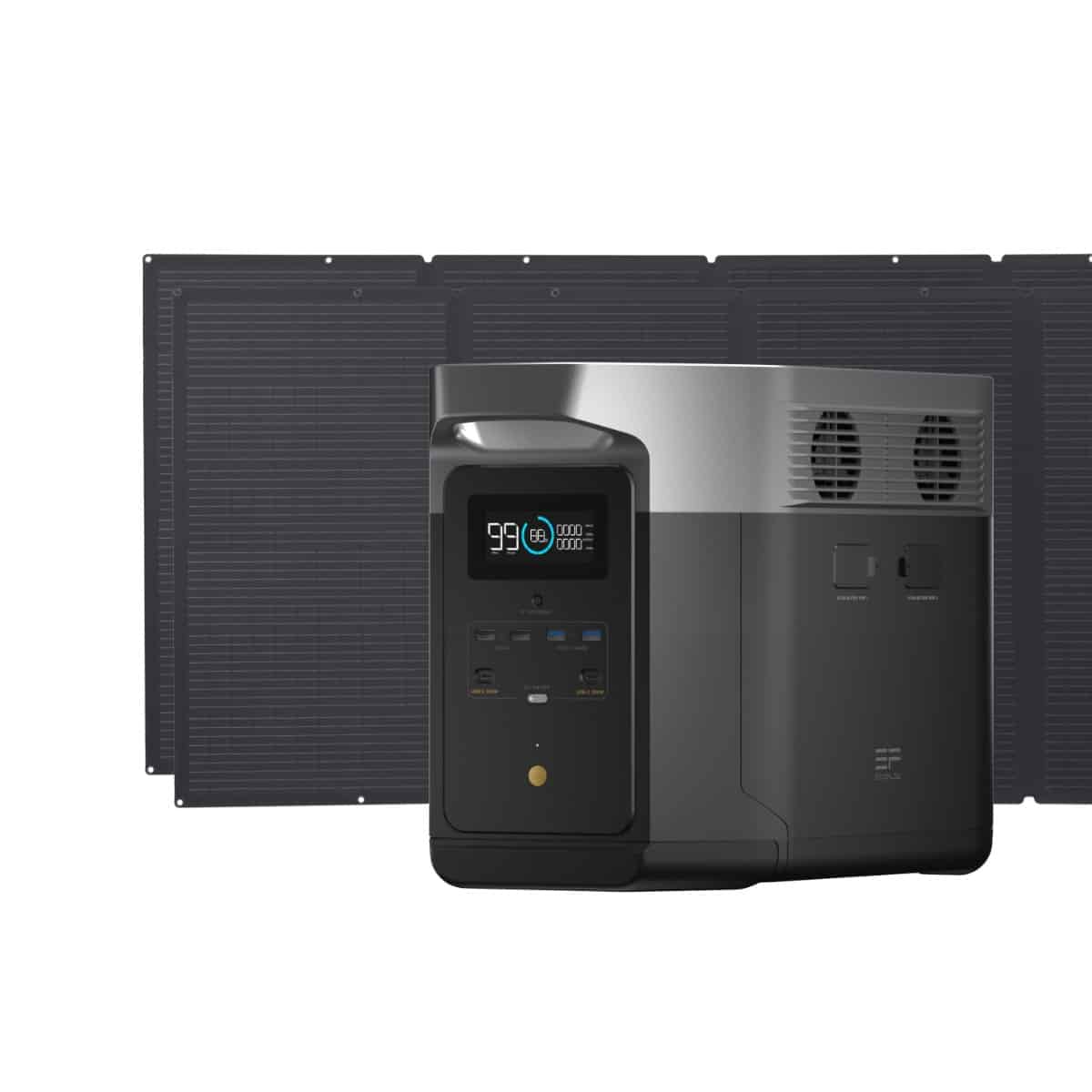
Take the DELTA Max Solar Generator as a prime example. This robust portable power station offers exceptional capacity for extended outdoor use and emergency backup scenarios. Delivering an impressive 2,000 watt-hours with the ability to simultaneously power up to 13 devices, the DELTA Max excels at supporting outdoor events, camping expeditions, and backyard activities. Despite its rugged construction, proper rain protection remains critical for maintaining peak performance and preventing water-related damage.
You might question whether brief rain exposure during transport poses serious risks. Short-duration contact with moisture typically won't cause immediate damage when moving your unit to shelter. However, sustained exposure creates conditions where protective systems like the EcoFlow DELTA Max battery management might trigger safety shutdowns.
Specialized carrying cases offer lightweight durability combined with waterproof construction and weather-resistant materials. These protective solutions shield your power station from unexpected rain showers, dust contamination, and environmental debris. Investing in quality protective gear prevents moisture damage and ensures your outdoor power system remains operational regardless of changing weather patterns.
Can Your Solar Generator Stay Outside Throughout Winter?
Winter storage feasibility for your solar generator depends significantly on your climate zone and typical temperature ranges. Cold weather presents unique challenges requiring thoughtful preparation and protective measures.
Most solar generators feature IP65 protection ratings, indicating resistance against dust particles and water spray exposure. However, this rating doesn't guarantee protection from freezing temperatures. Prolonged cold exposure can degrade battery performance and reduce operational efficiency, potentially necessitating indoor storage or heated shelter during harsh winter conditions.
Temperature sensitivity represents a major winter concern. Lithium-ion batteries powering most solar generators struggle in subfreezing conditions. Cold temperatures slow the chemical reactions necessary for power generation, causing performance degradation. Standard lithium-ion battery systems may fail to operate effectively when temperatures drop below freezing, especially during severe winter storms.
Nevertheless, specialized cold-weather solar generators equipped with advanced lithium-ion battery technology maintain superior performance in freezing conditions. These enhanced systems incorporate heating elements and insulation that enable reliable operation despite challenging winter environments, making them ideal for year-round outdoor applications.
Should You Leave Your Solar Generator Outdoors During Storms?
Leaving your solar generator exposed during severe storms represents a significant risk that should be avoided whenever possible. Storm conditions create multiple hazards that can damage or destroy unprotected outdoor power equipment.
Severe weather brings powerful winds, torrential rainfall, electrical storms, and flying debris—each presenting distinct threats to your generator's functionality. The power station component remains particularly vulnerable during turbulent weather events.
EcoFlow 160W Solar Panels
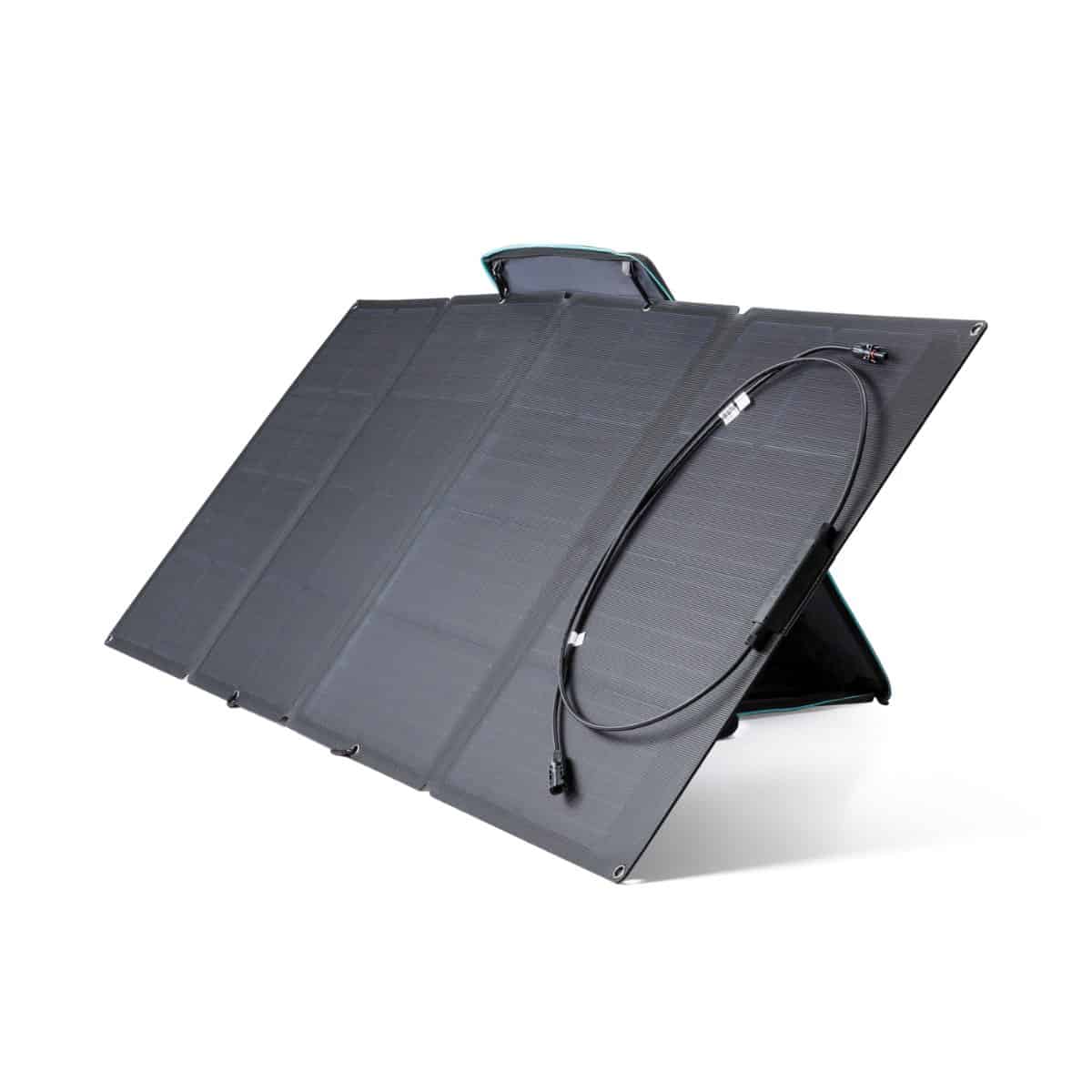
The EcoFlow 160W Solar Panel exemplifies outstanding durability and weather resistance, demonstrating exceptional performance capabilities even during challenging outdoor conditions.
This solar panel excels through superior construction featuring excellent water resistance and impact protection. Its innovative single-piece design virtually eliminates dust penetration while providing exceptional defense against moisture intrusion. The advanced ETFE coating delivers enhanced environmental protection, while the PTF rating ensures sustained reliability throughout extended outdoor deployment.
Beyond protective capabilities, this panel achieves remarkable conversion efficiency rates of 21-22%, significantly outperforming conventional alternatives. The robust design ensures consistent energy harvesting even during adverse weather, meaning your backyard power system continues generating electricity regardless of environmental challenges.
Weatherproofing Your Solar Generator: Essential Preparation Steps
Understand Temperature Specifications and IP Rating Requirements
Always verify your generator's operating temperature range and the minimum temperature threshold required for safe functionality. Combined with understanding your unit's IP rating for dust and moisture protection, these specifications guide appropriate protective measures. Extreme temperatures may require relocating equipment indoors or implementing supplemental climate control solutions.
Through proper temperature management, you effectively shield your generator from environmental extremes while maintaining optimal performance. Additionally, ensuring adequate IP protection safeguards your equipment against potentially harmful elements across varying outdoor conditions.
Secure Appropriate Storage Locations
Whenever practical, store your solar generator in covered areas or protective structures that shield it from direct weather exposure. Ideal storage locations include tool sheds, detached garages, covered patios, and weather-resistant outdoor storage buildings. Strategic positioning protects against precipitation, temperature extremes, and severe weather while ensuring convenient access for backyard activities and outdoor projects.
Acquire Quality Protective Equipment
When moving your generator indoors proves impractical during challenging weather, having protective equipment readily available becomes essential for safeguarding your investment. Premium waterproof covers and weather-resistant carrying cases represent fundamental accessories every outdoor power system owner should maintain. Keeping these protective items accessible ensures your equipment stays protected from moisture damage, accumulating debris, and unexpected weather complications.
Maintain Adequate Battery Reserves
Proactive planning through maintaining extra battery capacity proves invaluable when anticipating extended outdoor use or potential power needs. Consider acquiring additional battery units like the EcoFlow DELTA Smart Extra Battery. Having spare batteries ensures uninterrupted power availability for outdoor activities, guaranteeing you're never left without reliable electricity. Furthermore, consistently maintaining proper battery charge levels extends operational lifespan while ensuring peak power generation even during extended periods of adverse weather.
Protecting Your Outdoor Solar Generator Investment
Safeguarding your solar generator requires understanding its environmental limitations and implementing appropriate protective measures. While these impressive devices deliver exceptional outdoor power capabilities, they aren't engineered for unrestricted exposure across all weather scenarios.
By adhering to manufacturer recommendations, investing in quality protective accessories, and staying aware of changing weather conditions, you ensure your solar generator provides reliable service for years ahead. Remember that proper maintenance today prevents expensive repairs tomorrow while guaranteeing consistent access to dependable outdoor power whenever your backyard activities demand it.
Whether preparing for seasonal weather transitions or establishing long-term storage solutions, taking proactive measures to protect your solar generator demonstrates smart outdoor equipment management and ensures your investment continues supporting your backyard lifestyle effectively.