


 Damage
  Loss
Loss  Theft
Theft 


Installing an Electric Vehicle Home Charger: Your Complete Guide
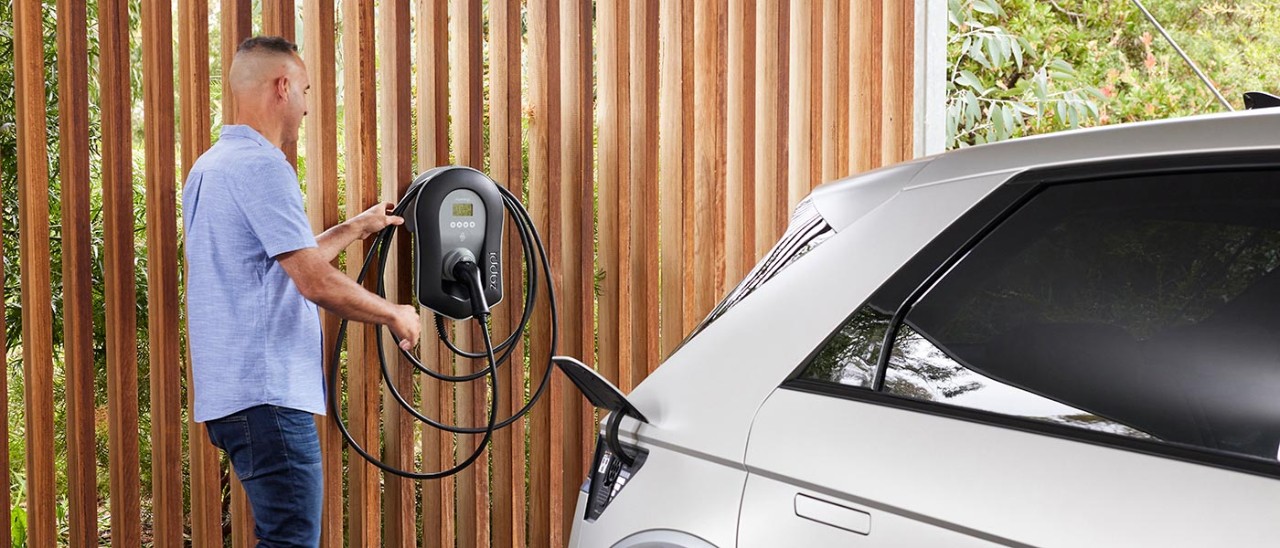
Owning an electric vehicle transforms the way you think about fueling your car. Instead of stopping at gas stations, you can simply plug in at home and wake up to a fully charged battery every morning. A dedicated home EV charger makes this experience faster, safer, and more efficient than using a standard wall outlet.
Whether you're considering your first EV purchase or looking to upgrade your current charging setup, understanding the installation process, costs, and benefits will help you make an informed decision that saves you money and adds value to your home.
In This Article
- Why install a dedicated home EV charger?
- Choosing the best location for your charger
- Electrical upgrades and switchboard requirements
- Integrating solar panels and battery storage
- EV charging solutions for apartment residents
- Charging times and what affects them
- Cost breakdown for home EV charging
Why Install a Dedicated Home EV Charger?
While every electric vehicle comes with a portable charger that plugs into a standard household outlet, this method—known as Level 1 charging—is remarkably slow. Depending on your vehicle's battery capacity, a full charge could take anywhere from 20 to 40 hours or more.
A dedicated Level 2 home charger dramatically accelerates this process, typically delivering a full charge in 4 to 10 hours. This means you can plug in after dinner and have a fully charged vehicle ready for your morning commute. The convenience factor alone makes it worthwhile for most EV owners.
Beyond speed, a hardwired home charging station offers enhanced safety features, better energy efficiency, and the ability to schedule charging during off-peak electricity hours when rates are lowest. Many modern chargers also include smart features that let you monitor energy usage and control charging from your smartphone.
Choosing the Best Location for Your Charger
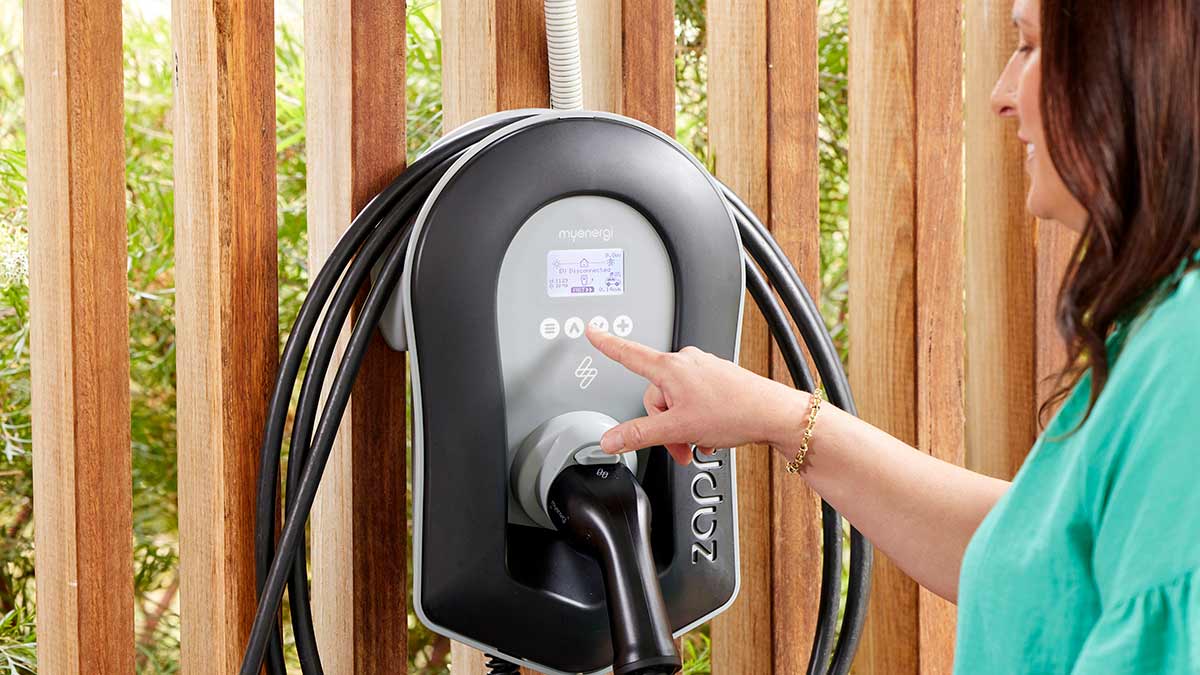
The ideal placement for your home EV charger requires balancing practicality with electrical considerations. Most homeowners install their charger in the garage, which provides weather protection and keeps the charging cable out of sight. However, carport installations and exterior wall mounts work equally well with weather-rated equipment.
Consider where your vehicle's charging port is located—front, rear, or side—and position the charger so the cable can reach comfortably without stretching or creating a tripping hazard. Most residential chargers come with cables between 18 and 25 feet long, providing flexibility in placement.
The distance from your electrical panel matters significantly for installation costs. Shorter cable runs mean lower labor and material expenses. A qualified electrician can assess your situation and recommend the most cost-effective location that meets local building codes and safety requirements.
💡 Pro Tip: Future-Proof Your Installation
Even if your current EV has a smaller battery, consider installing a higher-capacity circuit. This allows you to upgrade to a faster charger later or accommodate a second EV without additional electrical work.
Electrical Upgrades and Switchboard Requirements
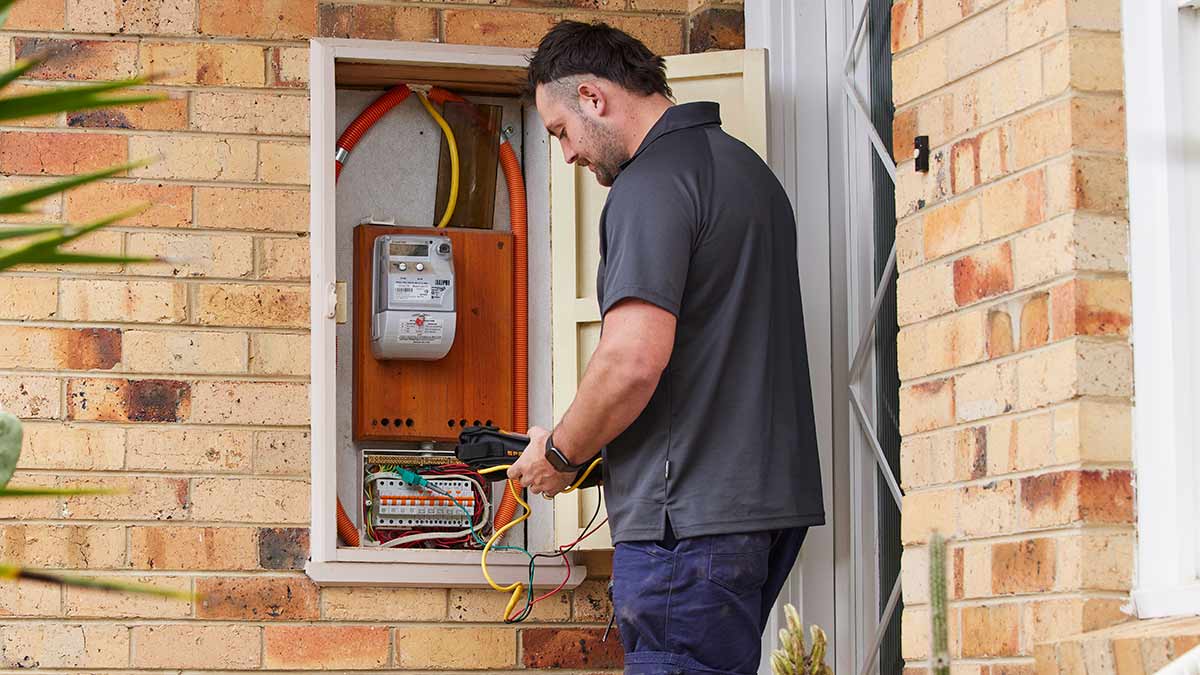
Installing a Level 2 EV charger requires a dedicated 240-volt circuit, similar to what powers your electric dryer or oven. Most home charging stations draw between 32 and 48 amps, which means your electrical panel needs sufficient capacity to handle this additional load safely.
Older homes with 100-amp service panels may require an upgrade to 200-amp service, especially if you already have several high-draw appliances. This upgrade can add $1,000 to $3,000 to your installation costs, but it's an investment that increases your home's value and electrical capacity for future needs.
Some modern EV chargers feature load management technology that monitors your home's electrical usage and adjusts charging speed accordingly. This smart feature can help you avoid expensive panel upgrades while still providing reliable overnight charging.
Integrating Solar Panels and Battery Storage
Pairing your EV charger with a home solar system creates an incredibly cost-effective and environmentally friendly setup. During daylight hours, your solar panels can generate enough electricity to charge your vehicle at essentially zero cost, making your transportation nearly free after the initial investment.
Adding a home battery system takes this concept further. Excess solar energy stored during the day can charge your EV overnight when the sun isn't shining. This maximizes your solar investment and provides backup power during outages—some advanced EV chargers can even use your car's battery to power your home in emergencies.
If you're planning both solar and EV charging installations, consider doing them together. Electricians can often bundle the work, reducing overall labor costs and ensuring your systems are properly integrated from the start.
EV Charging Solutions for Apartment Residents
Living in an apartment or condominium doesn't mean you can't enjoy the benefits of home EV charging, though the process requires more coordination. Start by reviewing your building's rules and talking with your property manager or homeowners association about installing charging infrastructure.
Many forward-thinking buildings are adding shared charging stations in parking areas, with costs either included in HOA fees or billed directly to users through networked chargers. Some jurisdictions have "right to charge" laws that require buildings to accommodate reasonable charging installation requests from residents.
If building-wide solutions aren't available, you might explore installing a charger in your assigned parking space. This typically requires approval from the building, a dedicated meter, and potentially running conduit from the electrical room—costs vary widely based on your building's infrastructure.
Charging Times and What Affects Them
Understanding charging speeds helps you choose the right equipment for your needs. The table below compares different charging methods and their typical performance:
| Charger Type | Power Output | Full Charge Time | Range Per Hour |
|---|---|---|---|
| Level 1 (Standard Outlet) | 1.4 kW | 20-40+ hours | 3-5 miles |
| Level 2 (Home Charger) | 7-19 kW | 4-10 hours | 15-35 miles |
| DC Fast Charging | 50-350 kW | 20-60 minutes | 100-200+ miles |
Actual charging times depend on your vehicle's battery capacity, its maximum charging rate acceptance, ambient temperature, and how depleted the battery is when you plug in. Most EV owners find that Level 2 home charging provides the ideal balance of speed and cost for daily driving needs.
Cost Breakdown for Home EV Charging
The cost to charge your electric vehicle at home depends primarily on your local electricity rates. On average, charging an EV costs the equivalent of paying $1.00 to $1.50 per gallon of gasoline—a significant savings compared to traditional fuel costs.
Many utility companies offer special EV charging rates or time-of-use plans that provide cheaper electricity during off-peak hours, typically late night through early morning. Programming your charger to operate during these windows can reduce your charging costs by 30% to 50% compared to peak rates.
For perspective, driving 12,000 miles annually in an efficient EV costs approximately $400 to $600 in electricity at average rates. The same distance in a 30-mpg gasoline vehicle would cost $1,400 to $1,800 in fuel—representing annual savings of $1,000 or more.
Ready to Install Your Home EV Charger?
The EcoFlow PowerPulse delivers fast, reliable Level 2 charging with smart features and easy installation.
EcoFlow PowerPulse EV Charger (9.6kW)Final Thoughts
Installing a home EV charger is one of the best investments you can make as an electric vehicle owner. The convenience of overnight charging, combined with significant fuel savings and potential integration with solar power, makes home charging the preferred solution for the vast majority of EV drivers. Start by getting quotes from licensed electricians in your area, and explore utility incentives that can offset your installation costs.
Helpful Resources
• Check with your utility provider for EV charging rate plans and rebates
• Research federal and state tax credits for EV charging equipment
• Consult a licensed electrician for a home electrical assessment