


 Damage
  Loss
Loss  Theft
Theft 


Our Favorite Fat Tire Electric Bikes for Various Terrains
In This Guide
- › What Are Fat Tire Electric Bikes?
- › Different Types of Fat Tire Electric Bikes
- › Key Dimensions & Range of Fat Tire E-Bikes
- › The Benefits of Fat Tire Electric Bikes
- › Disadvantages of Fat Tire Electric Bikes
- › Choosing the Right Fat Tire E-Bike for You
- › How to Get the Most Out of Your Fat Tire Electric Bike
Whether you are a seasoned cyclist looking to expand your riding horizons or a newcomer curious about electric two-wheelers, fat tire e-bikes represent one of the most versatile and exciting categories in the electric bike world. With their oversized tires and powerful motors, they open up terrain that traditional bikes simply cannot handle.
In this comprehensive guide, we break down everything you need to know — from the different styles available to the real-world advantages (and trade-offs) of riding on those big, cushioned tires. By the end, you will have a clear understanding of whether a fat tire electric bike is the right fit for your adventures.

What Are Fat Tire Electric Bikes?
Fat tire electric bikes combine the rugged capabilities of wide-tread bicycles with the added boost of an electric motor and battery system. The defining characteristic is the tire width — typically measuring 4 inches or more — which provides a noticeably larger contact area with the ground compared to standard bicycle tires.
This expanded footprint translates into superior grip and shock absorption across surfaces like sand, snow, mud, gravel, and uneven trails. The electric motor, usually rated between 500W and 750W for consumer models, provides pedal-assist or full-throttle power that helps riders conquer hills, headwinds, and long distances without excessive fatigue.
These bikes generally feature robust frames built to accommodate the wider wheel clearance, along with batteries that range from 48V 10Ah on the lighter end to 48V 20Ah or higher on performance-focused models. The result is a machine that feels planted, confident, and capable no matter where you point it.
Different Types of Fat Tire Electric Bikes
Not all fat tire e-bikes are created equal. Manufacturers have developed several distinct categories to serve different riding needs and preferences. Here is a closer look at the primary styles available today.
Full-Size Fat Tire Mountain E-Bikes
These are the workhorses of the fat tire world. Built with full-length frames, front suspension forks, and aggressive tire treads, mountain-style fat tire e-bikes are engineered for trail riding, backcountry exploration, and handling rough terrain at speed. They typically feature 26-inch wheels paired with 4-inch or wider tires.
Riders who enjoy off-road adventures, hunting trips, or simply want maximum stability on unpaved surfaces will find these models to be their best companion. Many come equipped with full suspension setups, hydraulic disc brakes, and multi-speed drivetrains that make tackling steep inclines far more manageable.

Folding Fat Tire Electric Bikes
Portability meets versatility in this increasingly popular category. Folding fat tire e-bikes utilize a hinged frame that collapses to a compact form, making them ideal for commuters, RV travelers, and anyone with limited storage space. Most feature 20-inch wheels with 4-inch tires, offering a surprisingly capable ride despite their smaller stature.
Do not let the compact design fool you — many folding models pack the same 750W motors and high-capacity batteries found on their full-size counterparts. They handle sand, gravel paths, and light trails with impressive confidence while still folding down small enough to fit in a car trunk or closet.
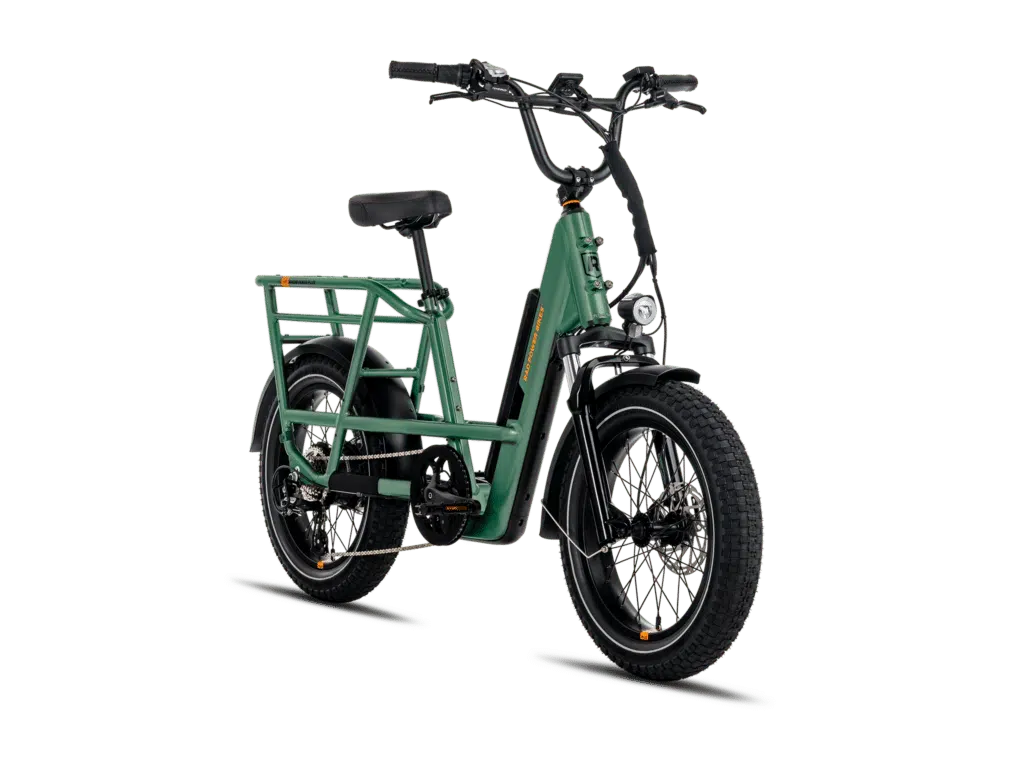
Step-Through Fat Tire E-Bikes
Designed with an open, low-slung frame that eliminates the need to swing your leg over a high top tube, step-through fat tire e-bikes prioritize accessibility and comfort. They are an excellent choice for riders of all ages and ability levels, particularly those who value easy mounting and dismounting.
Despite the ergonomic frame geometry, these bikes sacrifice nothing in terms of performance. They still roll on wide, cushioned tires that absorb road imperfections and deliver a smooth, stable riding experience whether you are running errands around town or cruising along a beachfront path.
Fat Tire Electric Cruiser Bikes
If relaxed rides and head-turning style are high on your priority list, cruiser-style fat tire e-bikes deliver both in abundance. With swept-back handlebars, wide saddles, and an upright riding posture, they are purpose-built for leisurely rides along boardwalks, neighborhood streets, and scenic trails.
The fat tires add an extra dimension of comfort to the already laid-back cruiser geometry, soaking up bumps and cracks so you can focus on enjoying the scenery. These models tend to emphasize style alongside substance, often coming in eye-catching colorways and retro-inspired designs.
Cargo Fat Tire E-Bikes
Need to haul groceries, gear, or even a passenger? Cargo-oriented fat tire electric bikes feature extended frames, reinforced rear racks, and sometimes front-mounted baskets capable of carrying significant loads. The combination of a powerful motor and wide tires makes hauling heavy cargo over varied terrain remarkably practical.
These bikes are increasingly popular with families and urban dwellers looking to reduce car dependency. The fat tires ensure that even a fully loaded bike remains stable and predictable, whether you are navigating a gravel driveway or a bumpy side street.

Key Dimensions & Range of Fat Tire E-Bikes
Understanding the basic specifications helps you compare models and find the right match. Here are the typical measurements and ranges you will encounter when shopping for a fat tire electric bike.
4" – 5"
Tire Width
20" – 26"
Wheel Diameter
500W – 750W
Motor Power
25 – 60 mi
Typical Range
55 – 80 lbs
Average Weight
20 – 28 mph
Top Speed
Range figures depend heavily on riding conditions, assist level, rider weight, terrain, and temperature. Pedal-assist modes generally deliver significantly greater range than pure throttle riding, since the motor shares the workload with your legs. Hilly routes and soft surfaces like sand or snow will reduce range compared to flat pavement.
The Benefits of Fat Tire Electric Bikes
Fat tire e-bikes have surged in popularity for good reason. Here is what makes them stand out from the rest of the electric bike lineup.
Unmatched Traction & Stability
The wide contact patch grips loose, wet, and uneven surfaces far better than standard tires. Sand, gravel, snow, and mud that would stop a regular bike in its tracks become perfectly rideable terrain on fat tires.
Built-In Suspension Effect
Lower tire pressures allow the tires themselves to absorb vibrations and impacts, acting as a natural suspension system. This makes for a remarkably smooth ride even on rough roads and trails, reducing rider fatigue over long distances.
True All-Season Riding
Unlike conventional e-bikes that become impractical in winter conditions, fat tire models let you ride year-round. Their ability to handle icy patches, packed snow, and wet surfaces means your cycling season never has to end.
Accessible to All Skill Levels
The inherent stability of wide tires lowers the barrier to entry for new riders. Combined with electric pedal assist, fat tire e-bikes make cycling approachable for people who might feel intimidated by traditional road or mountain bikes.
Versatile Utility
Whether you are commuting across town, exploring backcountry trails, hauling supplies, or just riding for fun, a single fat tire e-bike can fill multiple roles that might otherwise require different bikes for different purposes.
Disadvantages of Fat Tire Electric Bikes
No bike category is perfect for every scenario. Being aware of the potential drawbacks helps you make a more informed purchase decision.
Heavier Overall Weight: The combination of wider rims, beefier tires, larger frames, and powerful batteries pushes fat tire e-bikes into the 55–80 pound range. This makes them harder to lift onto bike racks, carry up stairs, or maneuver in tight spaces compared to lighter e-bike styles.
Higher Rolling Resistance: More rubber on the road means more friction. On smooth, paved surfaces, fat tires require more energy to maintain speed than narrow tires, which can slightly reduce your range and make pedaling without motor assistance noticeably harder.
Costlier Replacement Tires: When it is time to replace your tires or tubes, expect to pay more than you would for standard bicycle tires. Fat tire tubes and tires are specialty items, and while availability has improved in recent years, they still carry a price premium.
Slower Acceleration on Pavement: The added rotational weight of fat tires means these bikes do not feel as nimble or quick off the line on paved roads. If your primary riding is urban commuting on smooth streets, a lighter e-bike with standard tires may feel more responsive.
Choosing the Right Fat Tire E-Bike for You
Selecting the ideal fat tire electric bike comes down to matching the bike's strengths to your specific riding habits, environment, and priorities. Here are the key factors to weigh during your decision.
Define Your Primary Terrain: If most of your rides take place on rugged trails, sand, or snow, a full-size mountain-style fat tire e-bike with robust suspension will serve you best. For mixed urban and light off-road use, a folding or step-through model offers a more practical balance of portability and performance.
Consider Storage and Transport: Think about where you will keep the bike and how you will transport it. If space is tight — whether in an apartment, garage, or RV — a folding fat tire e-bike dramatically reduces the storage footprint. Full-size models will require more room and a sturdy bike rack for vehicle transport.
Evaluate Motor and Battery Specs: A 750W motor handles hills and heavy payloads with ease, while a 500W motor may suffice for flatter terrain. Similarly, a larger battery (48V 15Ah or above) ensures longer rides between charges — especially important if you plan to rely heavily on throttle mode.
Test the Comfort: Frame geometry, saddle width, handlebar position, and suspension setup all affect how the bike feels over the course of a ride. Upright, relaxed positions suit cruising and commuting, while a more forward-leaning stance may feel better for aggressive trail riding.
Set a Realistic Budget: Quality fat tire e-bikes typically range from about $1,000 to $3,000 for consumer models. Investing in a reliable motor, solid battery, and reputable brand pays off in longevity and safety. Avoid the cheapest options that cut corners on critical components like brakes and battery management systems.
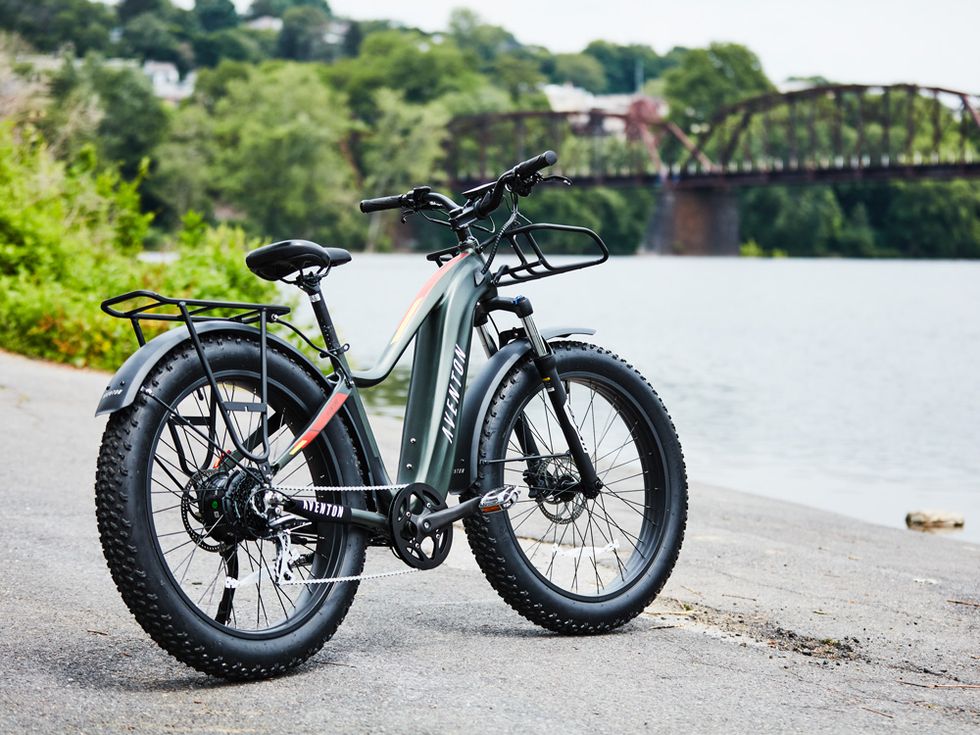
How to Get the Most Out of Your Fat Tire Electric Bike
Owning a fat tire e-bike is just the beginning. A few smart habits will help you maximize performance, extend the lifespan of your components, and get more enjoyment out of every ride.
Dial in Your Tire Pressure: Fat tires thrive at lower pressures, but the ideal PSI varies by surface. Run 8–12 PSI for soft sand and snow, 15–20 PSI for packed trails, and 20–25 PSI for paved roads. Experimenting with pressure adjustments is one of the fastest ways to transform how your bike handles.
Maintain Your Battery: Store your battery at room temperature, avoid letting it fully deplete before recharging, and try to keep the charge level between 20% and 80% for daily use. Following these habits can significantly extend the overall life of your battery pack.
Keep Up With Regular Maintenance: Fat tire e-bikes require the same basic upkeep as any bicycle — chain lubrication, brake adjustments, and bolt checks — plus periodic attention to the electrical connections and firmware. Staying on top of maintenance prevents small issues from becoming expensive repairs.
Use the Right Assist Level: Matching your pedal assist setting to the terrain conserves battery life and gives you a better workout. Use lower assist on flat ground and save the higher settings for climbs and headwinds. This approach balances exercise with efficiency.
Featured Product
ENGWE L20 48V/13Ah 750W Electric Bike
A powerful folding fat tire e-bike built for versatility — tackle trails, commutes, and everything in between with 750W of motor power and a long-lasting 48V battery.

ENGWE L20 Electric Bike →
Fat tire electric bikes open up a world of riding possibilities that conventional bikes simply cannot match. Whether you are drawn to off-road exploration, all-weather commuting, or simply the confidence that comes with riding on wide, stable tires — there is a fat tire e-bike waiting to transform the way you ride. Start exploring the possibilities today.