


 Damage
  Loss
Loss  Theft
Theft 


Electric Bikes That Ride Like a Mini Motorcycle

The line between electric bicycles and motorcycles continues to blur. A new breed of e-bike has emerged that borrows heavily from motorcycle aesthetics — fat tires, chunky frames, wide handlebars, and aggressive silhouettes — all while staying firmly within the legal definition of an electric bicycle. These machines deliver an experience that feels closer to straddling a mini motorcycle than pedaling a traditional bike.
For riders who crave that motorcycle thrill without the licensing headaches, insurance costs, or roaring engines, this category represents the sweet spot. They are practical enough for daily commuting, rugged enough for off-road adventures, and stylish enough to turn heads at every traffic light.
This guide breaks down everything you need to know about motorcycle-style electric bikes — from design philosophy and performance specs to real-world riding impressions and buyer considerations.
Table of Contents
- What Is an Electric Bike That Feels Like a Mini Motorcycle?
- Design Elements That Create the Motorcycle Feel
- Performance Factors: Acceleration, Torque & Speed
- On the Road: Real-World Riding Experience
- Advantages of Choosing a Motorcycle-Style E-Bike
- Comparing Moto E-Bikes with Traditional Commuter Bikes
- Safety & Legal Considerations
- Maintenance Basics for Longevity
- How to Choose the Right Model
- Who Benefits Most from These Bikes?
- Common Myths & Clarifications
- Short Comparison Table: Moto E-Bike vs. Commuter E-Bike
- Final Considerations & Next Steps
- Conclusion
1. What Is an Electric Bike That Feels Like a Mini Motorcycle?
At its core, a motorcycle-style e-bike is still a pedal-assist or throttle-equipped electric bicycle. It meets the same wattage and speed limitations as any other e-bike in its classification. The difference lies entirely in how it looks, feels, and rides. These bikes draw heavily from the cafe racer and scrambler motorcycle traditions, wrapping an electric drivetrain inside a frame that screams two-wheeled rebellion.
The riding posture is typically more upright and commanding. The seat sits lower and wider. Handlebars sweep back or out rather than curving forward. Every detail — from the headlight shape to the fender profile — is deliberately chosen to evoke the spirit of a motorcycle without crossing regulatory boundaries.
These are not novelty products. Serious engineering goes into making them road-worthy, comfortable, and dependable for everyday use. Think of them as the point where cycling convenience meets motorcycle attitude.
2. Design Elements That Create the Motorcycle Feel
Frame and Stance
The frame is where the illusion begins. Motorcycle-style e-bikes use thicker tubing, step-through or low-slung geometry, and aggressive angles that give the bike a planted, muscular stance even while parked. Many incorporate exposed welds and matte finishes that add a raw, industrial edge to the overall look.
Seat and Ergonomics
Unlike conventional bicycle saddles, these e-bikes often feature elongated, cushioned seats that can accommodate a passenger. The seating position places the rider in a slightly reclined, confident posture — closer to how you would sit on a cruiser motorcycle than a road bike. This ergonomic choice is a major contributor to the overall feel and riding comfort.
Handlebars and Controls
Wide, swept-back handlebars give riders a commanding grip and greater leverage for steering. The controls are typically motorcycle-inspired as well, with thumb throttles, integrated displays, and brake levers positioned for ergonomic access. Some models even incorporate mirrors and turn signals directly into the handlebar assembly.
Wheels, Tires, and Suspension
Fat tires — usually in the 20-inch by 4-inch range — are a hallmark of this category. They provide a wider contact patch, better stability at speed, and the visual bulk that helps sell the motorcycle aesthetic. Many models pair these tires with front fork suspension or even dual suspension systems, absorbing bumps and delivering the kind of planted ride quality you would expect from a motorized vehicle.

3. Performance Factors: Acceleration, Torque & Speed
What truly separates motorcycle-style e-bikes from standard commuter models is the visceral sense of power delivery. Motors in the 500W to 750W range (with some off-road models exceeding 1000W) produce instant torque that pins you back into the seat when you twist the throttle. The acceleration from a standstill is snappy, responsive, and undeniably exciting.
Top speeds typically range from 20 mph for Class 2 models to 28 mph for Class 3 configurations. While that might sound modest compared to actual motorcycles, on a vehicle weighing between 60 and 80 pounds with fat tires gripping the pavement, it genuinely feels fast. Hill-climbing ability is another area where these bikes shine, with high-torque hub motors powering through inclines that would leave standard e-bikes struggling.
Battery capacity matters here too. Most motorcycle-style e-bikes pack 48V batteries with 10Ah to 20Ah capacities, translating to real-world ranges of 25 to 60 miles depending on terrain, rider weight, and assist level. The larger battery packs also contribute to the overall heft, which adds to that grounded, substantial ride feel.
4. On the Road: Real-World Riding Experience
The first thing you notice when you throw a leg over one of these bikes is the stance. Your feet plant flat on the ground. Your hands wrap around wide bars. The display glows to life. Twist the throttle and there is an immediate, silent surge forward — no chain rattle, no engine vibration, just smooth electric torque pushing you into traffic.
At cruising speed, the fat tires hum softly against the asphalt. Bumps and cracks that would rattle a traditional bike barely register through the suspension. The low center of gravity makes cornering intuitive, and the extra weight provides a stability that breeds confidence, especially for newer riders who might feel twitchy on lighter, more nimble machines.
Off-road, these bikes transform into capable trail machines. The fat tires dig into loose gravel and sand, the suspension soaks up roots and rocks, and the torquey motor pulls you up grades that would be impossible on pedal power alone. It is not quite a dirt bike experience, but it is remarkably close for something you can legally ride on most public trails.
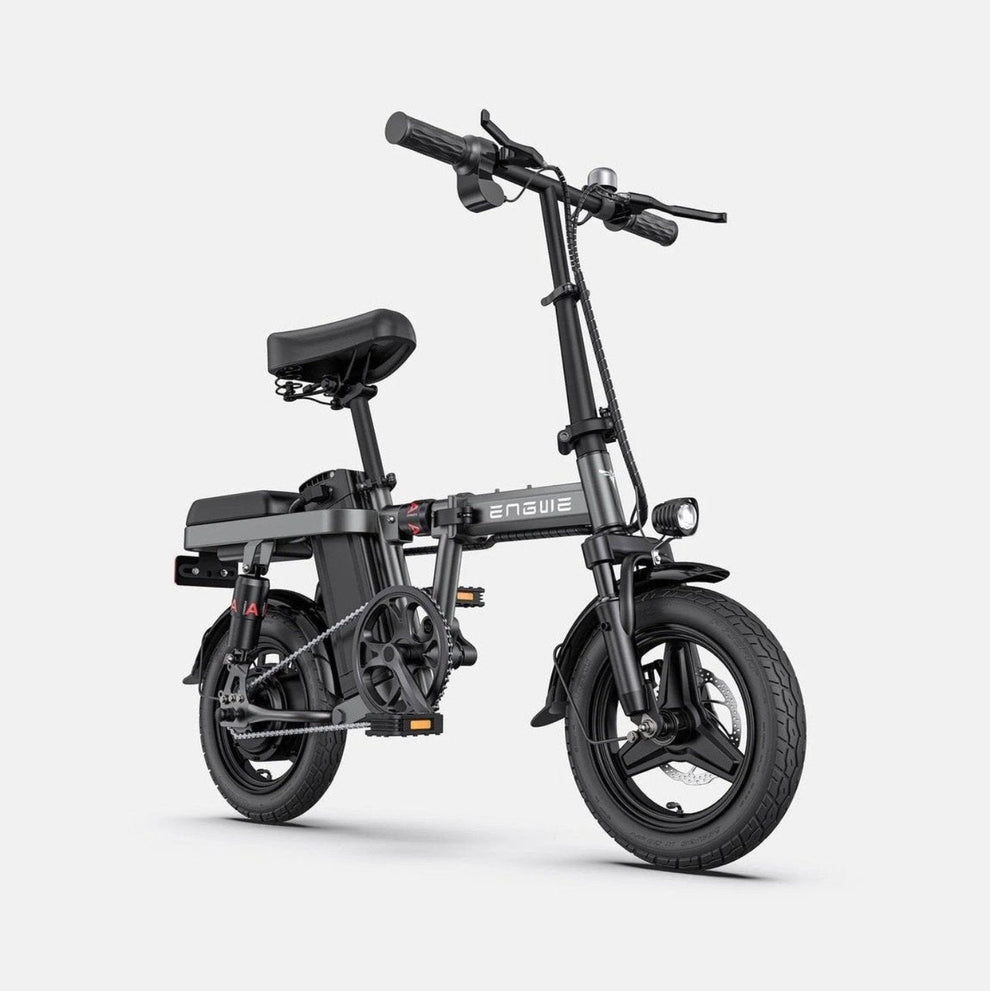
ENGWE T14 — 48V/10Ah 350W Electric Mini Bike
Compact, foldable, and packed with enough power for urban commuting and weekend trail rides. A perfect entry point into the motorcycle-style e-bike world.
Shop ENGWE T145. Advantages of Choosing a Motorcycle-Style E-Bike
Strong Presence Without the Paperwork
You get the look and attitude of a motorcycle without needing a motorcycle license, registration, or insurance in most jurisdictions. This alone makes them enormously appealing to riders who want the experience without the bureaucratic overhead.
Superior Comfort on Longer Rides
The wider seats, better suspension, and upright riding position make these bikes significantly more comfortable over long distances than traditional e-bikes. Riders who use their bikes for commutes exceeding 10 miles often cite comfort as the single biggest reason for choosing a motorcycle-style model.
Versatility Across Terrain
Fat tires and suspension make these bikes genuinely capable on mixed surfaces. Commute on pavement during the week, hit the trails on weekends — one bike handles both with ease. That kind of versatility is rare and valuable.
Head-Turning Style
There is no way around it — these bikes attract attention. Whether parked outside a coffee shop or rolling through a neighborhood, the motorcycle-inspired design draws looks and questions. For riders who see their bike as an extension of their personality, that matters.
6. Comparing Moto E-Bikes with Traditional Commuter Bikes
Understanding the differences helps you decide which style fits your lifestyle. Traditional commuter e-bikes excel in lightweight efficiency and portability. Motorcycle-style models trade some of that nimbleness for presence, comfort, and all-terrain capability.
Portability and Storage
Commuter e-bikes typically weigh between 40 and 55 pounds, making them easier to carry upstairs or load onto a bike rack. Motorcycle-style models range from 60 to 85 pounds, which means you will want ground-level storage and a sturdier rack. Some foldable models like the ENGWE T14 help bridge this gap by combining the moto aesthetic with compact portability.
Comfort and Ride Quality
For short urban hops, a lightweight commuter is perfectly adequate. For anything beyond five miles, or for riding on imperfect surfaces, the motorcycle-style bike's superior suspension, wider tires, and better seating make a noticeable difference in fatigue and overall enjoyment.
Cost Considerations
Motorcycle-style e-bikes generally cost more than basic commuter models due to heavier frames, larger batteries, and more sophisticated suspension systems. However, compared to the cost of owning and operating an actual motorcycle, they represent extraordinary value. No fuel costs, no insurance premiums, and minimal maintenance requirements keep the total cost of ownership remarkably low.
7. Safety & Legal Considerations
Classification Awareness: Most motorcycle-style e-bikes are classified as Class 2 (throttle-assisted, 20 mph max) or Class 3 (pedal-assist, 28 mph max). Know your local regulations, as some jurisdictions restrict where Class 3 bikes can be ridden.
Helmet Requirements: Even where helmets are not legally required for e-bike riders, wearing one is strongly recommended. At 20+ mph, the consequences of a fall are serious. A DOT-certified half helmet complements the motorcycle aesthetic while protecting your head.
Visibility Equipment: Integrated lights, reflective elements, and mirrors are not just accessories — they are essential safety equipment. Many motorcycle-style e-bikes come with these features built in, but verify before purchasing.
Insurance Considerations: While most e-bikes do not require insurance, some homeowner or renter policies can be extended to cover theft or liability. Given the higher price point of motorcycle-style models, this coverage is worth investigating.
8. Maintenance Basics for Longevity
Battery Care: Store and charge the battery in a cool, dry environment. Avoid letting it drain completely to zero — most lithium-ion packs last longest when kept between 20% and 80% charge during routine use. A full charge-and-drain cycle once a month helps calibrate the battery management system.
Tire Pressure: Fat tires run at lower pressures than standard bike tires, usually between 10 and 20 PSI depending on terrain. Check pressure weekly. Under-inflated tires drain battery faster and reduce handling precision. Over-inflated tires sacrifice grip and comfort.
Brake Inspection: Motorcycle-style e-bikes are heavier and faster than standard bikes, which means brakes work harder. Inspect pads monthly and replace them before they wear past the minimum indicator line. Hydraulic disc brakes, common on these models, also need periodic fluid checks.
Chain and Drivetrain: Clean and lubricate the chain every 200 to 300 miles. A dirty chain accelerates wear on the sprockets and reduces pedaling efficiency. If your model uses a belt drive, maintenance requirements drop significantly, but periodic tension checks remain important.
9. How to Choose the Right Model
Selecting the right motorcycle-style e-bike comes down to four key factors: intended use, range requirements, physical fit, and budget. Riders who plan primarily urban commuting should prioritize battery range and integrated safety features. Trail-focused riders should look for robust suspension, knobby tires, and higher torque motors.
Physical fit is often overlooked but critically important. Seat height, handlebar reach, and overall weight distribution all affect how confident you feel on the bike. If possible, test ride before committing. At minimum, check the manufacturer's recommended height and weight ranges against your own measurements.
Budget should account for accessories as well. A quality helmet, a sturdy lock, and possibly a phone mount or cargo rack add to the initial investment but are essentially non-negotiable for daily riders.
10. Who Benefits Most from These Bikes?
Motorcycle-style e-bikes are not for everyone, but their appeal spans a surprisingly wide demographic. Urban commuters who want a faster, more enjoyable alternative to public transit find them transformative. Weekend adventurers who split time between pavement and trails get a genuine two-in-one machine. Older riders or those returning to cycling after a long break appreciate the stability, comfort, and throttle assist that takes the pressure off the pedals.
Motorcycle enthusiasts who want a low-cost, low-maintenance option for short trips and errands also gravitate toward these bikes. They deliver enough of the motorcycle experience to scratch the itch without the fuel costs, parking challenges, or gear requirements of a full-size machine.
11. Common Myths & Clarifications
“They require a motorcycle license.”
False in most jurisdictions. As long as the bike meets the wattage and speed limits for its e-bike classification, no motorcycle license is needed. Always check local laws to confirm.
“They are too heavy to pedal.”
While heavier than standard bikes, the motor assist compensates entirely. Even at the lowest assist setting, pedaling a 70-pound e-bike feels comparable to pedaling a 35-pound traditional bike. Without assist, yes, they are a workout — but that is not their intended use case.
“Fat tires wear out quickly.”
Quality fat tires from reputable manufacturers last between 2,000 and 4,000 miles under normal use. The wider contact patch actually distributes wear more evenly than narrow tires in many cases.
“They are just toys.”
Far from it. These are legitimate transportation devices used daily by thousands of commuters. The motorcycle styling is a design choice, not an indication of reduced functionality or capability.
12. Short Comparison: Moto E-Bike vs. Commuter E-Bike
| Feature | Motorcycle-Style E-Bike | Traditional Commuter E-Bike |
|---|---|---|
| Weight | 60 – 85 lbs | 40 – 55 lbs |
| Tire Width | 3.0″ – 4.0″ fat tires | 1.5″ – 2.5″ standard |
| Suspension | Front fork or dual suspension | Minimal or none |
| Seating | Wide, cushioned, dual-rider capable | Standard bicycle saddle |
| Best For | Mixed terrain, long rides, style | Short commutes, portability |
| Riding Position | Upright, commanding | Forward-leaning or upright |
| Price Range | $800 – $3,000+ | $500 – $2,000 |
13. Final Considerations & Next Steps
Choosing between a motorcycle-style e-bike and a traditional commuter comes down to priorities. If speed, comfort, visual impact, and off-road capability rank high on your list, the motorcycle-style option delivers on all counts. If portability and minimal weight matter most, a traditional commuter might serve you better.
Before purchasing, research your local e-bike regulations to ensure the model you are considering is street-legal in your area. Check battery warranty terms, read rider reviews for real-world range data, and confirm that replacement parts are readily available. A well-chosen motorcycle-style e-bike should deliver years of reliable service with minimal upkeep.
For riders looking for a compact, budget-friendly entry point into this category, foldable models with 48V systems and 350W motors offer a surprisingly capable starting platform that handles urban commuting and light trail use with equal confidence.
Conclusion — Why Now Is a Great Time to Consider One
The electric bike market has matured rapidly, and motorcycle-style models now offer a level of quality, reliability, and value that was unthinkable just a few years ago. Battery technology has improved, motor efficiency has increased, and frame engineering has become more refined. The result is a category of vehicles that genuinely delivers on the promise of motorcycle-like riding without the associated costs and complications.
Whether you are a seasoned cyclist looking for something with more personality, a motorcycle lover who wants a lighter and simpler alternative, or someone who simply wants a fun and practical way to get around town, there has never been a better time to explore what these bikes have to offer.
The road is open. The throttle is waiting. All you have to do is twist it.
Ready to Experience the Ride?
Explore the ENGWE T14 — a foldable, 48V electric mini bike built for everyday adventures.
Shop ENGWE T14FAQ
Do I need a license to ride a motorcycle-style e-bike?
In most US states and many countries, no. As long as the bike meets local e-bike classification limits for motor wattage and top speed, no license is required. Always verify the specific regulations in your area.
How far can a motorcycle-style e-bike go on one charge?
Range varies by battery capacity, terrain, rider weight, and assist level. Most models with a 48V/10Ah battery deliver between 25 and 40 miles per charge. Larger batteries can extend this to 60 miles or more.
Are these bikes suitable for off-road use?
Yes. Fat tires, suspension systems, and high-torque motors make most motorcycle-style e-bikes capable on gravel, dirt trails, sand, and packed earth. They are not intended for extreme mountain biking, but they handle recreational trail riding with ease.
Can motorcycle-style e-bikes carry a passenger?
Some models with elongated seats and higher weight capacities are designed for two riders. However, always check the manufacturer's maximum weight rating and ensure the frame and brakes are rated for dual-rider use before carrying a passenger.