


 Damage
  Loss
Loss  Theft
Theft 


Ebike vs. Regular Bike: What's the Difference?
If you're new to cycling or have recently decided to pick it back up after a long break, the sheer number of choices available today can feel daunting. Bicycles have evolved dramatically over the years, and electric bikes have become a fantastic entry point for many riders. So what exactly is an ebike, and how does it stack up against a traditional bicycle? In this article we'll walk through every meaningful distinction—from design and mechanics to speed, maintenance, regulations, and overall riding feel—so you have everything you need to make a confident decision.
Key Differences at a Glance
- Powertrain: Ebikes include a motor, battery, and controller; standard bikes rely purely on human effort.
- Battery: A rechargeable battery can supplement your pedaling for an average range that covers most daily rides.
- Pedal Assist & Throttle: Riders choose how much help they want—from a gentle boost to nearly full motor power.
- Speed: Ebikes can reach higher cruising speeds with less physical effort, though regulations set top limits.
- Gear System: Many ebikes feature multi-gear drivetrains that let you fine-tune the riding experience on varying terrain.

Appearance & Mechanics
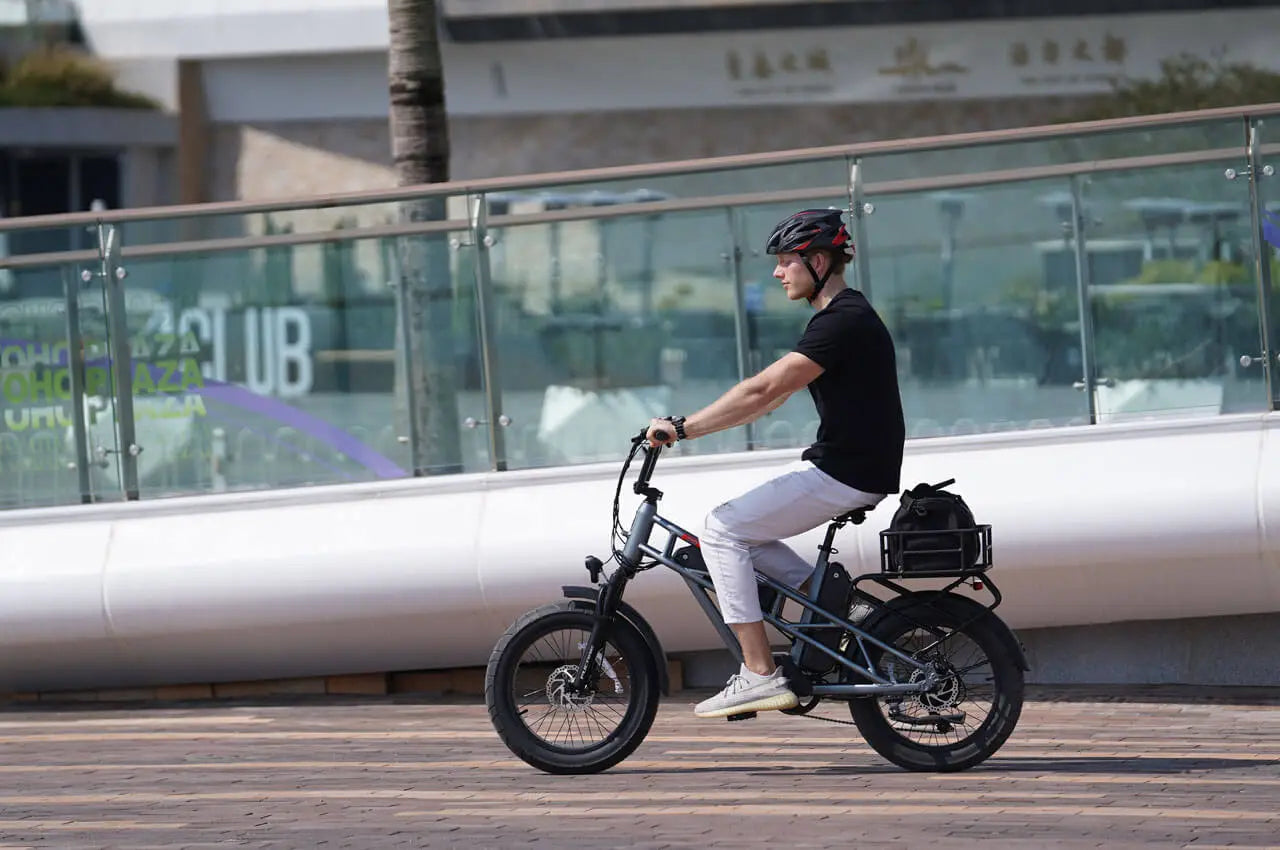
At first glance an electric bike and a conventional bicycle look remarkably similar. There's a widespread assumption that ebikes resemble scooters, but in reality they share the same fundamental silhouette—two wheels, handlebars, a frame, and a seat. The crucial distinction lives in the electrical drive system tucked into the frame: a motor, a battery pack, a controller, and often a small display screen. The motor delivers assistive power while pedaling, helping to propel the bike forward with less rider exertion.
Beyond that, the rest of the components are virtually identical. Both types of bike use the same spoke-and-rim wheels, the same style of handlebars, and the same braking mechanisms. Pedals, chains, and gears operate in precisely the same fashion regardless of whether a motor is present.
Maintenance & Repairs
Because most of the mechanical hardware is shared between the two styles, day-to-day upkeep is nearly the same. Tightening bolts, lubricating the chain, adjusting brakes, and inflating tires are tasks common to both. You can bring a standard or an electric bike to the same local repair shop for routine servicing without any issue.
The one exception involves the electrical system itself. If the motor, battery, or controller develops a fault, you'll want to visit a specialist or rely on the manufacturer's warranty—most reputable ebike brands offer solid coverage for these components.
Riding Experience
This is what most prospective buyers want to know: how does riding an ebike actually feel compared to a traditional bicycle? Truthfully, the answer might surprise you—riding an electric bike is still very much like riding any other bike. You climb on, start pedaling, and the motor assistance kicks in so gently that you hardly notice the transition. The core sensation of cycling remains intact; the ebike simply removes a layer of strain.
You can also dial the pedal assist down—or turn it off entirely—and ride on leg power alone whenever you feel like a workout. If you set the assist to a moderate or low level, your legs will still do the majority of the work, but you'll glide through pedal strokes more fluidly and cover ground with noticeably less fatigue.
"An ebike doesn't replace the joy of cycling—it amplifies it. You still pedal, you still feel the road, but hills and headwinds lose their power to discourage you."
Speed
Does the electric motor translate into faster rides? Absolutely. With motor assistance, ebikes make it simpler and quicker to reach and hold higher speeds than you might on a regular bicycle. Most models can propel riders at up to 20 mph, while some Class 3 variants push that to around 28 mph. However, it's worth noting that if you're already a strong cyclist, the motor won't add dramatic extra speed—it mainly smooths out the effort needed to maintain a brisk pace.
Beyond pure velocity, electric bikes excel at making you feel faster because they reduce pedaling fatigue. You can maintain your peak energy output for longer stretches, and the assist keeps your cadence efficient. At the end of the day, however, these bicycles are primarily designed for comfortable, steady cruising rather than setting land-speed records.
Rules & Regulations
A frequent concern among new riders is whether ebikes are subject to special legal requirements. Both electric and traditional bicycles are governed by transportation regulations, but the rules differ. Standard bikes must follow general cycling laws—lane usage, signaling, and so on—while ebikes also face speed and power limitations that vary by jurisdiction.
In the United States, electric bicycles are typically grouped into three classes. Class 1 and Class 2 models are the most widely accepted and can be ridden almost anywhere a regular bicycle is permitted. Class 3 bikes, which reach higher speeds, may face additional restrictions depending on your state or municipality. Some areas require helmets, set minimum age thresholds, or limit where faster ebikes may operate. Always check your local laws before purchasing to make sure the model you choose is fully street-legal in your area.
Which Bike Is Right for You?
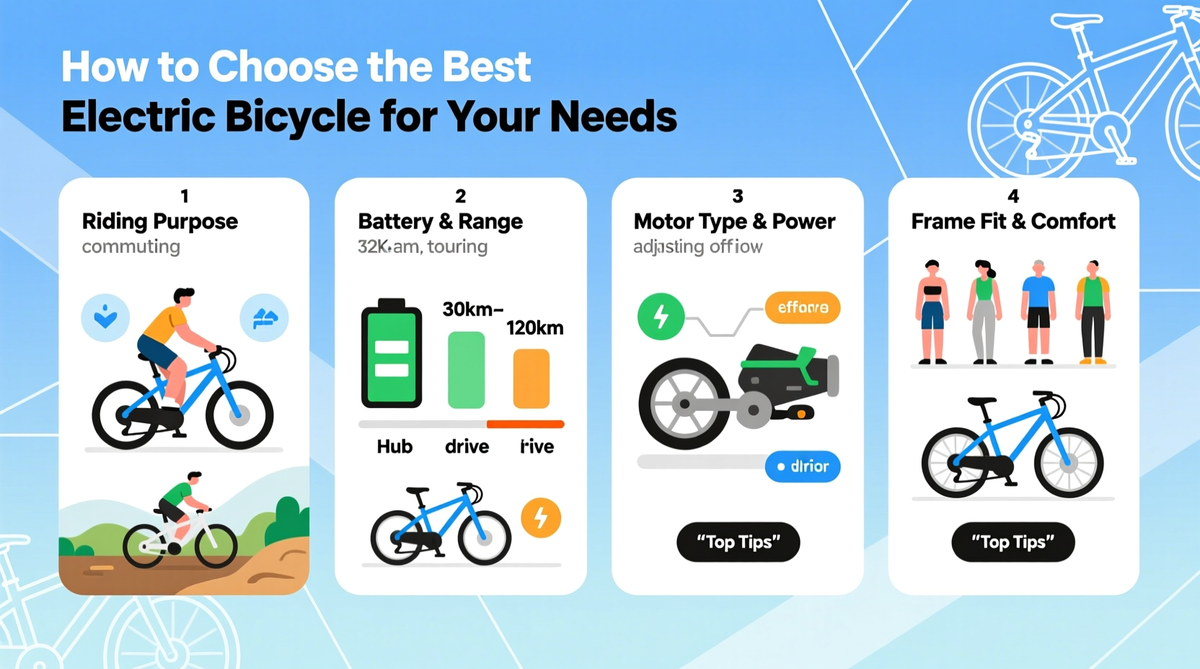
The best choice ultimately depends on how you plan to ride. If you're eyeing long-distance commuting or touring, an electric bike can dramatically reduce fatigue and make the journey enjoyable rather than exhausting. The motor assistance is also a game-changer for hilly terrain, helping you tackle steep climbs without arriving drenched in sweat.
On the other hand, if you're purely after a fitness-focused ride and prefer to rely entirely on your own power, a conventional bicycle remains a fantastic option. Many riders also find that an ebike still delivers a solid workout when the assist level is set low—so you don't have to choose between convenience and exercise.
If you're looking for a versatile, compact electric ride that handles urban commutes and casual trails with ease, consider the option below. It packs real power into a portable frame, making it an excellent starting point for anyone exploring the world of ebikes.
Whether you go electric or stick with tradition, the most important thing is getting out and riding. Cycling is one of the most accessible, enjoyable, and healthy activities for people of every age and fitness level. We're here to help you find the perfect ride—happy cycling!
© Backyard Provider — Your Outdoor Living Destination