


 Damage
  Loss
Loss  Theft
Theft 


Bright Room? Here's How to Choose the Brightest Projector
Projectors are a fantastic way to bring movies, presentations, gaming, or a big-screen sports afternoon into your space. But rooms bathed in sunlight or lit by overhead fixtures can work against you. To keep your picture crisp and colorful, you need a projector with enough brightness to push through that ambient light without looking washed out.

This guide walks you through exactly how to pick the brightest projector for a well-lit environment, explains the real difference between ANSI lumens and regular lumens, and covers the accessories that help you squeeze maximum performance out of your setup.
Why Brightness Matters in Projectors
Brightness is measured in lumens, and it's the single biggest factor in how well a projector performs under room lighting. A dim projector used in a sunny room will simply look gray and washed out — the image is technically there, but the detail is lost.
The fix is straightforward: match your lumen output to your room's light levels. A higher-lumen projector gives you:
- Sharper visuals — stronger output cuts through ambient glare and preserves picture detail.
- Truer color — higher brightness maintains contrast and vibrance, even with the sun pouring in.
- More flexibility — use the projector in living rooms, classrooms, or offices without blacking everything out first.
Understanding ANSI Lumens vs Lumens
Here's where spec sheets get tricky. Not every lumen rating is calculated the same way, and manufacturers sometimes inflate their numbers, making it hard to compare projectors apples to apples.
ANSI Lumens: A standardized measurement that reflects true, real-world brightness you can count on.
Regular Lumens: Often exaggerated marketing figures that aren't verified against a standard, so they can look better on paper than in your living room.
Quick rule of thumb: 1,000 ANSI lumens is roughly equal to 3,000+ regular lumens. Always look for the ANSI spec when comparing models.
How Many Lumens Do You Need for a Bright Room?
To beat ambient light, match your projector's brightness to the room. Use this as a starting point:
| Environment | Recommended ANSI Lumens | Regular Lumens Equivalent |
|---|---|---|
| Dark Room (Home Theater) | 500 – 1,000 ANSI | 1,500 – 3,000 lumens |
| Dim-Lit Room | 1,000 – 2,000 ANSI | 3,000 – 6,000 lumens |
| Bright Room (Daylight) | 2,500+ ANSI | 7,500+ lumens |
If you're planning to use your projector in a sunlit living room, home office, or open space, aim for at least 2,500 ANSI lumens for a clean, readable picture.
Best Types of Projectors for Bright Spaces
When you're shopping specifically for brightness, three projector types stand out:
1. Laser Projectors
The best overall for bright rooms.
- Very high brightness: typically 3,000 – 5,000+ ANSI lumens.
- Superior color accuracy: holds vibrant tones even in daylight.
- Long-lived: laser light sources last 20,000+ hours.
- Zero warm-up time: hits full brightness instantly.
2. LED Projectors
Efficient and low-maintenance.
- Long lifespan: LEDs run strong past 30,000 hours.
- Moderate brightness: usually 700 – 1,500 ANSI, so not ideal for very bright daylight.
- Compact and portable: perfect for small rooms and casual use.
3. DLP Projectors
Strong image sharpness.
- Solid brightness: ranges from 1,500 – 3,500 ANSI lumens.
- High contrast ratios: sharp, detailed images.
- Compact and lightweight: easy to install or move between rooms.
Accessories for a Bright Room Setup
Pairing the right projector with the right accessories is what takes a good bright-room image to a great one. Consider adding these essentials:
High-Gain ALR Projector Screen
An Ambient Light Rejecting (ALR) screen bounces projector light back toward you while deflecting light coming in from windows or overhead fixtures. For bright-room use, a gain in the 1.3 – 2.0 range delivers the best results.
 Upgrade Your Viewing Experience
Pair your setup with a professional-grade 3LCD projector engineered for large venues, high ambient light, and demanding environments where image quality can't be compromised.
Shop Epson PowerLite 5535UProjector Stand for Perfect Positioning
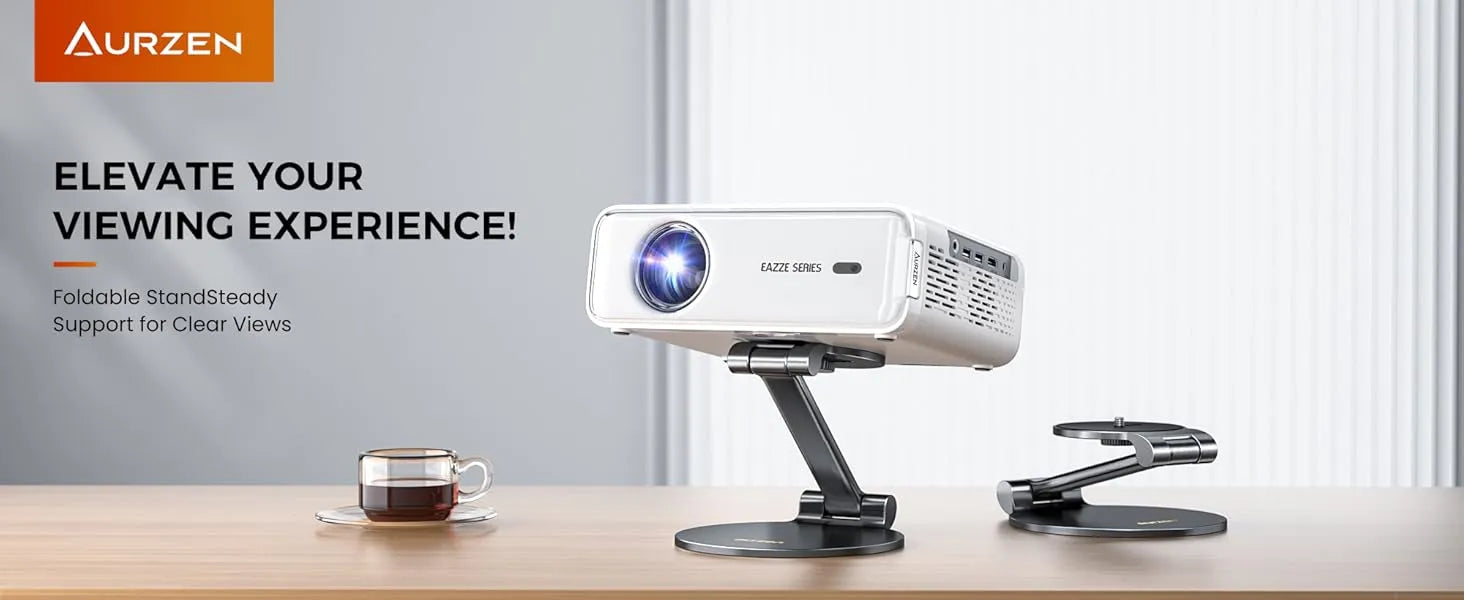
A stable stand keeps your projector locked in at the right height and angle for an ideal throw. If you move your projector around — between rooms, patios, or event setups — an adjustable, portable stand gives you flexibility without compromising picture alignment.
External Speakers for Better Audio
Built-in projector audio often falls short in larger or louder bright rooms. A Bluetooth speaker or small soundbar drops in easily and transforms how the whole setup feels during a movie or presentation.
Final Thoughts
Picking a projector for a bright room comes down to brightness first, then everything else. Laser projectors with high ANSI lumen ratings deliver the strongest results by a wide margin, keeping visuals crisp and color-accurate even when sunlight is streaming in. Round out the setup with an ALR screen, a solid stand, and external speakers, and you'll have a bright-room viewing experience that genuinely competes with a darkened theater.
FAQ: Choosing a Projector for Bright Rooms
Q1: What is the brightest type of projector?
Laser projectors take the crown, with high-end units pushing well past 4,000 ANSI lumens.
Q2: How many lumens do I need for a bright room?
For daytime use, look for at least 2,500 ANSI lumens (or roughly 7,500+ regular lumens) to keep the picture sharp.
Q3: Are LED projectors good for daylight?
Most LED projectors sit between 500 and 1,500 ANSI lumens, which is usually on the dim side for bright rooms.
Q4: What's the difference between ANSI lumens and regular lumens?
ANSI lumens are standardized and reliable, while regular lumens can be inflated by manufacturers. Always compare based on ANSI where possible.
Q5: Can I improve brightness with a projector screen?
Yes — a high-gain ALR screen meaningfully improves both brightness and contrast in well-lit environments.
Read More
- Best Bedroom Projectors for Small Spaces: Top Picks for Compact Home Theaters
- Smart Home Projector Setup: How to Optimize Your Home Theater
- How to Watch Netflix with a Firestick on Your Projector
- Valentine's Day Gifts for Tech Lovers: Top Projectors
- Valentine's Day Movie Night: Best Portable Projectors