


 Damage
  Loss
Loss  Theft
Theft 


Chop Saw vs Miter Saw Explained
Deciding between a chop saw and a miter saw can feel confusing, especially when the terms get tossed around as if they mean the same thing. While these two saws share a similar drop-down cutting motion, they serve very different purposes. One excels at slicing through steel and iron, while the other is built for precision woodworking with angled cuts. Understanding the distinction saves you money, time, and frustration on every project.
In this guide we break down every meaningful difference — from blade types and cutting angles to hybrid options and sliding mechanisms — so you can pick the right tool for your workshop or job site.
Key Differences Between the Chop Saw & Miter Saw
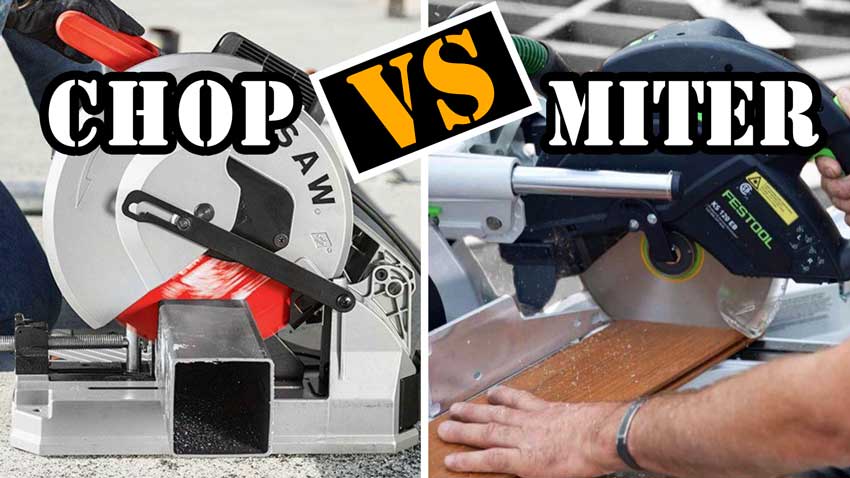
At first glance, chop saws and miter saws look like close relatives. Both rely on a hinged arm that drops a spinning blade down onto the workpiece. But that is where the family resemblance ends. A chop saw is a workhorse designed to cut metal stock — rebar, angle iron, steel pipe, and similar materials — using an abrasive or cold-cut blade. It makes straight 90-degree crosscuts and nothing else.
A miter saw, on the other hand, is a precision woodworking tool. It can pivot left and right to create angled miter cuts, and many models also tilt for bevel cuts. This makes it indispensable for trim carpentry, picture frames, deck building, and any job where angles matter more than raw power.
| Feature | Chop Saw | Miter Saw |
|---|---|---|
| Primary Material | Metal (steel, iron, rebar) | Wood, composites, trim |
| Cut Angles | Straight 90° only | Miter + bevel angles |
| Blade Type | Abrasive disc or cold-cut | Carbide-tipped tooth blade |
| Speed (RPM) | 3,800 – 4,000 RPM | 3,200 – 5,000+ RPM |
| Precision | Moderate | High (fine woodworking) |
| Best For | Fabrication, plumbing, framing | Trim, molding, furniture |
Chop Saw Features
Chop saws are built for raw cutting power. They typically spin a 14-inch abrasive disc at roughly 3,800 RPM to gnaw through metal stock quickly. The machine is fixed in one orientation — straight down — which means you get clean 90-degree cuts but no angular adjustment whatsoever. That simplicity is actually a strength on busy job sites: fewer moving parts mean less to break and faster setup.
Most chop saws include a sturdy vise clamp to lock material in place during cutting, a spark guard, and a generous depth of cut that can handle large-diameter pipe and thick structural steel. They tend to be heavier and louder than miter saws, and the abrasive cutting process throws a lot of sparks, so safety gear is non-negotiable.

Miter Saw Features
Where the chop saw is all brute force, the miter saw is about finesse. The rotating base allows you to swing the blade to virtually any angle between 0 and roughly 50 degrees in both directions. Compound miter saws add a tilting head for bevel cuts, letting you create those complex two-plane angles that crown molding and picture frames demand.
Blade sizes range from 7¼ inches on compact models up to 12 inches on full-size units. Carbide-tipped teeth deliver remarkably clean cuts in softwood, hardwood, MDF, and even aluminum extrusion when you choose the right tooth count. Most miter saws also include laser guides or LED shadow lines for pinpoint accuracy.

Chop Saws vs Miter Saws for Metal — Hybrid Miter Saws
Here is where things get interesting. A newer breed of "multi-material" or hybrid miter saws can cut both wood and mild steel by using specialized carbide-tipped blades designed for metal. These machines run at a lower RPM than standard woodworking miter saws, which reduces heat buildup and allows the carbide teeth to shear through steel cleanly instead of grinding through it.
Hybrid miter saws give you the angular versatility of a traditional miter saw with the ability to handle metal — a combination that dedicated chop saws simply cannot match. They are a fantastic option for contractors and serious DIYers who work with multiple materials on the same project, such as steel-framed buildings with wood trim, or mixed-material deck construction.
The trade-off is cutting capacity. Hybrid miter saws typically top out at smaller cross-sections of metal compared to a purpose-built 14-inch chop saw, and the specialized blades cost more. But for many shops, the convenience of one saw doing double duty is worth every penny.
Chop Saw vs Miter Saw Blades — Abrasive, Diamond & Carbide
Chop Saw Abrasive Cutting Wheels
The most common chop saw blade is an abrasive cut-off wheel — essentially a thin disc of bonded aluminum oxide grit. These wheels are inexpensive and effective for straight cuts through mild steel, angle iron, and rebar. The downside is that they wear down quickly, produce heavy sparks and metal dust, generate a lot of heat at the cut line, and leave a rough edge that usually needs deburring.
Chop Saw Diamond Cutting Wheels
Diamond wheels are the premium choice for cutting harder metals, stainless steel, and masonry products. They last significantly longer than abrasive wheels and produce less heat, which means cleaner cuts and less material distortion. The initial cost is higher, but the extended lifespan often makes them more economical over time for professionals who cut daily.
Chop Saw Carbide Tooth Blades
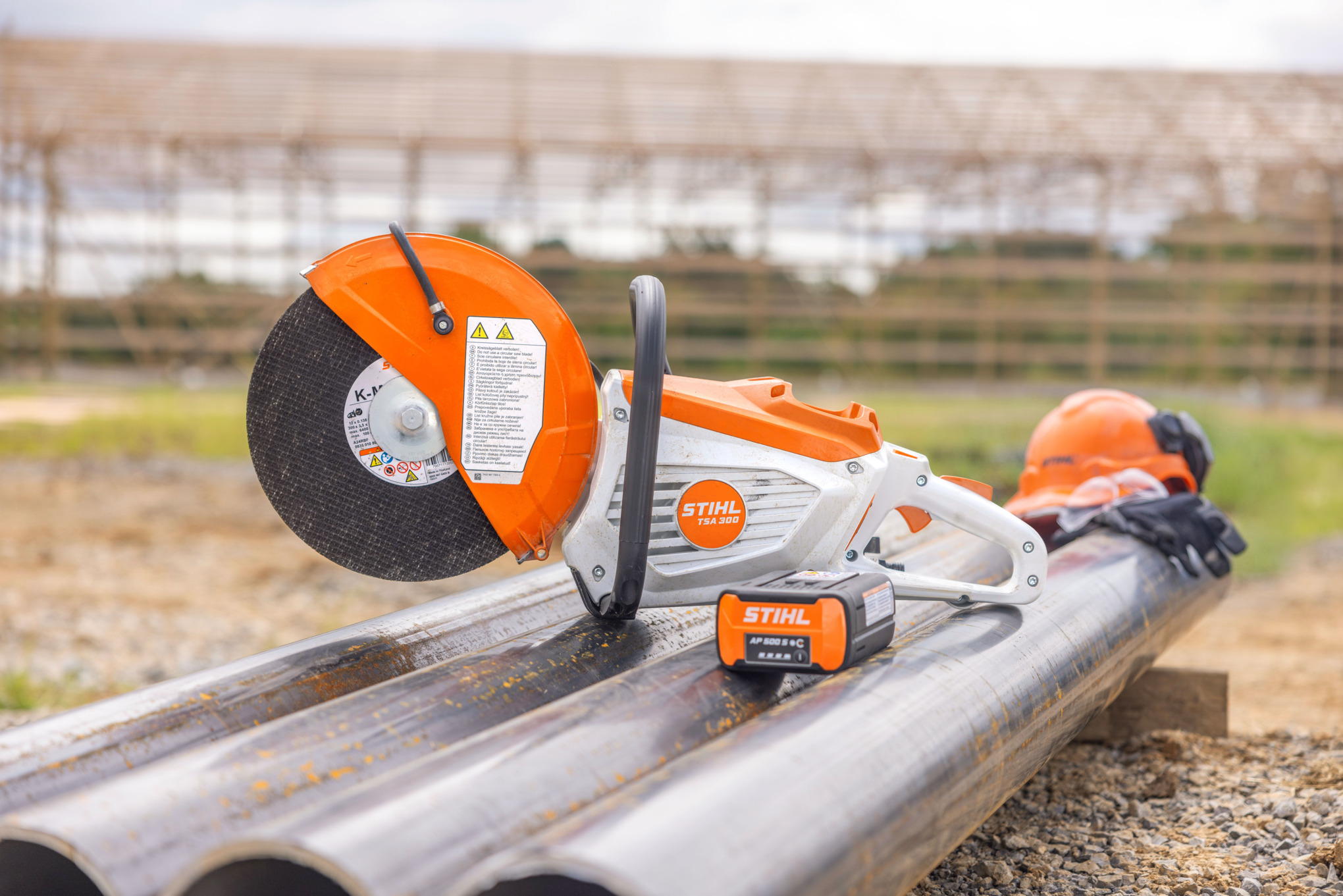
Cold-cut carbide tooth blades represent the modern evolution of metal cutting. Instead of grinding, each tooth shears a small chip of metal — much like how a circular saw cuts wood. The result is a cool, burr-free edge, minimal sparks, and far less noise. These blades are what make hybrid miter saws possible, and they are also available in 14-inch sizes for dedicated chop saws.
Miter Saw Carbide Tooth Blades
Standard miter saw blades use carbide-tipped teeth engineered for wood and wood composites. The tooth count determines the finish quality: fewer teeth (24T) rip through framing lumber fast, while higher tooth counts (60T–80T) produce glass-smooth crosscuts in hardwood and laminate. Choosing the right blade for the job prevents tear-out and dramatically improves your end results.

Chop Saw vs Sliding Miter Saws
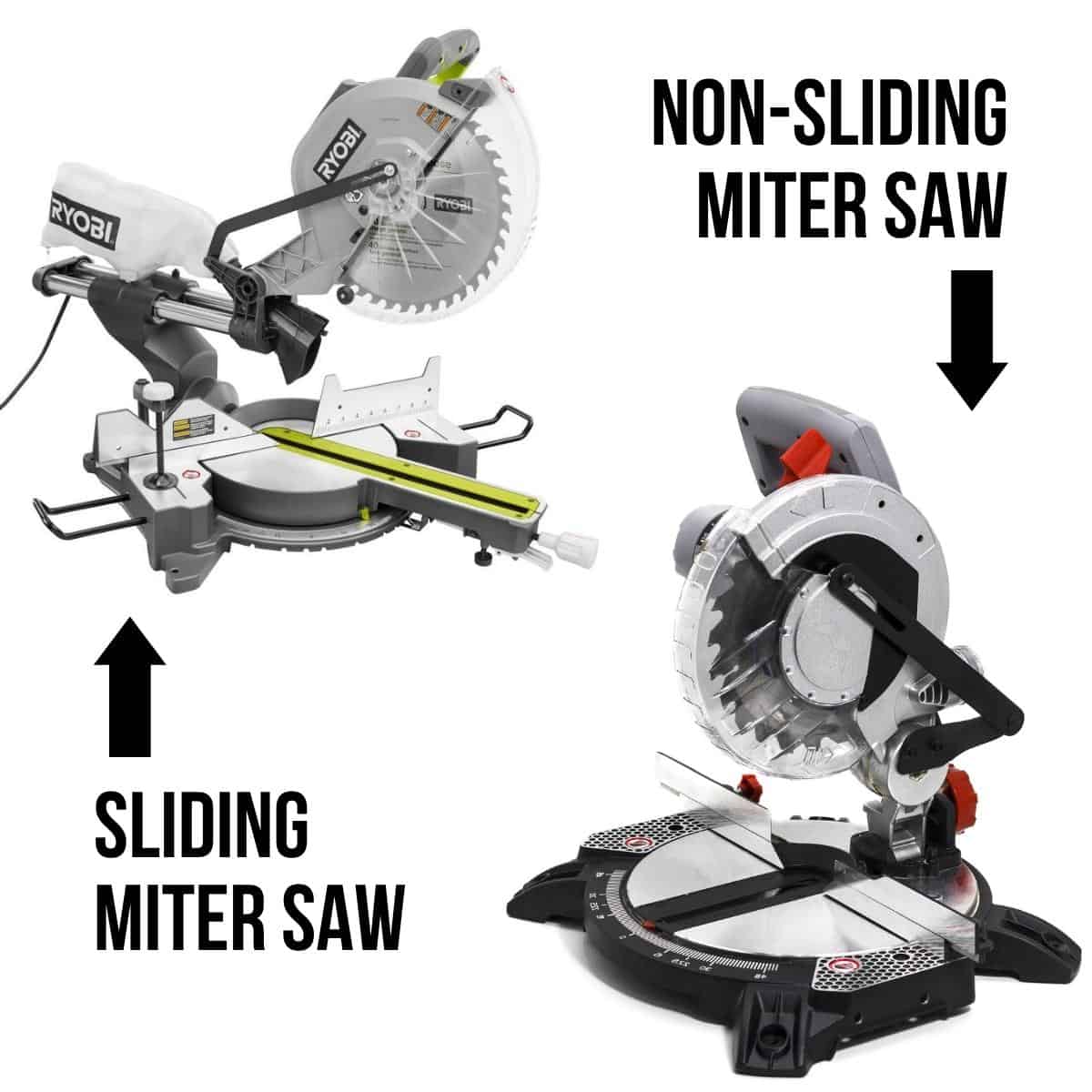
Sliding miter saws add a rail system that lets the blade travel forward and backward, dramatically increasing the crosscut width. A standard 10-inch miter saw might crosscut a board about 6 inches wide, while the sliding version of the same saw can handle 12 inches or more. This is a game-changer for cutting wider trim, shelving stock, and sheet goods.
Compared to a chop saw, sliding miter saws offer wider cuts with precision angles, but they still primarily target wood and soft metals. A chop saw retains the advantage when you need deep, straight cuts through thick steel. If your projects involve both wide wood crosscuts and occasional metal work, pairing a sliding miter saw with a dedicated chop saw gives you the best of both worlds.
Quick Decision Guide
Choose a Chop Saw if you primarily cut metal stock at 90 degrees and need deep cutting capacity.
Choose a Miter Saw if your work revolves around wood and you need precise angled cuts.
Choose a Hybrid if you regularly switch between wood and mild steel and value versatility over maximum capacity.
Final Thoughts
The chop saw and the miter saw are not competitors — they are teammates. Each tool was engineered for a specific family of materials and cut types. Trying to force one into the other's role leads to poor results at best and a safety hazard at worst. If your work centers on metal fabrication, a quality chop saw with the right blade is indispensable. If precision wood joinery and trim work fill your days, a compound or sliding miter saw will pay for itself on the first job.
For those who straddle both worlds, hybrid multi-material saws offer impressive versatility, though they come with some trade-offs in maximum cutting capacity. Whatever you choose, invest in the correct blade for the material you are cutting — that single decision affects cut quality, safety, and blade longevity more than any other factor.
Equip your workshop with the right saw, pair it with the right blade, and every cut becomes faster, cleaner, and safer. That is the real difference between a good project and a great one.