


 Damage
  Loss
Loss  Theft
Theft 


Miter Saw vs Chop Saw: Understanding the Key Differences
Your Complete Guide to Choosing the Perfect Cutting Tool for Your Projects
The names might sound similar, but miter saws and chop saws serve distinctly different purposes in your workshop. While both are powerful cutting tools, understanding their unique capabilities will help you select the right equipment for your specific needs. This comprehensive guide breaks down everything you need to know about these essential power tools.
Whether you're a professional contractor or a dedicated DIY enthusiast, choosing between a miter saw and a chop saw can significantly impact your project outcomes. Let's explore the fundamental differences that set these tools apart.
The Fundamental Distinction
Miter saws excel at creating straight, angled, and beveled cuts with precision, making them ideal for detailed woodworking. Chop saws, conversely, are built for raw power and speed, designed specifically for cutting through tough materials like metal with straight, perpendicular cuts only.
Miter Saw Capabilities: Versatility Meets Precision
When discussing the capabilities of favorite tools among woodworkers, the miter saw consistently ranks at the top. This remarkable tool offers unmatched flexibility for creating various types of cuts. Beyond basic straight cuts, miter saws can produce precise angled cuts and compound bevels, opening up a world of possibilities for intricate woodworking projects.
Cut Types Explained
Straight Cuts: Perfect perpendicular cuts through your material, ideal for basic dimensional cutting and crosscutting boards to length.
Miter Cuts: Angled cuts made across the width of the material, essential for creating corners in picture frames, crown molding, and trim work.
Bevel Cuts: Angled cuts made through the thickness of the material, allowing you to create slopes and chamfers for advanced joinery and decorative edges.
Featured Image
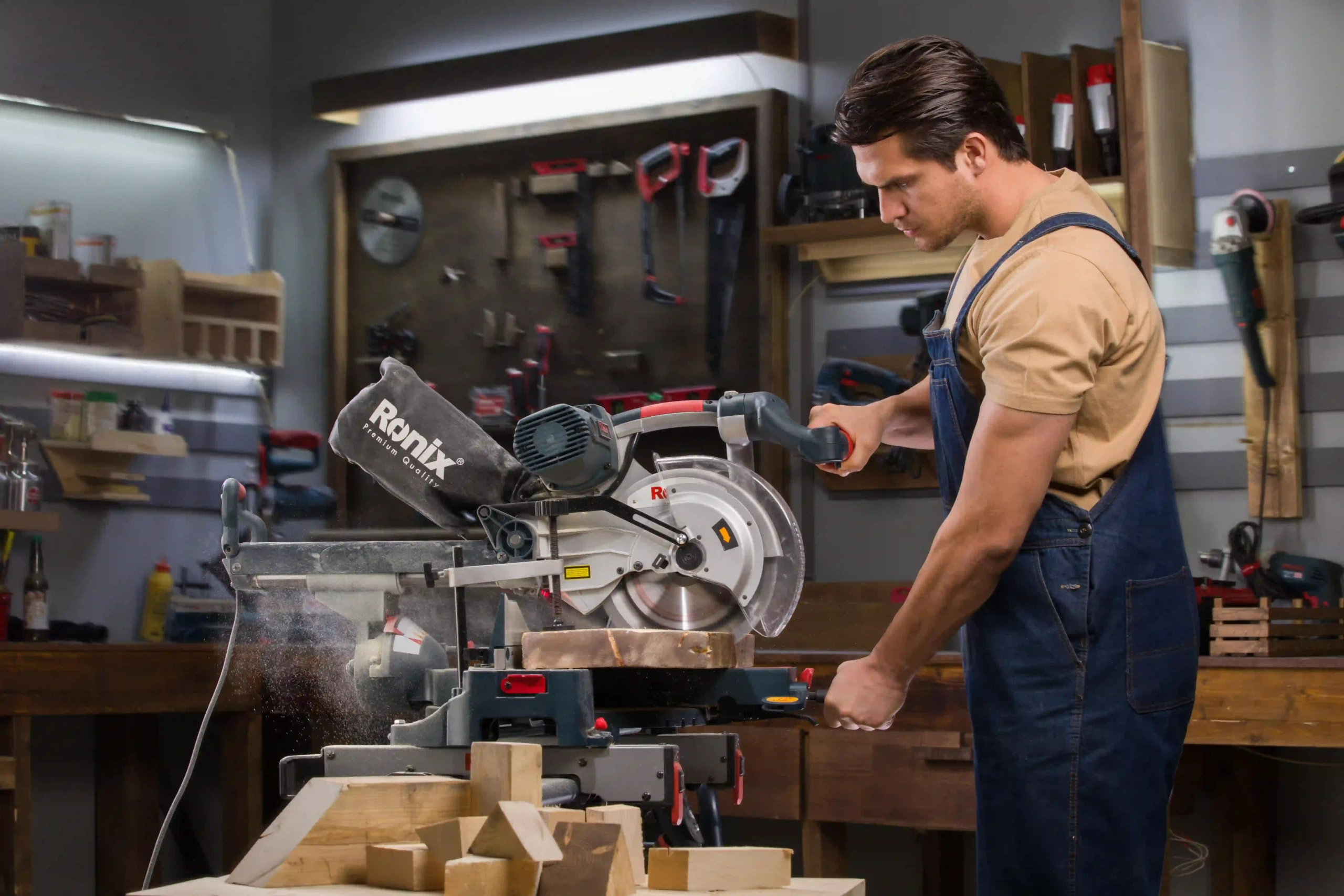
Professional craftsman operating a miter saw for precision woodworking
The true versatility of a miter saw becomes apparent when you explore all its cutting angles. Whether you need to create clean 90-degree cuts or produce accurate cuts at multiple angles for detailed carpentry work, the miter saw delivers consistent, professional results every time. This adaptability makes it an indispensable tool for finish carpentry, furniture building, and any project requiring precise angular cuts.
Chop Saw Power: Built for Heavy-Duty Metal Cutting
When you're working with metal materials that demand serious cutting power, the chop saw is your go-to tool. Engineered specifically for cutting through tough metals like steel, iron, and aluminum, chop saws deliver uncompromising performance where other tools simply can't compete. Their robust construction and powerful motors make quick work of even the most challenging materials.
Why Chop Saws Excel at Metal Work
Chop saws utilize abrasive cutting wheels that generate tremendous friction and heat, effectively slicing through metal with remarkable efficiency. The straight-down cutting action provides maximum force and stability, essential when working with dense, resistant materials. This design creates clean, burr-free cuts that require minimal finishing work.
The tool's rigid construction and powerful blade rotation make it ideal for high-volume cutting operations in metalworking shops, fabrication facilities, and construction sites where speed and durability are paramount.
Featured Image
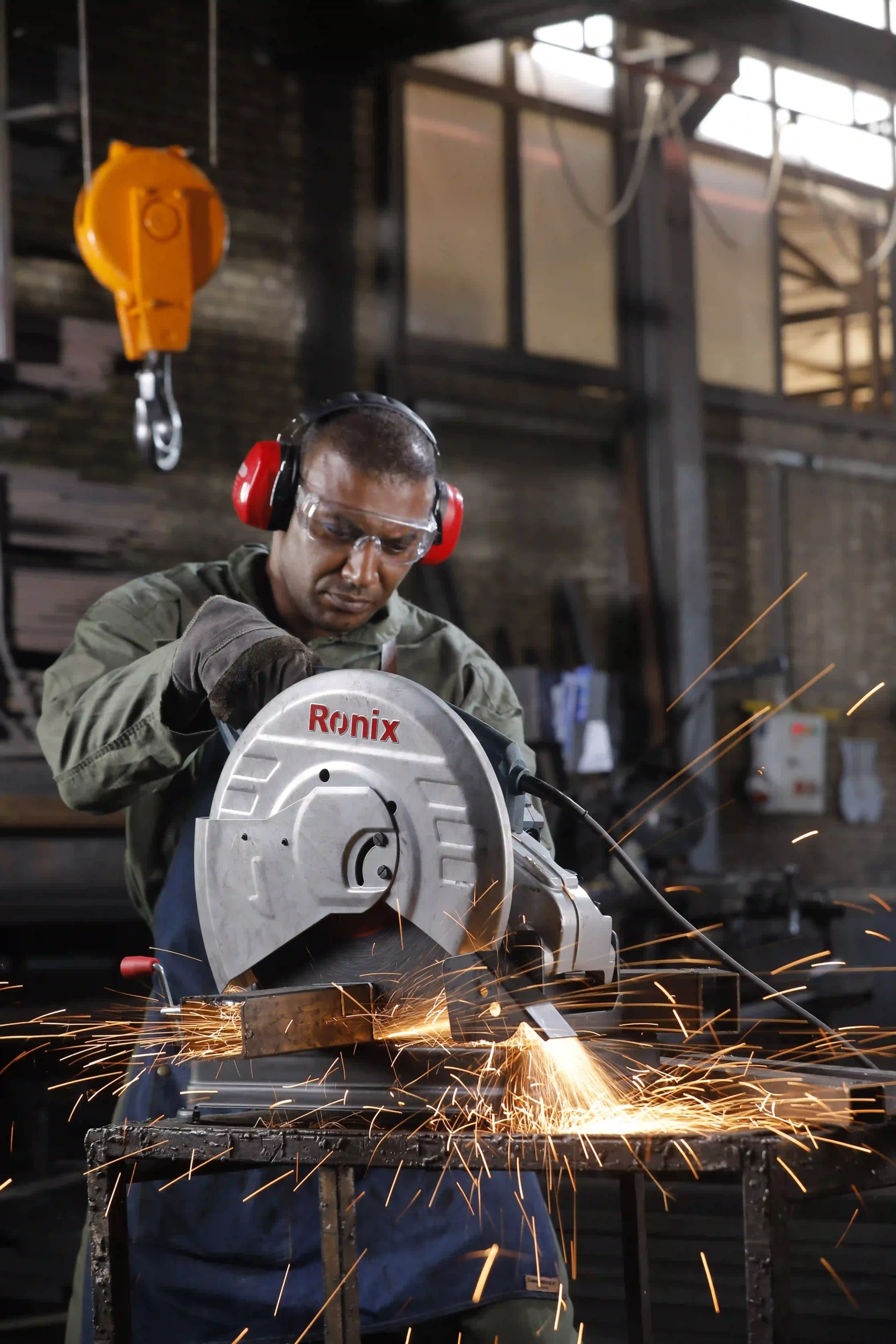
Metalworker using a chop saw to cut steel with precision and power
Important Consideration: If you need a saw capable of both angled cuts and metal cutting capabilities, and your design requires you to maintain both functionalities, you should strongly consider the chop saw. While some professionals work with both tools in their arsenal, choosing a quality chop saw ensures you're never limited when metalworking demands arise.
Optimal Applications for Each Tool
Perfect for Woodworking
Miter saws are the ultimate choice when your projects involve wood, composite materials, or any application requiring precision angles. They shine in finish carpentry, trim installation, and detailed woodworking.
• Crown molding and baseboards
• Picture frames and furniture
• Deck building and framing
• Door and window casings
• Complex angle joinery
Ideal for Metal Fabrication
Chop saws dominate when cutting metal is the priority. Their robust design and abrasive cutting wheels make them the professional's choice for metalworking shops, construction sites, and industrial applications.
• Steel and iron pipe cutting
• Metal framing and studs
• Rebar and reinforcement bars
• Aluminum extrusions
• Heavy-duty metal stock
Featured Image
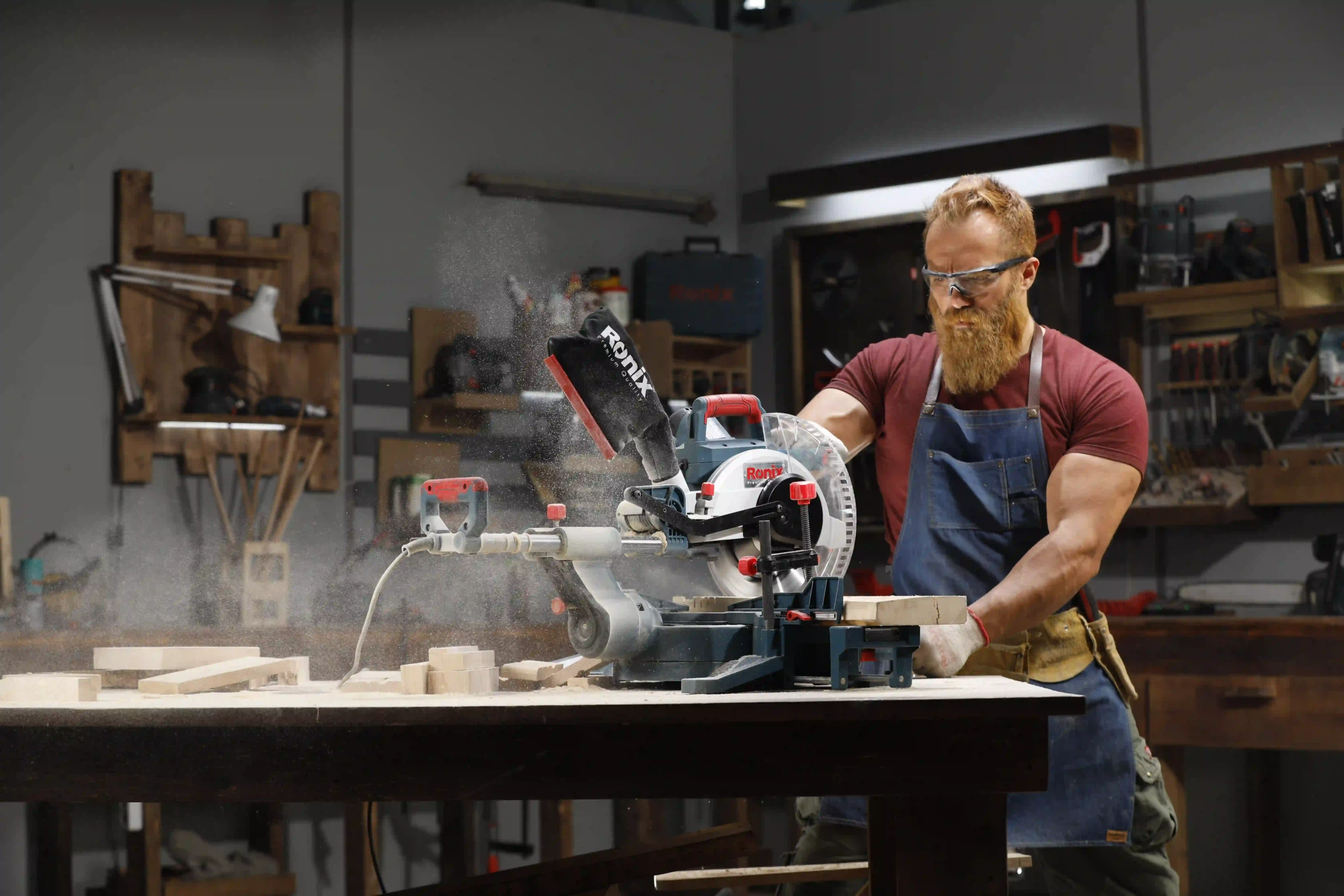
Craftsperson using a miter saw for precision woodworking project
Feature Comparison: Making the Right Choice
Chop Saw Characteristics
Blade Type: 14-inch abrasive wheel designed for metal cutting applications
Cutting Motion: Direct downward plunge for maximum cutting force
Best Material: Metals including steel, iron, and aluminum alloys
Speed Rating: Typically 4000 RPM for rapid metal cutting
Safety Features: Heavy-duty spark deflector and protective guards
Durability: Built to withstand demanding metalworking environments
Miter Saw Characteristics
Blade Type: Carbide-tipped saw blade for clean, precise cuts
Cut Versatility: Straight, miter, bevel, and compound angle cuts
Best Material: Wood, plastics, soft metals, and composite materials
Angle Range: Typically 0-50 degrees for miter and bevel cuts
Precision: Laser guides and adjustable fences for accuracy
Portability: Often lighter weight with convenient carrying handles
Which Saw Should You Choose?
Choose a Chop Saw When:
Your primary focus involves cutting metal materials and you prioritize raw cutting power over angle versatility. Chop saws are the definitive choice for metalworking professionals, fabricators, and anyone regularly working with steel, iron, or heavy-gauge aluminum.
If you need to make quick, straight cuts through metal pipe, rebar, or structural steel on a construction site or in a metal shop, the chop saw's speed and power cannot be matched.
Choose a Miter Saw When:
Your work centers on woodworking, finish carpentry, or projects requiring precise angled cuts. The miter saw's versatility makes it essential for trim carpenters, furniture makers, and anyone tackling detailed wood projects.
If you're installing crown molding, building custom furniture, creating picture frames, or any project where angle precision matters, the miter saw delivers the accuracy and flexibility you need for professional-quality results.
Final Thoughts
Understanding the distinction between miter saws and chop saws empowers you to make the right tool investment for your specific needs. The chop saw reigns supreme for metal cutting applications, delivering unmatched power for slicing through tough materials with ease. Conversely, the miter saw excels in woodworking scenarios where precision angles and versatile cut options are essential.
Both tools serve crucial roles in professional and hobbyist workshops. By selecting the saw that aligns with your primary material and cutting requirements, you'll maximize efficiency, achieve superior results, and make a wise investment in your tool arsenal.
Ready to Power Up Your Workshop?
Whether you're cutting metal or crafting woodwork masterpieces, having the right saw makes all the difference. Explore our professional-grade cutting tools and elevate your project capabilities today.