


 Damage
  Loss
Loss  Theft
Theft 


Chop Saw vs Miter Saw Metal vs Wood Cutting Explained
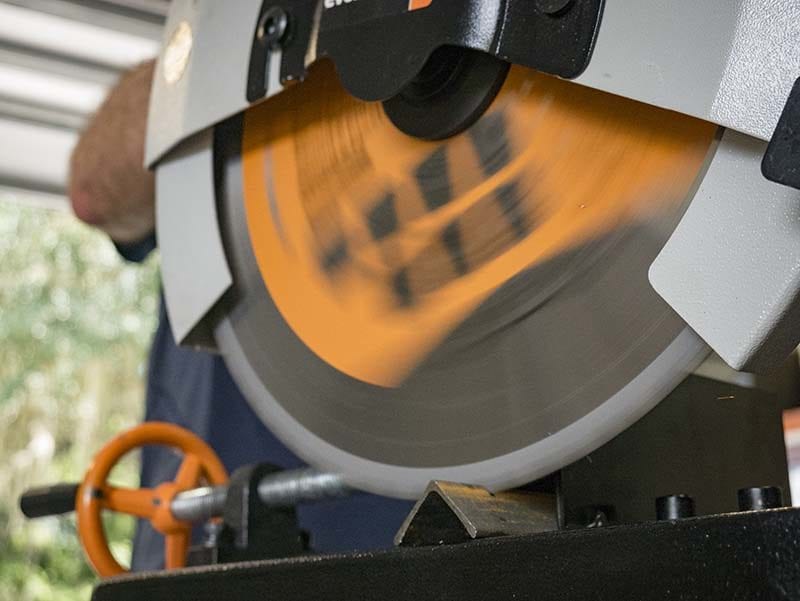
Two Saws. Two Jobs. One Right Answer.
Walk into any hardware store or job site and you'll hear the terms "chop saw" and "miter saw" used interchangeably — but they are not the same tool. Understanding the difference is essential before you spend a dollar, because using the wrong saw doesn't just slow you down, it can wreck your materials or put you in a dangerous spot.
At its core, a chop saw is a raw, heavy-duty cutting machine — built for slicing through metal, masonry, and tough construction materials at a single fixed angle. A miter saw, on the other hand, is engineered for precision woodworking, offering angled cuts, bevel adjustments, and the finesse required for trim, molding, and finish carpentry.
Bottom line: if you're cutting metal on a construction site, you want a chop saw. If you're cutting wood for a deck or interior project, a miter saw is your tool. This guide will help you understand exactly why.
What Is a Chop Saw?
A chop saw — also called an abrasive saw or cut-off saw — is a power tool designed to cut hard materials like steel, iron, aluminum, and other metals. It operates with either an abrasive disc or a carbide-tipped blade and brings serious horsepower to the task. These machines are built tough, built heavy, and built for one thing: raw, accurate straight cuts through demanding materials.
Chop saws cut in one direction only — straight down at 90 degrees. They don't tilt, they don't swivel, and they don't do fancy angles. That's not a weakness; that's the design. The simplicity is what gives them the rigidity and power to muscle through thick-walled steel tubing, rebar, angle iron, and other materials that would destroy a standard woodworking saw within seconds.
Where Are Chop Saws Used?
You'll find chop saws on steel fabrication floors, in metal workshops, at roofing supply depots, and on heavy construction sites. HVAC technicians use them to cut ductwork and conduit. Welders use them to square off steel stock before joining. Any time raw, industrial metal cutting is involved, the chop saw is the right call.
- Handles metal, masonry, and abrasive materials
- High power output for thick stock
- Extremely durable and long-lasting
- Simple, no-frills operation
- Consistent 90-degree straight cuts
- Fixed 90-degree cut only — no angles
- Not designed for wood or finish work
- Loud, sparks, and creates heat
- Heavy and less portable
- Rough cut quality on softer materials
What Is a Miter Saw?
A miter saw — sometimes called a drop saw or chop saw by mistake — is a precision cutting tool built specifically for wood and wood-composite materials. Unlike the chop saw, a miter saw can pivot left and right on a rotating base to cut accurate miter angles, and many models also tilt sideways to deliver compound bevel cuts. This versatility makes it the cornerstone of any carpentry, trim, or cabinetry setup.
Miter saws use circular toothed blades — not abrasive discs — which produce clean, smooth cuts with minimal tearout. The fence system and angle detents are calibrated for repeatability, meaning once you've dialed in your angle, every cut that follows comes out identical. For anyone doing volume trim work or framing, this precision is invaluable.
Types of Miter Saws
Standard miter saws pivot side to side for basic miter cuts. Compound miter saws add bevel tilt for cutting crown molding and complex angles. Sliding compound miter saws extend the cutting range by allowing the blade to travel forward — critical for cutting wide boards and sheet goods. Each step up in capability comes with a corresponding increase in price and size.
- Precise miter and bevel angle cuts
- Clean, smooth finish-quality cuts
- Ideal for wood, MDF, and composites
- Repeatable accuracy for production work
- Wide range of blade options
- Not suitable for metal cutting
- Blade damage risk on hard materials
- Limited depth of cut on standard models
- More expensive than basic chop saws
- Requires more setup for complex cuts
Chop Saw vs Miter Saw: Side-by-Side
Let's put the two tools on the same table and compare them across the specs that actually matter on the job.
| Feature | Chop Saw | Miter Saw |
|---|---|---|
| Primary Material | Metal, Masonry | Wood, MDF, Composites |
| Blade Type | Abrasive disc or carbide | Toothed circular blade |
| Cut Angles | 90° only | Variable miter + bevel |
| Cut Quality | Rough/industrial | Smooth/finish-grade |
| Power Draw | High (15A+) | Moderate (10–15A) |
| Portability | Heavy, site-fixed | Portable, bench-top |
| Common Users | Fabricators, welders, HVAC | Carpenters, trim contractors |
| Price Range | $150–$500+ | $100–$800+ |
Can a Chop Saw Cut Wood?
Technically, yes. Practically, it's a bad idea. Some chop saws can be fitted with wood-cutting blades, but the machine's high-torque, high-RPM design is tuned for hard materials. On soft wood, this often results in tear-out, binding, and dangerous kickback. The lack of angle adjustment also means you're locked into 90-degree cuts only.
If you're working a construction site and need to occasionally cross-cut lumber to rough length, a chop saw with the right blade can get it done. But if you're doing any kind of finish carpentry, trim, or repeat angle cuts, don't force the chop saw into that role. Use the right tool.
Pro Tip: Some newer "dual-purpose" saws now bridge the gap with carbide-tipped blades capable of handling both metal and certain wood cuts. The EVOLUTION S355MCS is one example of a chop saw built tough enough for metal while offering expanded cutting versatility.
Which One Should You Buy?
The answer comes down to what you're cutting. There's no universal "better" option — just the right tool for your specific application. Here's how to make the call quickly:
You're working with steel pipe, angle iron, aluminum extrusions, rebar, or any ferrous/non-ferrous metal. You need power, durability, and a machine that can run all day on a busy job site without complaining.
You're doing trim, molding, decking, framing, furniture, or any project where angle accuracy and cut quality matter. A miter saw is the go-to for any wood-based construction or finish work.
Still can't decide? Consider what percentage of your work involves metal versus wood. If it's a mixed-use workshop, you may ultimately need both. Many seasoned contractors and fabricators own one of each, using the chop saw for raw material prep and the miter saw for final fitting and finish work.
Blade Types: The Real Difference Maker
Nothing separates these two tools more definitively than the blade. The blade is the tool — everything else is just the delivery mechanism. Getting this wrong is the most common (and costly) mistake buyers make.
Abrasive Chop Saw Blades
Traditional chop saws use bonded abrasive discs — think of a giant grinding wheel. These discs wear down as they cut, generating significant heat and sparks. They're inexpensive and effective for metal, but they don't last forever and they produce a rough cut that often requires grinding or deburring afterward.
Carbide-Tipped Metal Cutting Blades
Newer cold-cut chop saws use carbide-tipped blades to cut metal without the heat, sparks, or abrasive disc mess. The cuts come out cleaner and the material stays cooler — a major advantage when working near flammable materials or when cut quality matters. These blades cost more but last significantly longer and improve cut quality dramatically.
Wood-Cutting Miter Saw Blades
Miter saw blades are toothed and designed to slice cleanly through wood fibers. Tooth count matters: fewer teeth cut faster but rougher; more teeth cut slower but deliver a cleaner, finer edge. A standard 40-tooth blade is a workhorse for general framing, while an 80-tooth blade is what you want for trim and finish work where the cut will be visible.
Safety Differences You Need to Know
Both tools are powerful and demand respect, but their risks differ. Understanding those risks before you power up is non-negotiable.
- Always wear a full face shield — sparks are real
- Never use a damaged or cracked abrasive disc
- Keep flammable materials away from the work area
- Secure workpiece firmly in the vice before cutting
- Let the blade reach full speed before cutting
- Allow cut material to cool before handling
- Always use the blade guard — never remove it
- Keep hands at least 6 inches from the blade path
- Let the blade stop completely before lifting
- Secure long workpieces with a support stand
- Never cut freehand — use the fence
- Wear safety glasses and hearing protection
The EVOLUTION S355MCS delivers heavy-duty 14" metal cutting performance with a mitering base — giving you power and precision in one machine. Built for contractors, fabricators, and serious DIYers.
EVOLUTION S355MCSThe Verdict
Chop saws and miter saws both earn their place in a serious workshop — but they earn it doing completely different jobs. Calling one "better" than the other is like saying a wrench is better than a screwdriver. They solve different problems, and the smartest move is knowing which problem you're dealing with before you buy.
If metal is your world — structural steel, pipe, rebar, aluminum — a heavy-duty chop saw is the workhorse you need. If you're building, trimming, framing, or finishing with wood, a miter saw gives you the accuracy and clean cuts that woodworking demands. And if you work across both? Budget for both. It's worth it.
Still unsure? Think about the last five jobs you did. What material were you cutting most? That answer tells you exactly which saw to buy first.