


 Damage
  Loss
Loss  Theft
Theft 


Mastering the Art of Argentine Parrilla Grilling
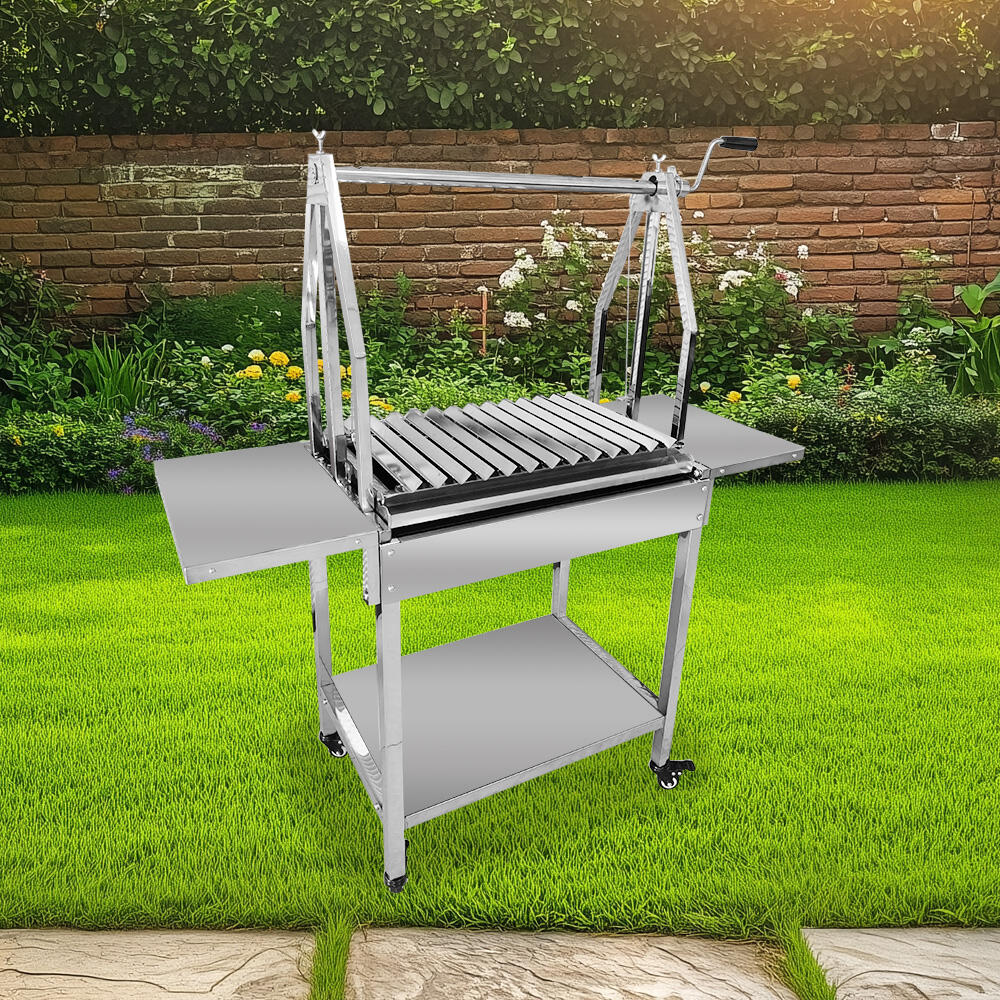
The parrilla grill is far more than a cooking appliance — it is the centerpiece of Argentine culture, a gathering place where families share stories, smoke rises slowly, and every meal becomes a celebration. Mastering this tradition means embracing patience, quality ingredients, and a deep respect for fire.
What makes Argentine parrilla truly distinct from conventional barbecue is its philosophy: this is not fast food. The technique relies on indirect heat, precise temperature management, and an unhurried approach that transforms simple cuts of meat into something extraordinary. The V-shaped grates of a proper parrilla grill channel excess fat away from the flame while locking in every last drop of natural flavor — a detail that separates a good cook from a great one.
Essential Components of a Parrilla Setup
Structure & Materials
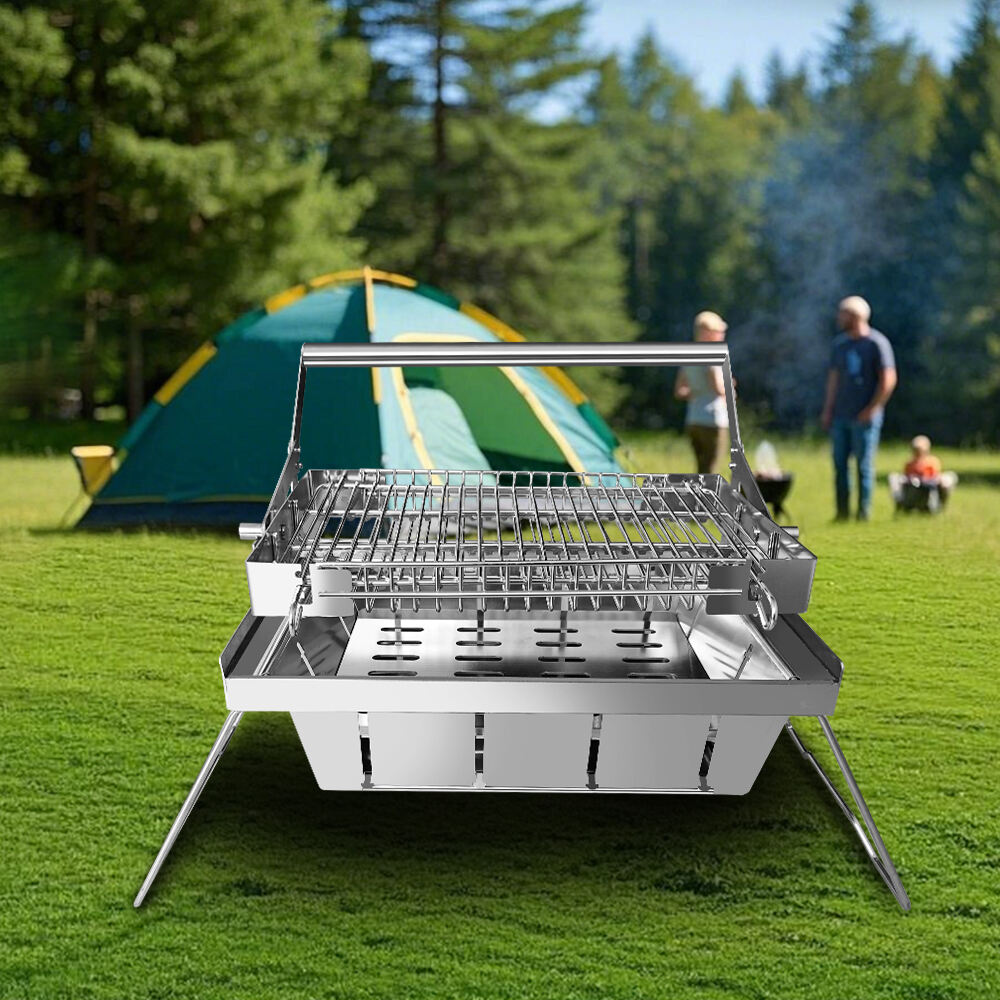
A well-built parrilla grill features high-grade stainless steel or cast iron grates arranged in a signature V-shape. This design does double duty: it diverts fat away from the coals to prevent flare-ups, while preserving the meat's natural juices. An adjustable height mechanism is non-negotiable — it gives you direct control over the distance between your food and the heat source, enabling the precision that Argentine grilling demands.
The firebox, typically positioned to the side of the grill, should be generously sized to maintain a consistent burn while accommodating extra wood or charcoal as needed. Many authentic parrilla setups also include a solid bottom plate to distribute heat evenly and collect drippings for simpler cleanup.
Fuel Selection & Fire Management
Hardwood charcoal is the fuel of choice among serious parrilla cooks. It burns hotter and longer than standard briquettes, delivering an intense, clean heat with a subtle smoky depth that doesn't overwhelm the meat. Many experienced grillers blend hardwood charcoal with small pieces of hardwood for additional complexity in the smoke profile.
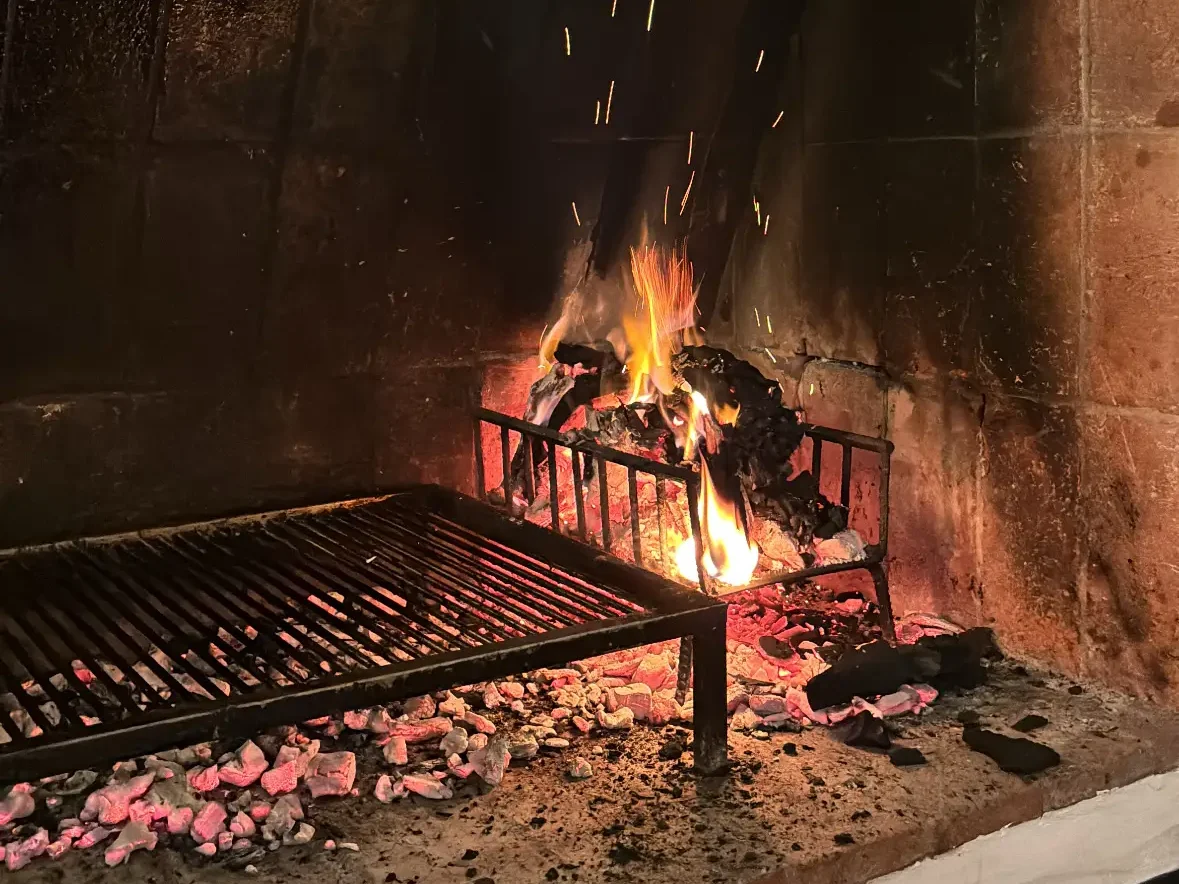
The ultimate goal of fire management is building a bed of glowing embers rather than maintaining active flames. This creates a steady, radiant heat ideal for slow, even cooking — producing that iconic caramelized crust while keeping the interior tender and juicy.
Mastering Temperature Control
Heat Zone Management
Seasoned parrilla cooks never work with a single heat zone. Instead, they create a spectrum of temperatures across the grill surface. The hottest zone, directly above the firebox, is reserved for searing and building that characteristic crust. Medium-heat zones handle cuts requiring longer cook times, while cooler outer areas serve as resting spots for finished pieces.
Learning to redistribute coals and adjust grate height is the core skill here. Experienced asadors develop an instinct for temperature, often gauging the heat simply by holding a hand over the grill at different heights — a practice that comes only with time and repetition.
The key to Argentine grilling is patience. Rushing the process leads to uneven cooking, dried-out meat, and missed flavor. True mastery is built over fire, time, and practice.
Timing & Rotation Strategy
Every cut of meat demands a different approach on the parrilla. Thin cuts benefit from quick, high-heat searing, while thicker pieces need slower, more gradual cooking with periodic rotation to ensure even doneness throughout. Learning to read the meat — its color, texture, and how it responds to touch — tells you exactly when to flip or adjust.
Selecting & Preparing the Right Cuts
Quality & Cut Selection
Great Argentine grilling starts long before the fire is lit — it starts at the butcher. Traditional Argentine cuts like asado (ribs), vacío (flank), and tira de chorizo (strip sirloin) are the gold standard. When choosing your meat, look for cuts with a healthy fat marbling, as this fat bastes the meat naturally throughout the cooking process and prevents it from drying out over the long, slow cook.
Always remove cuts from refrigeration at least an hour before grilling. Letting the meat come gradually to room temperature ensures more even cooking and better results across the entire grill surface.
Seasoning Philosophy
Argentine parrilla is defined by restraint when it comes to seasoning. The whole point is to let the quality of the meat speak for itself. Coarse salt is the primary seasoning, applied generously before cooking. A light brushing of olive oil promotes better browning and keeps the meat from sticking to the grates.
Chimichurri sauce — the vibrant blend of parsley, garlic, oil, and vinegar — is served alongside grilled meats, never applied during cooking. It complements the smoky depth developed over the fire without masking the meat's natural character.
Common Mistakes to Avoid
Even experienced backyard cooks fall into familiar traps when working a parrilla grill. Knowing what to avoid is half the battle.
Cooking Over Active Flames
Flames cause burnt exteriors and raw, undercooked interiors. Always wait for a solid bed of glowing embers before placing any meat on the grill. Consistency in heat matters far more than intensity.
Rushing the Process
Impatience is the enemy of parrilla cooking. Not allowing sufficient time for the grill to reach the correct operating temperature before cooking leads to poor searing and inadequate flavor development.
Over-Flipping the Meat
Constant turning prevents the proper crust from forming and interferes with even internal cooking. Develop patience — let the meat tell you when it's ready to be turned, not the clock.
Neglecting the Resting Stage
Cutting into meat immediately off the grill releases all the juices you worked so hard to preserve. Resting allows the internal temperature to equalize and the fibers to relax — essential for a tender, juicy result.

Pro Tips for the Perfect Parrilla Session
Start Your Fire Early
Build your fire at least 45–60 minutes before you plan to cook. Rushing the ember-building phase is the single most common mistake among beginner parrilla cooks.
Keep It Simple
Resist the urge to over-season or over-sauce. Premium meat, quality salt, a clean fire, and patience will outperform elaborate marinades every time.
Respect the Rest
Always rest your meat after pulling it from the grill. A minimum of 5–10 minutes for steaks, longer for larger cuts, is essential for preserving moisture.
Control, Don't Chase
Move the meat to the right zone rather than adjusting the fire constantly. Learn to read your heat zones and let the grill do the work.
Ready to Grill the Argentine Way?
Bring authentic parrilla craftsmanship to your backyard with a grill built for serious outdoor cooking.
Fuegos TX Alamo 120