Damage
  Loss
Loss  Theft
Theft 


How Pizza Ovens Work: The Basics of Heat, Airflow, and Perfect Cooking
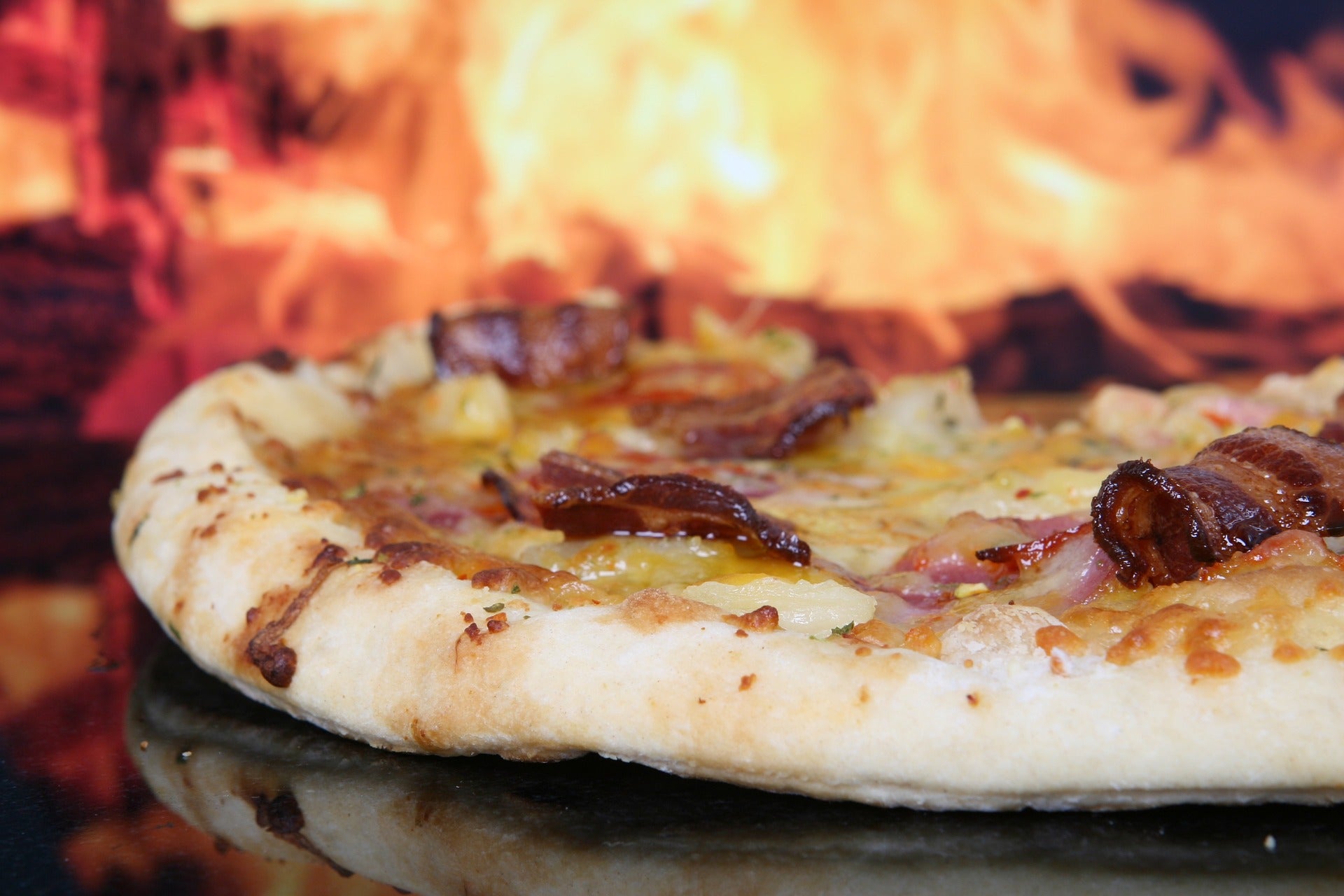 Crafting truly gourmet pizza begins with great ingredients, a thoughtful recipe, and the right cooking environment working in harmony. From the freshness of your mozzarella to the snap of your sauce and the lift of your dough, every detail counts. But there is one factor that often gets overlooked at home, and it makes all the difference between a good pizza and an unforgettable one: temperature.
Professional kitchens and pizzerias rely on something a standard kitchen oven simply cannot deliver. How hot do brick pizza ovens actually get? The best of them climb to around 1,000°F. These purpose-built ovens are engineered to bake pies in just a few minutes, producing the kind of consistent, restaurant-grade results that home appliances struggle to replicate. Their design, materials, and heat behavior all exist to serve one goal: extreme, sustained heat that transforms dough, cheese, and toppings in a flash.
Why Pizza Ovens Need to Run So Hot
One of the most common questions diners ask is simply: how hot does a pizza oven really need to be? There are two main reasons for the intense heat. The first is efficiency. In a conventional oven, baking pizzas back-to-back can stretch into hours, with the oven recovering temperature between bakes. In a true pizza oven, each pie cooks in just a few minutes, and the next one slides in to meet the same temperatures as the last — no waiting, no recovery time required.
Thermal mass and heat retention are the two qualities that define a great pizza oven. Without them, even the hottest oven cools off the moment you open the door.
The second reason is all about flavor and texture. A pizza oven needs to be hot enough to cook the entire pie evenly — never overdone in one spot and raw in another. Home ovens often fall short here, leading to inconsistent results even when you nail the recipe. A proper pizza oven gives you a crackly, blistered crust on the outside, an airy interior, and toppings that are heated through without burning. Short bursts of very high heat are what produce that signature lift and lightness in the dough.
Conventional Ovens vs. Pizza Ovens: The Temperature Gap
A conventional kitchen oven heats with electric coils or gas burners inside what is essentially an insulated box with a large door. Every time that door opens, heat escapes rapidly. Most household ovens top out somewhere around 500°F, and even reaching that ceiling, they cannot hold steady heat the way pizza demands. The shape and materials simply were not built for the job.
Pizza ovens are a different category entirely. They can climb as high as 1,000°F, with most working day-to-day in the 700–800°F range. Their iconic dome shape is not just for looks — it circulates heat evenly across every inch of the cooking surface and traps it inside the oven's mass. Combined with the small mouth opening (no full-size door swinging open), the result is an environment that holds onto its heat and uses it efficiently, pie after pie.
How Hot Does a Wood-Fired Pizza Oven Get?
If you are wondering specifically about wood-fired pizza ovens, here is the answer: once the fire is properly built and burning, they routinely reach around 850°F, and sometimes more. You do want to respect the maximum temperature of your oven so you do not stress the materials over time. The good news is that after the fire dies down, the oven's mass continues to radiate cooking heat for hours, making it useful for breads, roasts, and slow bakes long after the pizza party is over. And of course, the wood itself contributes that unmistakable smoky character that no electric or gas oven can match.
It is also worth noting that the type of wood you burn affects how hot your oven gets. Dense hardwoods burn hotter and longer than softer woods, which means your fuel choice directly shapes the temperature curve inside the oven.
How Hot Does a Commercial Pizza Oven Get?
Commercial settings raise the stakes. In a busy restaurant, the question is not only how hot the oven gets, but how reliably it holds that heat while the door opens and closes hundreds of times in a shift. Commercial pizza ovens can comfortably reach 950°F, although the sweet spot for cooking a pizza in three to five minutes sits closer to 800°F. Heat retention and insulation are absolutely critical here — they are what allow the oven to maintain its working temperature without scorching the kitchen or the person standing in front of it.
So What Is the Exact Temperature for Cooking Pizza?
How hot should an oven be for pizza? The honest answer is: it depends on what you are cooking in. For home pizzas in a standard oven, you'll want to preheat fully to 400–450°F and use whatever heat-retention tools you have, like a stone or a steel. In a commercial or backyard pizza oven, you can push interior temperatures up to 900°F, but most pizzaiolos settle right around 800°F for the ideal balance of crust, char, and topping melt. At those temperatures, a pizza is done in just a couple of minutes, so attention matters — once it is in, you should not wander far.
Home Oven
Preheat to 400–450°F. Use a pizza stone or steel for better crust crispness. Expect 8–12 minute bakes.
Pizza Oven Sweet Spot
Around 800°F gives you the textbook Neapolitan-style bake: crisp, blistered, airy, in just 90 seconds to 3 minutes.
Commercial Max
Up to 950°F is possible, but rarely needed. Stick near 800°F for consistency and longer equipment life.
Closing Thoughts on Pizza Oven Temperatures
If you want to cook the kind of pizza that turns weekend dinners into events, the right equipment changes everything. A true pizza oven with high heat capacity and serious thermal mass is the single biggest upgrade you can make to your pie game. So, what temperature are you cooking pizza at right now? If the answer is anything under 700°F, it might be time to turn up the heat.