


 Damage
  Loss
Loss  Theft
Theft 


What Is a Proving Drawer and Is It Worth the Investment?
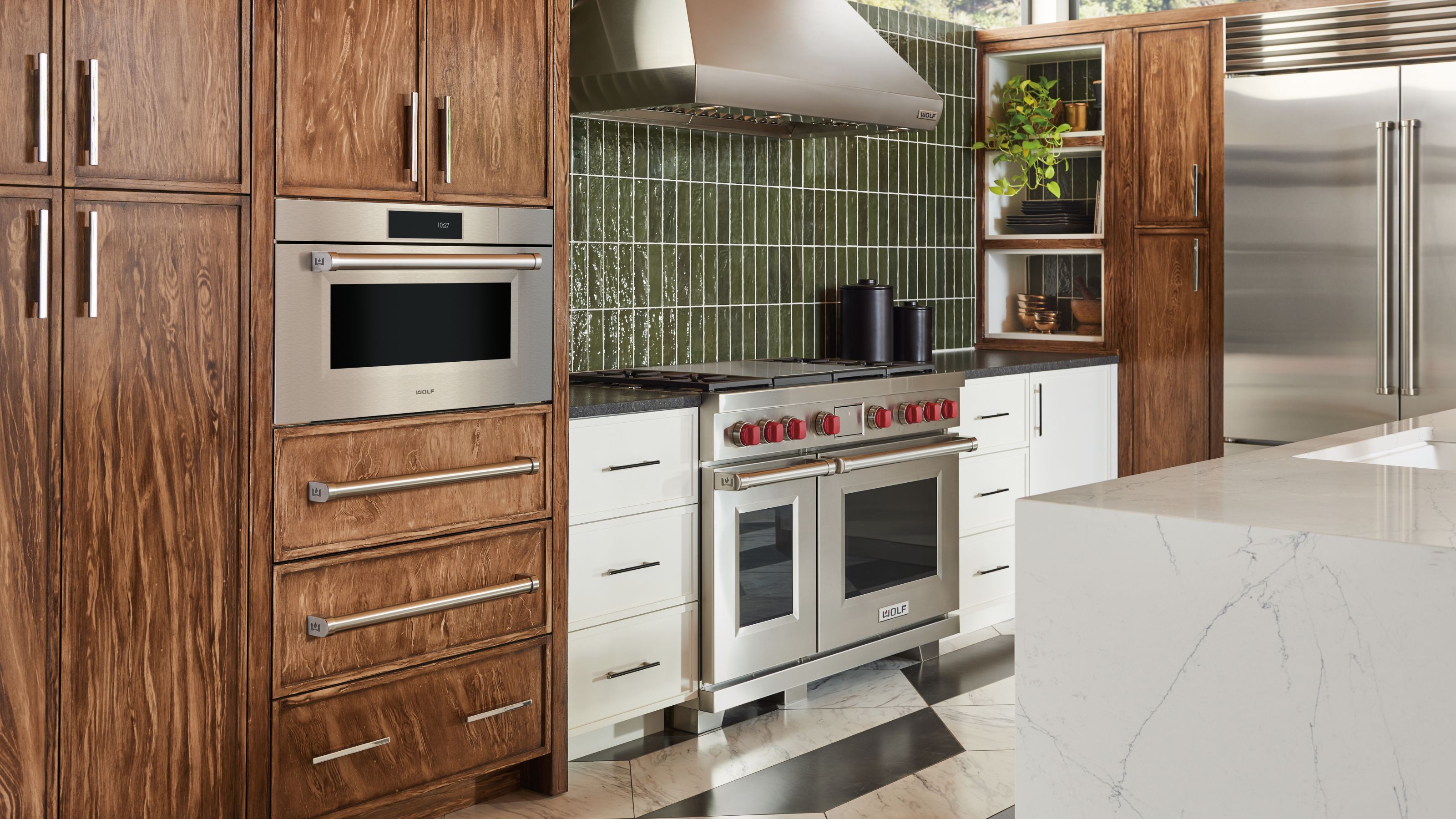
If you enjoy baking bread, pastries, or anything that calls for yeast, you may have encountered the term "proving drawer" during your kitchen research. Perhaps you stumbled across it while browsing through high-end appliance catalogs, or maybe a fellow home baker mentioned it in passing. Either way, a proving drawer might just be the upgrade your baking routine has been waiting for.
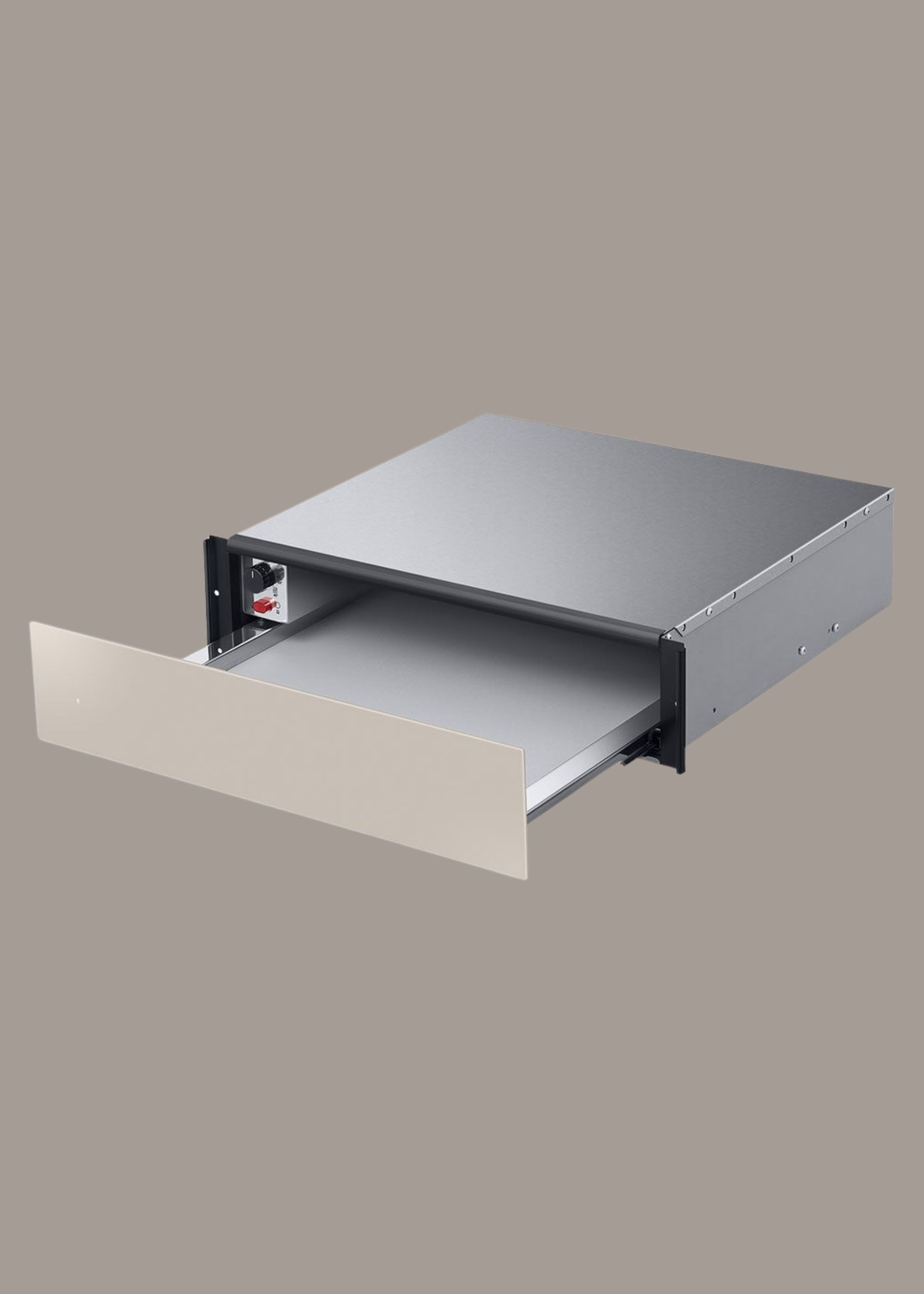
A proving drawer is a specialized kitchen appliance built to maintain a warm, steady temperature — creating the perfect environment for dough to rise. Rather than relying on covering your dough with a towel and hoping for the best near a warm oven, a proving drawer gives you consistent, controlled conditions every single time.
But here is the real question: is it genuinely worth adding to your kitchen, or is it simply a luxury item that looks impressive but gathers dust? Let us explore everything you need to know.
How Does a Proving Drawer Actually Work?
At its core, a proving drawer is a temperature-regulated compartment usually installed beneath an oven or as a standalone unit. It operates by maintaining low, even heat — typically somewhere between 75°F and 115°F — which is the ideal range for activating yeast and encouraging dough to rise properly.
Unlike simply setting your oven to the lowest temperature and hoping it does not overshoot, a proving drawer is engineered for precision. The gentle warmth circulates evenly throughout the compartment, eliminating cold spots and ensuring your dough rises uniformly from edge to edge.
Modern proving drawers have become increasingly popular over the years, particularly with the growing number of home bakers who want professional-grade results. Many high-end kitchen brands now include them as standard options in their appliance lineups.
Explore More
Latest Videos from Backyard Provider
You May Also Like
- The Science of Kitchen Drawer Planning — How Many Do You Really Need?
- How I Discovered This Kitchen Gadget That Changed Everything
- 5 Appliance Garage Ideas That Help Keep Kitchens Clutter-Free
- Cookware Maintenance and Care: A Complete Homeowner's Guide
What Exactly Is a Proving Drawer?
If you are new to the concept, let us break it down. A proving drawer — sometimes called a proofing drawer — is a dedicated compartment designed specifically to create ideal conditions for dough fermentation. The term "proving" comes from the baking world and refers to the final rise of shaped dough before it heads into the oven.
Think of it this way: yeast thrives in warm, humid environments. A proving drawer delivers exactly that. By keeping temperatures consistently low and stable, it allows the yeast to do its work without the guesswork. No more placing dough next to a radiator or wrapping it in warm towels.
High-end proving drawers can even be used for a broader range of purposes — from slow-melting chocolate and butter to gently warming plates before serving a dinner party. Some baking enthusiasts and food lovers have found creative uses that extend well beyond bread alone.
Beyond Dough: Surprising Uses
Craig from Sub-Zero and Wolf notes that warming drawers can be used for a wide range of culinary tasks beyond simply proofing bread. From keeping dishes at the perfect serving temperature to slow-roasting certain delicate ingredients, the versatility is impressive.
Tom Harper, a kitchen design expert, originally built his career at high-end appliance firms. He points out that proving drawers have come a long way from their humble origins. Today's models feature digital controls, precise humidity settings, and energy-efficient engineering that makes them practical for everyday home kitchens.
Whether it is softening butter for a pastry recipe, warming tortillas for taco night, or keeping side dishes hot while you finish the main course, a warming or proving drawer offers far more functionality than most people realize.
Be The First To Know
Stay connected with Backyard Provider for the latest product launches, expert guides, seasonal inspiration, and exclusive deals delivered straight to your inbox.
Visit our website to subscribe
Temperature Capabilities and Performance
The real magic of a proving drawer lies in its precise temperature control. Most high-quality models allow you to set temperatures as low as 80°F, which is ideal for slow proofing, all the way up to around 200°F for keeping cooked foods warm and ready to serve.
"Proving temperatures sitting in the low range — usually between 80°F and 115°F — have traditionally been most prized by professional bakers, and that perfect sweet spot for launching sourdough starters remains extremely popular with home cooks."
But why is this feature so important to home bakers? It is particularly convenient for busy households, as dough can be prepared and then left to proof on its own schedule — no need to constantly monitor room temperature or environmental shifts. The drawer handles it all quietly and efficiently.
What Makes It Stand Out in Your Kitchen?
Think about what it means to have the type of control that professionals enjoy — right inside your own home. Between the capacity for perfectly proofed bread, evenly warmed meals, and a sleek built-in design, a proving drawer represents both practicality and elegance.
For serious bakers, it is the key to consistent results. Bread baking relies heavily on ambient temperature, and even slight variations can dramatically affect the outcome. A proving drawer removes that variable entirely. It is also ideal for anyone who entertains regularly — keeping multiple dishes warm while you put the finishing touches on your spread is genuinely convenient.
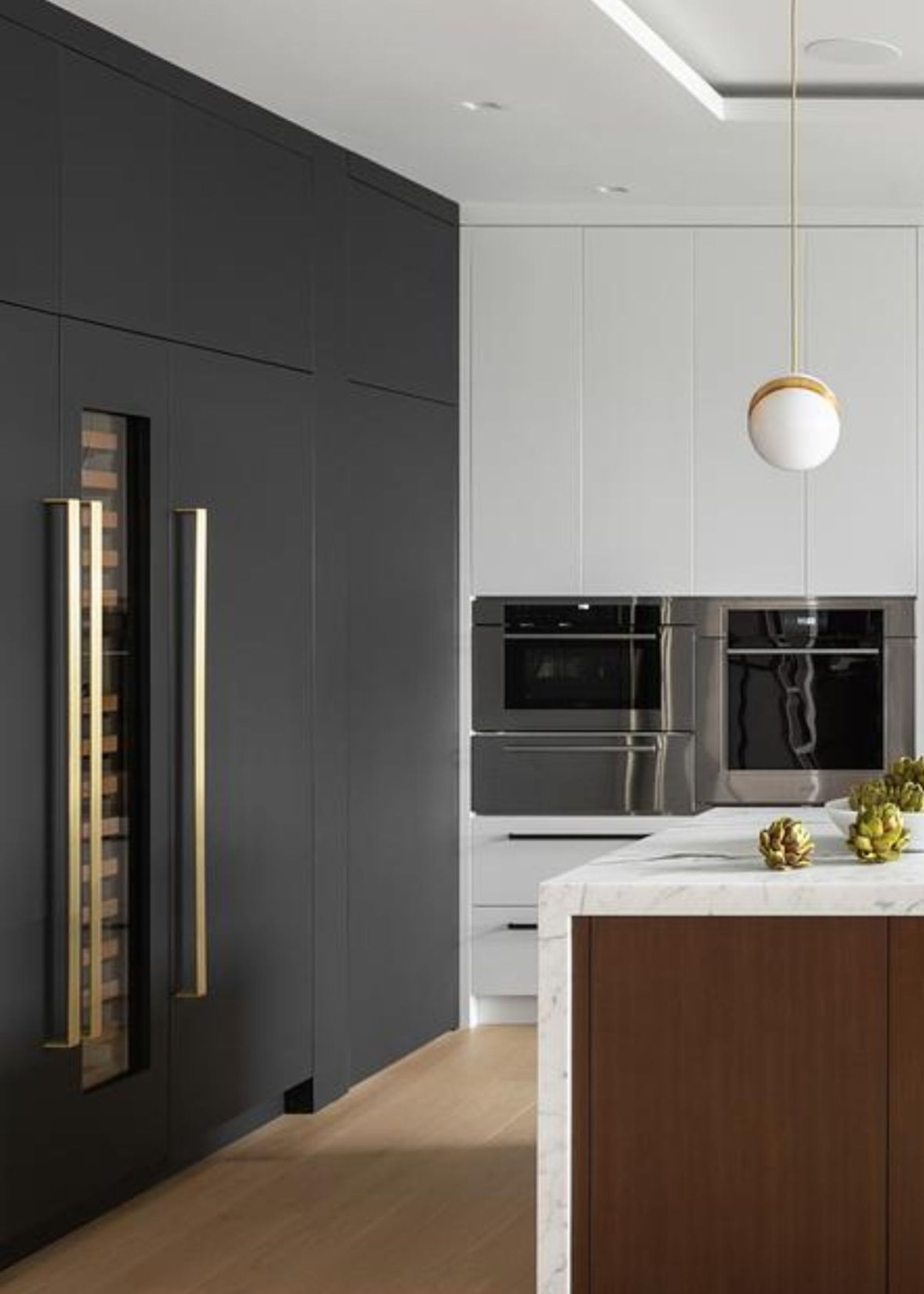
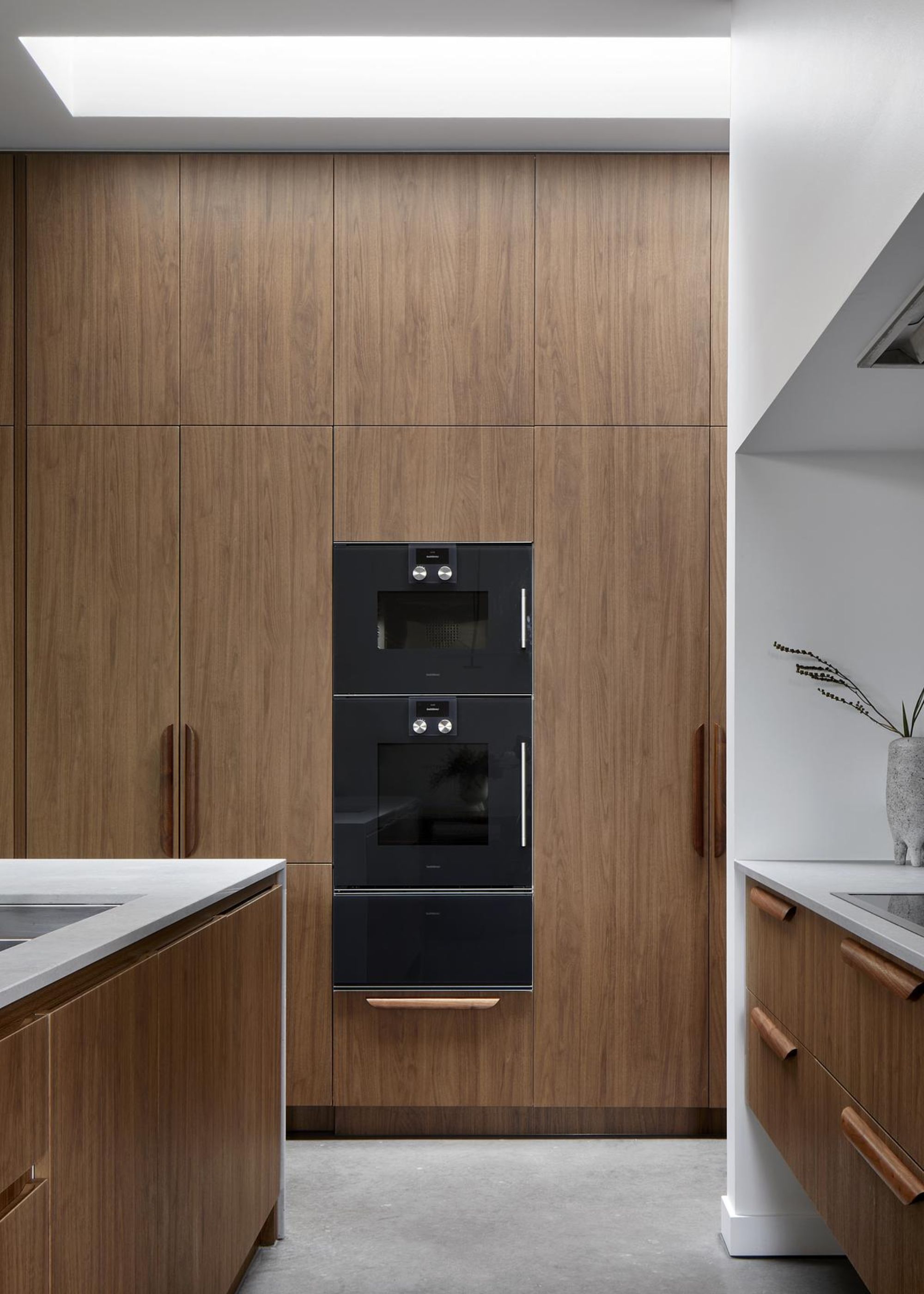
And when it comes to aesthetics, most modern proving drawers integrate seamlessly into cabinetry, offering a clean, uncluttered look that complements both modern and traditional kitchen designs.
You May Also Like
- The Science of Kitchen Drawer Planning — How Many Do You Really Need?
- How I Discovered This Kitchen Gadget That Changed Everything
- 5 Appliance Garage Ideas That Help Keep Kitchens Clutter-Free
- Cookware Maintenance and Care: A Complete Homeowner's Guide
Expert Opinions: What the Pros Say
Tom Harper
Kitchen Design Specialist
Tom Harper has spent over fifteen years working hands-on with premium kitchen brands. His passion revolves around helping homeowners understand how professional-grade tools — like proving drawers — can transform everyday cooking routines. He emphasizes that a proving drawer is not merely a trend; it is a genuine investment in your kitchen's capability.
In conversations about modern cooking setups, most kitchen storage and design specialists now consider proving drawers an integral piece of the puzzle. They bridge the gap between professional bakeries and home kitchens, delivering consistent and reliable results that were previously hard to achieve without commercial equipment.
How Much Does a Proving Drawer Cost?
Whether you choose to add a proving drawer as a small kitchen luxury or treat it as a full-scale renovation centerpiece, understanding the cost is important. Prices vary depending on brand, features, and build quality.
Entry Level
$1,000 – $1,500
Basic models with reliable temperature control and standard capacity.
Mid Range
$1,500 – $2,500
Enhanced features, better insulation, and premium build quality.
Professional
$2,500+
Top-tier performance, premium materials, and advanced humidity control.
Craig explains that Sub-Zero and Wolf warming drawers typically start at around $2,750 — placing them firmly in the premium category. While this might seem steep at first glance, the quality, durability, and consistent performance make them a worthwhile addition for those who cook and bake regularly.
As Mr. Mark from a leading kitchen design outlet puts it, more affordable warming drawer units start from around $1,100 — an excellent entry point for homeowners who want to experience the benefits without the full premium price tag.
How Much Space Does a Proving Drawer Need?
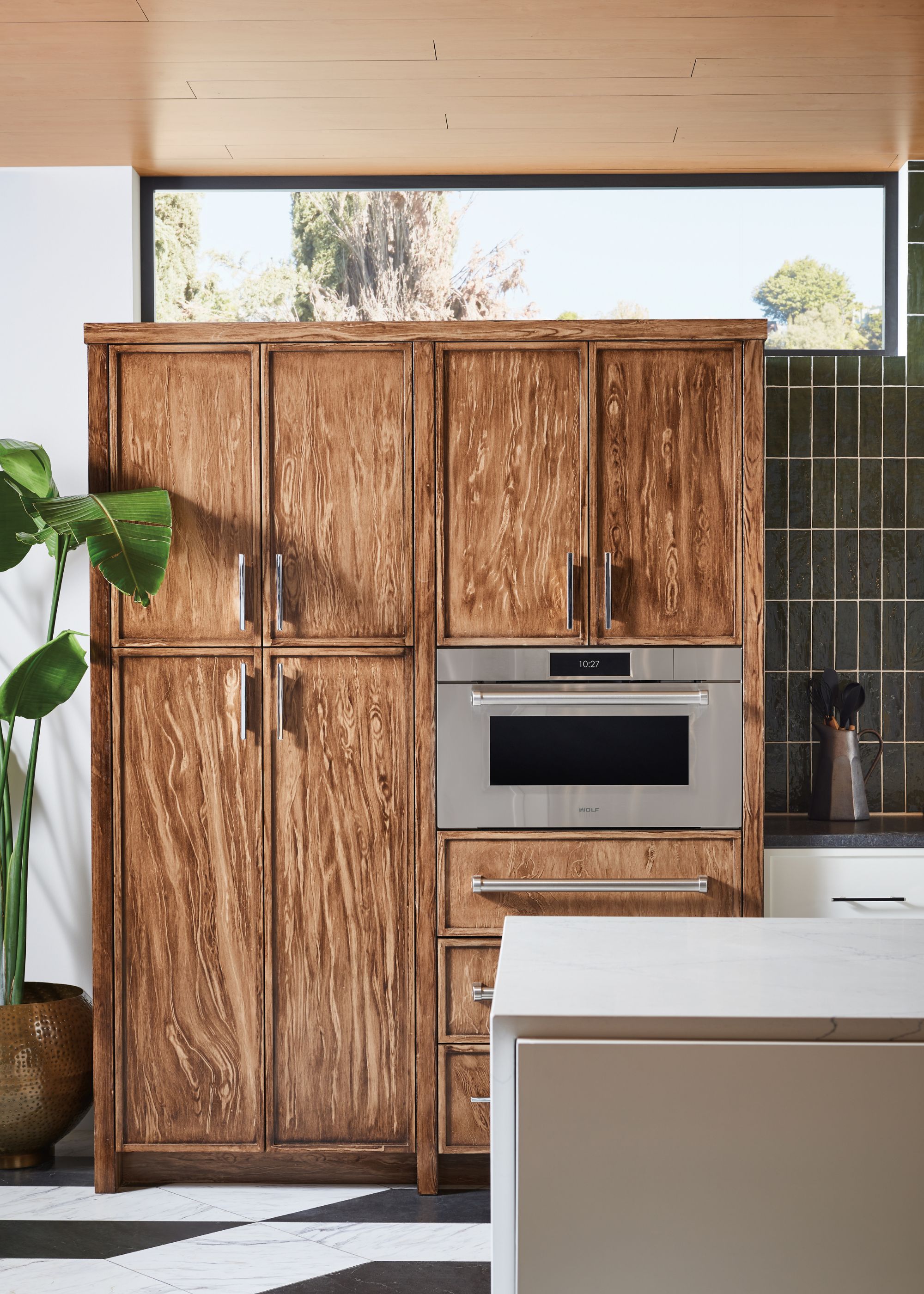
Space is always a consideration when adding any new appliance. The good news is that proving drawers are designed to integrate neatly into existing cabinetry, often fitting into a standard 30-inch opening beneath your oven or cooktop.
Most manufacturers suggest that even just a few inches of clearance on each side is sufficient. A standard 30-inch warming drawer fits comfortably into a highly versatile space — one that can be installed beneath a wall oven, beneath a cooktop, or even as a standalone drawer within a kitchen island.
Craig adds that Sub-Zero and Wolf warming drawer dimensions are designed to be a standard fit, making installation straightforward for most kitchen configurations. Whether you are renovating a large kitchen or working within a compact layout, there is likely a configuration that will work for you.
How to Create the Same Effect Without Actually Adding One
Not everyone has the budget or kitchen space for a dedicated proving drawer. The good news? There are clever workarounds that can mimic the effect to a reasonable degree.
One of the most popular methods is to use your oven on its lowest setting — or even just the oven light alone, which can generate enough warmth to create a suitable proofing environment. Another approach involves placing a bowl of boiling water inside a closed oven alongside your dough. The steam and gentle heat create a makeshift proving chamber.
For those who bake only occasionally, these methods can work reasonably well. However, if consistency and convenience matter to you, investing in a dedicated proving drawer is the most reliable path forward.
Frequently Asked Questions
How much space does a proving drawer require?
Depending on the type of kitchen layout you have, the size of your proving drawer will vary. Most standard models are designed to fit a 30-inch cabinet opening. Some compact versions are available for tighter spaces, while professional-grade models may require slightly more room.
Can you use a warming drawer for proving dough?
Yes. Most modern warming drawers include a low-temperature setting specifically designed for proofing bread dough. As long as the temperature range dips into the 80°F–100°F zone, it will work for proving.
How do you create a proving environment without a drawer?
There are a few methods you can try. The simplest involves placing your dough in a closed oven with just the oven light turned on. Alternatively, set a shallow pan of hot water on the bottom rack and place your dough above it — the warmth and humidity will help the dough rise.
Is a proving drawer the same as a warming drawer?
They are very similar, and many warming drawers include a proving or proofing mode. The key difference is that a proving drawer is optimized for lower temperatures and dough-specific conditions, whereas a warming drawer is designed primarily to keep cooked food at serving temperature — though many models do both.
Backyard Provider — Your Trusted Source for Quality Home & Outdoor Living