


 Damage
  Loss
Loss  Theft
Theft 


The Ultimate Guide to Warming Drawers
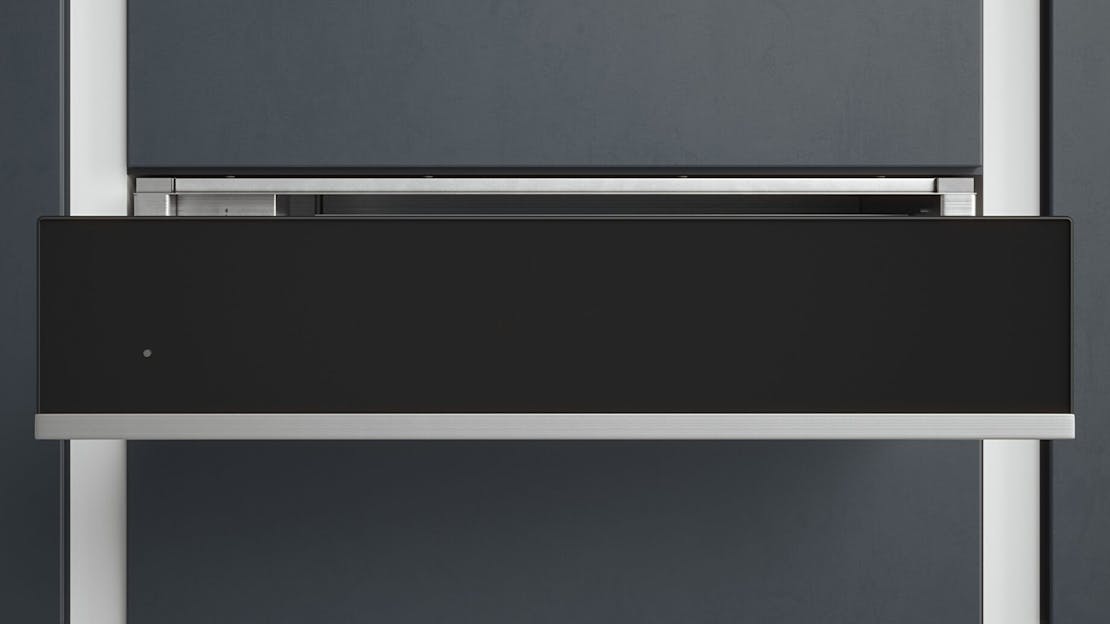
What Are Warming Drawers?
A warming drawer is a specialized kitchen appliance built to maintain food at a consistent serving temperature without continuing to cook it. Unlike a conventional oven set to a low temperature, a warming drawer is engineered specifically for the purpose of holding dishes at the ideal warmth until you are ready to serve them. They are a favored addition to modern kitchens, offering convenience and precision for anyone who takes meal preparation seriously.
These appliances typically slide beneath a countertop, wall oven, or cooktop, integrating seamlessly into your kitchen layout. Most models feature adjustable temperature controls, allowing you to select the right level of heat depending on the type of food being held.
What Does a Warming Drawer Do?
The primary function of a warming drawer is to keep food at a stable, ready-to-serve temperature. Whether you have prepared a multi-course meal and need to keep early dishes warm, or you simply want to hold plates at a comfortable temperature before serving, a warming drawer handles the job with ease. Some models also allow you to proof bread dough, slow-cook certain recipes, or gently warm towels and dishware.
Most warming drawers operate within a temperature range of roughly 80°F to 200°F, though this varies by model. The consistent, low-level heat helps to prevent food from drying out or overcooking, which is a common issue when using a regular oven to keep dishes warm.
How Do Warming Drawers Work?
Warming drawers use a low-wattage electric heating element positioned at the base or rear of the drawer compartment. This element generates a steady, gentle heat that circulates within the insulated interior, maintaining an even temperature throughout. A built-in thermostat monitors and regulates the temperature to ensure consistent results.
Many higher-end warming drawers feature humidity controls or moisture settings, which let you adjust the internal environment to either keep food crispy or retain moisture. The insulated construction minimizes heat loss, ensuring energy-efficient operation and preventing the exterior surfaces from becoming excessively hot.
Pros and Cons of Warming Drawers
As with any kitchen appliance, warming drawers come with their own set of advantages and limitations. Understanding both sides will help you determine whether this addition makes sense for your kitchen setup and cooking habits.
Advantages of Having a Warming Drawer
Consistent Temperature Control — A warming drawer maintains precise, even heat across the entire compartment, ensuring every dish stays at the optimal temperature without overcooking or drying out.
Multi-Course Meal Convenience — If you enjoy hosting dinner parties or preparing elaborate meals, a warming drawer lets you stage dishes as they are completed so everything is served warm simultaneously.
Versatility Beyond Food — Many models can proof yeast dough, warm plates and serving bowls, or even keep towels at a comfortable temperature, making the drawer useful well beyond simple food warming.
Sleek, Space-Saving Design — Warming drawers are designed to fit seamlessly into cabinetry and under-counter spaces, giving your kitchen a streamlined, professional appearance without taking up additional room.
Energy Efficiency — Compared to running a full-sized oven on a low setting, warming drawers consume significantly less energy, saving on utility costs while performing the job more effectively.
Disadvantages of Having a Warming Drawer
Additional Cost — Quality warming drawers represent an investment, with professional-grade models ranging from several hundred to well over a thousand dollars depending on features and brand.
Limited Cooking Capability — A warming drawer is not a substitute for an oven. It is designed to hold and warm food, not to cook it from scratch. Expecting more from it will lead to disappointment.
Requires Dedicated Space — Installation means committing a section of your cabinetry or a wall slot to the drawer, which may not be ideal for smaller kitchens with limited layout flexibility.
Not Essential for Everyone — If you rarely cook multi-course meals or host gatherings, the practical benefit of a warming drawer may not justify the expense and space it requires.
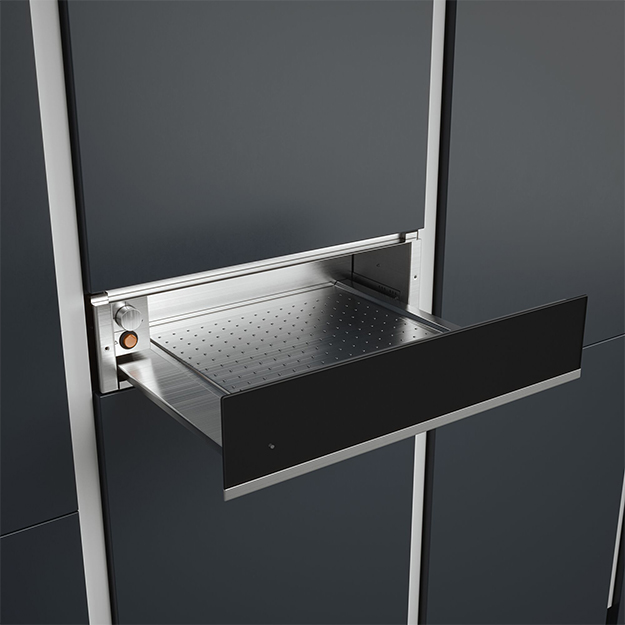
Evidence: Where Warming Drawers Are Particularly Useful
Warming drawers prove their value in a range of scenarios. For avid home cooks who regularly prepare large holiday dinners, they make coordinating multiple dishes far simpler. Professional-style home kitchens benefit greatly from the added capability, especially when paired with high-end ranges and ovens. Families with staggered meal times also find warming drawers invaluable, keeping dinner warm and fresh for latecomers without reheating.
Entertaining is another area where these drawers shine. When hosting parties or buffets, having a warming drawer means appetizers and entrees stay at a safe and pleasant temperature while guests mingle and serve themselves at their own pace.
What Types of Warming Drawers Are Available?
Integrated Warming Drawers
Integrated models are designed to be built directly into your kitchen cabinetry. They sit flush with surrounding surfaces and offer a clean, seamless look that blends in with the rest of your kitchen design. These are the most popular option for kitchen renovations and new builds where aesthetics and space planning are a priority.
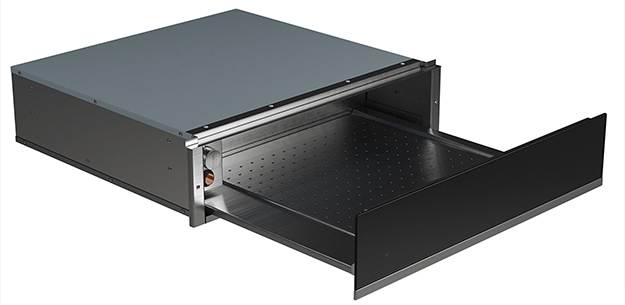
Freestanding and Countertop Warming Drawers
If a built-in installation is not an option, freestanding and countertop warming drawers offer flexible alternatives. Freestanding models can be placed on any level surface, while countertop versions sit on top of a counter and are generally smaller in capacity. These options are ideal for renters or anyone who wants the convenience of a warming drawer without committing to a permanent installation.
Warming Drawer Size and Installation
Choosing the Right Size
Warming drawers are commonly available in 24-inch and 30-inch widths, with 30-inch being the most standard size for residential kitchens. Choosing the right size depends on your typical cooking volume, how frequently you entertain, and the available space in your cabinetry layout. A 30-inch model generally offers enough room to hold multiple plates or serving dishes at once.
Installation Requirements
Built-in warming drawers require a dedicated electrical connection (usually a standard 120V outlet) and a properly sized cabinet cutout. It is essential to follow the manufacturer's specifications for ventilation clearances and mounting dimensions. Professional installation is recommended to ensure a safe and secure fit, especially when positioning the drawer beneath a cooktop or oven.
Electrical Requirements
Most warming drawers require a 120V, 15-amp dedicated circuit. Some higher-powered models may require a 20-amp circuit. Always consult the product's installation guide and consider having a licensed electrician verify that your kitchen's electrical setup meets the requirements before purchase.
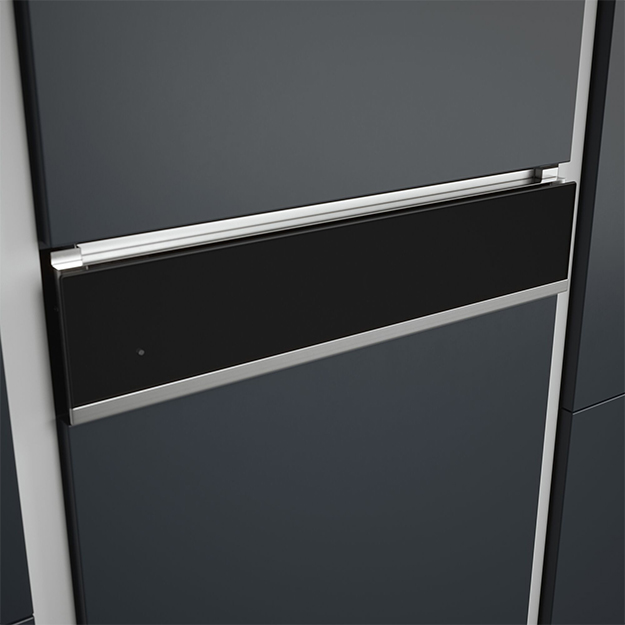
Temperature Control and Settings on Warming Drawers
Temperature control is one of the most important features to evaluate when selecting a warming drawer. Most models offer adjustable settings that cover a wide range of warming needs, from delicate pastries to hearty roasts.
Many premium warming drawers also include a moisture control feature with multiple settings. A dry or low-moisture setting is ideal for keeping bread, pastries, and fried foods crispy, while a moist or high-moisture setting helps retain the juiciness of meats, casseroles, and vegetables. Understanding how to use these controls together with the temperature settings will allow you to get the most out of your warming drawer.
Ready to Upgrade Your Kitchen?
Explore our professional-grade warming drawer built for performance, reliability, and sleek design that complements any modern kitchen.
Tips for Getting the Most Out of Your Warming Drawer
Preheat First: Allow the drawer to reach its target temperature before placing food inside. This ensures even warmth from the start.
Cover Dishes: Use lids or aluminum foil to retain moisture and prevent food surfaces from drying out during extended warming periods.
Avoid Overcrowding: Leave space around items for air to circulate evenly. Stacking or packing dishes too tightly leads to uneven heating.
Match the Setting: Use lower settings for delicate items like pastries and higher settings for dense proteins. Always match the temperature to the food type.
Final Thoughts
A warming drawer may seem like a luxury, but for anyone who regularly cooks multi-course meals, hosts guests, or simply wants their food served at the ideal temperature, it quickly becomes an indispensable part of the kitchen. The key is to select a model that fits your cooking habits, kitchen layout, and budget.
From integrated professional units to compact countertop options, there is a warming drawer suited for every kitchen. Pay close attention to temperature range, humidity controls, size, and installation requirements to make the right choice. Once installed, you will wonder how you ever managed without one.
BACKYARD PROVIDER — Your Trusted Source for Outdoor Living & Home Essentials