


 Damage
  Loss
Loss  Theft
Theft 


Snow Blower vs. Snow Thrower: Understanding the Key Differences
Winter is coming, and with it comes the age-old question: what's the real difference between a snow blower and a snow thrower? If you've ever stood in the snow aisle wondering which machine is right for your property, you're not alone. Let's cut through the confusion and help you make an informed decision.
What's the Real Difference?
Let's start by clearing up the terminology that causes so much confusion in the winter equipment world.
A snow thrower is fundamentally a single-stage machine. This means it features one rotating auger that both scoops up snow and propels it out of the discharge chute in a single motion—similar to how a mechanical snowball pitcher operates. These machines are lightweight, simple to operate, and perfect for handling light-duty snow removal tasks.
In contrast, a snow blower typically describes a two-stage machine. This more sophisticated design employs two separate mechanisms: the auger first gathers snow, then a high-speed impeller fan propels it away with considerably more force. This dual-action system makes snow blowers more powerful and better equipped to handle deeper accumulations, wetter snow conditions, and often includes self-propelled wheels for easier maneuverability through challenging terrain.
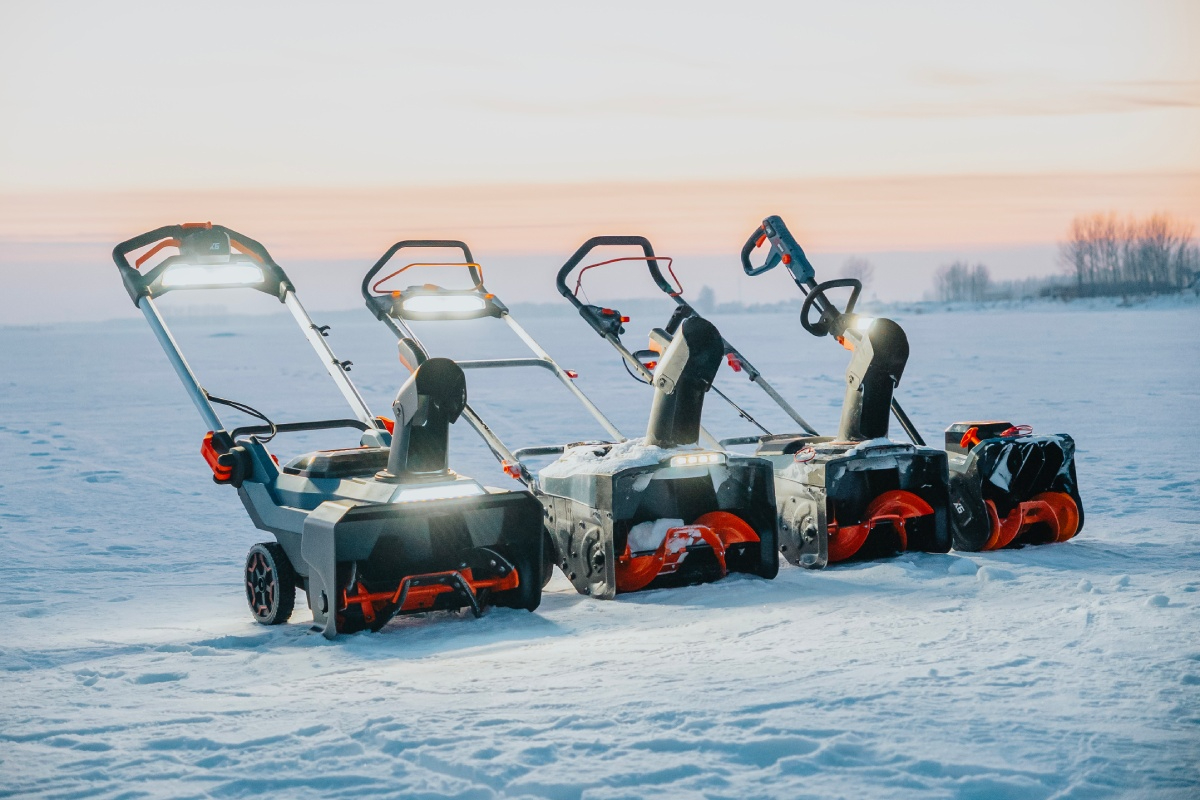 Selecting the Perfect Machine: Match Your Equipment to Your Winter Reality
Not every snowstorm—or driveway—requires the same approach. Choosing between a thrower and a blower ultimately comes down to aligning the machine with your specific circumstances and requirements.
If your driveway is compact—let's say just a couple of car lengths—and you typically experience dry, powdery snow under 4 inches, a snow thrower is often more than sufficient. These units are compact, straightforward to use, and frequently available in electric models, making them quiet, low-maintenance, and ideal for urban or suburban applications with smaller clearing areas.
However, if you're dealing with a long gravel driveway, frequent lake-effect snow dumps, or slushy conditions, you'll want a snow blower. These machines are engineered for substantial jobs. They feature wider intake widths (typically 24-30 inches), superior torque (up to 20 inches or more), and gas-powered engines offering exceptional clearing capacity.
Terrain and Surface: Gravel vs. Pavement Considerations
Single-stage throwers perform optimally on flat, paved surfaces. Their auger makes direct contact with the ground and helps propel the snow forward. Use them on gravel, and you risk launching more rocks than snow—straight into your car, fence, or living room window.
Two-stage snow blowers, by design, don't let the auger contact the ground. Instead, they glide over uneven terrain on skid shoes, making them safer and effective on gravel, dirt, or rough asphalt. If you maintain a long or unpaved driveway, a snow blower is definitively the superior choice.
Weight, Storage, and Physical Requirements
Snow throwers are lightweight—often under 50 pounds—and easy to maneuver around, even for smaller users. They can be stored upright in a closet or corner of the garage, and many electric models don't even require gas or oil.
Snow blowers, conversely, are heavy-duty tools. Some models exceed 250 pounds, but most are self-propelled, meaning they propel themselves forward as you steer. Still, you'll need adequate space to store them, usually a garage or shed. And while they minimize physical strain during operation, they require a bit more effort to maintain—changing oil, checking spark plugs, replacing skid shoes, and similar upkeep tasks.
 Must-Know Specifications (That Actually Matter)
Let's discuss practical details—not marketing hype.
Intake Width: When you think of clearing snow, choose a machine with an intake at least 2 inches broader than your average snowfall. If you regularly get 10-inch snowfalls, don't settle for an 8-inch thrower. You'll be back in the shovel halfway through the job.
Throwing Distance: This measurement matters. Choose a model that clears snow a minimum of 15 feet so it doesn't end up back in your path. Smooth lines will just pile it up again and frustrate you.
Chute Control: Can it rotate or break your workflow? Avoid old-school hand-crank clutter—they freeze up in wet conditions. Look for joystick or lever-controlled models for quick directional changes, especially when snow is flying near windows or cars.
Forget the Heated Grips (For Now): Yes, heated grips are nice, but they're not essential. These luxury features tend to protect your wallet when the auger jams, ignores them, and you could be looking at a 500-dollar repair bill for something entirely superfluous.
Common Mistakes to Avoid
• Using a single-stage thrower on a gravel path, and you're asking for trouble: broken auger blades, jam motors, and torn your snow chute into a cannon aiming rocks at your house.
• Running the blower at maximum speed even when you don't need to. Make smooth passes and avoid building up frustration.
• Running a two-stage blower on bare pavement, and you risk grinding down your driveway—literally. The metal skid shoes can scrape asphalt and concrete, creating unnecessary wear and reducing the machine's lifespan.
• Forgetting to replace shear pins! You'll find out fast. These safety devices snap to protect your gear when the auger jams, ignore them, and you could be looking at expensive repair costs instead of a simple part replacement.
The Verdict: Which One Should You Buy?
If your winters are light and your space is small, a snow thrower is a sensible, quiet, and affordable solution. It's perfect for small paved driveways, patios, or sidewalks—and it won't strain your back or your budget.
But if your driveway is long, your snow is heavy, or your terrain is less than perfect, opt for a two-stage snow blower. The upfront cost and space are greater, but so is the payoff in time, effectiveness, and sheer muscle saved.
Final Thought
A snow blower isn't just any winter machine you bought. But with the right one? It can clear your path like a pro—before your neighbor even finishes scraping the windshield.