


 Damage
  Loss
Loss  Theft
Theft 


Understanding Rotary Vane Pumps for Your Backyard
A comprehensive guide to rotary vane pump technology, applications, and maintenance for outdoor enthusiasts and DIY experts
What Exactly Is a Rotary Vane Pump?
A rotary vane pump represents a sophisticated positive displacement mechanism designed to transport fluids and gases with exceptional precision. These pumps operate through a rotating assembly where strategically positioned vanes create sealed chambers that progressively expand and contract, effectively moving substances from the inlet to the discharge point.
Unlike conventional centrifugal pumps that depend on high-speed impellers, rotary vane pumps deliver consistent flow rates regardless of pressure variations. This makes them particularly valuable for backyard applications where reliability and consistent performance are essential, from pool maintenance systems to vacuum-assisted composting setups.
How Does a Rotary Vane Pump Function?
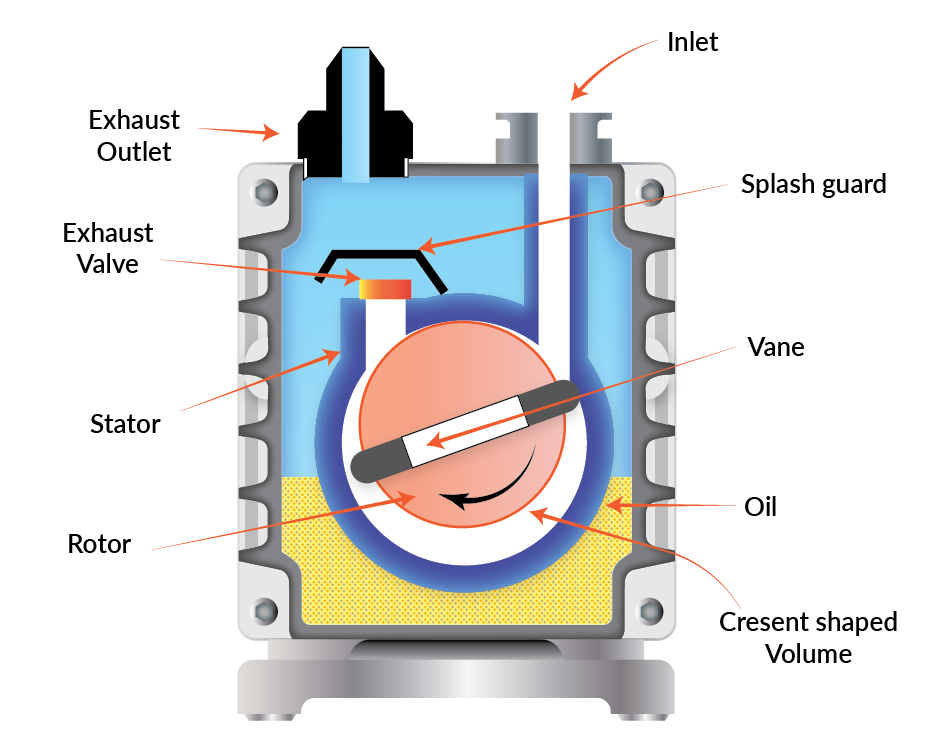
The operational principle of rotary vane pumps centers around an elegantly simple yet highly effective design. Within the pump housing, a cylindrical rotor sits offset from the chamber's center axis. Multiple vanes slide freely within slots machined into this rotor.
As the rotor spins, centrifugal force combined with carefully engineered spring mechanisms push the vanes outward, maintaining continuous contact with the inner chamber wall. This creates progressively changing sealed compartments. As these chambers expand near the inlet port, they draw fluid or gas inward. Subsequently, as the rotor continues rotating and these chambers decrease in volume, the captured substance is compressed and expelled through the discharge outlet.
The continuous nature of this process, with multiple vanes operating simultaneously, ensures smooth, pulsation-free flow that's ideal for sensitive outdoor equipment and applications requiring precise control.
Rotary Vane Pumps vs. Centrifugal Pumps
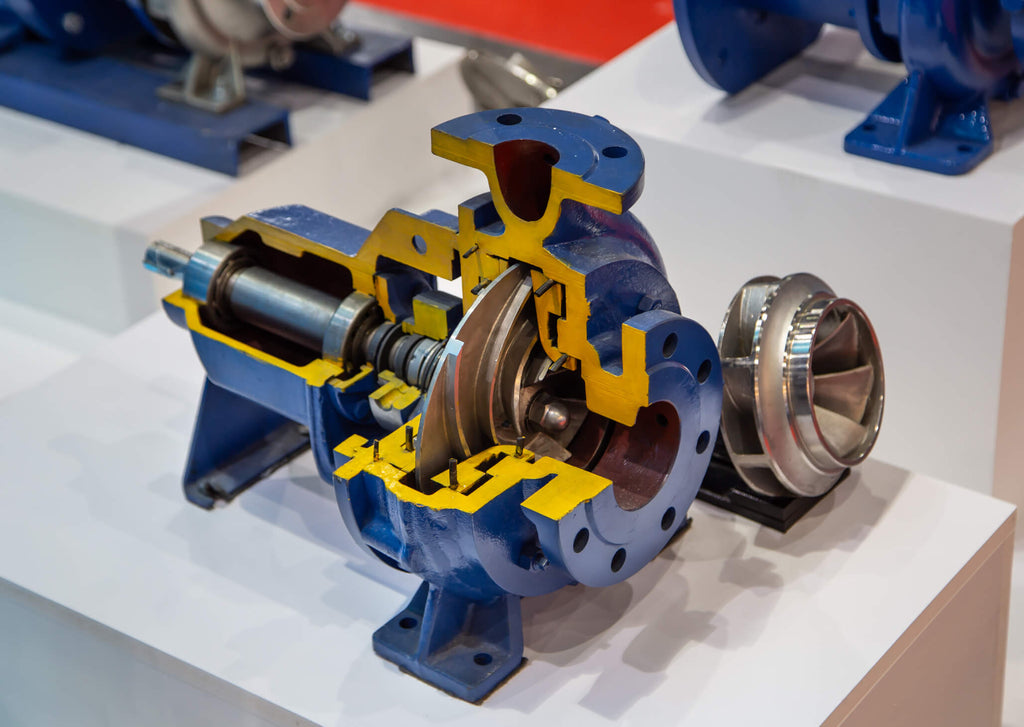
While both pump types serve important roles, they operate on fundamentally different principles. Centrifugal pumps accelerate fluid through a high-speed impeller, converting velocity into pressure. Rotary vane pumps, conversely, mechanically trap and transport fixed volumes of fluid with each rotation.
Key Distinction: Rotary vane pumps maintain consistent flow regardless of outlet pressure, whereas centrifugal pump performance varies significantly with system resistance. For backyard applications requiring predictable, controlled fluid movement, rotary vane technology often proves superior.
Perfect displacement characteristics also mean rotary vane pumps can handle higher viscosity liquids and create deeper vacuums—capabilities that expand their usefulness for specialized outdoor projects and equipment.
Practical Applications for Backyard Use
Rotary vane pumps have found their way into numerous outdoor and backyard applications where reliability and performance matter. Their versatility makes them invaluable tools for the serious outdoor enthusiast.
Pool & Water Features
Maintaining optimal water circulation in pools, fountains, and decorative water features with consistent pressure.
Irrigation Systems
Delivering precise water volumes for drip irrigation and automated garden watering systems.
Pressure Washing
Powering high-pressure cleaning equipment for decks, patios, and outdoor surfaces.
Vacuum Applications
Creating vacuum for freeze-drying equipment, vacuum sealing, and specialized outdoor processing.
Chemical Transfer
Safely moving fertilizers, treatments, and maintenance chemicals with controlled delivery.
HVAC Systems
Supporting outdoor climate control equipment and seasonal heating or cooling units.
Essential Components of a Rotary Vane Pump
Understanding the key components helps with maintenance and troubleshooting. Each element plays a critical role in the pump's overall performance.
Primary Components
- Rotor: The eccentric rotating element that drives the vanes
- Vanes: Sliding blades that create the sealed chambers
- Stator Housing: The cylindrical chamber containing the rotor
- End Covers: Plates sealing the pump assembly
Supporting Elements
- Inlet Port: Entry point for fluid or gas
- Discharge Outlet: Exit point under pressure
- Drive Shaft: Connects to the motor power source
- Seals & Gaskets: Prevent leakage and maintain chamber integrity
Different Types of Rotary Vane Pumps
Several variations of rotary vane pump technology exist, each optimized for specific applications. Understanding these differences helps select the right pump for your backyard needs.
Single-Stage Configuration
The most straightforward design featuring one compression chamber. These pumps excel in general-purpose applications where moderate vacuum or pressure levels suffice. Perfect for basic water transfer, irrigation control, and light-duty outdoor equipment.
Two-Stage Design
Incorporating two sequential compression chambers, these pumps achieve significantly deeper vacuums and higher pressures. The first stage performs initial compression, while the second stage further intensifies the output. Ideal for freeze-drying equipment, vacuum sealing operations, and advanced outdoor processing applications.
High-Volume Models
Engineered with larger vanes and expanded chambers to move greater fluid volumes per rotation. These workhorses handle demanding tasks like pool circulation, large-scale irrigation, and commercial-grade pressure washing.
Specialty Configurations
Purpose-built designs optimized for unique requirements—corrosion-resistant materials for chemical handling, food-grade construction for outdoor processing, or explosion-proof housings for volatile substance transfer.
Oil-Lubricated vs. Dry-Running Pumps
A fundamental distinction exists between pumps requiring oil lubrication and those operating without it. Each approach offers specific advantages depending on your application.
Oil-Lubricated Operation
Traditional designs use oil to lubricate moving components, seal gaps between vanes and housing, and dissipate operational heat. This provides superior longevity and enables deeper vacuum creation.
Maintenance requirements: Regular oil level monitoring, periodic oil changes, and attention to potential contamination. The oil creates a perfect seal while protecting components from wear.
Dry-Running Technology
Modern innovations use self-lubricating materials like carbon or specialized polymers for the vanes, eliminating oil entirely. This prevents contamination concerns for sensitive applications.
Operational benefits: Minimal maintenance, no oil disposal, and guaranteed contamination-free output. However, these typically achieve less extreme vacuums than oil-lubricated counterparts.
Upgrade Your Backyard Equipment
Discover premium vacuum pump technology designed for reliability and performance in demanding outdoor applications
Premier Vacuum PumpDo Rotary Vane Pumps Require Oil?
The oil question deserves careful consideration as it significantly impacts maintenance requirements and application suitability.
Oil-based systems require regular attention: Check oil levels before each use, monitor for contamination or discoloration, and perform complete oil changes at recommended intervals—typically every 100-500 operating hours depending on application intensity.
The oil serves multiple critical functions: it creates an effective seal between moving components, reduces friction and wear, removes operational heat, and protects against corrosion during storage. Quality pump oil specifically formulated for vacuum applications ensures optimal performance.
For backyard applications, oil-lubricated pumps generally offer the best combination of performance, longevity, and cost-effectiveness, provided you're prepared to invest minimal time in basic maintenance.
Benefits of Proper Pump Lubrication
When maintained correctly with appropriate lubrication, rotary vane pumps deliver exceptional value and performance.
- Extended Component Life: Proper lubrication dramatically reduces wear on vanes, rotor, and housing, multiplying pump longevity by several times compared to inadequately maintained units.
- Consistent Performance: Well-lubricated pumps maintain their rated flow and vacuum capabilities throughout their service life, avoiding the performance degradation common with poorly maintained equipment.
- Enhanced Sealing: Oil fills microscopic gaps, creating superior seals that enable deeper vacuums and more efficient operation.
- Temperature Management: Oil circulation removes heat generated by compression and friction, preventing thermal damage and maintaining optimal operating temperatures.
- Corrosion Prevention: Quality lubricants protect internal components from moisture and oxidation, particularly important during seasonal storage.
Advantages of Rotary Vane Pump Technology
These pumps offer compelling benefits that explain their popularity across diverse applications:
Compact Footprint
Space-efficient design fits easily into backyard setups without requiring dedicated pump houses or extensive installation areas.
Smooth Operation
Multiple vanes working simultaneously create pulsation-free flow, reducing stress on connected equipment and piping.
Self-Priming Capability
Can evacuate air and establish flow without external priming, simplifying startup and operation.
Pressure Independence
Maintains consistent flow regardless of outlet pressure variations, providing predictable performance.
Quiet Performance
Operates with minimal noise compared to alternatives, important for residential backyard environments.
Versatile Application Range
Handles liquids, gases, and even two-phase mixtures effectively across varied viscosities.
Potential Limitations to Consider
While rotary vane pumps excel in many scenarios, understanding their limitations ensures appropriate application selection:
Considerations
- Regular maintenance requirements for oil-lubricated models, including monitoring and periodic oil changes
- Sensitivity to particulate contamination—proper filtration essential to prevent accelerated vane wear
- Higher initial investment compared to basic centrifugal pumps, though often offset by superior longevity
- Vane replacement eventually necessary as a normal wear item, though typically only after thousands of operating hours
Mitigating Factors
- Maintenance requirements are straightforward and require minimal time investment
- Proper filtration completely prevents contamination issues
- Superior reliability and performance justify the investment for serious applications
- Vane replacement is simple, and sets are reasonably priced as consumable components
Making the Right Choice for Your Backyard
Rotary vane pumps represent proven technology that delivers exceptional performance when properly matched to application requirements. Their combination of reliability, consistent output, and versatile capability makes them ideal for serious backyard enthusiasts who demand professional-grade results.
Whether you're maintaining an elaborate water feature, operating a sophisticated irrigation system, powering freeze-drying equipment for food preservation, or managing any of countless other outdoor applications, rotary vane pump technology provides the dependable performance that turns ambitious projects into successful realities.
Investment Perspective: While quality rotary vane pumps require greater initial investment than basic alternatives, their superior longevity, consistent performance, and lower operational costs create compelling value over their extended service life. For applications demanding reliability, they're simply the right tool for the job.