


 Damage
  Loss
Loss  Theft
Theft 


Inside a Sewer Inspection: How Sewer Cameras Transform Plumbing Maintenance
When something goes wrong deep within your plumbing system, identifying the exact problem can feel like searching for a needle in a haystack — except the haystack is buried underground. Traditional plumbing diagnostics once required costly and invasive excavation just to pinpoint a blockage or crack. Today, sewer camera inspections have completely revolutionized the process, giving homeowners and professionals alike a crystal-clear view of what is happening inside their pipes without ever lifting a shovel.
Sewer inspection cameras are compact, waterproof devices mounted on flexible push rods that snake through your drain and sewer lines. Equipped with powerful LED lighting and high-resolution lenses, these cameras deliver real-time video footage directly to an above-ground monitor, allowing plumbers to see every inch of your pipe system from the inside out. Whether it is tree root intrusion, a collapsed section, grease buildup, or a simple clog, a sewer camera reveals the full story with pinpoint accuracy.
Benefits of Using Sewer Cameras
The advantages of sewer camera inspections extend far beyond simple convenience. One of the most significant benefits is the ability to achieve a precise diagnosis without any destructive digging. Instead of tearing up your yard, driveway, or foundation to locate a suspected issue, a camera inspection identifies the exact nature and location of the problem in a matter of minutes.
Another major advantage is cost savings. Because the camera eliminates guesswork, you avoid paying for unnecessary repairs or exploratory excavations. Plumbers can go straight to the source of the issue, propose the right fix, and execute the repair efficiently. This focused approach reduces both labor hours and material costs significantly.
Sewer cameras also support preventive maintenance. Even when nothing appears to be wrong, a routine camera inspection can catch early-stage problems — such as minor cracks, corrosion, or early root infiltration — before they escalate into expensive emergencies. For homeowners buying a new property, a pre-purchase sewer inspection provides invaluable peace of mind about the condition of the home's underground infrastructure.
Furthermore, recorded footage from a sewer camera inspection serves as documented proof that can be shared with insurance companies, home buyers, or municipal authorities when needed. This visual evidence adds a layer of transparency and accountability to every plumbing job.
How Sewer Cameras Work
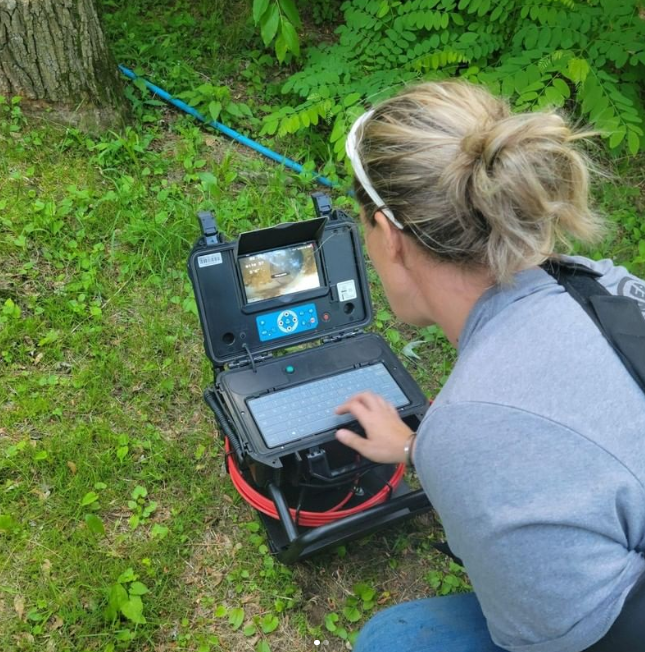
At the core of every sewer inspection system is a small, high-definition camera head attached to the end of a semi-rigid, flexible push rod. The push rod is carefully fed through an accessible entry point — usually a cleanout, drain opening, or toilet flange — and guided through the pipe network. As the camera travels through the line, it captures continuous video that is transmitted in real time to a portable monitor or recording device above ground.
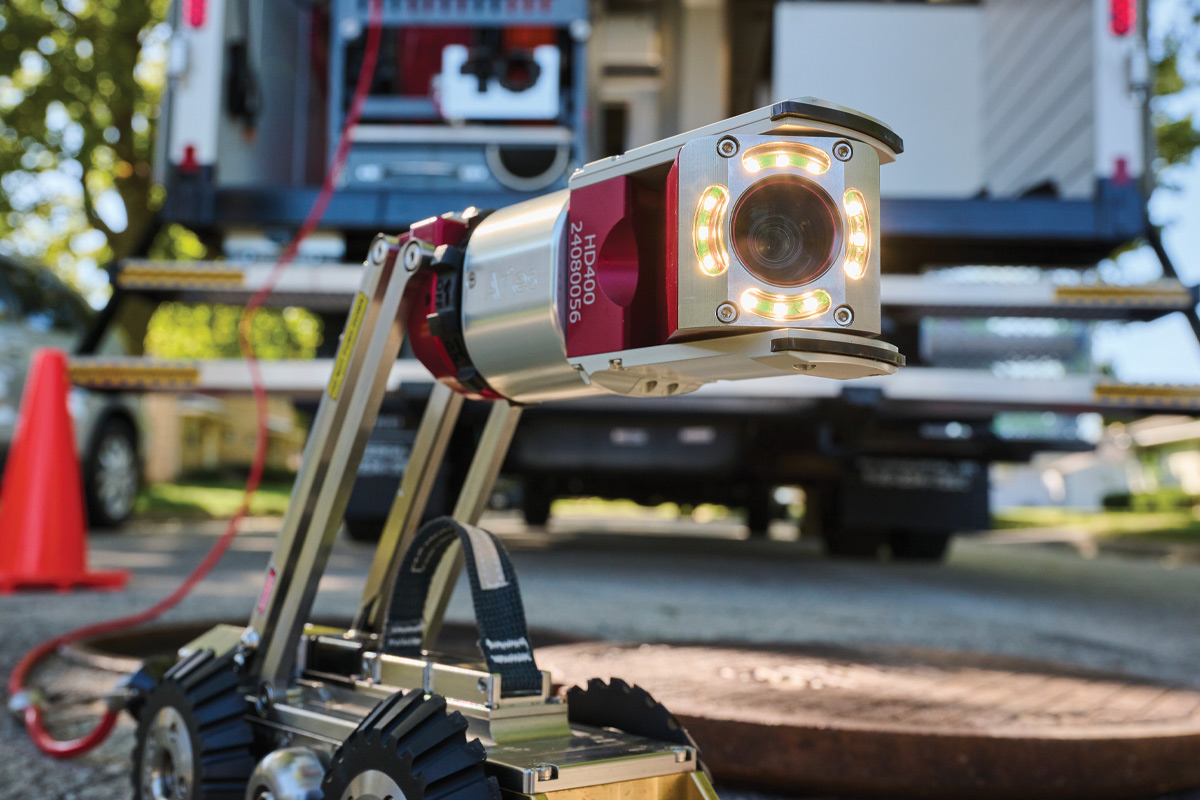
The camera head itself is built to withstand harsh conditions. It is fully waterproof, encased in rugged housing, and outfitted with LED lights that illuminate the dark interior of the pipe. Many modern units feature self-leveling camera heads, meaning the image stays upright regardless of how the camera rotates inside the pipe. This makes it far easier for the operator to identify issues and understand the pipe's orientation.
Push rods come in varying lengths — commonly ranging from 100 to 200 feet or more — allowing technicians to inspect extensive pipe runs from a single access point. The flexibility of the rod ensures it can navigate bends, joints, and transitions between different pipe sections smoothly. Some advanced systems also include a built-in locator transmitter, or sonde, which emits a signal that can be detected above ground. This enables the operator to mark the exact location and depth of a problem so that any necessary excavation is as minimal as possible.
Modern Sewer Cameras Feature
Self-leveling heads • HD resolution • Built-in sonde locators • Wi-Fi recording • LED illumination • Waterproof construction
Understanding Sewer Camera Equipment
Sewer camera systems vary in complexity and capability, but most professional-grade setups share several key components. The camera head is the most critical piece — its size determines which pipe diameters it can inspect, while its resolution determines the clarity of the footage. Standard camera heads range from roughly 1 inch to over 2 inches in diameter, with smaller heads designed for residential drain lines and larger heads suited for municipal sewer mains.
The push rod connects the camera to the operator and serves as the delivery mechanism. Rods are typically made from fiberglass or a similar semi-rigid material that offers the right balance of flexibility and stiffness. A rod that is too stiff will struggle with tight bends, while one that is too flexible may buckle under pressure. Push rod lengths commonly range from 100 feet for residential jobs to 200 feet or more for commercial and municipal inspections.
The control unit and monitor sit above ground and display the live video feed from the camera. Many current models include built-in recording capabilities — either to SD cards, USB drives, or via Wi-Fi to mobile devices and cloud storage. On-screen distance counters, text generators for adding notes, and snapshot features are all common in today's professional systems. Some units also include voice-over recording, allowing the technician to narrate findings as they go.
Common Applications of Sewer Cameras
Sewer cameras serve a wide variety of purposes across residential, commercial, and municipal settings. Here are some of the most frequent scenarios where they prove indispensable:
Diagnosing Recurring Clogs
When drains keep backing up despite repeated clearing attempts, a camera inspection reveals the underlying cause — whether it is a bellied pipe, offset joint, root intrusion, or buildup of debris. Understanding the root cause allows for a permanent solution rather than a temporary fix.
Pre-Purchase Property Inspections
Buyers investing in a new home or commercial building can request a sewer scope to evaluate the underground plumbing before committing to a purchase. This step has saved countless buyers from inheriting costly sewer problems hidden beneath the surface.
Locating Pipe Damage and Cracks
Cracked, broken, or collapsed pipe sections are clearly visible through camera footage. Identifying the precise location and extent of damage enables targeted repairs such as pipe lining or spot replacement, avoiding unnecessary full-line excavation.
Verifying Completed Repairs
After a repair or pipe replacement has been completed, a follow-up camera inspection confirms that the work was done correctly and that the line is flowing freely. This verification step gives both the plumber and the customer confidence in the quality of the work.
Detecting Tree Root Intrusion
Tree roots are among the most common causes of sewer blockages. They penetrate pipe joints and cracks in search of moisture, and once inside, they grow rapidly and create severe obstructions. A camera inspection shows exactly where roots have entered and how extensively they have spread.
Planning and Scoping Renovation Work
Before undertaking a major remodel or addition that involves plumbing changes, a camera inspection maps out the existing sewer layout. This knowledge helps engineers and contractors plan new connections without compromising the existing system.
Choosing the Right Sewer Camera
Selecting the ideal sewer camera depends heavily on the type of work you perform and the pipe environments you encounter most frequently. For residential plumbers handling standard 2-to-6-inch drain lines, a compact system with a smaller camera head and a 100-to-200-foot push rod is typically sufficient. These systems are lightweight, portable, and designed for quick setup and deployment.
For commercial and municipal applications involving larger mainline sewers, more robust systems with larger camera heads, longer push rods, and heavy-duty reels are necessary. These setups often feature pan-and-tilt camera heads that can swivel to inspect lateral connections and offer a broader field of view within larger diameter pipes.
Key factors to weigh when evaluating a sewer camera include image resolution, camera head diameter, push rod length and material, recording capabilities, built-in locator compatibility, durability of the housing, and the quality of the monitor display. Consider also the availability of replacement parts and manufacturer support, as sewer cameras are precision instruments that will eventually require maintenance and service.
Featured Product
Hathorn H7 Sewer Camera System
Professional-grade 1.23-inch SL camera head with 200-foot push rod and 64GB Wi-Fi-enabled recording — built for reliable residential and commercial sewer inspections.
Hathorn H7 SL Camera 200-FtTips for Effective Sewer Inspections
Getting the most out of a sewer camera inspection requires more than just owning the equipment — technique and preparation play equally important roles. Consider the following best practices to ensure consistent, professional-quality results:
Proper Camera Maintenance
Keep the camera head lens clean before and after every use. Residue from previous inspections can cloud the image and lead to misdiagnosis. Regularly inspect the push rod for kinks, wear, or damage that could affect its maneuverability inside the pipe.
Know Your Pipe Layout
Before inserting the camera, gather as much information as possible about the pipe system you are inspecting. Understand the material, age, diameter, and general layout. This background knowledge helps you interpret what you see on screen more accurately and navigate the system more effectively.
Control Your Speed
Feed the push rod slowly and steadily through the line. Rushing the camera through the pipe increases the risk of missing subtle defects and can cause unnecessary wear on the equipment. Patience yields the most thorough and accurate inspections.
Record Everything
Always record the full inspection, not just the sections where problems are visible. A comprehensive recording serves as a complete record of the pipe's condition and can be reviewed later if questions arise. It also provides documentation for insurance or real estate purposes.
Use the Locator
When a problem is identified, use the camera's built-in sonde transmitter along with an above-ground locator to mark the exact spot. This step is critical for planning targeted repairs and avoiding unnecessary excavation of unaffected areas.
Clean the Line First
Whenever possible, clear the line with a jetter or cable machine before running the camera. Standing water, sludge, and debris can obscure the camera's view and make it difficult to assess the true condition of the pipe walls. A pre-cleaned line delivers the clearest footage.

Maintenance and Care of Sewer Cameras
A sewer camera is a significant investment, and taking proper care of it ensures it continues to perform at a high level for years. After every inspection, thoroughly clean the camera head and push rod. Wipe down the lens with a soft, lint-free cloth and remove any residue from the rod. If the system was used in a particularly dirty environment, a gentle rinse with clean water followed by thorough drying is recommended.
Inspect the push rod regularly for signs of wear, fraying, or kinking. A compromised rod can become stuck inside a pipe, creating a secondary problem. Check all cable connections and electrical contacts for corrosion or damage. Store the camera and push rod properly — ideally on the reel in a dry, temperature-controlled environment — to prevent unnecessary stress on the components.
The monitor and control unit should be protected from moisture and impact. Use the carrying case provided by the manufacturer when transporting the system. Keep firmware and software updated to ensure you are benefiting from the latest features and performance improvements. If any component shows signs of malfunction — flickering video, intermittent signal loss, or reduced LED brightness — address the issue promptly to avoid equipment failure in the field.
"A well-maintained sewer camera does not just protect your investment — it protects the accuracy of every inspection you perform and the trust your clients place in your work."
Sonde Locators and Pipe Mapping
One of the most valuable features found in professional sewer camera systems is the built-in sonde, or locator transmitter. This small device is housed within the camera head and emits a radio signal at a specific frequency. When paired with a compatible above-ground receiver, the operator can locate the camera's exact position underground — including its depth beneath the surface.
This capability is essential for accurately pinpointing the location of defects, blockages, or areas that require repair. Without a sonde, a plumber might know what the problem is but not exactly where it is, which can lead to wider-than-necessary excavation and higher costs. With precise locating data, repair crews can dig directly above the affected area, minimizing disruption to the property and dramatically reducing restoration expenses.
Advanced users also leverage sonde data in combination with distance counters on the push rod to create detailed maps of a property's sewer infrastructure. These maps are invaluable for facility managers, municipal engineers, and property owners who need a reliable reference of their underground utility layout for future planning and maintenance.
When to Call a Professional vs. DIY
While consumer-grade sewer cameras are available, there is a significant difference between basic inspection tools and professional-grade systems designed for daily use in demanding environments. Homeowners can benefit from entry-level camera snakes for basic drain checks, but anything involving mainline sewers, complex pipe networks, or the need for precise locating should be left to trained professionals with the right equipment.
Professional plumbers bring not just better equipment but years of experience in interpreting camera footage. Identifying the difference between a minor scale buildup and an early-stage pipe failure requires a trained eye. Similarly, distinguishing between an offset joint and a bellied section, or recognizing the early stages of root intrusion versus an established root mass, demands expertise that comes only with extensive hands-on experience.
For property owners considering investing in their own sewer camera for maintenance or inspection purposes, it is worth choosing a system that balances quality, durability, and features suited to the tasks at hand. A well-chosen camera pays for itself quickly through avoided service calls and the ability to monitor your plumbing health proactively.
Explore Our Inspection Equipment
Ready to See Inside Your Pipes?
Equip yourself with professional-grade sewer inspection technology — built to last and designed for precision in every job.
Hathorn H7 SL Camera 200-FtConclusion
Sewer camera inspections have fundamentally changed how plumbing professionals and property owners approach underground pipe maintenance. What was once a process defined by guesswork, costly excavation, and reactive repairs has evolved into a streamlined, technology-driven practice rooted in accuracy and prevention.
From diagnosing stubborn clogs and detecting root intrusion to verifying completed repairs and mapping entire sewer systems, the modern sewer camera empowers professionals and homeowners alike with the visual intelligence they need to make informed decisions about their plumbing infrastructure.
Investing in the right camera system — and maintaining it properly — is an investment in long-term reliability, efficiency, and peace of mind. Whether you are a seasoned plumber expanding your toolkit or a property owner taking a proactive approach to maintenance, sewer camera technology is one of the most valuable tools available in modern plumbing.