


 Damage
  Loss
Loss  Theft
Theft 


How to Choose the Best Mini Wiffle Ball Pitching Machine
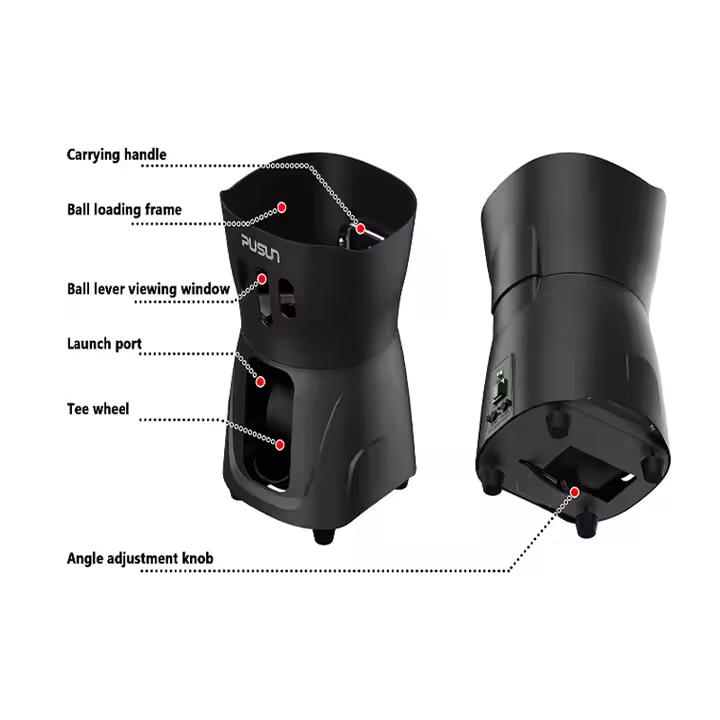
Selecting the ideal mini wiffle ball pitching machine for backyard training or youth development requires careful consideration of several key factors. Look for models that offer adjustable speed settings, solid construction, and reliable ball delivery. Compact, battery-powered units deliver exceptional portability and effortless setup—perfect for indoor-safe use and convenient home practice sessions.
These versatile training tools typically accommodate soft plastic or foam balls, significantly reducing injury risk while maintaining authentic pitch simulation that helps young players develop essential batting skills.
Looking for a Premium Pitching Machine? Check Out Our Top Pick:
Heater Crusher Fastball & Curveball Mini Ball Pitching Machine With 4 Hr. Battery
Shop NowAbout Mini Wiffle Ball Pitching Machines
A mini wiffle ball pitching machine represents a scaled-down version of professional baseball pitching equipment, specifically engineered for use with lightweight perforated plastic balls that reduce speed and flight distance. These machines are designed for smaller environments including backyards, garages, and indoor facilities, making them ideal for young athletes, recreational players, and coaches conducting low-impact training sessions.
Unlike traditional pitching machines that launch standard baseballs at high velocities, mini versions operate at gentler speeds using softer projectiles to ensure safety while still promoting skill development. These machines excel at improving hand-eye coordination, timing, and swing mechanics in players typically aged 5 to 14, though adult recreational leagues also find them valuable for warm-ups and skill drills.
The core mechanism generally employs a motor-driven wheel or dual-wheel system that propels the ball forward through manual triggering or automatic feeding. Most models are electric (AC) or battery-powered (DC), providing flexibility in deployment location. Their compact size and simplified controls make them accessible even for those without technical experience.
WhyMini Wiffle Ball Pitching Machines Are Gaining Popularity
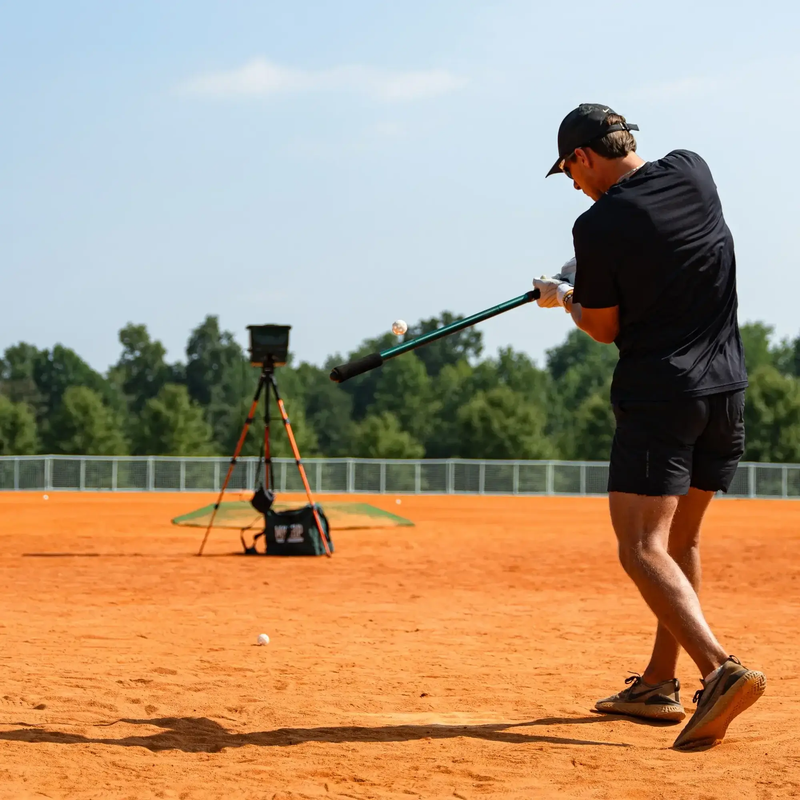
Mini wiffle ball pitching machines have experienced remarkable growth in adoption due to increasing interest in safe, space-efficient sports training solutions. Parents and youth coaches actively seek equipment that allows children to practice hitting fundamentals without requiring large fields or risking injuries associated with fast-moving hardballs.
Urbanization drives much of this trend, as many families lack access to expansive outdoor areas. A portable mini pitching machine enables batting practice in driveways, patios, or multipurpose rooms. Schools and after-school programs also utilize these devices to safely introduce baseball basics in physical education classes.
Affordability represents another significant factor. While full-scale pitching machines typically cost $300 to $800, mini versions often range between $60 and $180, making them accessible entry points for new players. Reduced maintenance requirements—no heavy-duty batteries, complex calibration, or protective enclosures needed—further enhance their appeal.
Social media and online tutorials featuring creative drills using mini machines have boosted visibility, particularly among coaching communities looking for home-use setups tailored to convenience and effectiveness.
Types and Variants
Mini wiffle ball pitching machines come in several configurations, each suited to different user needs. Understanding these variants helps narrow down options based on intended use, age group, and environment.
1. Single-Wheel Machines
Pros: Lightweight, affordable, simple operation
Cons: Less consistency in pitch speed and trajectory; limited adjustability
These basic models use one spinning wheel to eject the ball. Ideal for beginners or very young players (ages 5-8), they offer minimal setup and typically run on AA batteries. However, pitch accuracy varies significantly depending on ball placement and motor stability.
2. Dual-Wheel Machines
Pros: More consistent ball release, better speed control, improved durability
Cons: Slightly heavier, higher price point, may require AC power
Dual-wheel systems grip the ball between two counter-rotating wheels, delivering smoother and more predictable pitches. Preferred for structured training and older children (ages 9-14), some models allow independent wheel speed adjustment to simulate curveballs or changeups.
3. Handheld/Pocket-Sized Launchers
Pros: Highly portable, instant deployment, fun for games
Cons: Very short range, manual reloading required, not suitable for serious practice
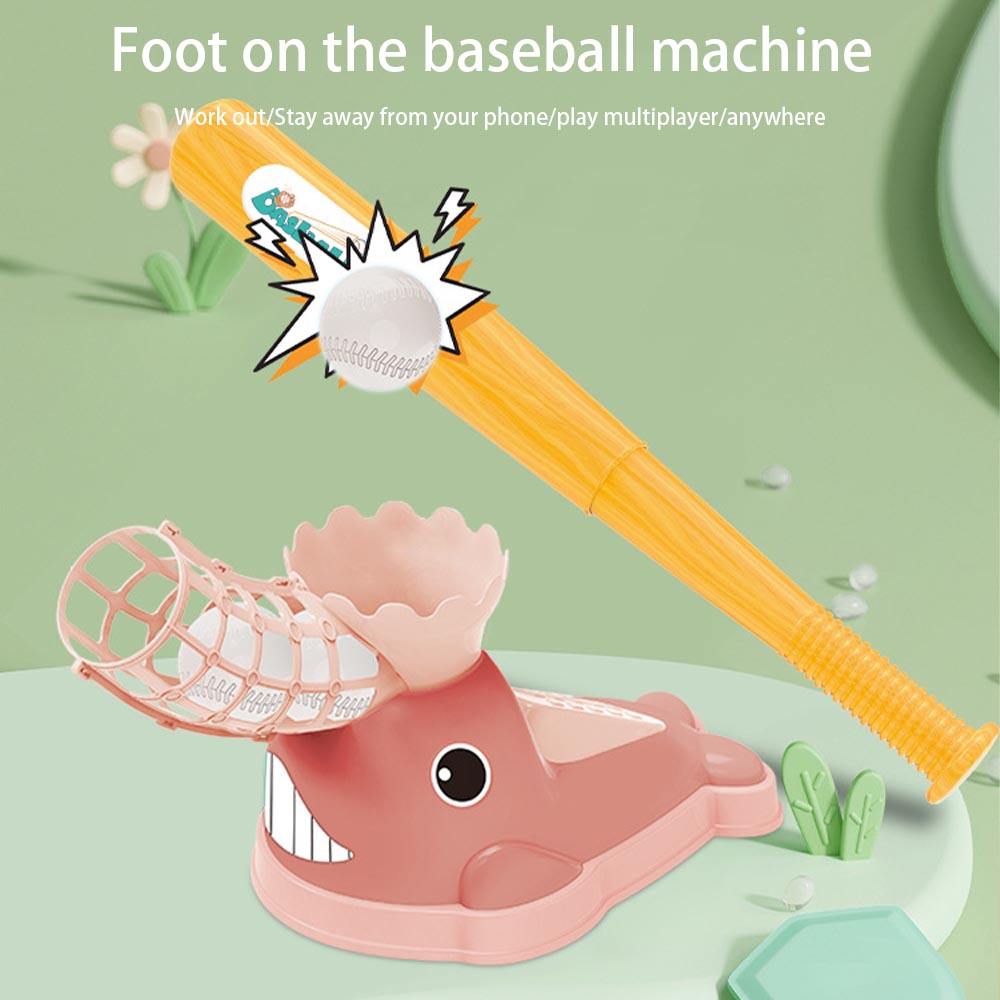
These spring-loaded or small-motor handheld devices launch one ball at a time over short distances (10-20 feet). Marketed more as toys than training tools, they're popular for family play but lack repeatability for skill building.
4. Automatic Feed Models
Pros: Continuous ball feeding, hands-free operation, simulates real game conditions
Cons: Higher cost, potential jamming issues, requires compatible ball sizes
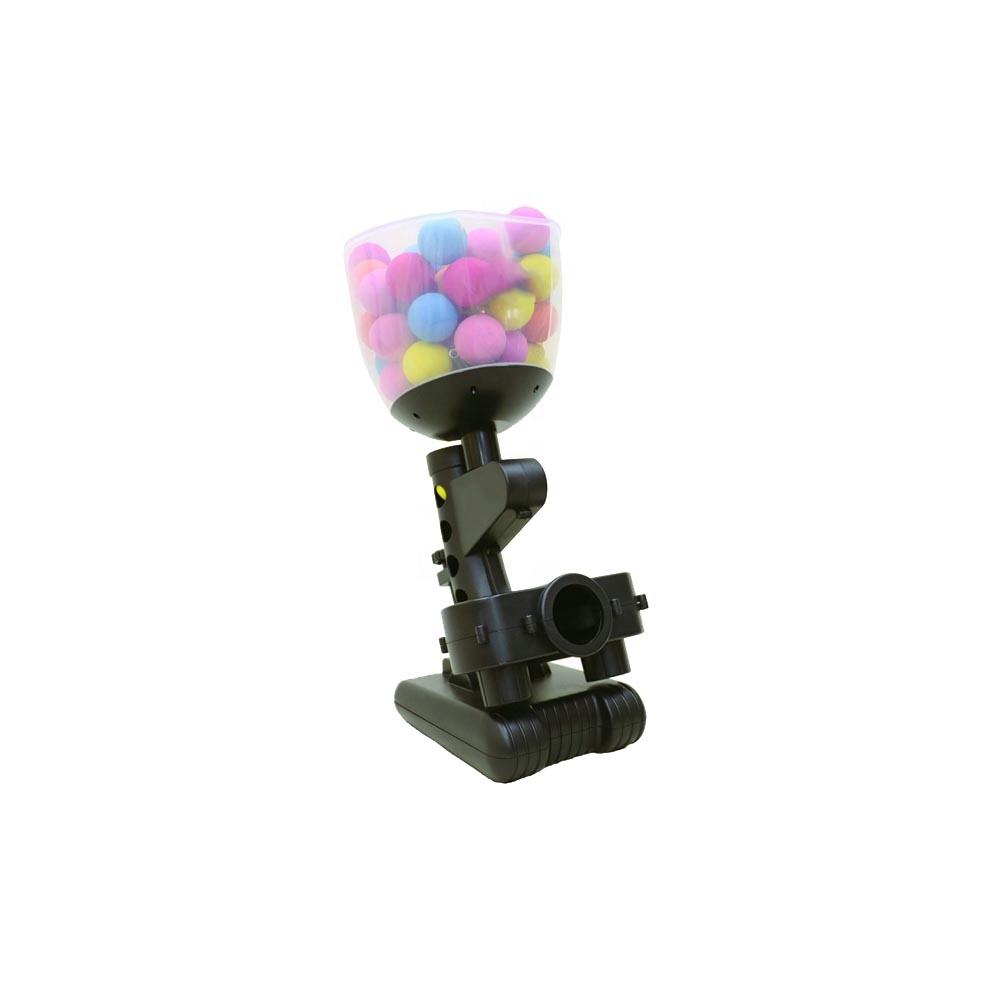
Equipped with a hopper or magazine holding multiple balls (typically 3-6), these models automatically load and launch successive pitches. This feature enhances realism during swing repetition drills. Look for anti-jam designs and easy-clear mechanisms when considering this type.
Key Features and Specifications to Evaluate
To determine the right model for your needs, assess the following technical and functional attributes:
Power Source
Battery-powered (portable) vs. AC-powered (consistent output). Consider runtime and charging time for rechargeable units.
Speed Settings
Adjustable RPM controls let you vary pitch velocity. At least two speed levels are recommended for developmental progression.
Ball Compatibility
Confirm whether the machine works only with specific diameters (e.g., 2.75" or 3") or materials (foam vs. hard plastic).
Adjustable Trajectory
Ability to tilt the barrel up/down affects pitch height and arc—critical for mimicking high throws or grounders.
Durability
Look for ABS plastic housings, metal axles, and weather-resistant components if used outdoors.
Safety Guards
Protective covers over moving parts prevent finger contact during operation. Essential for child safety.
Additionally, check for included accessories such as carry bags, extra balls, or mounting brackets. These add practical value and reflect manufacturer attention to usability.
Ready to Upgrade Your Backyard Training?
The Heater Crusher CR129 delivers both fastballs and curveballs with a powerful 4-hour battery life—perfect for serious practice sessions.
View Product DetailsPros and Cons
Advantages
- ✓ Safe for kids and confined spaces
- ✓ Encourages independent practice
- ✓ Low maintenance compared to full-size machines
- ✓ Cost-effective alternative to coach-pitched practice
- ✓ Easily stored and transported
Limitations
- – Cannot replicate MLB-level speeds or spin dynamics
- – Limited effectiveness for advanced hitters
- – Budget models may have inconsistent feeding
- – Not suitable for standard baseballs
These machines excel in introductory skill development but should complement—not replace—live pitching as players advance.
How to Choose a Mini Wiffle Ball Pitching Machine
Follow this step-by-step guide to make a confident purchase:
Define Your Use Case
Is it for solo child practice, group training, or recreational play? Match the machine's capacity to expected frequency and user age.
Check Space Constraints
Measure available width and length. Ensure there's enough clearance behind the machine for safe recoil and frontward for ball travel (minimum 15-20 feet recommended).
Select Power Type
For indoor/garage use, plug-in models offer steady performance. For portability, choose rechargeable lithium-ion battery units with at least 30-minute runtime.
Evaluate Adjustability
Opt for models with variable speed dials and tiltable barrels. These allow progressive training as skills improve.
Review Build Quality
Examine product images for reinforced joints, sturdy legs, and smooth finish. Avoid flimsy plastic stands prone to tipping.
Read Real User Feedback
Focus on comments about reliability, noise, and customer service responsiveness. Recurring complaints about motor failure or jamming are red flags.
Verify Return Policy
Purchase from retailers offering at least a 30-day return window in case the machine doesn't meet expectations.
Red Flags to Avoid:
- ⚠ No clear specifications on ball size compatibility
- ⚠ Absence of safety certifications (e.g., UL listing)
- ⚠ Vague warranty terms without duration
- ⚠ Overly promotional language without technical details
Price & Market Insights
Pricing for mini wiffle ball pitching machines generally falls into three tiers:
Budget
$40 – $70
Entry-level single-wheel models, often toy-grade. Suitable for occasional play but may lack durability.
Mid-Range
$70 – $130
Dual-wheel designs with adjustable speed and tilt. Best balance of performance and value for regular training.
Premium
$130 – $180+
Advanced features like automatic feed, extended battery life, and enhanced build quality. Recommended for coaches.
Price alone isn't indicative of quality—always cross-check reviews and specifications. Watch for seasonal discounts around spring (pre-baseball season) and back-to-school periods for the best deals.
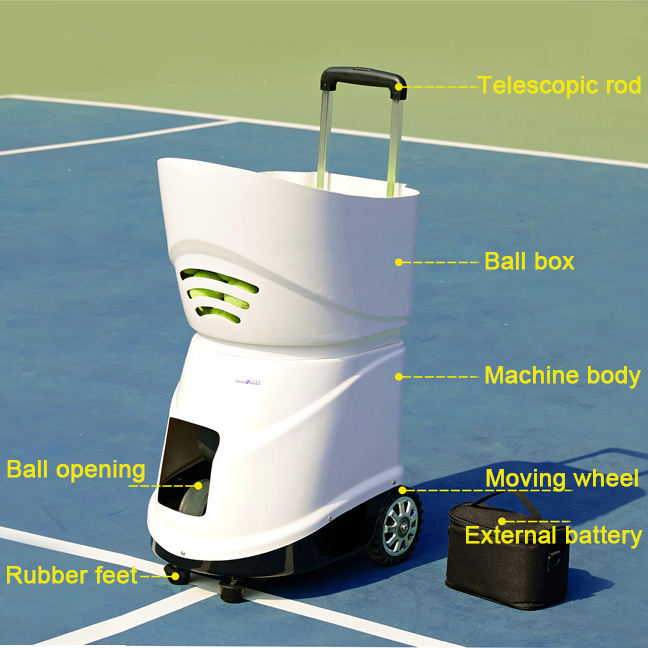
Customer Feedback Synthesis
An analysis of verified buyer reviews reveals common themes across mini wiffle ball pitching machines:
Positive Comments
"Perfect for my 8-year-old to practice swings every evening."
"Easy to assemble—had it running in under 10 minutes."
"Battery lasts through multiple sessions."
"Sturdy base doesn't tip even after aggressive swings nearby."
Frequent Complaints
"Balls keep getting stuck in the feeder."
"Motor stopped working after three weeks."
"Only works with certain brands of wiffle balls."
"Louder than expected—can't use inside garage."
The most consistent pain points involve feeding mechanisms and long-term motor reliability—especially in lower-priced units. Buyers recommend checking whether replacement motors or hoppers are available before purchasing.
Maintenance, Safety & Legal Considerations
Maintenance
Regularly clean the wheel surfaces with a dry cloth to remove dust and residue. Store indoors when not in use to prolong motor life. Check screws and mounts monthly for tightness to maintain optimal performance.
Safety Guidelines
Always supervise children during use. Ensure no one stands behind the batter or in the rebound zone. Use eye protection if practicing in enclosed spaces. Keep fingers away from the wheel assembly during operation.
Legal/Compliance
In the U.S., electrical components should comply with FCC regulations. While not federally regulated as toys, units marketed to children should ideally meet ASTM F963 safety standards. Verify any claims about certifications on packaging or official websites.
Get Started with Professional-Grade Training Today
The Heater Crusher Fastball & Curveball Pitching Machine delivers dual pitch types and 4 hours of continuous battery life for serious backyard practice.
Shop the Heater Crusher CR129Conclusion
Choosing the right mini wiffle ball pitching machine comes down to matching your training goals, available space, and budget. For parents and youth coaches seeking a safe, effective way to develop early hitting skills, dual-wheel models with adjustable speed and tilt capabilities offer the best combination of performance and versatility.
Avoid overly cheap models with poor build quality, and always verify ball compatibility and return policies before buying. With proper selection and care, these compact machines offer years of engaging, skill-building play that will help young athletes develop confidence at the plate.
Frequently Asked Questions
Can I use regular baseballs in a mini wiffle ball pitching machine?
No. These machines are designed exclusively for lightweight plastic or foam wiffle balls. Using standard baseballs can damage the motor and pose safety hazards.
How fast do mini wiffle ball pitching machines throw?
Most models pitch between 20 and 50 mph, depending on settings and design. This is sufficient for youth reaction training but much slower than professional machines.
Are mini pitching machines safe for indoor use?
Yes, when used with soft foam balls and in spacious areas. Ensure ceilings are high enough (at least 8-10 feet) and use a backstop to catch rebounds.
Do I need to assemble the machine myself?
Most require minor assembly—attaching legs, connecting wires, or installing batteries. Full instructions should be included; complex tools are rarely needed.
What age group are these machines best for?
Primarily ages 5-14. Younger kids benefit from slower speeds and safer balls, while teens can use adjustable models to refine timing and technique.
© BACKYARD PROVIDER — Your Trusted Source for Outdoor Living Equipment