


 Damage
  Loss
Loss  Theft
Theft 


How to Choose the Right Basement Ventilation System for Your Home
What Is Basement Ventilation and Why Does It Matter?
Basements create some of the most problematic air quality challenges in the entire home. Without proper ventilation, trapped moisture, stale air, and invisible airborne particles accumulate silently — threatening your home's structural integrity and your family's health.
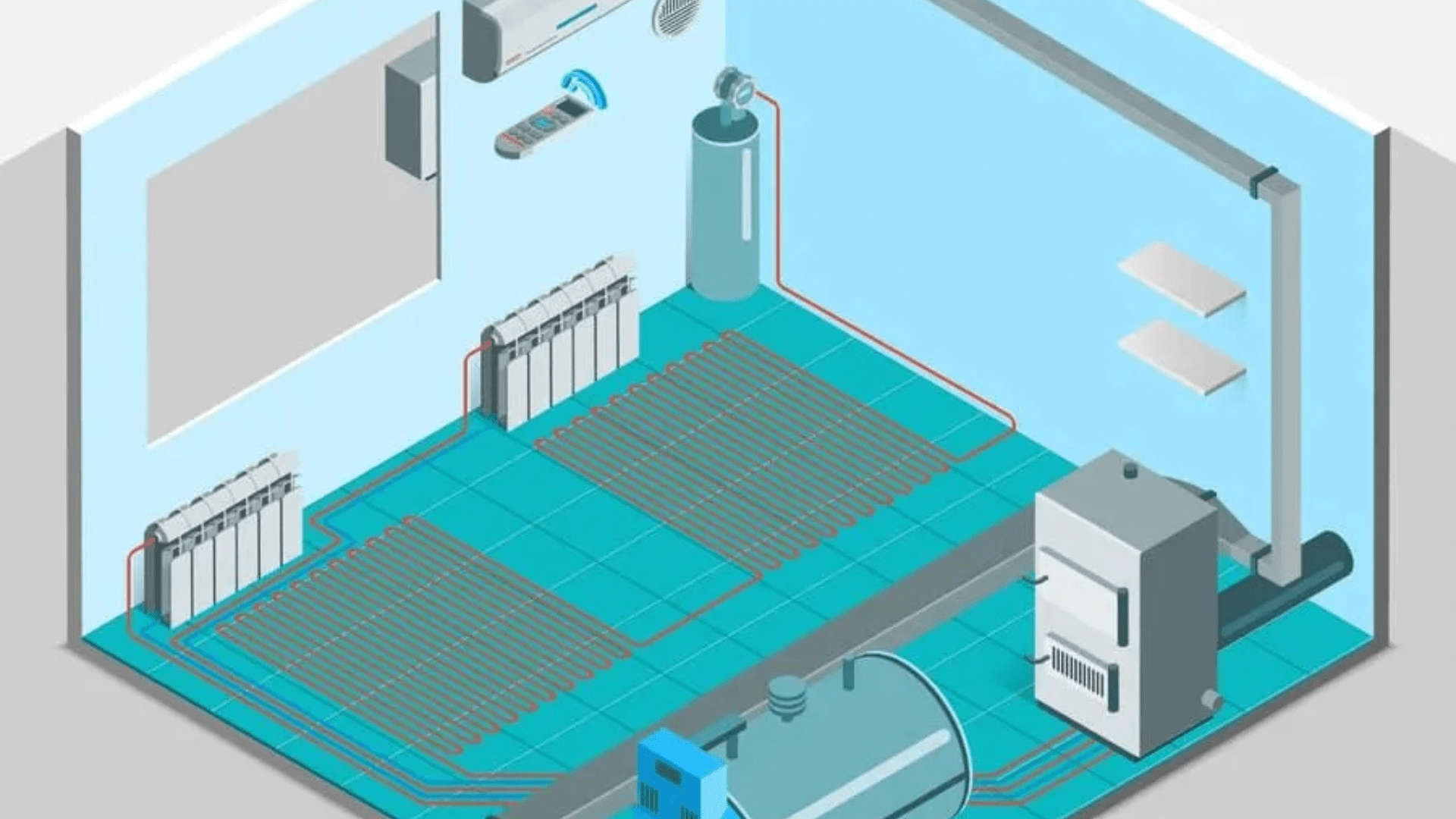
Basement ventilation is the controlled movement of air through your below-grade spaces to remove excess humidity, flush out pollutants, and replace stagnant air with fresh circulation. Unlike upper floors, basements lack natural air exchange — they sit below grade, surrounded by soil that constantly releases moisture and radon gas through walls and floors.
When ventilation is neglected, the consequences accumulate: mold colonies take root in insulation and framing, wood rots, and airborne spores travel up through your living spaces. Choosing the right system is one of the most impactful investments a homeowner can make.
How to Tell If Your Basement Needs Ventilation Upgrades
Not every basement shows obvious signs of failure. Below are four practical diagnostic steps to evaluate your current situation before committing to a system.
Check for Dampness or Moisture
Run your hand along walls and floors after rain or during humid months. Beading water, damp insulation, or a persistent musty odor are reliable early-warning signs that humidity is accumulating faster than it can escape.
Look for Signs of Mold and Mildew
Inspect corners, joists, drywall seams, and behind stored items. Dark spotting, white efflorescence on concrete, or a persistent earthy smell indicate active mold growth or the conditions that promote it. Mold-related health effects — respiratory irritation, headaches, and allergy flare-ups — often appear in residents long before visible colonies do.
Monitor the Temperature
Basements that remain significantly cooler than the rest of the home during summer create condensation whenever warm air descends and contacts cold surfaces. Consistent temperature differentials of more than 10–15°F between floors are worth investigating.
Track Your Energy Bills
An unventilated basement forces your HVAC system to compensate for the humidity and temperature imbalance it creates. If energy bills are climbing without an obvious cause, poor basement air management may be the hidden driver.
Understanding Basement Humidity
Relative humidity is the single most important metric for basement air health. The sweet spot that discourages mold while remaining comfortable sits between 45% and 55% RH. Below this range, the air becomes uncomfortably dry and damages wood. Above it, mold and dust mites thrive.
Exploring the Different Types of Basement Ventilation Systems
There is no one-size-fits-all solution. The right system depends on your basement's layout, climate zone, existing moisture problems, and how the space is used. Here's a practical breakdown of the major options.
Natural Ventilation
The simplest form — relying on operable windows, vents, and passive airflow. It's inexpensive to install and requires no power, but it is entirely weather-dependent. During humid summers or cold winters, open windows often worsen the problem by introducing outside moisture or freezing air. Natural ventilation works best in mild, dry climates with good cross-ventilation potential.
Mechanical Exhaust Ventilation
A fan or ventilator actively pulls stale air out of the basement, creating slight negative pressure that draws fresh air in through passive inlets. These systems are more reliable than natural ventilation and work year-round, but they can pull conditioned air out of the house in winter, increasing heating costs if not properly designed.
Supply Ventilation Systems
Supply systems push filtered outside air into the basement under slight positive pressure. This approach is effective at diluting pollutants and radon, and it reduces the likelihood of radon entry by creating outward air pressure. The trade-off is that incoming air must be conditioned in extreme climates to avoid moisture problems.
Heat Recovery Ventilators (HRVs)
HRVs exchange stale indoor air with fresh outdoor air while recovering 70–80% of the heat energy in the outgoing airstream. This makes them exceptionally energy-efficient in cold climates. They maintain balanced air pressure, control humidity, and improve air quality simultaneously — making them a premium all-season solution for finished basements in northern climates.
Energy Recovery Ventilators (ERVs)
ERVs function similarly to HRVs but also transfer moisture between incoming and outgoing air streams. This makes them ideal for humid summer climates, where they prevent the fresh air supply from overloading your dehumidifier. ERVs are the preferred choice in mixed climates with hot, humid summers and cold winters.
| System Type | Best Climate | Energy Impact | Humidity Control | Cost Range |
|---|---|---|---|---|
| Natural Ventilation | Mild & dry | None | Minimal | $ |
| Exhaust Fan | Most climates | Low | Moderate | $$ |
| Supply Ventilation | Most climates | Low–Medium | Moderate | $$ |
| HRV | Cold climates | Very Low | Good | $$$ |
| ERV | Mixed/humid climates | Very Low | Excellent | $$$ |
| Dehumidifier | Any | Medium | Excellent | $$–$$$ |
Which Ventilation System Is Right for Your Basement?
Use the following criteria to narrow down your choice before investing.
- Identify your primary problem first. Humidity alone calls for a dehumidifier or ERV. Air quality and radon concerns call for supply or balanced systems. Cold drafts and energy loss call for an HRV.
- Factor in your climate zone. Cold northern states benefit from HRVs. Hot, humid southern states benefit from ERVs. Moderate climates can often get by with simpler exhaust or supply fan setups.
- Consider how the basement is used. A finished living space or bedroom requires a higher standard of air quality and temperature comfort than an unfinished utility basement.
- Think long-term about energy costs. A higher upfront investment in an HRV or ERV often pays back within 3–5 years through lower heating and cooling bills.
- Check your existing HVAC integration. Some systems connect directly to existing ductwork, reducing installation complexity and cost. Others require standalone ducting.
How to Choose a System That's Easy to Maintain
Even the best system performs poorly when neglected. When comparing options, factor in the following maintenance considerations alongside upfront cost.
Filter Access
Look for systems with accessible, tool-free filter panels. Filters that require disassembly are routinely skipped — and a clogged filter is worse than no filter at all.
Condensate Management
Dehumidifiers and ERVs generate condensate water. Models with continuous-drain options or large-capacity tanks reduce the chore of manual emptying.
Smart Controls
Humidity-sensing controls and programmable timers ensure the system runs when needed and rests when not, extending lifespan and reducing energy use.
Service Availability
Before purchasing, confirm that local HVAC technicians are familiar with the brand and that replacement parts are readily available domestically.
The Best Basement Ventilation Systems for High-Humidity Basements — Our Top Pick
After evaluating performance data, ease of installation, long-term reliability, and real-world user outcomes, one system stands out for moisture-prone basements across a wide range of climates.
Humidex Standard Basement Ventilation Unit
The Humidex Standard Basement Unit (DVS-BS-Hdex) is a purpose-built basement ventilation system that draws stale, moisture-laden air from the basement while simultaneously pulling fresh air down from the living spaces above — creating a continuous, balanced air exchange without any exterior ducting.
Unlike conventional dehumidifiers that simply condense moisture and return the same air, the Humidex actively replaces basement air with conditioned indoor air from upstairs. The result is measurably lower humidity, reduced musty odors, and dramatically improved air quality throughout the home — not just the basement.
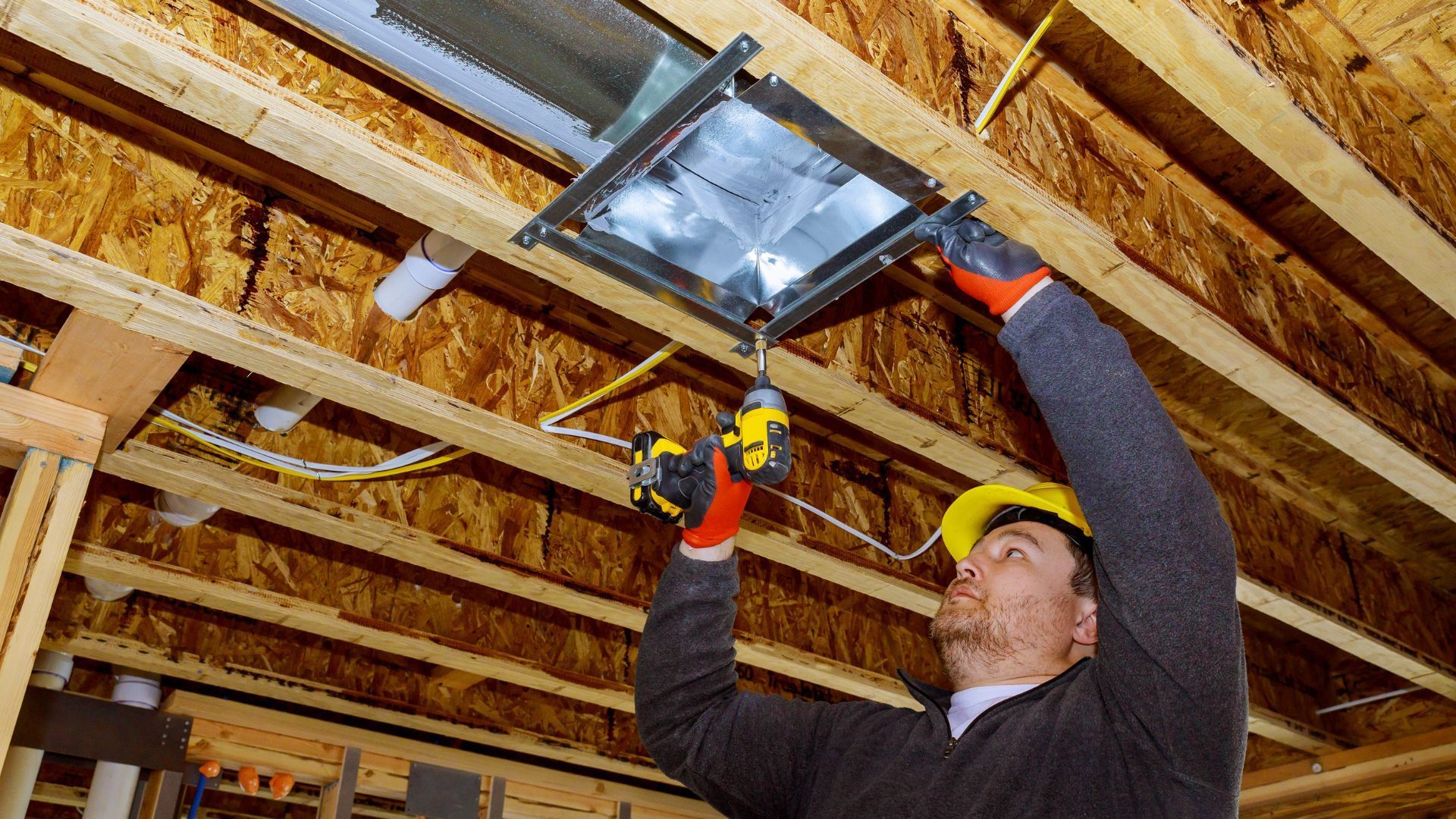
Installation is straightforward: the unit mounts to a floor joist and connects to an existing floor vent or register. No exterior wall penetration is required, which makes it suitable for finished basements, walkout basements, and homes in cold climates where exhaust-to-outside solutions create frost and condensation problems.
No Exterior Ducting
Works entirely within the home's envelope — ideal for cold climates and finished basements where wall penetration is impractical.
Whole-Home Air Circulation
Draws conditioned air from living areas downward through the basement, improving air quality on every floor simultaneously.
Low Operating Cost
Designed for continuous low-power operation — running costs are comparable to a single incandescent light bulb.
DIY-Friendly Install
Standard installation takes a few hours with basic tools. No licensed HVAC contractor required for most residential setups.
Ready to Solve Your Basement Humidity Problem?
The Humidex Standard Basement Unit is in stock and ships directly to your door. Protect your home's structure and your family's health with proven ventilation technology.
Humidex Basement UnitEffective Dehumidifiers for Basements with High Humidity
In cases where active moisture intrusion through walls or floors is present, a high-capacity dehumidifier may be needed alongside a ventilation system. The two work best in combination: the ventilator handles air exchange while the dehumidifier manages residual humidity that enters despite ventilation.
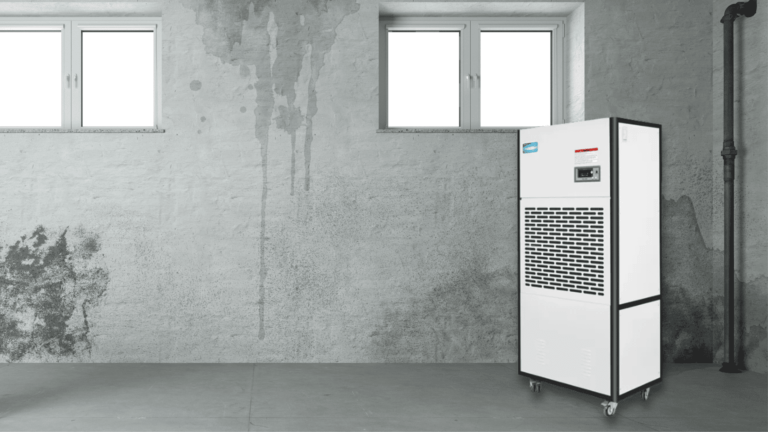
When selecting a dehumidifier for basement use, prioritize models rated for low-temperature operation (down to 41°F/5°C), built-in pump-assisted continuous drain, Energy Star certification, and automatic restart after power outages. Basements experience temperature and humidity ranges that standard room dehumidifiers cannot handle reliably.
| Feature | Why It Matters for Basements |
|---|---|
| Low-temp operation (41°F+) | Standard units freeze and fail below 65°F — basements regularly drop below this threshold |
| Continuous drain / pump | Eliminates manual emptying; allows placement away from floor drains |
| Auto-humidistat | Cycles the unit on/off to maintain a target RH without constant manual adjustment |
| Auto-restart | Resumes operation after power interruptions without requiring manual reset |
| Energy Star certified | Meets efficiency standards that reduce long-term operating costs on a 24/7 appliance |
Final Verdict
Basement ventilation is not a luxury upgrade — it is a foundational component of a healthy, durable home. The right system depends on your climate, your basement's current condition, and how the space is used. But the consequences of doing nothing — mold, rot, radon accumulation, and declining air quality throughout the home — are far more costly than any ventilation investment.
For most homeowners dealing with musty odors, elevated humidity, and poor air quality, a purpose-built basement ventilator like the Humidex Standard Basement Unit offers the best combination of effectiveness, ease of installation, and long-term reliability. Pair it with a quality dehumidifier in high-moisture environments for comprehensive year-round protection.
Take action before the problem becomes structural. Your basement — and your lungs — will thank you.