


 Damage
  Loss
Loss  Theft
Theft 


Top Gravity Deer Feeders Reviewed
Your Complete Guide to Selecting, Installing, and Maximizing Wildlife Feeding Success
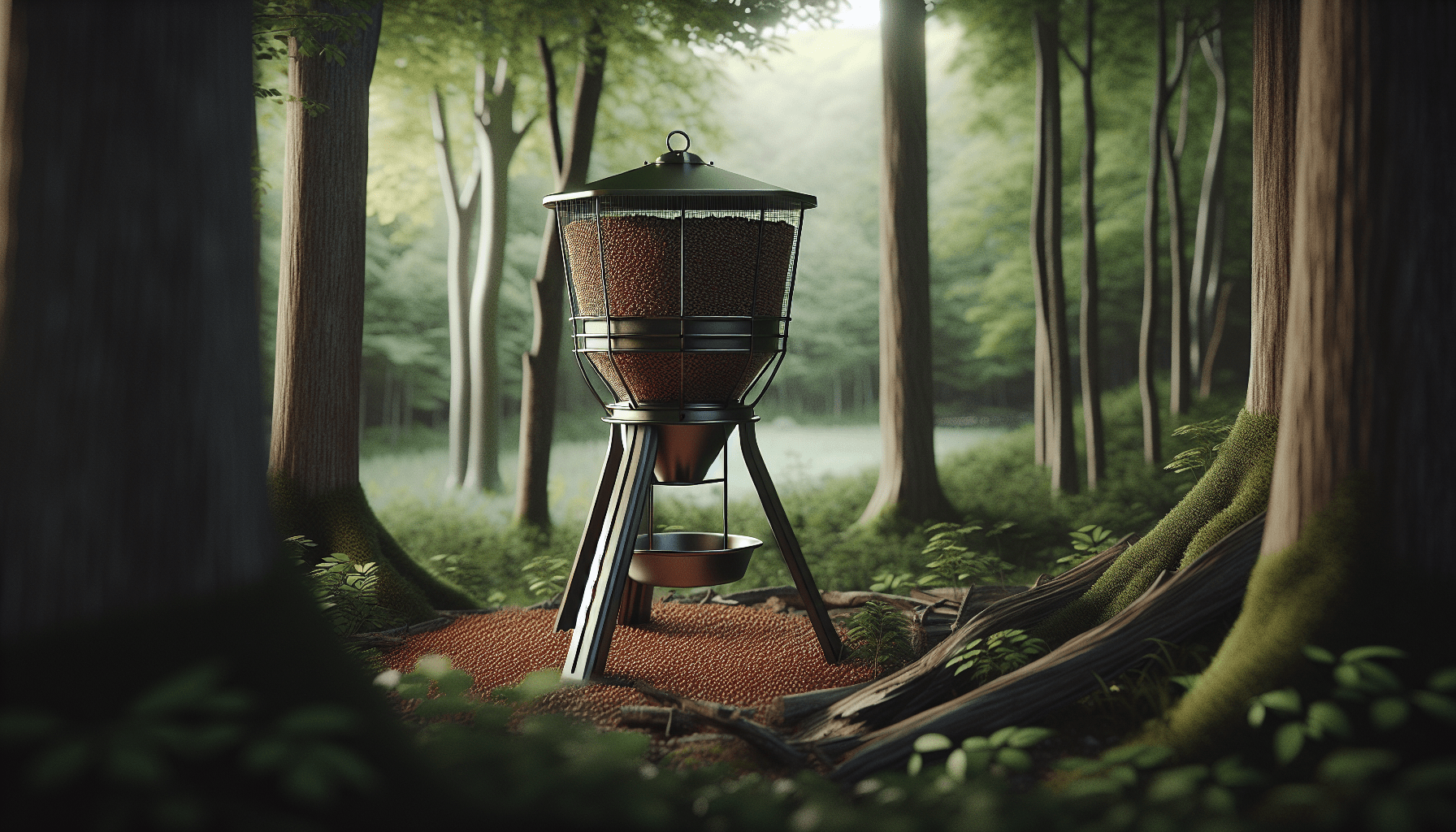
For dedicated wildlife enthusiasts and hunters alike, gravity deer feeders represent one of the most reliable and efficient methods to attract and nourish deer populations throughout the seasons. These ingeniously designed devices harness the simple power of gravity to dispense feed consistently, eliminating the need for batteries, motors, or complex mechanical components that can fail when you need them most.
Whether you manage a hunting property, maintain a wildlife observation sanctuary, or simply enjoy watching deer visit your backyard, understanding the nuances of gravity feeders can dramatically improve your results. This comprehensive guide explores everything from fundamental concepts to advanced optimization strategies, helping you make informed decisions that benefit both your goals and the deer population.
Understanding the Concept of Gravity Deer Feeders
What Exactly Are Gravity Deer Feeders?
Gravity deer feeders are specialized wildlife feeding stations that utilize gravitational force to automatically dispense food to deer and other wildlife. Unlike motorized or timed feeders that rely on electronic components, gravity feeders operate through a beautifully simple mechanism where feed naturally flows downward from a storage container into accessible feeding ports as animals consume it.
How Do Gravity Feeders Function?
The operational principle is remarkably straightforward yet effective. Feed is loaded into an elevated hopper or barrel, and gravity pulls it downward through tubes or channels into feeding troughs or ports positioned at an appropriate height for deer access. As deer consume the available feed, more automatically flows down to replace it, creating a self-regulating system that maintains constant food availability until the supply is depleted.
✓ Key Advantages Over Mechanical Feeders
Gravity feeders offer superior reliability since they contain no batteries to die, no motors to malfunction, and no timers to program incorrectly. They operate silently without startling wildlife, require minimal maintenance, and continue functioning regardless of weather conditions. The simplicity translates directly into longevity and consistent performance season after season.
Essential FactorsWhen Purchasing Gravity Deer Feeders
Selecting the Appropriate Capacity
Capacity selection depends heavily on your specific situation. Consider the local deer population density, how frequently you can realistically refill the feeder, and seasonal feeding patterns. Smaller capacity feeders ranging from 40 to 100 pounds work well for residential settings or areas with moderate deer traffic. Larger units holding 200 to 300 pounds or more suit remote hunting properties where regular maintenance visits prove challenging.
Evaluating Materials and Construction Quality
Construction materials significantly impact durability and longevity. Heavy-duty polyethylene resists UV degradation and withstands temperature extremes without cracking or warping. Metal components should feature powder coating or galvanization to prevent rust. Examine connection points carefully as these typically represent the first failure areas. Quality feeders incorporate reinforced stress points and sturdy hardware designed for outdoor exposure.
Understanding Maintenance Requirements
While gravity feeders generally demand less maintenance than mechanical alternatives, some designs simplify upkeep more than others. Look for feeders with removable components that facilitate thorough cleaning. Wide openings ease refilling operations. Consider how easily you can inspect internal mechanisms for blockages or feed deterioration without completely disassembling the unit.
Installation Simplicity
Installation complexity varies dramatically between models. Freestanding designs simply require level ground and possibly anchoring stakes for stability. Tree-mounted versions necessitate sturdy attachment hardware and appropriately sized trees. Consider your physical capabilities, available tools, and whether you need the feeder to be relocatable. The best feeder serves no purpose if installation proves prohibitively difficult.
Featured Product Recommendation
Discover a premium gravity feeder engineered for serious wildlife enthusiasts who demand reliability and capacity.
Banks FeedBank 300Critical Features in Premium Gravity Deer Feeders
Weather Resistance and Waterproofing
Quality gravity feeders must withstand diverse weather conditions throughout the year. Effective waterproofing prevents moisture from entering the feed storage area where it causes spoilage, mold growth, and clumping that blocks proper dispensing. Sealed lids, overlapping joints, and drainage provisions all contribute to keeping feed dry and fresh. Weather-resistant construction ensures your investment continues performing through rain, snow, and intense summer heat.
Exceptional Durability and Longevity
A gravity feeder represents a significant investment that should deliver years of reliable service. Superior construction withstands not only weather exposure but also occasional wildlife interference from curious bears, determined raccoons, or persistent squirrels. Thick-walled containers, robust mounting systems, and quality hardware distinguish feeders that last from those requiring frequent replacement or repair.
Straightforward Assembly Process
Complex assembly requirements frustrate even experienced outdoor enthusiasts. The finest gravity feeders arrive with clear instructions and intuitive component designs that minimize assembly time and tool requirements. Many quality options come substantially pre-assembled, requiring only final attachment of legs or mounting brackets. This accessibility ensures you spend more time enjoying wildlife observation and less time wrestling with confusing hardware configurations.
Wildlife Safety
Design features that prevent injury to feeding deer, including smooth edges, appropriate port sizing, and stable positioning that prevents tipping.
Portability Options
Consider whether you need a permanently installed feeder or one that allows seasonal relocation to optimize deer traffic patterns and minimize habitat impact.
Maximizing Your Gravity Deer Feeder Investment
Strategic Placement Considerations
Location dramatically influences feeder effectiveness. Position feeders along established deer travel corridors between bedding and natural food sources. Provide adequate cover nearby that allows deer to approach confidently while remaining alert for predators. Avoid placing feeders too close to roads where vehicle traffic may deter visitors or create safety hazards. Consider wind patterns that carry scent and how morning sunlight might highlight or shadow the feeding station.
Consistent Cleaning and Maintenance Protocols
Regular maintenance preserves both feeder function and deer health. Establish a cleaning schedule that removes accumulated debris, old feed residue, and any mold or mildew growth. Inspect feed tubes for blockages that impede proper dispensing. Check mounting hardware for loosening caused by wind stress or wildlife interference. Clean feeders thoroughly between seasons before transitioning to different feed types.
Monitoring Feed Consumption Patterns
Tracking how quickly deer consume feed provides valuable insights for optimization. Sudden consumption increases may indicate growing deer populations or seasonal nutritional needs. Unexpected decreases might signal feeder problems, predator presence, or disease affecting the local herd. Trail cameras positioned near feeders offer excellent monitoring capabilities while capturing footage of visiting wildlife.
Selecting Appropriate Feed Types and Quantities
Different seasons demand different nutritional approaches. Protein-rich feeds support antler development during spring and summer months. High-energy corn and grain blends help deer build fat reserves before winter. Avoid sudden feed changes that can disrupt deer digestive systems. Maintain consistent availability rather than sporadic filling that disrupts established feeding patterns and potentially harms deer relying on supplemental nutrition.
Environmental Impact of Gravity Deer Feeders
Supporting Deer Population Health and Survival
Supplemental feeding stations can significantly benefit deer populations when managed responsibly. During harsh winters when natural forage becomes scarce, gravity feeders provide reliable nutrition that helps deer maintain body condition and survive until spring. Does benefit from enhanced nutrition that supports fawn development, while bucks receive protein necessary for optimal antler growth. Strategic feeding contributes to healthier, more robust deer populations.
Considerations for Non-Target Wildlife
Gravity feeders inevitably attract wildlife beyond deer. Turkeys, squirrels, raccoons, and various bird species may visit feeding stations. While some landowners welcome this biodiversity, others find non-target visitors deplete feed intended for deer. Understanding local wildlife populations helps anticipate these interactions and select feeder designs or placement strategies that minimize unwanted access while remaining deer-friendly.
Effects on Local Plant Communities
Concentrating deer activity around feeders influences surrounding vegetation through increased browsing pressure. Native plants near popular feeding stations may experience significant damage from repeated deer traffic. Rotating feeder locations periodically helps distribute this impact and allows vegetation recovery. Some landowners strategically position feeders to redirect deer browsing away from valued landscaping or agricultural areas.
Troubleshooting Common Gravity Feeder Challenges
Deterring Raccoons and Unwanted Wildlife
Raccoons demonstrate remarkable persistence and intelligence in accessing feeders designed for deer. Elevated mounting heights that deer can reach while standing but require climbing for raccoons offer one deterrent approach. Specialized feed port designs that accommodate deer muzzles while excluding smaller animals prove effective in many situations. Some landowners employ motion-activated deterrent devices near feeders to discourage nocturnal raiders without disturbing deer feeding patterns.
Addressing Feed Tube Clogging Issues
Feed clogging represents one of the most frustrating gravity feeder problems. Moisture infiltration causes feed to clump and bridge across tube openings, stopping flow despite remaining supply. Selecting feeders with wider diameter tubes and smoother interior surfaces reduces clogging frequency. Mixing small amounts of dry rice or using specifically formulated gravity feeder feeds that resist clumping can help maintain consistent flow through challenging conditions.
Managing Weather-Related Complications
Severe weather challenges even the most robust feeders. Heavy snow accumulation may bury feeding ports or add weight that stresses mounting hardware. Ice storms can freeze mechanisms and block feed flow. Extended rainy periods test waterproofing capabilities. Regular inspection following significant weather events allows prompt correction of problems before they impact deer relying on supplemental feeding.
Maintaining Feed Freshness and Quality
Stale or spoiled feed not only fails to attract deer but may harm their health. Heat accelerates feed degradation and can attract insects that further compromise quality. Purchase feed in quantities appropriate to consumption rates rather than bulk buying that leaves product sitting for extended periods. Inspect stored feed regularly for signs of mold, insect infestation, or staleness that indicates replacement necessity.
Legal Considerations and Ethical Responsibilities
⚠ Important Regulatory Notice
Deer feeding regulations vary significantly between states and even counties. Some jurisdictions prohibit supplemental feeding entirely, while others impose restrictions during hunting seasons or in areas with chronic wasting disease concerns. Always verify current local regulations before establishing feeding stations.
Navigating State and Local Regulations
Wildlife management agencies establish feeding regulations based on local conditions, disease concerns, and conservation objectives. These rules may specify permissible feed types, maximum quantities, seasonal restrictions, or required distances from roadways and property boundaries. Penalties for violations can include substantial fines and loss of hunting privileges. Consulting your state wildlife agency ensures compliance while supporting broader conservation goals.
Ethical Dimensions of Supplemental Feeding
Beyond legal requirements, thoughtful wildlife stewards consider the broader implications of supplemental feeding. Concentrating deer at feeding stations may facilitate disease transmission, particularly concerning with chronic wasting disease spreading across North America. Dependency on artificial food sources can disrupt natural foraging behaviors and movement patterns. Responsible feeding practices balance benefits to deer with these potential ecological concerns.
Minimizing Health Risks to Deer Populations
Supplemental feeding carries potential health risks that responsible managers work to minimize. Sudden introduction of unfamiliar feeds can cause digestive upset. Contaminated or moldy feed may sicken or kill deer. Congregation at feeding sites increases parasite transmission and social stress. Implementing proper sanitation, using appropriate feeds, and monitoring herd health helps ensure feeding programs benefit rather than harm deer populations.
Gravity Feeders in Hunting Management
Drawing Deer to Hunting Areas
Where legal, gravity feeders serve as effective tools for concentrating deer activity in specific areas conducive to hunting. Establishing feeders well before hunting season allows deer to discover locations and incorporate them into daily movement patterns. Strategic placement considers sight lines, wind directions, and hunter approach routes. Note that many jurisdictions prohibit hunting directly over feeders, requiring hunters to position stands at appropriate distances.
Creating Predictable Feeding Schedules
Gravity feeders naturally create consistent food availability that deer learn to anticipate. Over time, local deer develop regular visitation patterns around these reliable food sources. Understanding and monitoring these patterns through trail cameras helps hunters predict optimal hunting times. While gravity feeders lack the timed dispensing of mechanical units, their consistent availability often results in predictable dawn and dusk visitation peaks.
Balancing Hunting Pressure and Population Health
Responsible hunting property managers use feeders as part of comprehensive deer management programs. Supplemental nutrition supports healthier deer with better antler development, while controlled harvest maintains population balance with available habitat. Selective harvest of appropriate animals prevents overpopulation that degrades habitat quality and deer health. Gravity feeders facilitate observation that supports informed harvest decisions.
Exploring Different Gravity Feeder Configurations
Freestanding Ground-Based Units
Freestanding gravity feeders sit independently on the ground, supported by integral legs or base structures. These units offer maximum placement flexibility since they require no trees or mounting structures. Installation typically involves simply positioning and leveling the feeder, possibly with ground anchors for stability. Their mobility allows easy repositioning as deer patterns or management objectives change. Capacities range from compact units suitable for small properties to large barrel-style feeders holding hundreds of pounds of feed.
Tree-Mounted Hanging Designs
Tree-mounted feeders suspend from sturdy branches or attach directly to trunk surfaces using specialized mounting hardware. Elevation provides natural protection against some ground-dwelling wildlife while often placing feeding ports at comfortable deer head height. These designs work well in forested areas where suitable mounting trees abound. Consider tree health when mounting to avoid girdling or damage from straps and hardware that could kill valuable trees over time.
Trough-Style Feeding Stations
Trough feeders feature elongated horizontal feeding areas that accommodate multiple deer simultaneously. Gravity directs feed from elevated hoppers down into the accessible trough section. This configuration proves particularly effective where feeding large deer populations, reducing competition and allowing subordinate animals adequate feeding access. The open design facilitates monitoring feed levels and simplifies cleaning operations.
Custom DIY Approaches
Resourceful landowners sometimes construct custom gravity feeders from repurposed materials like food-grade barrels, PVC pipes, and salvaged components. While potentially cost-effective, homemade feeders rarely match commercial units for durability, weather resistance, and consistent feed flow. Those pursuing DIY construction should research proven designs, use appropriate food-safe materials, and prioritize structural stability that prevents tipping hazards harmful to deer.
Optimizing Deer Attraction Effectiveness
Selecting Superior Feed Formulations
Feed selection significantly impacts both deer attraction and nutritional benefit. Commercially formulated deer feeds provide balanced nutrition optimized for whitetail dietary requirements. Whole corn remains popular for its palatability and energy density, though it offers limited nutritional completeness. Protein pellets support antler growth and body condition development. Many successful managers use feed blends that combine attraction power with nutritional value appropriate to seasonal needs.
Mastering Strategic Feeder Positioning
Optimal positioning balances multiple factors affecting deer comfort and visitation frequency. Place feeders near natural cover that provides security while avoiding dense brush that limits deer approach angles. Consider prevailing winds that carry human scent toward or away from feeding areas. Morning sun exposure helps dry overnight moisture while afternoon shade prevents excessive feed heating. Experiment with locations initially, using trail cameras to evaluate deer response before committing to permanent installations.
Establishing Secure Feeding Environments
Deer require environmental security before committing to regular feeder visitation. Minimize human activity near feeding stations during prime deer movement periods. Approach feeders for maintenance during midday when deer typically bed away from feeding areas. Create clear sight lines that allow deer to monitor for predators while feeding. Multiple escape routes through surrounding vegetation further enhance the sense of security that encourages relaxed, extended feeding visits.
Ready to Enhance Your Wildlife Management?
The Banks Outdoors FeedBank 300 delivers exceptional capacity and durability for serious wildlife enthusiasts seeking reliable gravity feeding performance.
Banks FeedBank 300Gravity deer feeders represent a harmonious blend of mechanical simplicity and practical effectiveness that has served wildlife enthusiasts for generations. Their reliability, minimal maintenance requirements, and consistent performance make them invaluable tools for anyone serious about supporting local deer populations or enhancing hunting property management.
By carefully considering the factors discussed throughout this guide, from capacity and construction quality to placement strategy and legal compliance, you position yourself for feeding program success. Whether observing majestic bucks from your back porch or managing a dedicated hunting lease, the right gravity feeder selection and implementation can transform your wildlife interaction experiences for years to come.