


 Damage
  Loss
Loss  Theft
Theft 


Understanding Wheel Balancers: The Complete Guide for Automotive Professionals
Discover how wheel balancing technology can transform your service operations and deliver exceptional results for your customers.
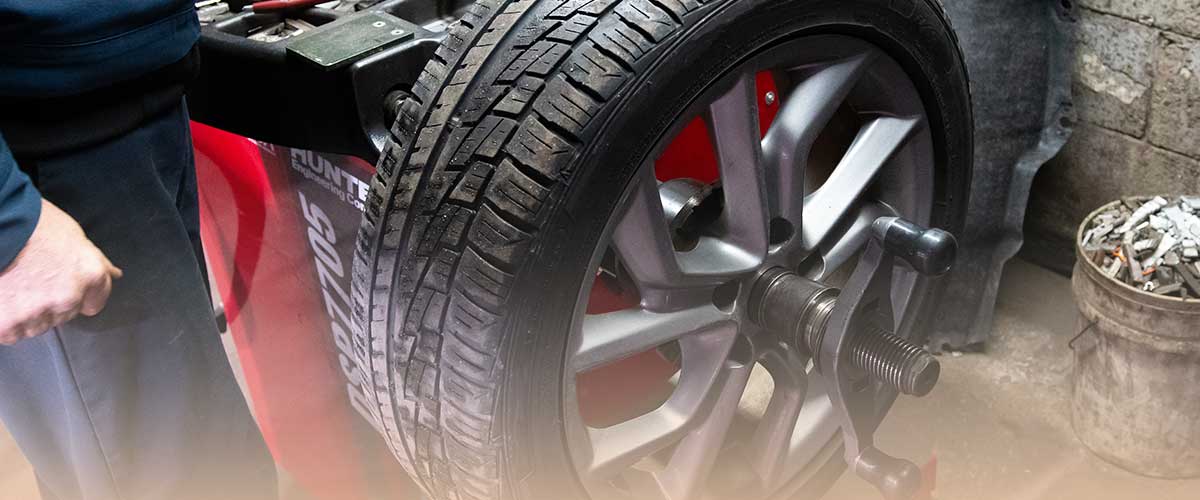
Have you ever experienced your vehicle shaking or vibrating at highway speeds? This unsettling sensation often indicates that your wheels are out of balance. A properly balanced tire and wheel assembly is fundamental to achieving a comfortable, smooth driving experience with weight distributed evenly throughout.
Professional mechanics understand the importance of checking wheel balance during tire rotations and replacements. As tires accumulate miles, they gradually lose their balanced state due to normal wear patterns and road conditions. Wheel balancing machines identify these imbalances with precision, allowing technicians to make targeted adjustments that restore optimal vehicle performance and extend tire lifespan.
This comprehensive guide explores the mechanics behind wheel balancing equipment, examines the various types available on the market, and provides insight into selecting the ideal machine for your automotive service operation. Understanding these principles can help you avoid costly repairs and maintain peak vehicle performance.
What Exactly Is a Wheel Balancer?
A wheel balancer is specialized diagnostic equipment designed to ensure that a vehicle's wheel and tire assemblies rotate in perfect harmony. This precision is critical because even minor imbalances can result in vibrations, accelerated tire wear, and various handling issues that compromise driving safety and comfort.
Through sophisticated wheel balancing technology, automotive technicians can pinpoint the precise locations where counterweights must be applied to achieve perfect balance. This targeted approach optimizes weight distribution around the entire wheel circumference.
By utilizing this specialized equipment, service professionals can dramatically improve tire longevity while enhancing the overall driving experience for their customers. The balancing process involves securing each wheel assembly onto the machine, which analyzes weight distribution by spinning the tire. This analysis identifies any irregularities and reduces stress on the vehicle's suspension components.
How Does a Wheel Balancing Machine Operate?
Wheel balancing machines are indispensable tools for maintaining optimal wheel and tire performance. The process begins when the technician secures the wheel assembly onto the balancer's shaft, which mimics the vehicle's hub mounting position. The machine then rotates the wheel at speeds typically ranging from 200 to 300 RPM, during which precision sensors detect even the slightest imbalances.
The balancer's integrated computer system processes these sensor readings to calculate the exact imbalance locations and the amount of counterweight needed. Following this analysis, technicians attach either adhesive-backed or clip-on lead or zinc weights to the specific rim positions indicated by the machine. These strategically placed weights ensure that proper balance is maintained throughout the wheel's operational life.
After the initial weight application, the technician performs a verification spin to confirm that all imbalances have been successfully corrected. Should any discrepancies remain, the system provides guidance for additional fine-tuning adjustments. Contemporary wheel balancing equipment incorporates automated data entry, precise weight positioning systems, and comprehensive diagnostic capabilities that streamline the entire balancing workflow for maximum efficiency and accuracy.
Why Wheel Balancing Matters
Wheel balancing is an essential maintenance procedure that ensures a vehicle's wheel assemblies work in perfect synchronization, delivering a comfortable, safe, and efficient driving experience. Here are the key reasons why regular wheel balancing should be a priority:
Extended Tire Lifespan
Wheels that are out of balance cause irregular and accelerated tire wear, leading to premature degradation and the need for early replacement. Properly balanced wheels promote uniform wear distribution across the entire tire surface, significantly extending tire service life and protecting your investment.
Superior Ride Quality
Imbalanced wheel assemblies generate noticeable vibrations, particularly at elevated speeds, creating an uncomfortable and jarring ride for vehicle occupants. Professional balancing eliminates these vibrations, ensuring smooth, quiet operation that enhances comfort for drivers and passengers alike.
Improved Fuel Economy
Unbalanced wheels generate increased rolling resistance and drag as the vehicle moves forward, forcing the engine to work harder to maintain speed. This additional effort translates directly into higher fuel consumption. Maintaining proper wheel balance helps optimize fuel efficiency and reduces operating costs.
Component Protection
The excessive vibrations produced by unbalanced wheels place additional stress on critical vehicle components including wheel bearings, shock absorbers, and suspension systems. Maintaining properly balanced wheels reduces the risk of premature failure of these expensive parts and helps avoid costly repairs.
Types of Wheel Balancing Equipment
When choosing wheel balancing equipment for your automotive service center, understanding the different types available helps ensure you select a machine that matches your specific service requirements and precision standards. Here's an overview of the main categories:
Static Wheel Balancers
These machines serve best in environments where basic balancing capabilities are sufficient for the workload. Static tire wheel balancers are commonly used for lighter applications and less demanding jobs, such as motorcycle wheel balancing. They provide an economical solution for services that don't require advanced precision measurements.
Dynamic Wheel Balancers
For comprehensive and highly accurate balancing results, dynamic wheel balancing machines are essential equipment. These advanced systems analyze imbalances across multiple axes simultaneously, making them critical for ensuring smooth wheel operation at highway speeds and above. Their sophisticated sensors and computing capabilities have made them standard equipment in professional automotive workshops worldwide.
Laser Wheel Balancers
Leveraging cutting-edge laser technology, these wheel balancer machines deliver exceptional accuracy by visually indicating the exact placement positions for balancing weights. This level of precision is especially valuable when working on luxury vehicles and high-performance applications, where even minor imbalances can noticeably impact driving dynamics and customer satisfaction.
Road Force Balancers
Representing the pinnacle of wheel balancing technology, road force tire wheel balancers not only balance the wheel assembly but also simulate real-world road pressure conditions. This capability allows technicians to identify potential issues with tire uniformity and wheel runout that conventional balancers cannot detect. They're invaluable for diagnosing complex vibration problems that persist despite traditional balancing attempts.
Portable Wheel Balancers
Engineered for mobility, these tire wheel balancers are ideal for applications requiring flexibility, such as trackside service at racing events or mobile repair operations. While they typically offer somewhat less precision compared to shop-mounted models, they provide excellent convenience and adaptability for on-the-go balancing needs.
Selecting the Right Wheel Balancer for Your Operation
Choosing the optimal wheel balancer is a critical decision for any automotive service operation focused on delivering exceptional service and maintaining vehicle safety. This guide will help you evaluate the key factors to make an informed investment that serves your specific needs:
Assess Your Balancer Type Requirements
Evaluate whether static, dynamic, or road force balancing best matches your service needs. Static balancers offer cost-effectiveness and work well for simpler applications, while dynamic balancers provide the precision needed for balancing along both lateral and vertical planes. Road force balancers offer the most comprehensive analysis by replicating actual driving conditions to detect subtle imbalances and tire irregularities.
Dynamic and road force balancers are particularly well-suited for high-performance vehicle service and luxury automobile maintenance where precision is paramount. They can identify issues that wouldn't be apparent with basic static balancers and are considered essential equipment in professional automotive settings.
Evaluate Machine Capacity
Carefully assess the wheel dimensions and weight ratings the balancer can accommodate to ensure it meets the needs of the vehicles you service. This consideration is crucial when you regularly work on larger SUVs, trucks, or commercial vehicles with oversized wheel assemblies.
The speed and efficiency of the balancing process also deserve consideration. High-throughput machines can significantly increase productivity in busy shops, but this capability should not compromise the accuracy required for quality service. Finding the right balance between speed and precision is especially important for operations handling high volumes of customers while maintaining service excellence.
Consider Technology and Features
Advanced features including automatic data entry, laser or LED positioning indicators, and integrated diagnostic systems can substantially improve wheel balancing efficiency and accuracy. These technologies help precisely locate imbalances and guide technicians to exact weight placement positions, minimizing error margins and reducing time per job.
Look for balancers with modern user interfaces and intuitive software that simplify operation and training. Touchscreen controls and user-friendly menus make the equipment more accessible to newer technicians while reducing the likelihood of procedural errors.
Calculate Budget and Return on Investment
Weigh the cost of a wheel balancer against its feature set and capabilities. Premium models with advanced technology represent a larger initial investment but can deliver superior returns through enhanced efficiency and the ability to service a broader range of vehicles.
Consider the potential for increased customer satisfaction and repeat business that comes with providing higher-quality service. A reliable, high-performance balancer can also minimize downtime and reduce ongoing maintenance requirements over time, improving long-term profitability.
Find Quality Wheel Balancing Equipment at Backyard Provider
If you're searching for premium wheel balancing equipment, Backyard Provider offers a carefully curated selection to meet the demands of any professional automotive operation. Our inventory features advanced models from industry-leading manufacturers like Katool USA, ensuring you find the ideal solution for your performance requirements and budget constraints.
Every product is supported by our expert team, helping you make informed decisions and maximize your equipment investment.
Katool Wheel Balancer KT-B760Investing in quality wheel balancing equipment is an investment in your business's reputation and your customers' safety. Choose wisely, and your equipment will pay dividends for years to come.