


 Damage
  Loss
Loss  Theft
Theft 


Where to Put a Freestanding Wine Cooler
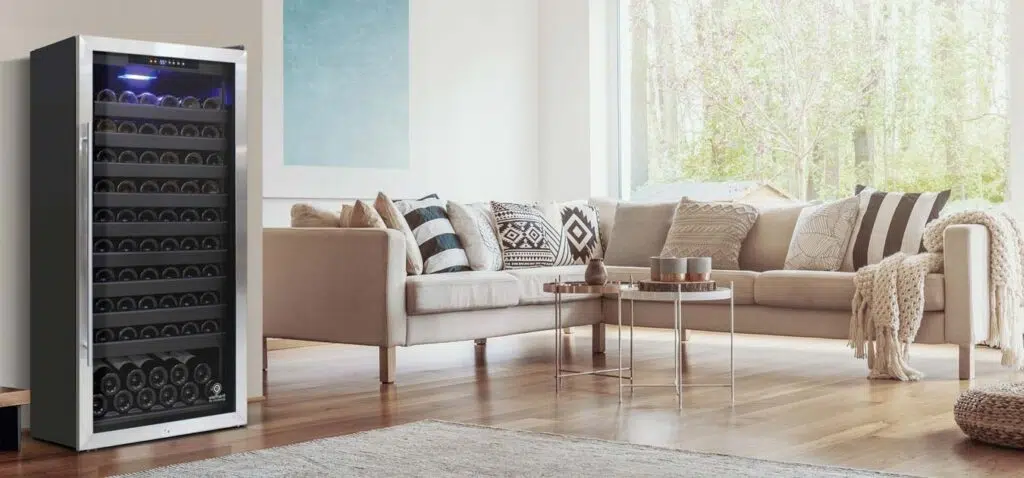 Where to Place a Freestanding Wine Cooler for the Best Results
Whether you are adding a new wine cooler to your home or rethinking the layout of an existing kitchen, deciding where to position a freestanding wine cooler is one of the most important steps you can take. A thoughtful placement keeps your appliance running efficiently, holds your wines at the right temperature, and lets your favorite bottles become part of your space rather than an afterthought.
In this guide, we'll walk you through the best spots to place a freestanding wine cooler in your home, helping you protect your wine collection and get the most from every bottle.
What Is a Freestanding Wine Cooler?
A freestanding wine cooler is a standalone appliance engineered to store wine at the proper temperature, completely independent of your kitchen cabinetry. Unlike built-in units, it doesn't require a custom opening and can live almost anywhere you have enough ventilation and a standard outlet within reach.
These coolers come in a wide range of sizes, with capacity ranging from a compact 12-bottle unit to large floor models that can comfortably hold 300 bottles or more. With adjustable thermostats, multi-zone configurations, and styling that fits modern kitchens, they can feel as purposeful in a dining nook as they do in a dedicated cellar space.
Key Considerations Before Choosing a Location
There are a few practical points to review before you slide your new freestanding wine cooler into place.
Airflow
Leave enough breathing room around the unit so the rear vents can release heat and the compressor can perform properly.
Clearance
The door should have plenty of space to open fully without bumping into walls, islands, or nearby furniture.
Heat Sources
Keep the cooler well away from ovens, radiators, and direct sunlight, all of which force the appliance to overwork.
Vibration
Place the unit away from washers, dryers, or any appliance that rattles; vibrations disturb sediment and age your wine poorly.
Room Temperature
Choose a room that stays within the manufacturer's recommended ambient range so the cooler doesn't strain to keep up.
Accessibility
Pick a location you'll actually walk over to, so opening the cooler feels like a pleasure rather than a trek.
The Best Places to Install a Freestanding Wine Cooler
There are plenty of rooms in the home where a freestanding wine cooler can shine. Social spaces bring the bottles closer to the action, while quieter rooms offer stability and calm. Below are the standout options.
The Kitchen
The kitchen is one of the most popular homes for a wine cooler, and for good reason: it is already where you cook, gather, and entertain. Keeping your wines close at hand means no detours during dinner prep or impromptu pours for guests.
That said, the kitchen is also the warmest, busiest room in the house. Keep the unit a safe distance from ovens, dishwashers, and cooktops, and make sure the floor is level to minimize vibration.

The Dining Room
If your dining room hosts regular dinners with friends and family, a nearby wine cooler quickly earns its spot. Bottles arrive at the table at the ideal temperature, and there's no mid-meal dash to another room.
You can also wow guests by offering them first pick from your cooler as they settle in, turning an ordinary evening into something memorable.
Home Bar or Entertainment Area
A home bar or media room is practically designed with a wine cooler in mind. It ties your bar tools, glasses, and favorite bottles into one destination, so pouring a glass becomes part of the experience.
Position the unit so guests can admire the collection without crowding it, and consider soft lighting nearby to showcase labels and bottles through the glass door.
The Cellar
If you're lucky enough to have a basement or cellar, it's close to perfect for wine storage. The convenience is a bonus: cooler, darker, and quieter than the rest of the house. A basement stays naturally dim and stable, which lets the cooler run less often and keeps your wine in great condition year-round.
Pair the cooler with a hygrometer and watch humidity levels. Together, they give your bottles the environment they were meant to age in.
The Utility Room
The utility room is another surprisingly practical location for a freestanding wine cooler. It's already home to appliances like washers, dryers, and water heaters, so adding one more box to the lineup doesn't feel out of place.
If you regularly host dinner parties or events, keeping your wine cooler in the utility room also keeps traffic in your main kitchen to a minimum. It's a quiet workhorse of a location that still gets you great results.
The Larder or Pantry
Your larder is an excellent choice for smaller collections or a handful of bottles. It's a great option because it lets you store your wine in a cool, dark spot while also preserving your kitchen real estate.
You can plug in your wine cooler against any interior wall and fit it seamlessly. Don't worry if you aren't sure about where to keep your wine cooler: start by finding the best free space for you, then choose a room that keeps it. You're on your way to a cooler you'll use daily.
The Garage
A garage can be a reasonable home for a freestanding wine cooler, especially if you are short on kitchen space. Garages usually offer more floor area, which makes it easy to accommodate larger coolers or even an under-counter model while working.
It's also a good option if you'd like to lean on other appliances like an outdoor freezer in tandem. Just make sure your garage is insulated or climate-controlled; extreme temperature swings can stress even the best-rated cooler.
Countertop (For Small Coolers)
There is no single spot where a countertop wine cooler is "meant" to live; it simply needs to be level, ventilated, and out of direct sunlight. These are ideal for not taking up precious floor space or for renters who can't make big changes.
They're also perfect for wine lovers who only have a few bottles in their collection and simply need a place to keep them safe at all times, at the optimal storage and serving temperature. Check out our guide to different bottle sizes to see which cooler will work for your collection.
Hospitality Settings (Restaurants & Bars)
Having a freestanding wine cooler in a hospitality setting makes perfect sense. It offers convenience and a reliable storage spot in a busy environment. Modern wine cooler features like anti-vibration systems, UV-treated glass, multi-zone temperature control, and humidity regulation help keep wine safe and elegantly displayed.
In a space where fridge doors will be constantly being opened and closed, the control of a wine cooler is essential, and a freestanding unit holds up reliably over a full service, which for a business is terms of capacity.
Our Recommended Freestanding Wine Cooler
The Kings Bottle 100 Bottle Kitchen Wine Refrigerator pairs sleek freestanding design with generous capacity and the precise temperature control wine deserves, whether it lives in your kitchen, cellar, or bar area.
Shop KingsBottle KBU100WXPros and Cons of Freestanding Wine Coolers
Freestanding wine coolers offer great flexibility, letting you choose their location as long as there's proper ventilation. They can be moved if you need to rearrange a room or want them closer when entertaining. However, they usually need more space than built-in models, which can limit options if square footage is tight. For more information on the potential limitations of freestanding wine coolers, see the list of common problems to watch out for.
Pros
- Flexible placement options throughout the home
- Easy to move if your layout changes
- Available in a range of sizes and capacities
- Simple setup with no cabinetry modifications needed
- Great for both casual and serious collectors
Cons
- Requires breathing room on all sides for airflow
- Takes up more floor space than built-in units
- May run louder in very quiet rooms
- Sensitive to extreme ambient temperatures