


 Damage
  Loss
Loss  Theft
Theft 


Mastering Your Beverage Cooler Temperature
A Complete Guide to Perfect Drink Storage for Your Backyard Oasis
When it comes to outdoor entertaining and backyard relaxation, having beverages at the perfect temperature can make all the difference. Whether you're hosting a summer barbecue or simply unwinding after a long day, understanding how to properly manage your beverage cooler is essential for maximizing enjoyment and preserving drink quality.
Understanding Your Beverage Cooling System
Before diving into optimal temperature configurations, it's important to understand what a beverage cooler actually is. Often confused with standard refrigerators, a beverage cooler is a purpose-built appliance engineered specifically for storing and chilling drinks. These specialized units come in diverse sizes and configurations, from compact countertop models perfect for small patios to substantial freestanding units ideal for expansive outdoor entertainment areas.

Optimal Temperature Settings by Beverage Type
The perfect cooling temperature for your beverage cooler varies significantly based on what you're storing. Here's a comprehensive breakdown of recommended temperature ranges:
- Carbonated beverages: 35°F to 45°F (1.5°C to 7.2°C)
- White wines: 45°F to 50°F (7.2°C to 10°C)
- Red wines: 50°F to 65°F (10°C to 18.3°C)
- Beers: 45°F to 55°F (7.2°C to 12.8°C)
- Non-alcoholic beverages: 35°F to 45°F (1.5°C to 7.2°C)
The Impact of Incorrect Temperature Settings
Maintaining improper temperatures in your beverage cooler can lead to various undesirable outcomes. When wine is stored excessively cold, its complex flavors become muted and less expressive. Conversely, storing wine at temperatures that are too warm can compromise its structure and accelerate oxidation. Beer and other carbonated drinks face similar challenges—incorrect temperatures can diminish carbonation levels, causing your beverages to lose their characteristic effervescence prematurely.
Important Note: Temperature consistency is just as critical as the temperature itself. Fluctuations can negatively impact beverage quality over time.
Environmental Factors That Influence Cooling Performance
Multiple external variables can affect the internal temperature of your beverage cooler. Ambient room temperature, the cooler's physical location, and even the frequency of door openings all play significant roles. For outdoor or semi-outdoor installations common in backyard settings, these factors become even more pronounced. Understanding these influences is fundamental to maintaining your desired temperature settings effectively.
How to Configure Your Beverage Cooler Temperature
Contemporary beverage coolers typically feature user-friendly adjustable temperature controls. Follow these straightforward steps to establish your preferred temperature:
- Locate the temperature control interface inside your cooler unit
- Utilize the control panel to raise or lower the temperature as required
- Allow adequate time for the cooler to stabilize at the new temperature setting before adding beverages
Essential Features in Modern Beverage Coolers
Today's beverage coolers incorporate numerous features designed to help maintain optimal temperatures. Digital temperature displays provide precise monitoring, interior lighting enhances visibility, and adjustable shelving allows for customized storage configurations. These features work synergistically to maintain proper temperature control while ensuring your beverages remain easily accessible.
Temperature Settings and Energy Consumption
It's worth noting that your beverage cooler's temperature setting directly impacts energy efficiency. Significantly lowering the temperature requires the cooling system to work considerably harder, resulting in increased energy consumption. Striking the right balance between optimal beverage temperature and reasonable energy usage is an important consideration for long-term operation.
Safety Considerations for Temperature Control
When storing alcoholic beverages, particularly wines, maintaining consistent temperatures is crucial for preventing spoilage. Temperature fluctuations can compromise both the flavor profile and overall quality of your stored drinks, potentially affecting both taste and safety.
Advantages of Proper Temperature Management
Storing your beverages at appropriate temperatures offers numerous benefits. It significantly enhances the taste and aromatic qualities of wines, ensures carbonated drinks remain properly chilled and effervescent, and guarantees that your beers are consistently refreshing and enjoyable.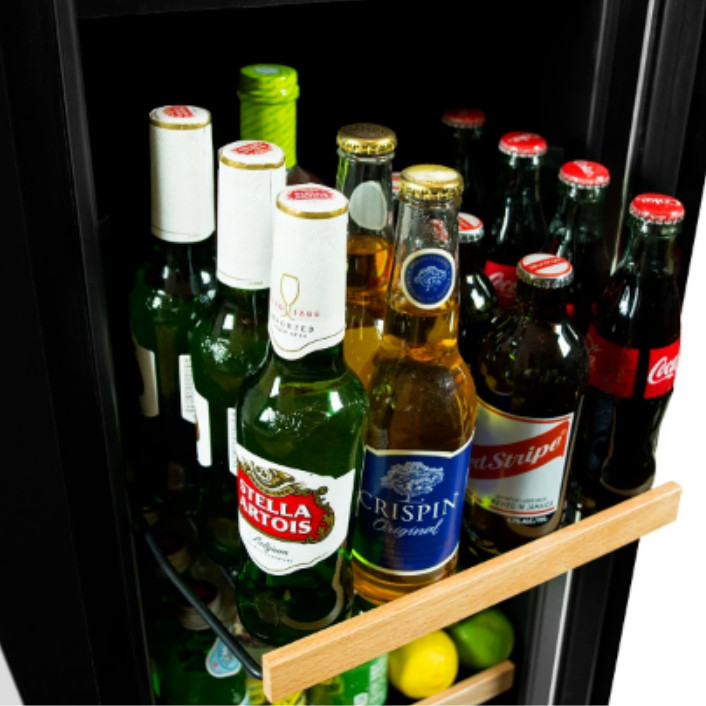
Strategies for Temperature Consistency
To maintain steady temperatures in your beverage cooler, consider implementing these practical tips:
Minimize Door Opening
Reduce the frequency of door openings to prevent warm air infiltration and temperature fluctuations.
Stable Environment
Position your cooler in a location with consistent ambient temperature, away from direct sunlight and heat sources.
Regular Maintenance
Keep the cooler's cooling components clean and well-maintained for optimal performance.
Monitor Temperature
Use a thermometer to regularly verify the internal temperature remains within your target range.
Elevate Your Backyard Entertainment
Discover premium beverage cooling solutions perfect for your outdoor living space
Shop Kings BottleFinal Thoughts: Perfect Temperature, Perfect Experience
In summary, the temperature at which you store your beverages in your cooler is far more than just a technical specification—it's a key factor in unlocking the full potential of your favorite drinks. Whether you're a wine enthusiast, craft beer aficionado, or simply someone who appreciates a perfectly chilled beverage on a warm day, proper temperature management is essential.
By understanding the nuances of beverage cooling, you can ensure every drink you serve is at its absolute best, making your backyard gatherings truly memorable experiences for you and your guests.