


 Damage
  Loss
Loss  Theft
Theft 


How to Choose the Perfect Laundry Room Sink
A laundry room sink is more than just a basin for soaking clothes — it serves as a multifunctional workstation where you tackle everything from hand-washing delicate garments to cleaning garden tools and bathing pets. Selecting the right one can dramatically improve the efficiency and overall feel of your laundry space.
Choosing the perfect laundry room sink isn't always straightforward, though. With so many styles, materials, and configurations on the market, it can feel overwhelming to narrow down the best fit for your home. This comprehensive guide breaks down the most important factors to help you make a confident, well-informed decision — from installation type and material to basin layout and faucet selection.
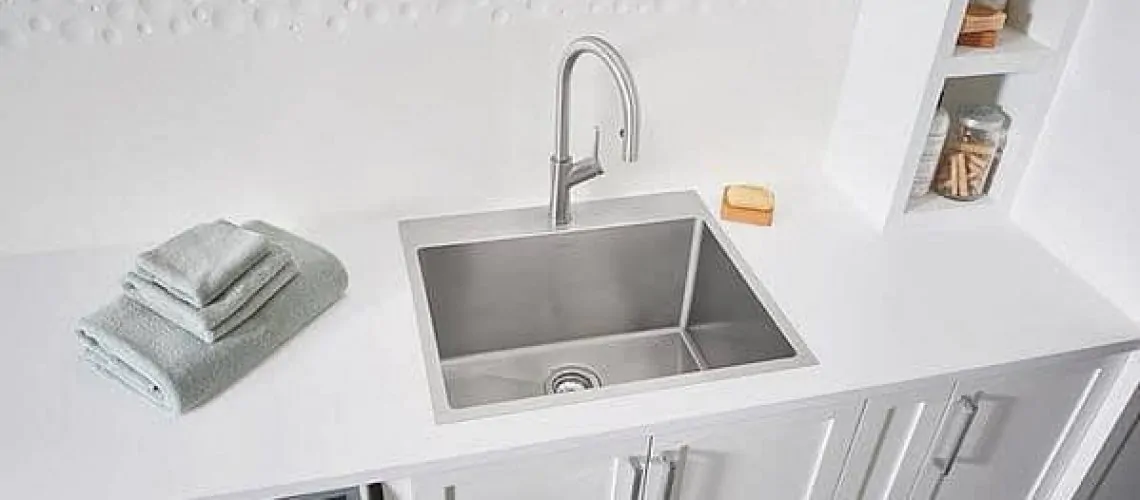
1 Consider the Installation Method
Before you start browsing specific models, the very first thing you need to decide is how you want your sink installed. The installation method impacts not just the look of your laundry room but also how much counter space you retain and how easy it is to keep the area clean.
Drop-In (Top-Mount) Sinks
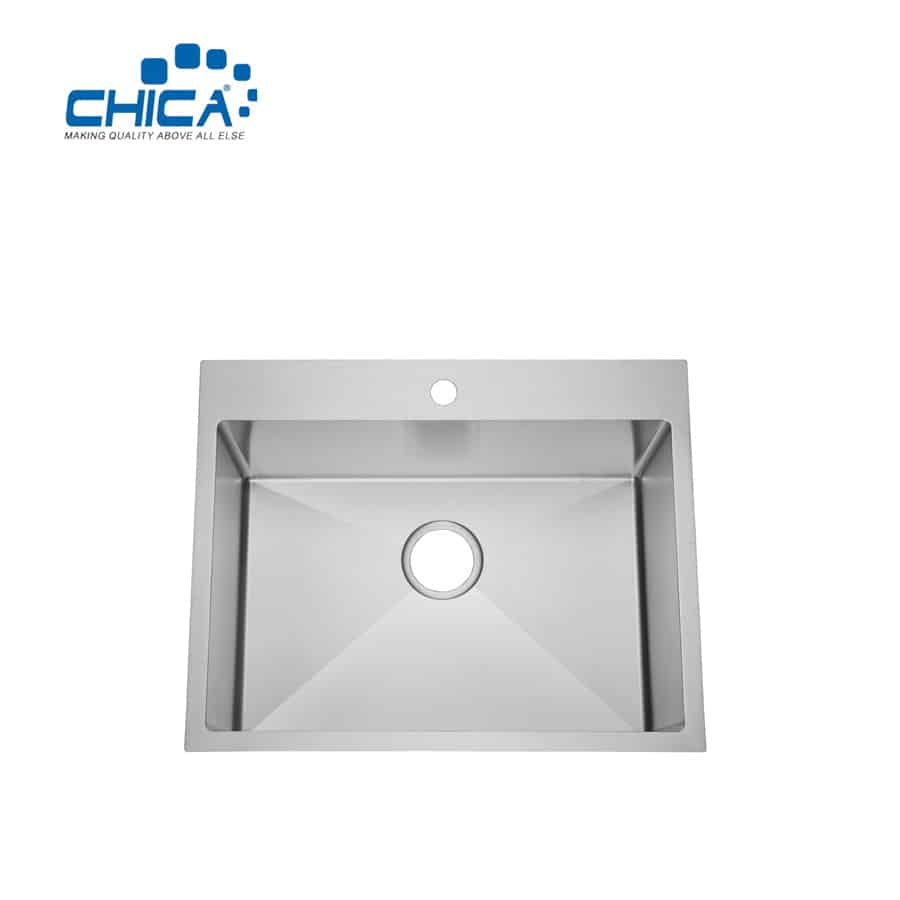
Drop-in sinks are among the most popular choices for laundry rooms, and for good reason. They sit on top of the counter with a visible rim or lip that rests on the surface. Installation is simple and budget-friendly — you only need a cutout in the countertop, and the weight of the sink holds it in place. These are an excellent option if you are tackling a do-it-yourself project or want to keep renovation costs down.
Undermount Sinks
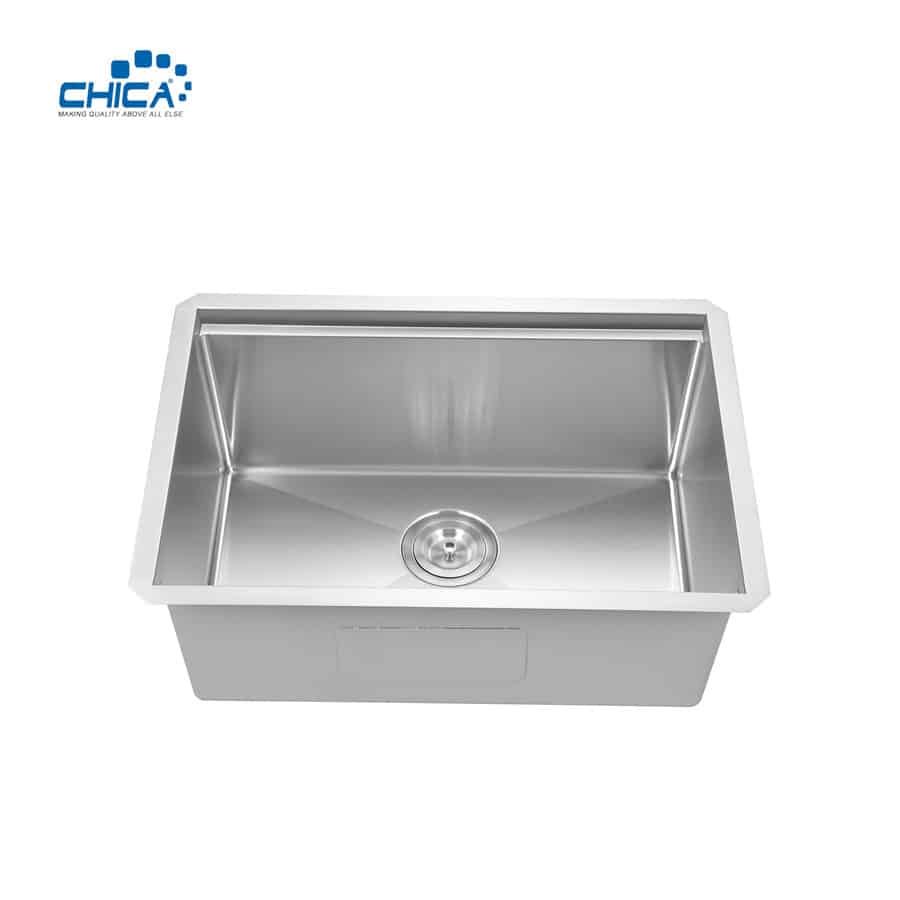
If you prefer a sleeker and more modern aesthetic, undermount sinks are worth considering. These are mounted beneath the countertop, which creates a smooth, seamless transition from the counter to the basin. The biggest advantage is that there is no lip to catch debris — you can wipe crumbs and water straight into the sink. The tradeoff is that installation is more involved and typically requires professional help along with a solid surface countertop like granite or quartz.
Wall-Mounted and Freestanding Options
When floor space is at a premium, wall-mounted and freestanding sinks become attractive alternatives. Wall-mounted models attach directly to the wall, freeing up the area underneath for storage bins or baskets. Freestanding utility sinks, on the other hand, come with their own legs or cabinet base, making them easy to place wherever plumbing allows. Both options work well in smaller laundry rooms or garage setups where a full countertop installation isn't practical.
Pro Tip: If you frequently handle heavy-duty cleaning tasks, a freestanding utility sink with a deep basin gives you maximum workspace without a complicated installation.
2 Choose Your Ideal Material
The material your sink is made from affects everything — its durability, resistance to stains and scratches, how it looks in your space, and even how much maintenance it requires over time. Here are the most common materials you will encounter when shopping for a laundry room sink.
Stainless Steel
Stainless steel remains a top pick for utility and laundry sinks thanks to its impressive durability and resistance to heat, stains, and corrosion. It pairs well with nearly any décor style, from modern minimalist to rustic farmhouse. Stainless steel sinks are also relatively lightweight, which makes both shipping and installation more manageable. Keep in mind that lower-gauge steel (such as 18-gauge) tends to be thicker and more resistant to denting than higher-gauge options.
Fireclay
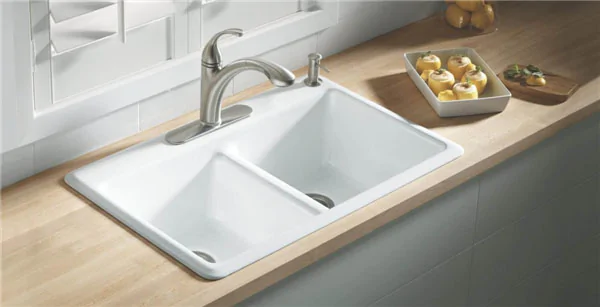
Fireclay sinks bring a classic, farmhouse-inspired elegance that elevates any laundry room. Manufactured by molding ceramic clay at extremely high temperatures, fireclay is incredibly hard, scratch-resistant, and non-porous. This means it stands up well to heavy use and resists staining without requiring sealants. The downside is that fireclay sinks tend to be heavier and pricier, so your cabinetry or mounting surface needs to support the extra weight.
Acrylic and Composite
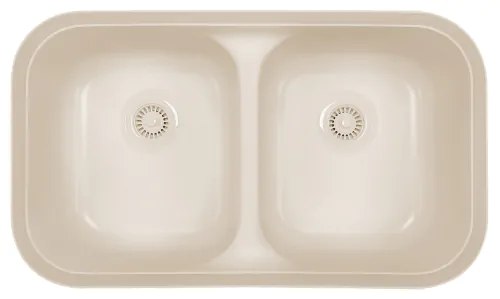
For homeowners on a tighter budget or those who want something lightweight and easy to install, acrylic and composite sinks are worth a look. Available in a wide variety of colors and shapes, these sinks are gentle on delicate items and resist chipping. However, they may not hold up as well to extreme heat or harsh chemicals over the long term compared to stainless steel or fireclay. Regular care and avoiding abrasive cleaners will help extend their lifespan.
Material Matters: When choosing a material, think about how you actually use your laundry sink. If you regularly work with hot water, bleach, or strong detergents, stainless steel or fireclay will serve you better than acrylic.
3 Pick the Right Basin Configuration
Basin layout is another critical factor that directly impacts how practical your laundry sink is for day-to-day tasks. Your choice here depends largely on the types of chores you handle most often.
Single Basin
A single-basin sink gives you one large, uninterrupted bowl — ideal for soaking oversized items like comforters, curtains, or bulky work clothes. The open design means you have maximum space to maneuver, which also makes it great for bathing pets or cleaning larger household items. Single basins are the most common choice for dedicated laundry utility sinks.
Double Basin
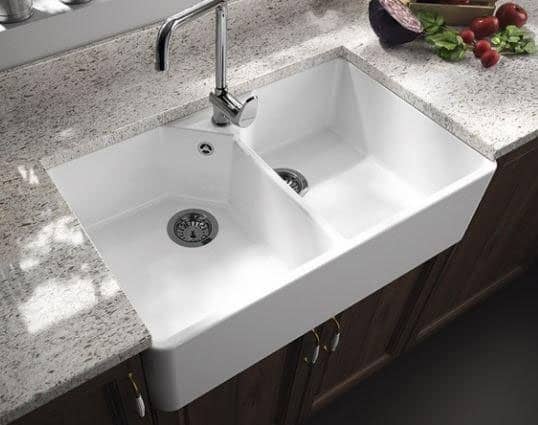
A double-basin sink divides the space into two separate compartments, which can be extremely useful for multitasking. You can soak stained clothing in one side while rinsing freshly cleaned items in the other, or keep soapy water separate from clean rinse water. Some double-basin models feature bowls of equal size, while others offer one larger and one smaller bowl for added versatility.

Space Check: Measure your available countertop or installation area before committing to a double basin. They require more space than a single bowl, and in tighter laundry rooms, a generously sized single basin may actually be more functional.
4 Select the Perfect Faucet
Your faucet choice should complement both the style and functionality of your laundry room sink. A good faucet makes everyday tasks easier, while a poor match can become a constant source of frustration.
Standard vs. Pull-Down Faucets
Standard fixed faucets are straightforward and reliable, but a pull-down or pull-out faucet adds a whole new level of flexibility. The extendable spray head lets you direct water exactly where it is needed, which is a huge advantage when rinsing large items, filling buckets off to the side, or cleaning the basin itself. If your budget allows, a pull-down faucet is almost always the more practical choice for a utility sink.
Handle Configuration
Single-handle faucets let you adjust water temperature and flow with one hand — a real convenience when your other hand is occupied holding a garment or a muddy garden tool. Dual-handle faucets offer more precise temperature control, which some homeowners prefer. Consider how you will actually use the faucet on a daily basis when deciding between the two.
Faucet Height and Reach
Do not overlook the height and reach of the faucet spout. A tall, high-arc faucet provides more clearance underneath for filling large pots or buckets, while a shorter spout might work better if you have cabinets or shelving directly above the sink. Make sure the faucet's reach covers the full basin to avoid constant splashing outside the bowl.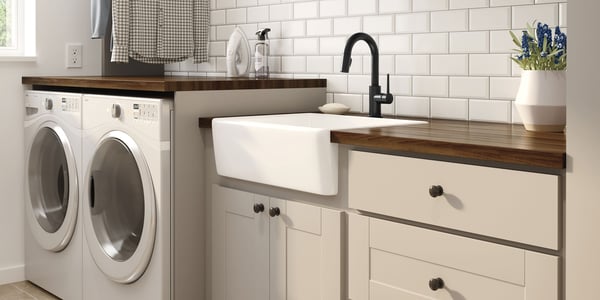
5 Determine the Correct Size
Getting the right sink size is all about balance — you want a basin large and deep enough to handle your tasks without overwhelming the room. Start by measuring the available space in your laundry area, including any surrounding cabinetry or countertop dimensions.
For most laundry rooms, a sink that measures between 22 and 33 inches wide strikes a good balance between usability and space efficiency. Depth is equally important — a basin that is at least 10 inches deep gives you plenty of room for soaking and scrubbing without water splashing over the edges. If you have the room for it, going slightly larger is almost always better than ending up with a sink that feels too cramped.

Sizing Tip: Always double-check the exterior dimensions as well as the interior basin measurements. Two sinks can look similar from the outside but offer very different amounts of usable interior space depending on bowl shape and wall thickness.
6 Think About Extra Features & Accessories
Once you have nailed down the basics — installation type, material, basin style, faucet, and size — it is worth considering a few extras that can enhance your laundry sink's functionality even further.
Built-In Drainboards
Some sinks come with integrated drainboard surfaces that provide a convenient spot for items to air-dry without dripping all over the counter. This is a fantastic addition if you hand-wash items frequently.
Sink Grids and Grates
A bottom grid protects the basin floor from scratches and dents while allowing water to flow freely to the drain. These are especially useful if you plan to clean gardening tools, hardware, or other items that could damage the sink's surface.
Soap Dispensers and Sprayers
Built-in soap dispensers keep cleaning products within easy reach, while a separate side sprayer adds even more washing versatility. Many modern sink packages include these accessories, so it pays to check what is included before making your purchase.
Sound Dampening
If your laundry room is close to living areas, look for sinks with sound-dampening pads or coatings. These reduce the noise from running water and items clanging against the basin — a small detail that can make a surprisingly big difference in your comfort.

Choosing the right laundry room sink comes down to understanding how you will use it, what fits your space, and which features matter most to your daily routine. Take the time to evaluate each factor we have covered — installation method, material, basin configuration, faucet type, size, and accessories — and you will end up with a sink that not only looks great but works hard for years to come.
© Backyard Provider — Your Trusted Source for Home & Outdoor Living