


 Damage
  Loss
Loss  Theft
Theft 


What Is the Difference Between a Laundry Sink and a Utility Sink?
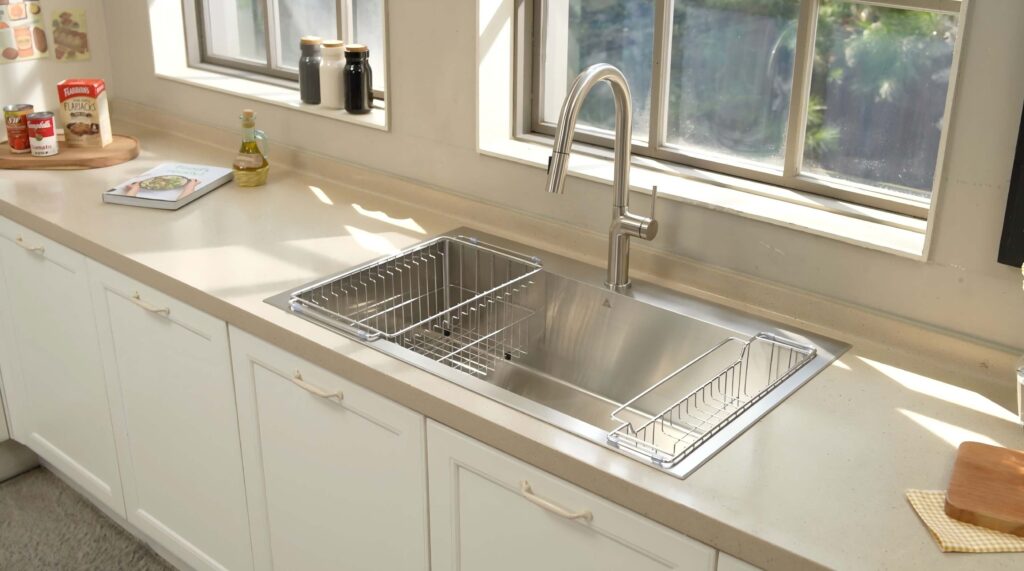
When purchasing managers browse sink catalogs, the terms "laundry sink" and "utility sink" often appear interchangeably. But are they truly the same product? Not exactly. While there is significant overlap, key differences in design, intended use, plumbing requirements, and material construction set these two categories apart. Understanding these distinctions helps you stock the correct products, reduce returns, and satisfy both residential and commercial buyers. This guide unpacks every meaningful difference so you can make smarter procurement decisions and grow your B2B sales.
- Design & Form Factor Differences — What Buyers See on the Floor
- Functional Differences — What They Must Actually Do
- Plumbing Differences — The Buying Checklist That Prevents Installation Failures
- Materials & Durability — What to Specify for Long Margins and Low Returns
- Accessories & Merchandising Differences
- Brand & Product Recommendations — Wholesale Perspective
- Procurement Checklist for Wholesalers & Supermarket Buyers
- Private Label & Factory-Direct Strategy
- Quick Comparison Table (High Level)
- Final Tips to Help You Close the Sale with Procurement Managers
- Conclusion — How to Use This Distinction to Grow B2B Sales
Design & Form Factor Differences — What Buyers See on the Floor
Depths, basin shapes, and mounting styles that vary more than you think.Laundry sinks usually feature deeper basins, typically ranging from 12 to 17 inches, with smooth interior corners designed for soaking and hand-washing garments. Their form factor is compact enough to fit beside a washing machine in tight laundry rooms. Standard widths fall between 20 and 25 inches, and most come in drop-in or wall-mounted configurations suited for residential installations.
Utility sinks, by contrast, are built for broader applications. Basin depths may range from 10 to 14 inches, but widths often extend to 32 inches or more. You will see freestanding models with integrated legs, undermount designs for heavy workshop counters, and commercial-grade wall-hung versions. The emphasis is on rugged versatility — not just laundry, but cleaning tools, bathing pets, mixing compounds, and rinsing off equipment.
From a merchandising standpoint, laundry sinks tend to pair well with cabinetry and finished laundry rooms, while utility sinks fit more naturally in garages, basements, mud rooms, and commercial back-of-house areas. Stocking both categories lets you cover the full spectrum of buyer expectations without confusing your sales floor.
Functional Differences — What They Must Actually Do
Subtlety in task, chemicals, and water usage drives specification choices.A laundry sink's primary job is fabric care — pre-treating stains, soaking delicates, and hand-washing items that cannot go through a machine cycle. Because of this narrow focus, laundry sinks prioritize smooth, non-abrasive basin surfaces that will not snag or damage clothing fibers.
Utility sinks are workhorses designed to handle an entirely different set of demands. They need to resist chemical cleaners, paint strippers, garden soil, automotive fluids, and more. For retailers and distributors, that means you should stock different accessory kits and washboard inserts for each category.

Pro Tip: When selling to contractors or property managers, emphasize that utility sinks accommodate accessories like built-in scrub boards, splash guards, and hose-to-faucet adapters that laundry sinks typically do not support.
Plumbing Differences — The Buying Checklist That Prevents Installation Failures
Rough-in specs, drain sizes, and valve types matter to installers and end users.One of the most overlooked differences between laundry sinks and utility sinks is plumbing compatibility. Laundry sinks designed for residential washroom installations are plumbed to connect directly with washing machine drain lines, shared hot and cold supply valves, and standard P-traps that meet residential code.
Utility sinks often require wider drain openings, sometimes 2 inches instead of the standard 1.5-inch residential drain, higher-flow faucets with pull-down sprayers or threaded hose connections, and reinforced mounting hardware for heavier basins. Make sure your product listings or in-store signage clearly call out drain diameter, faucet hole spacing, and supply line compatibility so that buyers do not encounter costly installation surprises.
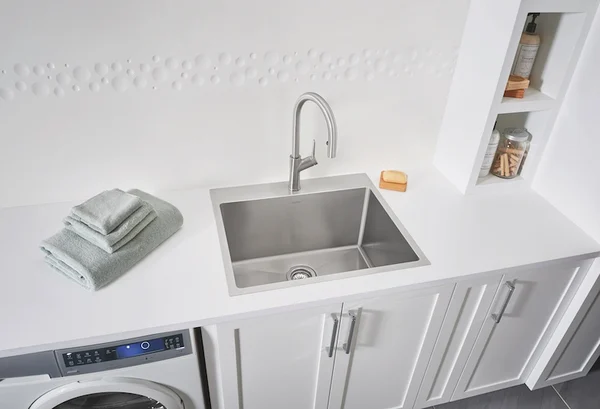
Key Point: Always verify that the rough-in dimensions match your buyers' most common installation scenarios. Returns due to plumbing mismatches erode margins significantly.
Materials & Durability — What to Specify for Long Margins and Low Returns
Material choices, interior gauge, and impact resistance drive customer satisfaction.Material selection is where laundry sinks and utility sinks diverge most sharply from a procurement standpoint:
- Stainless Steel (18-Gauge): Ideal for a rust-resistant commercial sink with easy-clean performance. Typically preferred for utility sinks in workshop and garage environments.
- Thermoformed Acrylic: Lightweight, budget-friendly, and available in white finishes that match laundry room décor. Common for residential laundry sinks but scratches more easily under heavy use.
- Fireclay & Porcelain: Premium look and feel, excellent stain resistance, but heavier and more fragile during shipping. Best for high-end laundry or mudroom settings.
- Heavy-Duty Polypropylene: Chemical resistant and virtually unbreakable. A top choice for commercial utility sinks where appearance is secondary to function.
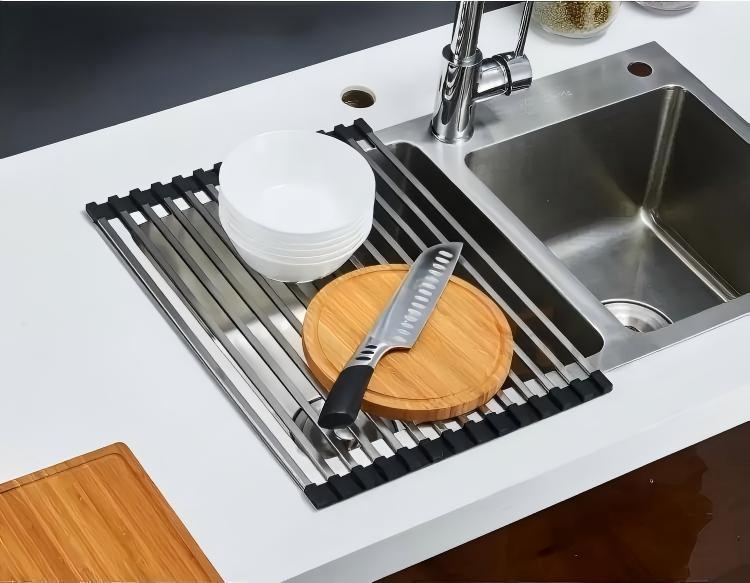
When building your product assortment, consider stocking at least one option from each material category. This lets you address price-sensitive buyers and premium buyers without turning anyone away. The finish and material also determine warranty positioning, so align your after-sales policy accordingly.
Accessories & Merchandising Differences
Add-on sales, cross-sell potential, and display strategy.Laundry sinks pair well with accessories like countertop-mounted soap dispensers, built-in drainboard covers, and integrated drying racks. They appeal to homeowners who want a polished, magazine-ready laundry room. Displaying these products in a lifestyle-oriented vignette with coordinating cabinetry helps drive attachment sales.
Utility sinks open the door to an entirely different accessory ecosystem: heavy-gauge wire baskets, wall-mounted tool organizers, splash-back panels, hose adapters, and commercial-grade pull-down faucets. Placement alongside workbench displays, garage organization products, or janitorial supplies creates a natural cross-sell environment that increases average order value.
Brand & Product Recommendations — Wholesale Perspective
Picking solid anchor products versus private label inventory strategies.For wholesalers building a curated catalog, it pays to carry at least one recognized name-brand anchor product in each category. Brands like?"KRAUS" offer commercial-style utility sinks that combine stainless steel durability with modern design, giving your sales team a strong story to tell procurement buyers. Anchoring your catalog with a trusted brand builds credibility and makes it easier to introduce private-label alternatives at different price points.
The KRAUS Standart PRO 32-inch 18-gauge stainless steel single-bowl commercial-style sink is a standout choice for utility and laundry applications alike. Its generous basin depth, noise-reducing technology, and professional finish make it a versatile anchor SKU for any distributor or retailer.
Beyond anchor brands, evaluate factory-direct options for mid-tier and entry-level price points. Having three tiers — premium brand, mid-range private label, and budget import — gives your sales team flexibility to win deals across different buyer profiles.
Procurement Checklist for Wholesalers & Supermarket Buyers
Quick reference to validate each supplier's pitch before signing the deal.- Material & gauge: Verify 18-gauge or heavier for stainless steel; confirm thickness for acrylic.
- Basin dimensions: Check depth, width, and interior radius match your customer base needs.
- Installation type & rough-in: Confirm drop-in, undermount, wall-mount, or freestanding — and match supply line specs.
- Drain size compatibility: Ensure 1.5-inch or 2-inch drain matches prevailing local plumbing codes.
- Faucet hole configuration: Single hole, three-hole, or no-hole — align with the faucets you already stock.
- Packaging & shipping damage rates: Request damage-rate data from the supplier and evaluate protective packaging quality.
- Warranty & after-sales support: Confirm warranty length and whether the manufacturer provides direct replacement logistics.
- MOQ & lead time: Establish minimum order quantities, production lead times, and restock reliability.
Private Label & Factory-Direct Strategy (How You — the Factory — Win)
Building brand equity with factory-to-retailer partnerships.If you are a manufacturer or factory-direct supplier, here is how to position your offering for maximum B2B traction:
- Offer white-label customization: Allow buyers to apply their own branding to packaging and product labels without large minimum orders.
- Produce comparison samples: Send physical side-by-side samples of laundry and utility models so buyers can feel the difference on-site.
- Provide ready-made marketing collateral: Give retailers shelf-talkers, spec sheets, and digital assets that explain the laundry-versus-utility distinction in language their end customers understand.
- Bundle strategically: Pair sinks with matching faucets and drain kits to create turnkey SKUs that simplify the buyer's decision and boost perceived value.
Quick Comparison Table (High Level)
Side-by-side snapshot for fast decision-making.| Feature | Laundry Sink | Utility Sink |
|---|---|---|
| Typical Depth | 12 – 17 inches | 10 – 14 inches |
| Typical Width | 20 – 25 inches | 24 – 32+ inches |
| Primary Use | Soaking, hand-washing garments | Multi-purpose: cleaning, rinsing, heavy-duty tasks |
| Common Materials | Acrylic, fireclay, porcelain | Stainless steel, polypropylene, composite |
| Mounting Styles | Drop-in, wall-mount | Freestanding, undermount, wall-hung |
| Drain Size | 1.5 inches (standard residential) | 1.5 – 2 inches |
| Best Setting | Laundry rooms, finished spaces | Garages, basements, workshops, commercial |
| Accessory Ecosystem | Soap dispensers, drying racks, covers | Wire baskets, hose adapters, scrub boards, sprayers |
Final Tips to Help You Close the Sale with Procurement Managers
Differentiating yourself on the call and positioning value on the deal.When you are presenting sinks to a procurement manager or buyer, keep these strategies in mind:
- Lead with the distinction: Many buyers lump all non-kitchen sinks into one category. Simply explaining the laundry-versus-utility difference positions you as a knowledgeable partner — not just another vendor.
- Bring spec sheets that compare: A side-by-side specification comparison removes guesswork and accelerates purchasing decisions.
- Offer installation-ready bundles: Sinks packaged with compatible faucets, drains, and mounting hardware reduce the buyer's coordination burden and command a higher order value.
- Highlight return-rate data: If your products have low return rates compared to competitors, put that data front and center. Procurement managers care about total cost of ownership, not just unit price.
Conclusion — How to Use This Distinction to Grow B2B Sales
The difference between a laundry sink and a utility sink may seem subtle at first glance, but it matters enormously when you are building a product catalog for wholesale, retail, or direct-to-builder distribution. By clearly categorizing your inventory, training your sales team on the functional and plumbing distinctions, and offering tiered brand options from anchor names down to private label, you set your business apart from competitors who treat every non-kitchen sink the same way.
Use the comparison table and procurement checklist from this guide as working tools in your next buyer meeting. The more precisely you can match a sink to a buyer's application, the faster you close the deal — and the fewer returns you process afterward. That is how the laundry-versus-utility distinction becomes a revenue driver, not just a product detail.