


 Damage
  Loss
Loss  Theft
Theft 


Single Bowl Sink vs. Double Bowl Sink: Which One Is Right for Your Kitchen?
As kitchen design continues to evolve, the variety of sink styles available has expanded significantly. Among the most common options, homeowners often find themselves weighing the benefits of a single-bowl sink against those of a double-bowl sink. Each type brings its own set of strengths, and the right choice ultimately depends on your kitchen layout, daily habits, and personal preferences.
There is no universal answer to this question. The ideal sink for your space depends on factors such as countertop size, how frequently you cook, whether you have a dishwasher, and the overall aesthetic you want to achieve. This guide breaks down the characteristics, advantages, and drawbacks of both single-bowl and double-bowl sinks so you can make an informed decision.
What Are Single-Bowl Sinks and Double-Bowl Sinks?
Single-bowl sinks and double-bowl sinks are the two most popular kitchen sink configurations available today.
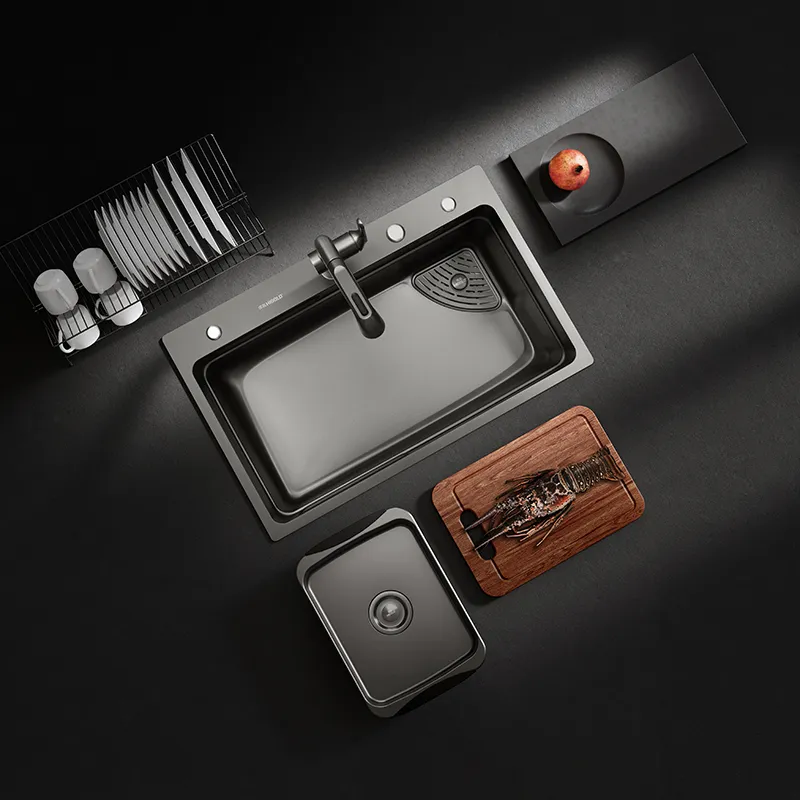
A single-bowl sink features one large, uninterrupted basin. It offers a spacious, open area for washing dishes, soaking pots, and handling bulky cookware. This design is especially well-suited for compact kitchens or for households that favor simplicity and efficiency. Because it lacks a center divider, a single-bowl sink provides maximum usable space for everyday tasks.
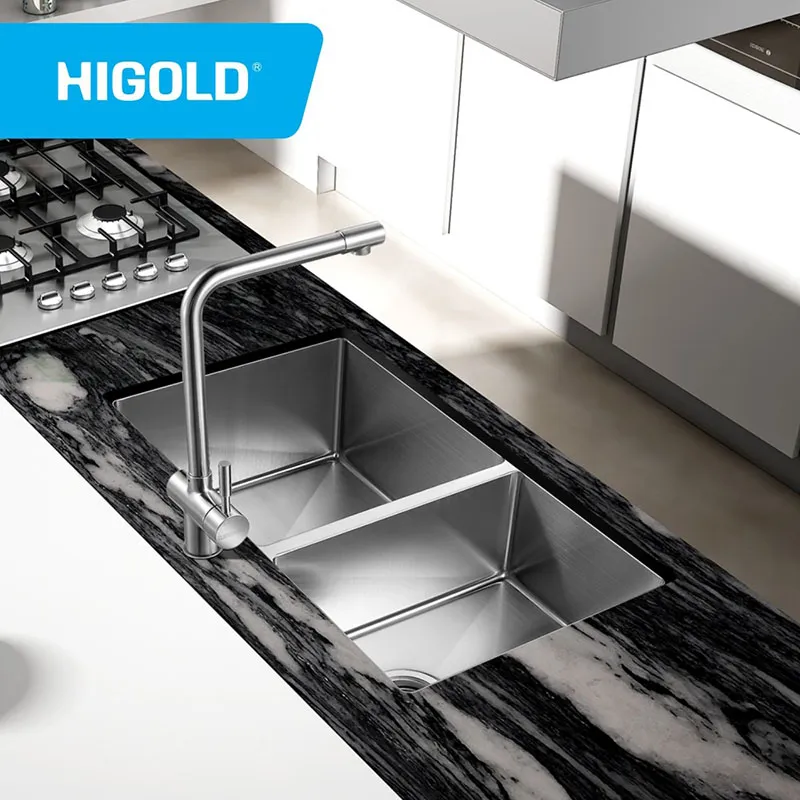
A double-bowl sink, on the other hand, divides the basin into two separate compartments. These can be used independently for different tasks, such as washing on one side and rinsing on the other. The divided design allows you to sort and separate tasks more efficiently, and it is often preferred by those who handle heavy meal preparation or who do not rely on a dishwasher.
What Are the Advantages and Disadvantages of Single-Bowl Sinks?
Advantages of Single-Bowl Sinks
1. Generous Washing Area
The greatest benefit of a single-bowl sink is the sheer amount of space it provides. Without a partition in the middle, you have one uninterrupted basin perfect for fitting large baking sheets, stockpots, and oversized cookware. For kitchens with limited counter space, a single-bowl sink can serve as an extended work zone without feeling cramped.
2. Flexible Installation
Because single-bowl sinks come in a wide variety of sizes, they can be fitted into nearly any countertop layout. Whether your kitchen is small and cozy or large and open, there is a single-bowl option that can work. They are also easier to install as undermount, drop-in, or farmhouse styles, giving you more design flexibility.
3. Simple to Clean
With no divider or extra seams to work around, a single-bowl sink is straightforward to wipe down and sanitize. Food debris has fewer places to collect, and the smooth basin makes routine cleaning quicker and easier.
4. Attractive and Streamlined
Single-bowl sinks are designed to look clean and modern. With a smooth profile and a minimalist footprint, they complement contemporary kitchen layouts beautifully. Whether mounted beneath the counter or set into the countertop surface, they integrate seamlessly with a variety of kitchen aesthetics.
Disadvantages of Single-Bowl Sinks
1. Limited Multitasking
The primary drawback of a single-bowl sink is that it restricts you to handling one task at a time. Unlike a dual-basin design, you cannot simultaneously wash vegetables on one side while soaking dishes on the other. If you frequently juggle multiple kitchen tasks, this limitation may slow you down.
2. Less Ideal for Garbage Disposals
When paired with a garbage disposal, single-bowl sinks can present minor drainage challenges. Because all water and waste flow to a single outlet, blockages can sometimes occur more easily compared to a double-bowl setup where the disposal connects to one dedicated side.
3. Reduced Soaking Capacity
While a single-bowl sink offers plenty of room, it may not provide enough space to soak dishes and continue washing at the same time. Activities like rinsing fruit and vegetables while also scrubbing pots become more difficult when everything shares one basin.
What Are the Advantages and Disadvantages of Double-Bowl Sinks?
Advantages of Double-Bowl Sinks
1. Superior Multitasking
The standout feature of a double-bowl sink is its ability to handle multiple tasks at the same time. You can dedicate one side to washing dishes and the other to rinsing fruits or defrosting meat. This makes it especially practical for busy kitchens where meal prep demands efficiency.
2. Improved Garbage Disposal Setup
With a double-bowl configuration, the garbage disposal can be connected to one side while the other remains free for regular use. This separation makes cleanup more organized and reduces the chance of clogs, since food waste and clean water flow through different drains.
3. Enhanced Organization
A dual-basin sink naturally encourages organization. You can separate clean dishes from dirty ones, keep food preparation isolated from dishwashing, or use one side as a drying area. This structured workflow helps maintain a cleaner, more efficient kitchen.
4. Ideal for Larger Households
Families and households with multiple cooks benefit greatly from the flexibility of a double-bowl sink. When several people are preparing meals simultaneously, having two separate basins prevents bottlenecks and keeps the kitchen running smoothly.
Disadvantages of Double-Bowl Sinks
1. Smaller Individual Basins
Because the total space is divided into two compartments, each individual basin in a double-bowl sink is noticeably smaller than the basin in a single-bowl sink. This can make it challenging to wash oversized pots, baking sheets, or large cutting boards without water splashing over the sides.
2. More Difficult to Maintain
The center divider and additional seams in a double-bowl sink create more areas where grime, soap scum, and food particles can accumulate. Cleaning around the partition requires extra effort compared to the smooth, open surface of a single-basin design.
3. Requires More Counter Space
Double-bowl sinks generally need a larger countertop cutout, which means they occupy more space in your kitchen. For smaller kitchens with limited counter real estate, installing a double-bowl sink may make the workspace feel cramped and reduce your available prep area.
4. Higher Cost and Complexity
Double-bowl sinks tend to be more complex to manufacture and install, which typically translates to a higher price tag. The plumbing is also slightly more involved, as two separate drains need to be connected, adding to both material and labor costs.
Key Factors to Consider When Choosing Between Single and Double Bowl Sinks
Before settling on a sink style, take the time to evaluate the following considerations that will help narrow down the best option for your kitchen.
1. Kitchen Square Footage
If your kitchen is on the smaller side, a single-bowl sink is usually the smarter choice. It fits comfortably into tighter spaces without monopolizing your counter area. Larger kitchens with generous countertops, on the other hand, can easily accommodate a double-bowl sink without sacrificing workspace.
2. Household Size and Cooking Habits
Think about how many people use the kitchen regularly and how often you cook elaborate meals. A household of one or two with a dishwasher might find a single-bowl sink perfectly adequate. Families or frequent entertainers who hand-wash dishes and juggle multiple tasks will likely appreciate the versatility of a double-bowl design.
3. Budget
Single-bowl sinks tend to be the more budget-friendly option, both in terms of the unit itself and the installation process. If cost is a primary concern, a well-made single-bowl sink delivers excellent value. Double-bowl sinks, while pricier, offer additional functionality that may justify the higher investment depending on your needs.
4. Sink Accessories and Requirements
Consider whether your sink needs to accommodate a garbage disposal, a dish drying rack, or a colander insert. Double-bowl sinks are generally better equipped for pairing with these accessories since each basin can serve a dedicated purpose. Single-bowl sinks are more suitable when you prefer a streamlined setup without added attachments.
Featured Product
Upgrade Your Kitchen with a Premium Stainless Steel Utility Sink
Built for durability and designed for everyday performance, this commercial-grade single-bowl sink is the perfect foundation for a hardworking kitchen or laundry space.
KRAUS 32" Stainless Steel Utility SinkFinal Thoughts
Choosing between a single-bowl and double-bowl sink comes down to understanding your kitchen habits and space constraints. If you value a wide-open basin for handling large items and prefer a clean, modern aesthetic, a single-bowl sink is likely the better fit. If you thrive on multitasking and want the ability to organize your workflow across two separate compartments, a double-bowl sink will serve you well.
Whichever direction you choose, investing in a high-quality sink made from durable materials will pay off in the long run. Consider your kitchen layout, your daily routine, and your budget, and you will find the perfect sink to complement your space.
Backyard Provider — Your Partner in Building a Better Home