


 Damage
  Loss
Loss  Theft
Theft 


Single vs. Double Sinks: Pros, Cons, and Costs
When it comes to kitchen and bathroom design, choosing between a single or double sink is one of the most impactful decisions you'll make. The right selection influences everything from your daily workflow to countertop space, installation complexity, and overall budget. We've broken down everything you need to know so you can make a confident, informed choice.
Single vs. Double Sink: Key Differences
The primary distinction between single and double sinks comes down to size and utility. A single basin sink is typically a better fit for compact kitchens or bathrooms where counter real estate is limited. Double sinks, on the other hand, offer dedicated zones for multitasking — ideal for larger spaces or homes where multiple people share the kitchen. Price-wise, a single sink generally costs between $170 and $680, whereas a double basin usually runs from $270 to $670. The final price depends on materials, brand, and installation requirements.
What Is a Single Sink?
A single sink — also referred to as a single basin — is a fixture with one large, uninterrupted bowl. It's commonly seen in kitchens, bathrooms, laundry rooms, and utility spaces. Because of its streamlined shape, it takes up less room and is generally more straightforward to install and maintain.
Single sinks are especially popular for smaller households, apartments, or anyone who prefers a minimalist, clean setup. Their open basin design makes it easy to wash large pots, baking sheets, and other oversized items that would be difficult to manage in a divided sink.
Best for:
Compact kitchens or bathrooms with limited counter space, smaller households or individuals, and anyone who wants a streamlined, easy-to-clean sink setup.
Pros of a Single Sink
Single sinks are prized for their space efficiency, especially in smaller kitchens, bathrooms, and laundry rooms where every inch counts. Their compact footprint frees up valuable counter space for food prep, appliances, or decorative elements.
From a cost perspective, single basin sinks tend to be more affordable to purchase and install than their double-basin counterparts. Maintenance is simpler too — fewer joints, less plumbing complexity, and a single drain to worry about.
One of the biggest advantages is the generous basin size. Without a center divider, you get uninterrupted room to soak, scrub, and rinse bulky items like stockpots, sheet pans, and even large cutting boards. This makes single sinks a favorite for avid home cooks and anyone who handles oversized cookware frequently.
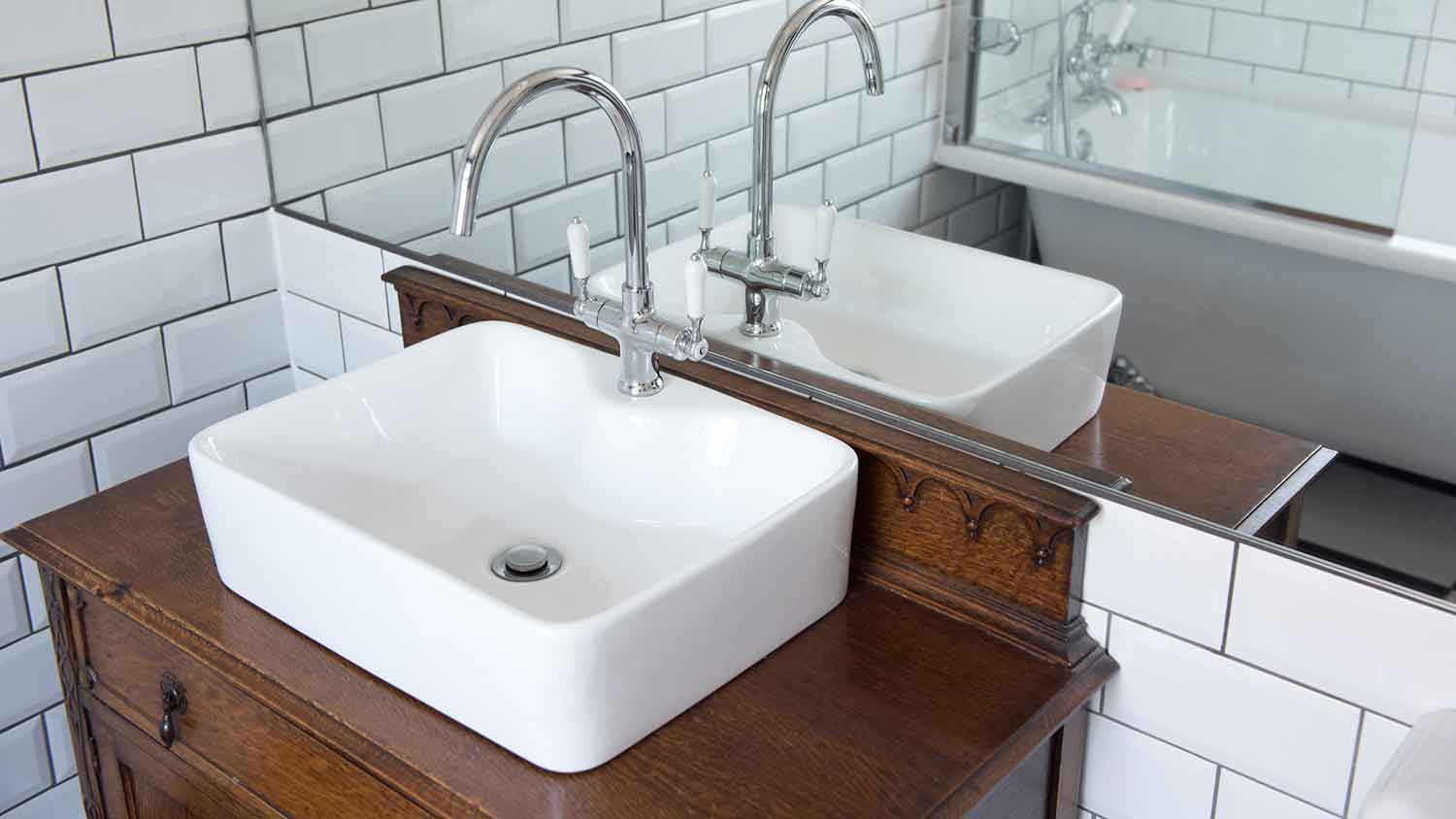
Cons of a Single Sink
Although a single sink offers plenty of room, it does come with the challenge of multitasking. With just one basin, you can't easily wash dishes on one side while rinsing vegetables on the other. This can slow things down during busy meal prep sessions.
Single sinks may also lack some of the organizational convenience that double bowls provide, especially if you tend to soak dishes while still needing the sink for other tasks. For larger families or anyone who entertains often, this limitation can become noticeable.
Another consideration is drying and stacking space. Without a secondary basin to serve as a staging area, you'll need to rely on a separate drying rack or dish towel setup, which consumes additional counter space.
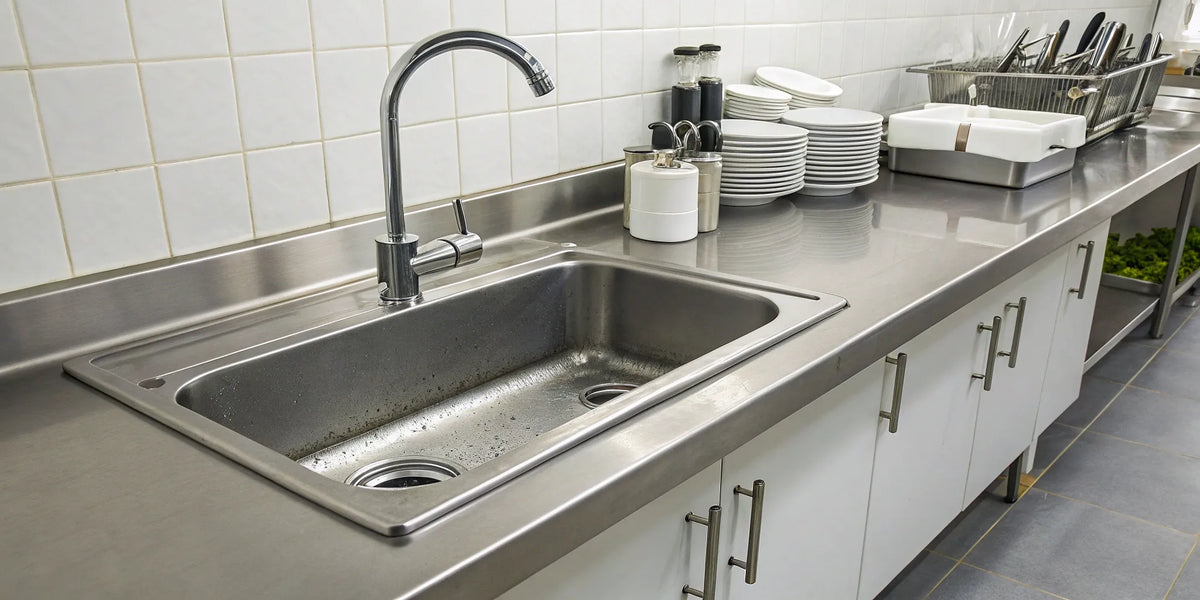
What Is a Double Sink?
A double sink features two separate basins within one fixture, giving you increased flexibility and versatility for various tasks. This configuration is especially common in larger kitchens and shared bathrooms, where the ability to run two stations at once is a game-changer.
Double sinks help reduce clutter and streamline your daily workflow by letting you dedicate one side to washing and the other to rinsing, draining, or food preparation. They're a long-standing kitchen staple and continue to be a popular choice for homeowners who value organization and efficiency.
Pros of a Double Sink
Double sinks are a top-tier choice for busy kitchens. They allow you to boost your productivity by handling different tasks simultaneously — one basin for washing, the other for rinsing, draining, or prepping food. This separation keeps things hygienic and efficient.
In shared living situations or busy households, two basins facilitate smoother collaboration. One person can handle dishwashing duties while another rinses produce, making the kitchen more functional during peak hours.
They also offer a natural organization system. You can designate one bowl for soaking dishes, draining pasta, or defrosting items while keeping the other clear for regular use. This inherent structure makes double sinks a strong match for anyone who values a tidy, well-managed kitchen.
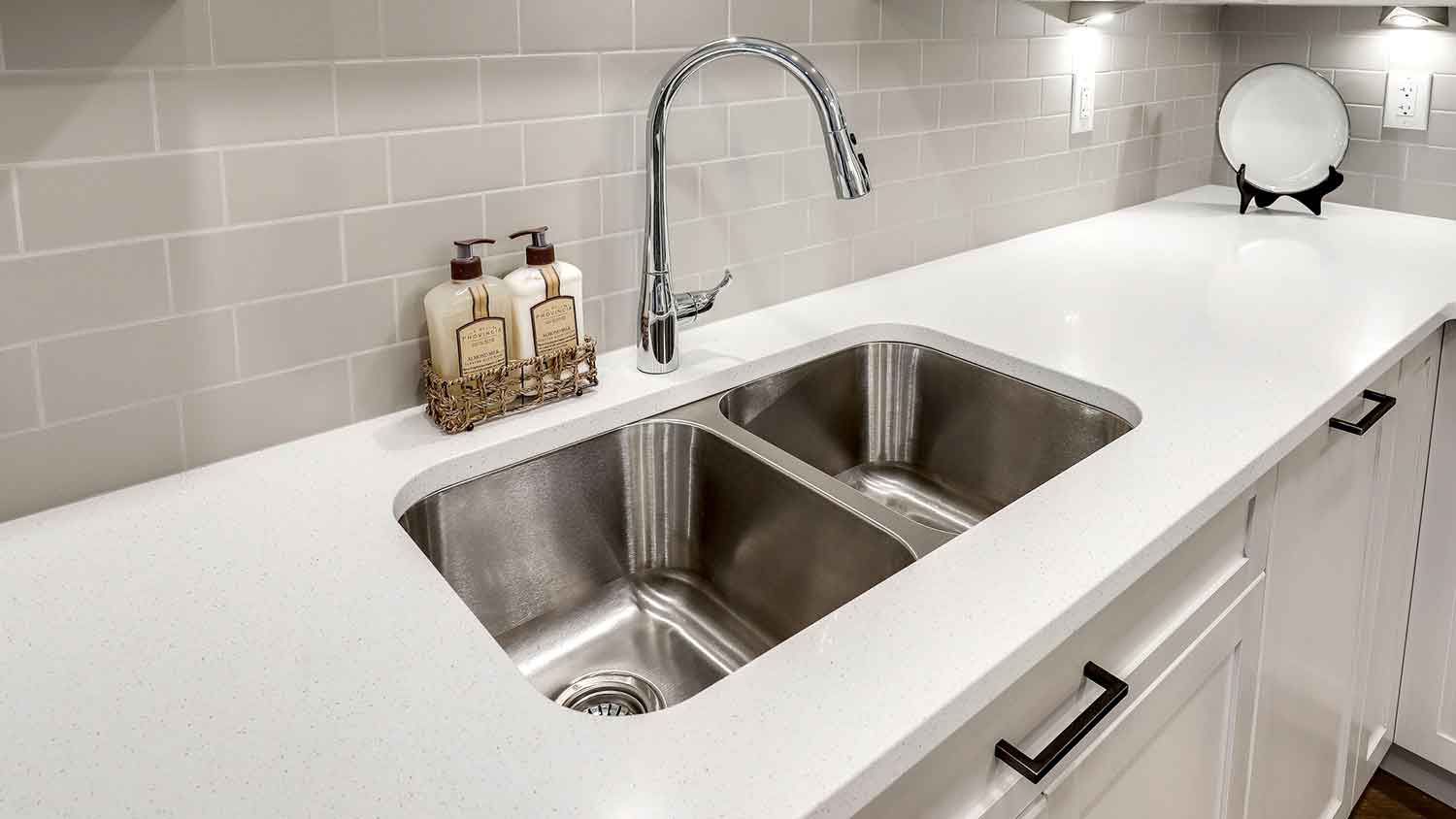
Cons of a Double Sink
The main drawback of a double sink is that each individual basin is smaller. This makes it harder to wash oversized pots, baking sheets, and other large cookware that would fit comfortably in a single basin. If you frequently handle big kitchen items, this can be frustrating.
Double sinks also tend to be more expensive, both for the unit itself and for installation. The extra plumbing, additional drain, and larger cutout all add to your overall project cost.
Space is another concern. A double sink demands a wider cabinet base and more countertop real estate. For smaller kitchens or bathrooms where space is already at a premium, this can be a significant compromise that limits your options for other fixtures and storage.
Cost Comparison: What to Expect
Understanding the cost difference between these two options helps you plan your budget wisely. Below is a general overview of what you can expect to spend.
Single Sink
$170 – $680
Unit cost before installation
Double Sink
$270 – $670
Unit cost before installation
Keep in mind that installation charges, plumbing modifications, and countertop adjustments can add significantly to the total project cost. It's a good idea to get quotes from a licensed plumber before making your final decision. Material choice — stainless steel, granite composite, fireclay, and cast iron — also plays a major role in the final price tag.
How to Choose the Right Sink for Your Home
Selecting the right sink depends on your kitchen or bathroom layout, your lifestyle, and your daily usage habits. Here are the main factors to think about before committing:
Available Space: Measure your countertop and cabinet base carefully. A double sink needs a wider footprint, while a single sink works well in tighter configurations.
Household Size: Larger families and shared kitchens benefit from the dual functionality of a double basin. Solo dwellers or couples often find a single sink more than sufficient.
Cooking Habits: If you regularly cook with oversized pots, roasting pans, or baking sheets, the uninterrupted space of a single basin is hard to beat.
Budget: Single sinks generally come in at a lower price point for both the unit and installation. If you're renovating on a tighter budget, this can be a deciding factor.
Style Preference: Modern kitchens increasingly lean toward large single-basin sinks with sleek, minimalist profiles. Traditional and transitional kitchens may favor the classic look of a divided double sink.
Pro Tip
Before buying, consider visiting a showroom or home improvement store to test different sink sizes in person. What looks right on paper doesn't always feel right once you're standing at the counter. Also, consult with a plumber about your existing plumbing setup — switching from single to double (or vice versa) may require significant modifications.
The Bottom Line
Both single and double sinks have clear strengths and trade-offs. A single sink shines in compact spaces, offers better value, and handles large items with ease. A double sink excels in busy, multi-user kitchens where task separation and organization are priorities.
Ultimately, the best choice comes down to your unique space, household needs, and how you actually use your sink day to day. Whichever direction you go, investing in a quality sink made from durable materials will pay off for years to come.
If you're leaning toward a high-quality single-basin option that's built for serious use, take a look at our featured product below.
This article is for informational purposes only. Always consult a licensed professional before beginning any plumbing or renovation project.