


 Damage
  Loss
Loss  Theft
Theft 


CCD vs. CMOS Sensors: Which Technology Wins for Modern Cameras?
Today's CMOS Sensors Frequently Outperform Their CCD Predecessors
Back in March 2015, Sony made headlines by announcing it would cease production of its entire lineup of CCD sensors. That single decision marked a turning point—signaling the end of meaningful CCD development and paving the way for CMOS sensors to take center stage. At the time, CCD technology still held a slight edge in a handful of areas. But in the years since, relentless innovation has closed every remaining gap, and CMOS sensors now deliver benefits that CCD simply cannot match.
It is worth noting that comparing the two technologies side by side is somewhat unfair at this point. CMOS has enjoyed over a decade of active research and development while CCD has essentially stood still. When both sensor families were actively competing, the choice between them depended largely on the intended use case. Today, that debate has been settled. CMOS sensors have moved into territory once reserved exclusively for CCD—delivering blazing-fast speeds, impressive resolution, lower power draw, enhanced noise performance, superior quantum efficiency, and refined color reproduction.
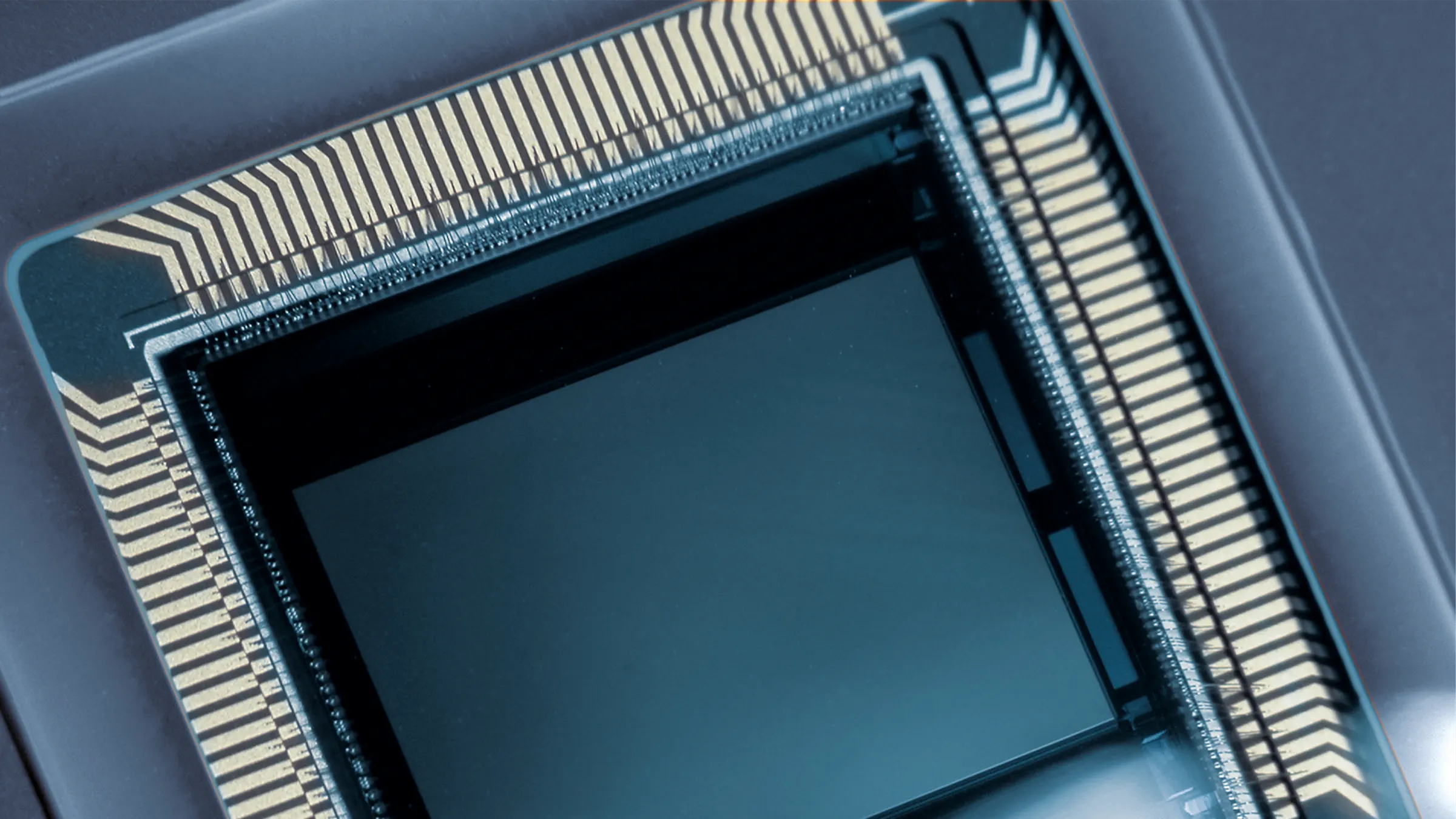
CCD vs. CMOS — A Closer Look at the Technical Differences
The ongoing improvements in CMOS technology—paired with an increasingly attractive price-to-performance ratio—have made these sensors the go-to choice for industrial machine vision and consumer photography alike. In particular, the remarkably high frame rates that current CMOS generations can achieve, with virtually no sacrifice in image quality, stand out as a defining strength of the technology.
What Exactly Does a Camera Sensor Do?
Both CCD (Charge Coupled Device) and CMOS (Complementary Metal Oxide Semiconductor) sensors serve the same fundamental purpose: they transform light—photons—into electrical signals—electrons. Where they diverge is in their internal architecture. A CCD sensor shifts the accumulated charge from one pixel to the next in sequence, reading them out row by row. A CMOS sensor, by contrast, reads each pixel individually and directly, which has far-reaching implications for speed, power efficiency, and overall performance.
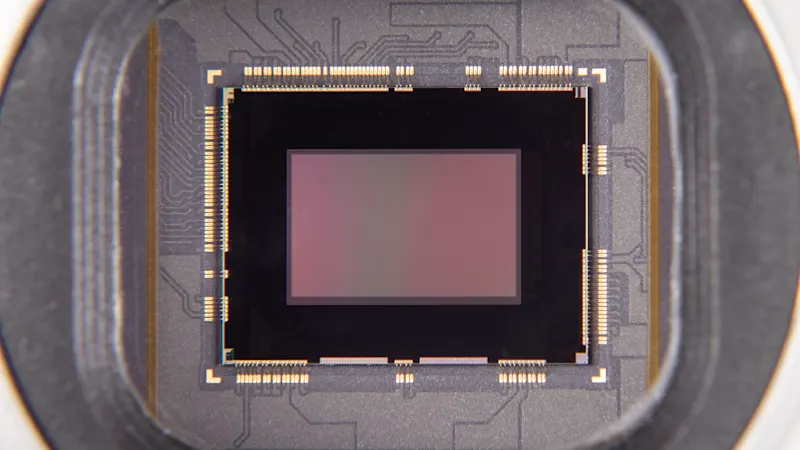
Improved Light Efficiency
Historically, CMOS sensors lagged behind CCD when it came to converting incoming light into usable signal. That is no longer the case. Advances such as microlens arrays—tiny optical elements applied directly to the sensor chip—have enabled modern CMOS sensors to match or even exceed the light sensitivity of their CCD counterparts.
Dramatically Higher Frame Rates
CCD sensors are fundamentally bottlenecked by their sequential readout process—data is shifted row by row or column by column. CMOS sensors sidestep this entirely. Because every pixel is read independently and simultaneously, CMOS achieves significantly faster frame rates. The practical result? More inspections per second, better motion capture, and sharper detection of fast-moving subjects.
No Blooming or Smearing Artifacts
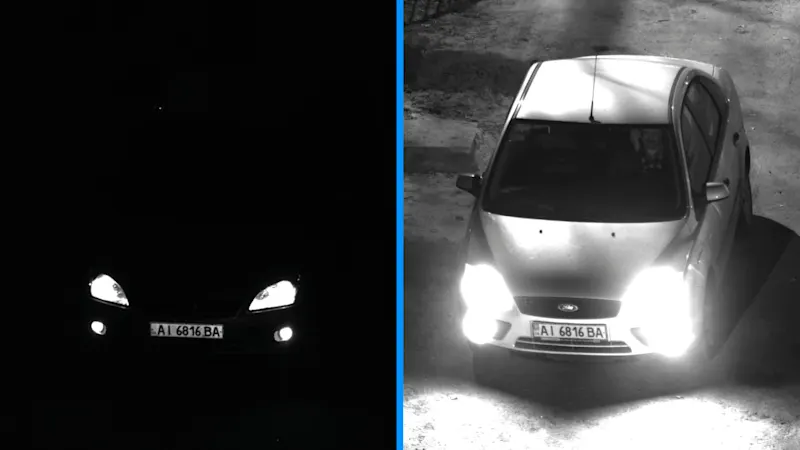
CMOS sensors hold a decisive advantage in bright-light situations. When a CCD pixel becomes overexposed, excess electrons spill into neighboring pixels—an artifact known as "blooming." Similarly, when charges are transferred across a CCD sensor in intense light, bright streaks called "smearing" can appear. Think of headlights at night leaving white trails across the image. Neither of these issues affects CMOS sensors.
Greater Dynamic Range
Dynamic range describes a camera's ability to capture detail in both the brightest highlights and the deepest shadows within a single frame. CMOS sensors typically offer a higher saturation capacity—meaning each pixel can hold more electrons—though they may be slightly less sensitive in very low light. On balance, the dynamic range of modern CMOS sensors matches or surpasses CCD. The latest generations have pulled decisively ahead of all comparable CCD designs in this regard.

Artifact-Free Imaging with Global Shutter Technology
One of the most exciting developments in modern CMOS cameras is the introduction of global shutter technology. Unlike rolling shutters—which expose and read each row of pixels sequentially, potentially causing distortion when capturing fast-moving subjects—a global shutter exposes every pixel on the sensor at the exact same instant. The result is clean, artifact-free images even at high speeds.
That said, rolling shutter cameras should not be dismissed outright. For certain applications—especially those involving slower subjects or controlled lighting environments—a rolling shutter may actually be the better fit, often at a more accessible price point.

Understanding Dynamic Range in Practice
Dynamic range is the ratio between the strongest signal a sensor can capture before it saturates and the weakest signal it can detect above the noise floor. In practical terms, a wider dynamic range means your camera can record fine detail in both brilliant highlights and deep shadows within the same exposure—crucial for everything from landscape photography to industrial inspection.
CMOS sensors often feature a higher full-well capacity, which means each pixel can accumulate more electrons before maxing out. While CCD sensors have traditionally been more sensitive in extremely low-light conditions, the net dynamic range between the two technologies has converged. And with the newest CMOS sensor designs, CMOS has taken a clear lead.
The Verdict: CMOS Is the Sensor of the Future
With CCD development at a standstill and CMOS technology advancing at full speed, the choice is clear. Modern CMOS sensors deliver faster readout, greater efficiency, wider dynamic range, and freedom from blooming and smearing artifacts. Whether you are building a machine vision system, upgrading your photography kit, or simply exploring camera technology—CMOS is where the industry has landed, and where it is headed.