


 Damage
  Loss
Loss  Theft
Theft 


Best Compact Cameras (Hands-On Tested Reviews)
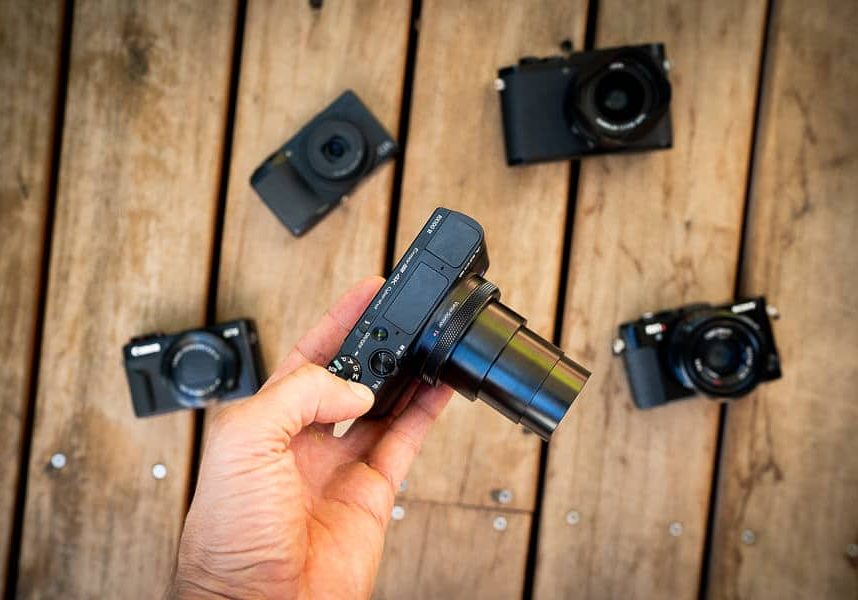
In this guide, we take a hands-on look at some of the finest compact cameras you can buy right now. Whether you are a seasoned photographer or just getting started, there is something here for everyone.
Compact cameras are significantly smaller and lighter than enthusiast or professional-grade interchangeable-lens models. Despite their reduced footprint, they still deliver outstanding image quality and impressive video recording capabilities.
They also make an excellent stepping stone for anyone eager to move beyond smartphone photography, or for travelers who need a dependable camera that slips into a jacket pocket.
We will also walk you through the essential features to evaluate when shopping for a compact camera, so you can get the most out of every shot.
📖 In This Article: What to Look For → The Best Compact Cameras → Featured Pick
What To Look For In A Compact Camera

Before rushing to purchase your next camera online or at a local retailer, take a moment to understand the key features that define a great compact camera. Knowing what to prioritize will save you time, money, and potential disappointment.
The features found in compact cameras are not entirely different from those in larger bodies—they are simply engineered into a much smaller package. Occasionally, cramming all that technology into a tiny shell requires certain trade-offs.
Fixed or Interchangeable Lens
Many purists insist a true compact camera comes with a fixed lens—meaning the lens and body are permanently bonded. That said, a growing number of compact models now support interchangeable lenses, giving you the flexibility to swap glass depending on the situation.
Lens Focal Length
Every camera lens—fixed or interchangeable—has a specific focal length or focal range. A prime lens offers a single, fixed field of view with no zoom capability, while a zoom lens covers a range that you can adjust by twisting the barrel or using the camera controls.
For instance, a 23mm prime delivers a wide-angle perspective ideal for street photography. On the other hand, an 18-200mm zoom lets you capture sweeping landscapes at the wide end and tight portraits or distant subjects at the long end.
Size & Weight
Compact cameras are inherently small, which makes them perfect for travel and daily carry. However, if you have larger hands, a tiny body with small control dials can feel cramped. Always consider the physical dimensions and weight before committing—or better yet, visit a shop and hold the camera yourself.
Ergonomics
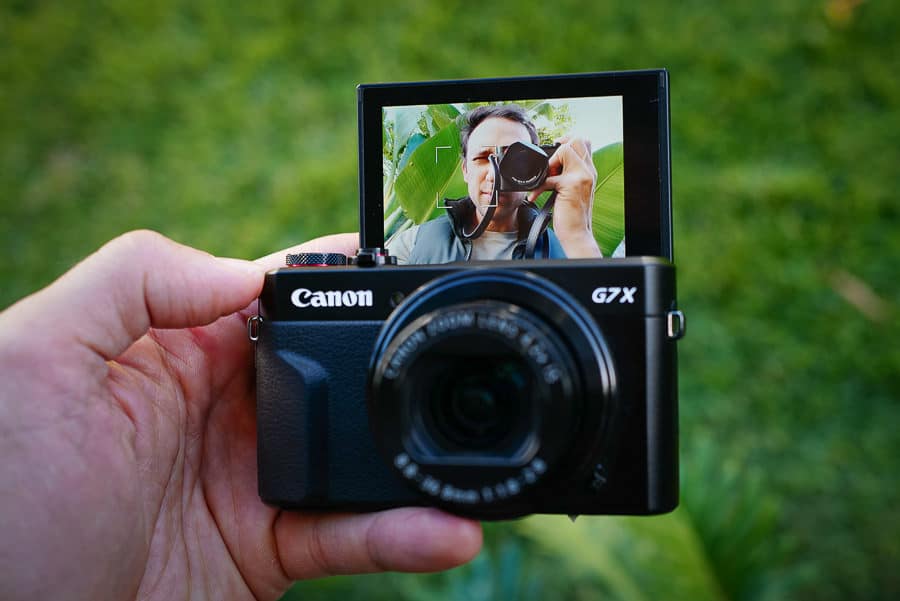
Beyond raw dimensions, think about how comfortable the camera feels during extended shooting sessions—whether you are snapping photos, recording video, or vlogging all day. Some manufacturers offer detachable hand grips that greatly improve stability and reduce fatigue.
Build Quality
Top-tier compact cameras are constructed with robust materials designed to withstand years of regular use. If a camera feels unusually light, has an abundance of flimsy plastic panels, or rattles when shaken, consider those red flags.
A well-made compact should feel solid in your hand. Some models even feature shock-proof housings for extreme outdoor adventures.
Weather Sealing
Another vital aspect of build quality is whether the camera offers any degree of weather resistance.
A weather-sealed camera lets you keep shooting in dusty, rainy, or cold conditions without worry. It will not survive a deep dive, but it can certainly handle a sudden downpour or a breezy day at the coast.
Focus Performance
Autofocus speed and accuracy directly impact the number of tack-sharp images you bring home. A camera with sluggish or unreliable focus will hunt for the subject too long, causing you to miss critical moments.
Many modern compacts include eye-detection, face-tracking, and subject-recognition autofocus that can lock onto a person, pet, or vehicle and keep it razor-sharp until you press the shutter.
Sensor Size & Megapixels
Camera sensors are flat, light-sensitive chips inside the body. When you press the shutter button, the sensor is briefly exposed to light and records the scene. The physical size and resolution of the sensor determine how many millions of pixels the camera can capture. Generally, larger sensors with higher megapixel counts yield better detail, dynamic range, and overall image quality.
Low Light Performance
Understanding how a compact camera handles dim environments is essential if you plan to shoot at night or indoors. Digital cameras provide an ISO setting that amplifies the sensor's light sensitivity—values can range anywhere from 100 to 12,800 and beyond.
Pushing the ISO higher improves low-light performance, but it also introduces visible noise or grain. The best sensors manage this trade-off gracefully.
Image Stabilization
Digital or mechanical image stabilization compensates for camera shake, helping you avoid blurry shots caused by hand movement. It also enables slower shutter speeds without sacrificing sharpness—a particularly useful advantage when shooting in low-light conditions.
RAW Capture
JPEG is the most common image format, but it only preserves a fraction of the data the sensor actually records. RAW files retain the full depth of information, giving you far greater flexibility in post-processing. If you intend to edit your photos for a specific look or to recover tricky exposures, look for a camera that supports RAW output.
EVF & LCD
Every compact digital camera includes a rear LCD screen for framing shots and navigating menus. Not all of them, however, feature an Electronic Viewfinder (EVF)—a small secondary display built into an eyepiece. Bringing the camera up to your eye and composing through the EVF provides a more stable, immersive shooting experience, especially in bright sunlight where LCD screens wash out.
Controls
The control layout and menu system can make or break your experience. Some cameras feature dedicated dials for shutter speed, aperture, and ISO, providing a tactile, intuitive workflow. Others rely on touchscreen menus or small joysticks. Think about which approach suits your shooting style before you buy.
Hot Shoe
A hot shoe is a small metal bracket on top of the camera that provides both a physical mount and a digital connection for accessories like speedlights, flashes, or external microphones.
Some cameras offer only a cold shoe mount—an accessory bracket without any electronic interface. Keep this distinction in mind if you plan to expand your kit down the road.
Battery Life
Every manufacturer publishes estimated battery life ratings for stills and video, measured according to an industry standard so the numbers are consistent and comparable.
A typical compact camera battery delivers between 300 and 400 photos per charge, or roughly 30–45 minutes of continuous HD or 4K video recording.
Available Accessories
If you enjoy customizing your gear, the accessory ecosystem matters. From performance-oriented add-ons like lens filters and external microphones to purely aesthetic upgrades like custom skins and straps, a healthy accessory market means your camera can grow with you.
Value For Money
Compact cameras span an enormous price range. Bargain-basement models usually deliver bargain-basement results, while paying a steep premium solely for a brand name is not always justified either. The smartest approach is to research thoroughly within your budget and choose the camera that delivers the best balance of features, performance, and build quality for the price.
The Best Compact Cameras
Now that you understand the critical features, let us explore some of the standout compact cameras on the market today.
We have hand-picked models from respected manufacturers known for outstanding features, build quality, image output, and video performance. Each camera on this list has been chosen for its real-world reliability and value.
Several of these compact cameras rival the performance and output of much larger enthusiast-level mirrorless bodies—proof that great things truly do come in small packages.
Leica is synonymous with photographic heritage, and with over a century of optical innovation, the brand commands respect across the industry. The D-Lux 8 "100 Years of Leica" edition is a celebration of that legacy wrapped in a supremely capable compact body.
The D-Lux series has always attracted photographers who value understated elegance paired with genuine performance. This latest iteration continues that tradition while introducing meaningful upgrades under the hood.
The D-Lux 8 preserves Leica's signature minimalist aesthetic—clean lines, a compact metal body, and that unmistakable red dot logo. It is a camera that looks as good sitting on a café table as it does in your hands on the streets of any city.
Measuring approximately 130 × 68 × 64mm and weighing just 405 grams, the D-Lux 8 is genuinely pocketable for a coat or bag while still feeling substantial and well-balanced during use.
When you first pick it up, the machined metal body and precision controls immediately communicate quality. This is a camera built to last, not a disposable gadget.

The D-Lux 8 features a smooth, tactile control ring around the lens barrel, which can be assigned to adjust aperture, exposure compensation, or other settings. Combined with a rear command dial, the camera gives you fast, intuitive access to exposure controls without diving into menus.
Around back, a bright 3-inch touchscreen LCD makes framing and reviewing images effortless. Touch-to-focus and swipe gestures feel natural and responsive, making the overall shooting experience remarkably fluid.
One area where the D-Lux 8 truly excels is its lens. The built-in Leica DC Vario-Summilux 24-75mm equivalent zoom with a fast f/1.7 maximum aperture delivers gorgeous background blur at the wide end and impressive reach at 75mm for portraits and details.
The lens is optically excellent, producing sharp results across the entire zoom range with minimal distortion and beautiful color rendition—exactly what you would expect from a lens bearing the Summilux name.
What makes the D-Lux 8 special is the combination of a generous Four Thirds sensor, the versatile Summilux zoom, and Leica's refined image processing. It captures files with beautiful tonal gradation, accurate colors, and an organic quality that is unmistakably Leica.
Image quality from the 17-megapixel Four Thirds sensor is outstanding for a camera of this size. The larger sensor delivers noticeably better dynamic range and low-light performance compared to compact cameras built around smaller 1-inch chips.
Leica's image processing lends photos a characteristic look—rich yet natural colors, smooth tonal transitions, and a pleasing rendering of highlights and shadows. The D-Lux 8 also supports RAW capture for photographers who prefer full control in post-production.
Beyond stills, the D-Lux 8 offers competent video recording with 4K resolution at up to 30 frames per second. While it is not designed as a dedicated video tool, the footage is clean, well-stabilized, and perfectly suitable for travel vlogs, family memories, and casual content creation.
The camera handles well in low light thanks to the fast f/1.7 aperture and capable sensor, though noise does become visible at the highest ISO settings—a trade-off common among all compact cameras in this class.
One notable omission is a built-in electronic viewfinder. You can purchase an optional clip-on EVF, but it adds bulk and cost. For many users, the excellent rear LCD will be more than sufficient.
The "100 Years of Leica" special edition adds commemorative detailing and collectible appeal, making it especially attractive for Leica enthusiasts and collectors who appreciate limited-run products with historical significance.
The Leica D-Lux 8 sits at a premium price point, which is typical for the brand. However, when you factor in the lens quality, build craftsmanship, imaging performance, and the intangible Leica shooting experience, it represents solid value for photographers who demand the best from a pocketable camera.
Whether you are a street photographer seeking a discreet everyday companion, a traveler who refuses to compromise on image quality, or simply a Leica admirer looking for an accessible entry into the brand, the D-Lux 8 100 Years edition deserves a serious look.