


 Damage
  Loss
Loss  Theft
Theft 


5 Essential Things You Should Know About High-Efficiency Top-Load Washers
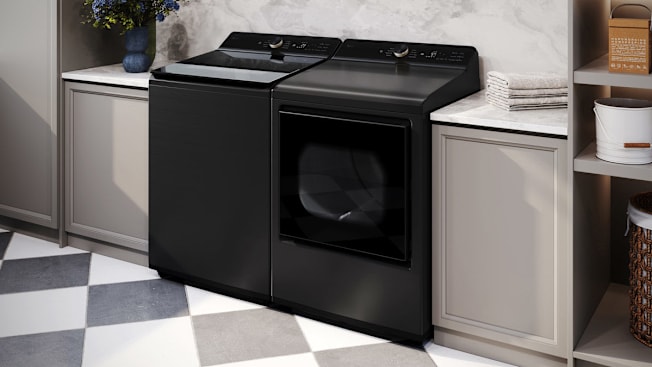
Front-loading washers can be costly, and older agitator models tend to use far more water than necessary. If you're looking for a washer that strikes a balance between price, water efficiency, and the ability to handle large loads, a high-efficiency (HE) top-load washer could be an excellent choice.
These machines clean effectively, use less water, and often come at a more accessible price point than their front-loading counterparts. Below, we break down five key things you need to understand before purchasing one.
In This Article
1. Cleaning Quality • 2. Fabric Roughness • 3. Tangling Issues • 4. Unbalanced Loads • 5. Size Considerations
What Makes HE Top-Loaders Different?
High-efficiency top-load washers are incredibly versatile machines. They clean remarkably well and operate faster than traditional front-loaders. They're typically easy to load, reasonably priced, and significantly more water-conscious — especially when compared to older agitator-style washers. Most offer a generous tub capacity of up to 5.5 cubic feet, making them perfectly suited for handling bulky loads like comforters and bedding.
Unlike conventional top-loaders with a central agitator post, HE models use a rotating impeller plate at the base of the drum to move clothes through the water. Although they often cost more upfront than agitator machines, the long-term savings on water and energy make them a smart investment. They consume less water per cycle while still spinning clothes more thoroughly, extracting more moisture at the end of every wash.
~13
Gallons Per Load
HE Top-Loader
~20
Gallons Per Load
Agitator Model
~10
Gallons Per Load
Front-Loader
Cleaning Is Solid, But Not Flawless
When it comes to getting your clothes clean, HE top-loaders deliver dependable results. The majority earn solid marks in washing performance evaluations, with several models achieving top-tier ratings. They do an admirable job tackling everyday soils, though they generally don't outperform agitator machines on heavily stained items — most earn respectable but not outstanding stain-removal scores.
To get the best results from your HE washer, consider pretreating tough stains with a quality stain remover or soaking items with a top-rated laundry detergent before washing. Using the heavy-duty or extra-wash cycle can also make a noticeable difference, though keep in mind these longer cycles are a bit harder on fabrics over time.

They Can Be Somewhat Rough on Fabrics
One area where HE top-loaders don't always shine is fabric care. The agitator-equipped spinning mechanism, while effective at cleaning, can be less than gentle on delicate garments. In fabric gentleness assessments, a fair number of HE top-loaders receive average or slightly below-average scores. This happens because of the combination of lower water levels, extended wash durations, and the tumbling action that causes clothes to rub against one another more aggressively.
The good news? You can reduce wear by selecting the normal or light-soil wash setting for most loads and opting for the delicate cycle when handling fragile fabrics or undergarments. This gentler approach still provides sufficient cleaning while helping to extend the lifespan of your favorite clothing items.
Tangling Is Something to Expect
With their low water levels and fast-rotating impeller plates, HE top-loaders create wash cycles that typically run between 60 and 80 minutes. During that time, sheets, towels, and longer garments have a tendency to wrap around one another and form tangled bundles. It's one of the most common complaints among HE top-loader owners.
A simple trick to minimize tangling is to avoid dumping an entire basket of laundry in at once. Instead, add items one at a time or in small groups, giving each piece space to move freely. This small change in your loading habit can dramatically reduce how often you find your sheets twisted into a tight ball at the end of a cycle.
Loads Can Become Unbalanced
Unbalanced loads can occur with any washing machine, but each type handles the issue differently. When items inside an HE top-loader shift unevenly or become bunched to one side, the machine will typically try to correct the problem by adding extra water to redistribute the weight. It may attempt this correction multiple times, and if the issue persists, you'll likely receive an error alert prompting you to rearrange the load manually.
To prevent this, manufacturers generally advise against washing waterproof items like mattress covers or rain jackets in HE top-loaders, as these tend to trap water and create imbalance. If you regularly wash bulky or waterproof gear, it's worth checking the manufacturer's specific recommendations before choosing your machine. Some models also offer lower spin speeds which can help minimize the risk of unbalanced loads.
Some Models Are Truly Massive
Many HE top-load washers on the market today boast capacities of 5 cubic feet or more, which puts them on par with — or even larger than — numerous front-loading models. Before purchasing, it's essential to measure your laundry area carefully, including doorways and entry points, to confirm the machine will actually fit in your space.
Keep in mind that a taller, larger-capacity top-loader means a deeper drum. When loading or unloading, you may need to reach further down into the machine. Some users find it helpful to keep a small step stool nearby for retrieving socks and smaller items that tend to settle at the very bottom. It's a minor inconvenience, but one worth considering — especially if accessibility is a concern in your household.
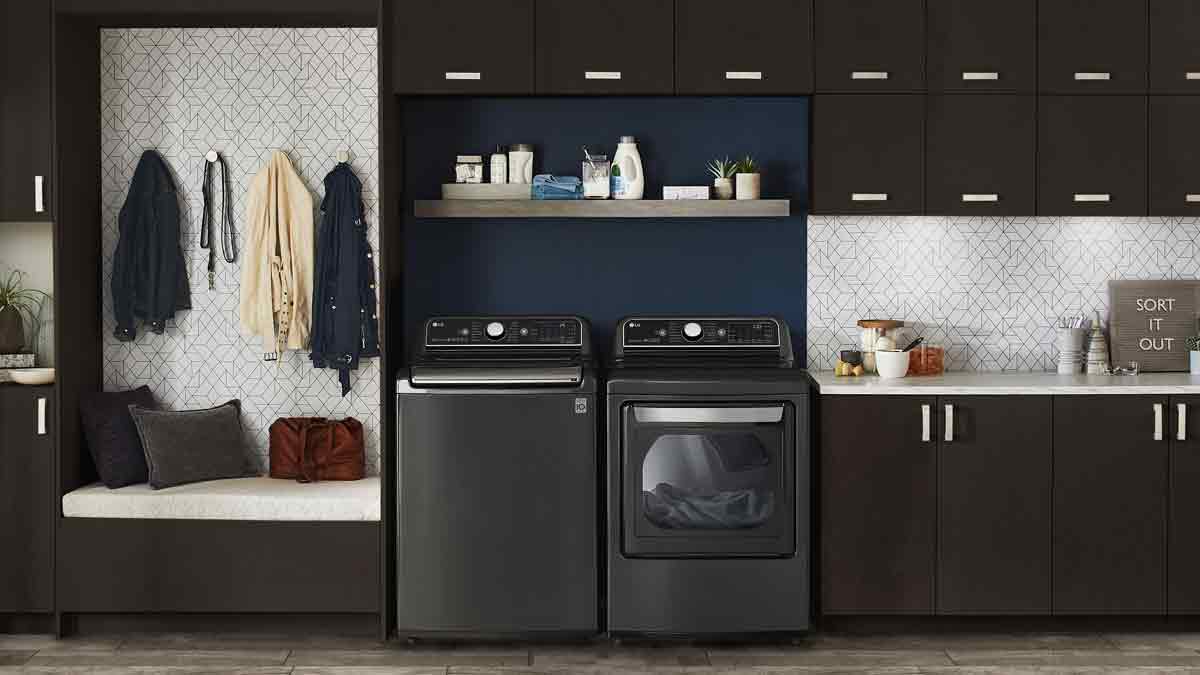
Our Top HE Top-Loader Pick
When it comes to top-rated HE top-load washers, LG consistently stands out for exceptional washing performance, water efficiency, and outstanding owner satisfaction. The model below is one of the best you can get — combining smart technology with mega capacity.
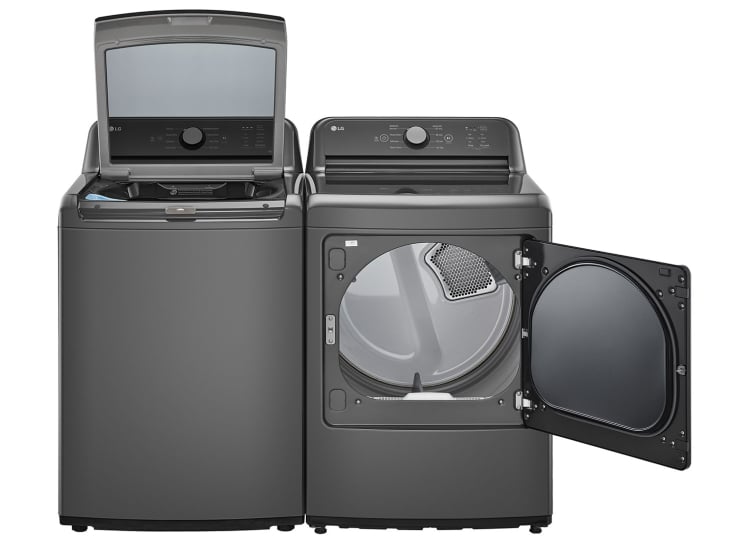
What to Consider Before You Buy
Each HE top-load washer on the market brings its own strengths and trade-offs. The top-performing models excel in both washing power and water efficiency, and many now carry eco-friendly certifications that reflect their commitment to sustainability. When shopping, prioritize machines with proven reliability records and strong customer satisfaction ratings — these tend to be the best long-term investments.
Ultimately, choosing the right HE top-loader means weighing your specific needs: load size, available space, fabric sensitivity, and budget. Armed with the knowledge from this guide, you're well-equipped to make a decision that serves your household for years to come.
Published by Backyard Provider — Your Trusted Source for Home & Outdoor Living