


 Damage
  Loss
Loss  Theft
Theft 


The Beginner's Guide to Wake Foiling
Everything you need to know to get started with one of the most thrilling water sports
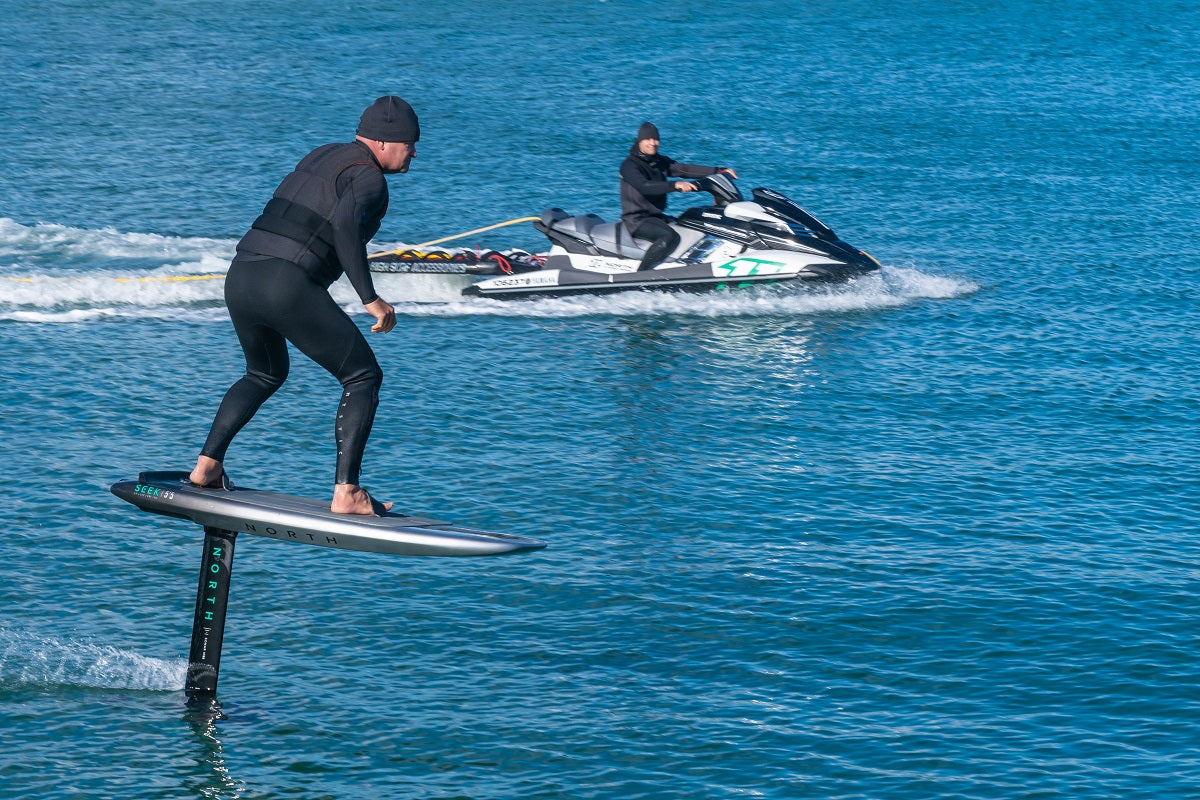
Wake foiling has rapidly become one of the most exciting water sports available today. Combining the thrill of flight with the freedom of gliding across the water without a tow rope, wake foiling offers a unique experience that attracts both beginners and seasoned water sports enthusiasts alike.
Whether you're coming from wakeboarding, surfing, or completely new to water sports, this comprehensive guide will walk you through everything you need to know about wake foiling—from understanding the equipment to mastering your first ride.
What is Wake Foiling?
Wake foiling is a water sport that differs significantly from traditional wakeboarding or surfing. Instead of riding on the water's surface, you glide above it on a hydrofoil attached to the bottom of a specialized board. This lift is generated as the foil moves through the water, raising you several inches to feet above the surface.
Unlike wakeboarding where you're constantly constrained by tow ropes and boat wakes, wake foiling allows you to carve and maneuver with incredible freedom. Once you're up and riding, you can release the rope entirely and ride the boat's wake like an endless wave.
Pro Tip: With practice, you can get started on a wakefoil board (called dock foiling) without any tow rope required. Many riders prefer getting up to speed with a tow, then releasing to ride freely.
 Wake Foiling vs. Wakeboarding
The riding style sets wake foils apart from wakeboards entirely. Wake foiling tends to be more relaxed since it offers a smoother ride—the board literally lifts above the choppy water surface. Because the board floats above the water, the ride is less fatiguing and easier on your body.
If you have experience wakeboarding and then switch to a foil, you'll notice turning takes longer. Recovery is slower. But riding above the water with the foil makes the smooth flying sensation well worth it.
Wakeboarding
More dynamic movements, action-packed tricks, relies heavily on boat wake and rope tension. Great for adrenaline seekers who love jumping and spinning.
Wake Foiling
Smoother, more serene experience. Attracts riders who prefer a more physically demanding yet fluid riding style. The sensation of flight is unmatched.
How Wake Foiling Works
The wake foil consists of two wings—a forward wing for lift and a smaller rear wing for stability—mounted on a vertical mast which attaches to the rear underside of the board. The main wing is usually 1 to 3 feet long and 5 to 9 inches wide, while the stabilizer wing is often 8 to 12 inches long and 2 to 4 inches wide. Masts tend to measure 2 to 3 feet tall.
The foil wings generate lift in the water, just like an airplane's wings generate lift in the air. The rider can control the foil's lift and forward momentum by pushing the board toward the water with their legs.
Understanding the Foil Components
The foil setup itself acts as a platform for the rider to stand on and transfer energy to the foil. Strongly push your weight on the board to change directions. Most energy is also transferred into the foil itself, specifically only the front part of the mast via baseplate, so it's the baseplate that's responsible for all movement and turning.
 Foil Boards vs. Wakeboards
At a glance, foil boards look identical to wakeboards. Besides the foil and mast, the average foil board is shaped and sized just like any other wakeboard. But there are key differences in how these two types of boards are constructed.
Wakeboards have some flex, with rocker profiles that add curves and spines to the board to aid in maneuvering atop the water. Foil boards are flat—a feature which makes because they have to accommodate the mounting hardware for the foil to sit on the weight of the rider above the water's surface.
Standard foil wings get treated and adapted for incredible forces underwater—they're usually made of strong composites containing fiberglass, plastic, or carbon fiber.
How to Get Started
Wake foiling over water than wakeboarding, especially with a tow. The board does most of the work. Just ride the board like a wave, and kick out to the toe-side.
Position Yourself Correctly
Ride the board as you would a skateboard. Feet spaced shoulder width apart, angled about 45 degrees off the front, with the lead foot in the center of the board and the back foot closer to the rear. Keep your knees slightly bent. As you pick up speed, the board will lift you and you'll feel like you're flying.
Master Your Balance
With the foil's wing providing lift and stability, all you need to do is enjoy the ride. Shift your weight and lean left or right to change direction. You can also catch up or down—gaining or losing height above the water—by shifting weight between your front and back feet.
Practice the Dock Fall
Dock foiling requires practice, and a likely way you have to dock is a running start from a shoreline. Though it takes some extra effort and dexterity to mount, the wake foil will get moving in no time once in deeper water.
Picking a Wakefoil Board
Picking a wakefoil board requires selecting both the right size board and the right size mast and foil wings. Let's break it all down.
Foil Board Size
Wakefoil board sizes typically come in the following common lengths:
Which Size is Right for Me?
Beginner riders should learn to wakefoil on longer boards, like those measuring 4'4" to 5'2". Larger boards are less responsive because they have higher swing weight. The force required to push the board in any direction is greater.
But they're also easier to ride because they have a slower tendency to dip down, which could kill your lift and end your ride. Bigger boards also tend to come with larger wings, which improves lift and makes staying above the water easier for beginners.
As your skills improve, you can move to a smaller board (3'8" to 4'4") to reduce swing weight and gain better control of pitch and lift, and carving maneuvers.
Foil Wing
The size of your foil's main wing, measured in square centimeters, has the greatest impact on handling and performance. Follow these guidelines when picking a complete board and foil assembly to ensure you have the right size for your weight:
| Rider Weight | Foil Size (sq. cm) |
|---|---|
| 100 lbs or Less | 1,000 – 1,500 |
| 101 lbs – 180 lbs | 1,500 – 2,000 |
| 180 lbs or More | 2,000+ |
Remember: A large board with a large foil provides the easiest setup for learning to wakefoil. As you improve, you can size down for more responsive handling and advanced maneuvers.
Ready to Start Riding?
Ready to dive in and start riding? Check out our selection of wakefoil board packages—complete setups designed to get you flying above the water in no time.
Liquid Force Launch Foil SetIt's important to note that too much foil wing can be as problematic as too little. While a small wing can struggle to provide adequate lift, a large wing can provide too much lift, reducing pitch control and maneuverability in the turns. In short: A large board with a large foil provides the easiest setup for learning to wakefoil.