


 Damage
  Loss
Loss  Theft
Theft 


How to Build a Dog House: Your Complete Guide to Creating the Perfect Outdoor Shelter
Give your furry companion a cozy retreat they deserve with our comprehensive dog kennel building guide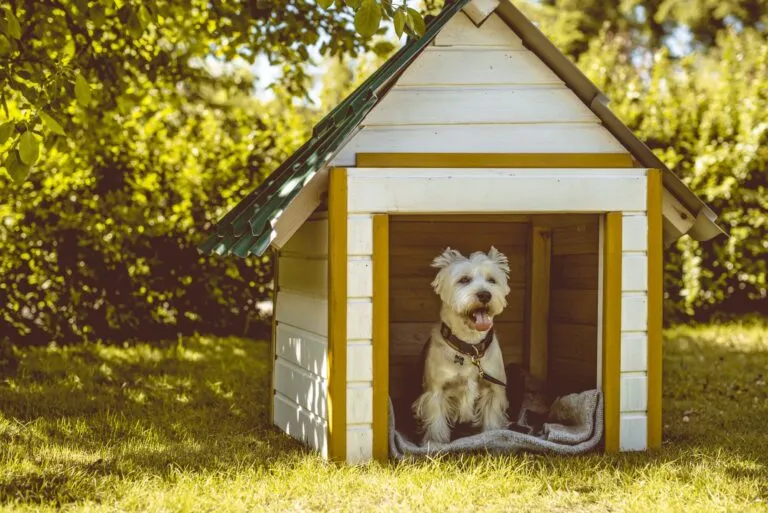
Table of Contents
- Why Dogs Need Kennels and Dog Houses
- Selecting the Right Wood for Your Dog Kennel
- Dog Kennel Sizing: Finding the Perfect Fit
- Getting Started: Building Your Own Dog Kennel
- Essential Tips for Building Your Dog Kennel
- Waterproofing Your Homemade Kennel
- Insulating Wooden Dog Kennels
- Alternative: Purchasing a Pre-Made Dog Kennel
Why Dogs Need Kennels and Dog Houses
A dedicated dog kennel serves as an excellent investment if your four-legged friend enjoys spending extended periods outdoors, whether playing in the backyard or lounging in the garden throughout the changing seasons. Providing your pet with a comfortable retreat gives them a personal sanctuary to escape to whenever they need rest or shelter.
Pet owners who allow their dogs to roam freely within a fenced garden area should absolutely consider installing a proper kennel. This structure offers essential protection from harsh weather conditions including wind, rain, snow, and excessive heat. Your dog will instinctively seek out this sheltered space when they need comfort and security.
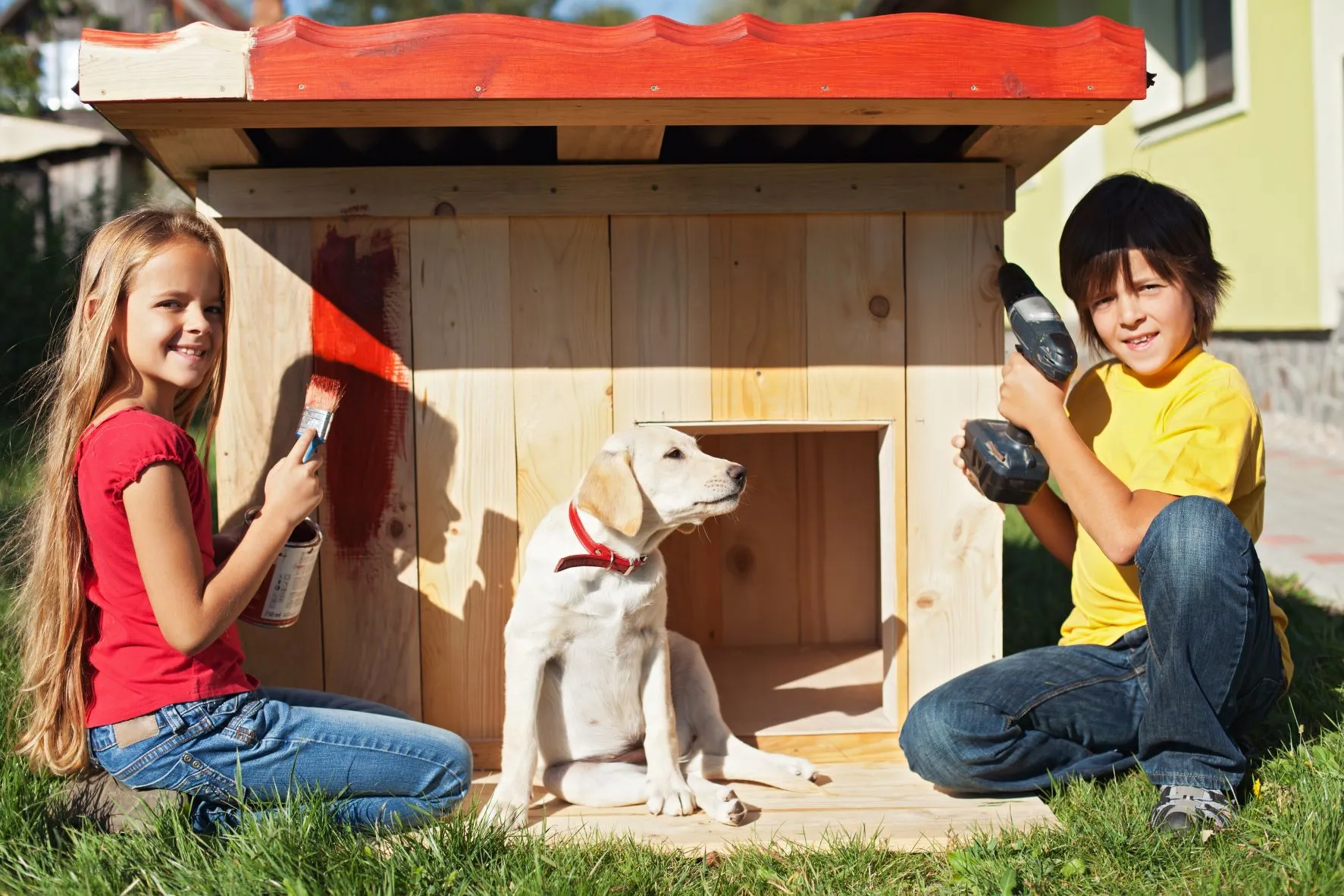
Constructing a dog house can also become a wonderful family activity. Children especially enjoy participating in building projects, and creating a home for the family pet teaches valuable skills while strengthening bonds. Just remember to always supervise young ones around tools and materials, and keep any potentially hazardous equipment safely stored away.
Selecting the Right Wood for Your Dog Kennel
An outdoor dog kennel must be constructed from robust, long-lasting materials capable of withstanding the elements. Your choice of building materials plays a crucial role in determining how well the structure holds up against weather exposure. Stainless steel screws are essential to prevent rust and corrosion. We recommend the following wood varieties for optimal durability and performance:
Larch Wood for Dog Kennels
Larch contains a naturally high resin content, making it inherently weather-resistant without requiring additional treatment. This characteristic explains why many premium outdoor furniture pieces and garden structures utilize larch wood. It remains our top recommendation for dog house construction, though it does carry a slightly higher price tag compared to alternative options.
Spruce Wood for Dog Kennels
Spruce offers several compelling advantages for kennel builders. It is lightweight, easy to work with, and when treated with natural wood preservatives, delivers impressive durability over time. Additionally, spruce tends to be more economical than larch while still providing excellent weather resistance for outdoor applications.
Pinewood for Dog Kennels
Pinewood represents the most budget-friendly option and is widely considered an all-purpose building material. Many garden fencing projects utilize pinewood, and impregnated pine boards specifically designed for outdoor use offer enhanced protection against moisture and decay. This makes pine particularly suitable for cost-conscious builders seeking reliable results.
Dog Kennel Sizing: Finding the Perfect Fit
Anyone who believes "bigger is automatically better" when sizing their dog's kennel may actually be doing their pet a disservice. A shelter that is excessively large fails to retain body heat effectively, leaving your dog feeling cold during winter months. The ideal kennel should be cozy enough to trap warmth while remaining spacious enough for comfortable movement.
To determine the correct dimensions, you will need to measure your dog carefully. Take note of their shoulder height and body length from the tip of their nose to the base of their tail. Then calculate how much turning space your dog requires when moving around comfortably inside the shelter.
As a general guideline, add approximately 20 percent to each of your obtained measurements. This calculation provides you with the recommended height, width, and depth specifications for your custom dog kennel, ensuring adequate room without excessive empty space.
How Big Should the Entrance Be?
The entrance opening should ideally measure between 0.5 to 0.8 times your dog's shoulder height. This sizing allows your pet to enter and exit comfortably without creating an opening so large that it lets cold air rush in during winter weather.
Getting Started: Building Your Own Dog Kennel
Numerous building instructions exist for constructing dog kennels, and the best approach involves researching multiple designs beforehand to identify which style and features appeal most to you. Consider your skill level honestly and select a project that matches your DIY capabilities. Once you have chosen your preferred design, sketch out a construction plan and gather all necessary materials before breaking ground.
Verify that you have access to all required tools before beginning work. Essential equipment typically includes a drill, a jigsaw or circular saw, a screwdriver, and a try square for ensuring accurate angles. You will also need a saw for cutting lumber to size and appropriate safety equipment including goggles and work gloves.
Essential Tips for Building Your Dog Kennel
The Floor of the Dog Kennel
Positioning a base plate at a slight distance from the ground proves highly practical. You can achieve this elevation by using clever combinations such as placing a pallet beneath your floor structure or setting the base atop flat stones. This raised design prevents moisture from seeping into the wood and helps the kennel cool down more efficiently during hot summer months.
The Side Walls of the Dog Kennel
The front, back, and side walls of your kennel should be constructed from wooden slats or boards. For homemade pallet constructions, additional consideration is needed. Begin by carefully screwing together the floor and side sections, as any inaccuracies during assembly can cause the wood to become unstable over time. Pre-drilling all screw holes before final assembly helps prevent the wood from splitting, which is especially important when working with outdoor-exposed timber.
Insulation Considerations
If you plan to use the kennel during winter months, we recommend constructing two layers for the side walls with insulating polystyrene sandwiched between them. This provides excellent thermal protection while remaining cost-effective. Keep in mind that stapling alone cannot secure insulation permanently, so plan your construction method accordingly.
Building Your Own Dog Kennel Roof
Should you opt for a flat or pointed roof? The choice is entirely yours, though your DIY skill level should factor into this decision. A flat roof design is considerably easier to construct. You can fashion the roof covering from various materials including wooden slats, corrugated iron, or roofing felt. Regardless of your choice, ensuring the roof is rainproof remains absolutely crucial. This consideration becomes particularly important for freestanding dog kennels exposed to the elements.
Building Your Dog Kennel from Pallets
Constructing a dog kennel from pallets can simplify the building process considerably. Disposable pallets work particularly well since they are typically smaller than standard euro pallets and often available free of charge from local businesses. Building with disposable pallets also tends to be faster because these structures already form a solid framework. However, always inspect pallets carefully before construction to ensure no leftover nails, staples, or sharp edges remain that could potentially injure your pet.
Waterproofing Your Homemade Kennel
Whether you construct your kennel from wooden slats, pallets, or a combination of materials, proper waterproofing remains essential for protecting the structure from gradual deterioration. Always verify that any products you apply are completely non-toxic and safe for pets, as dogs may chew on or lick treated surfaces.
Linseed oil provides adequate protection depending on your chosen wood type. Waterproof wood stains are also available in various colors to match your aesthetic preferences. Seeking advice at your local hardware store can help you determine which waterproofing solution pairs best with your selected wood variety. If you plan to apply a colored stain, sanding the dog kennel thoroughly beforehand ensures better adhesion and a more professional finish.
Important Safety Note: Perform a thorough inspection upon completion to confirm that no sharp edges or protruding screws exist anywhere on the structure. Any exposed hardware or rough surfaces could potentially scratch or cut your dog, so take time to smooth and secure every element.
Insulating Wooden Dog Kennels
Dogs that spend substantial time outdoors in the garden during winter months need a warm, dry shelter for protection. Installing polystyrene insulation in advance within the side walls creates something similar to a thermal sandwich biscuit effect, trapping warmth inside while blocking cold air from penetrating.
What additional measures can you take to keep your dog's kennel warm? Using straw bedding or specialized dog mats designed for outdoor use helps maintain comfortable temperatures inside the shelter. Heat pads specifically manufactured for pet kennels are particularly popular among dog owners seeking extra warmth during frigid weather.
Another important reminder involves positioning. During winter months, it becomes particularly important for the dog kennel to have some elevation from the ground. This air gap prevents cold from transferring directly through the floor while also protecting against moisture accumulation that could lead to wood rot over time.
Alternative: Purchasing a Pre-Made Dog Kennel
Building your own dog kennel should only be undertaken if you genuinely enjoy DIY projects and feel confident in your construction abilities. Depending on your skill level and the complexity of your chosen design, the building process can require anywhere from five hours to three full working days. Material costs must also be factored into your budget calculations.
For those who prefer a hassle-free solution, pre-manufactured dog kennels offer an excellent alternative. These professionally designed structures come ready to assemble with all necessary hardware included, ensuring proper sizing, ventilation, and weather protection without the guesswork involved in custom building.
Featured Product
Skip the construction hassle with a premium ready-to-use solution that provides superior shelter and security for your beloved pet.
Lucky Dog Executive Kennel 8x8x6Ready to Create the Perfect Outdoor Space for Your Dog?
Whether you choose to build your own kennel or invest in a premium pre-made solution, your furry friend will thank you for providing them with a comfortable, safe outdoor retreat.