


 Damage
  Loss
Loss  Theft
Theft 


Your Complete Guide to Portable Washing Machines
Everything You Need to Know About Buying, Installing, and Using Compact Washers for Your Outdoor Adventures
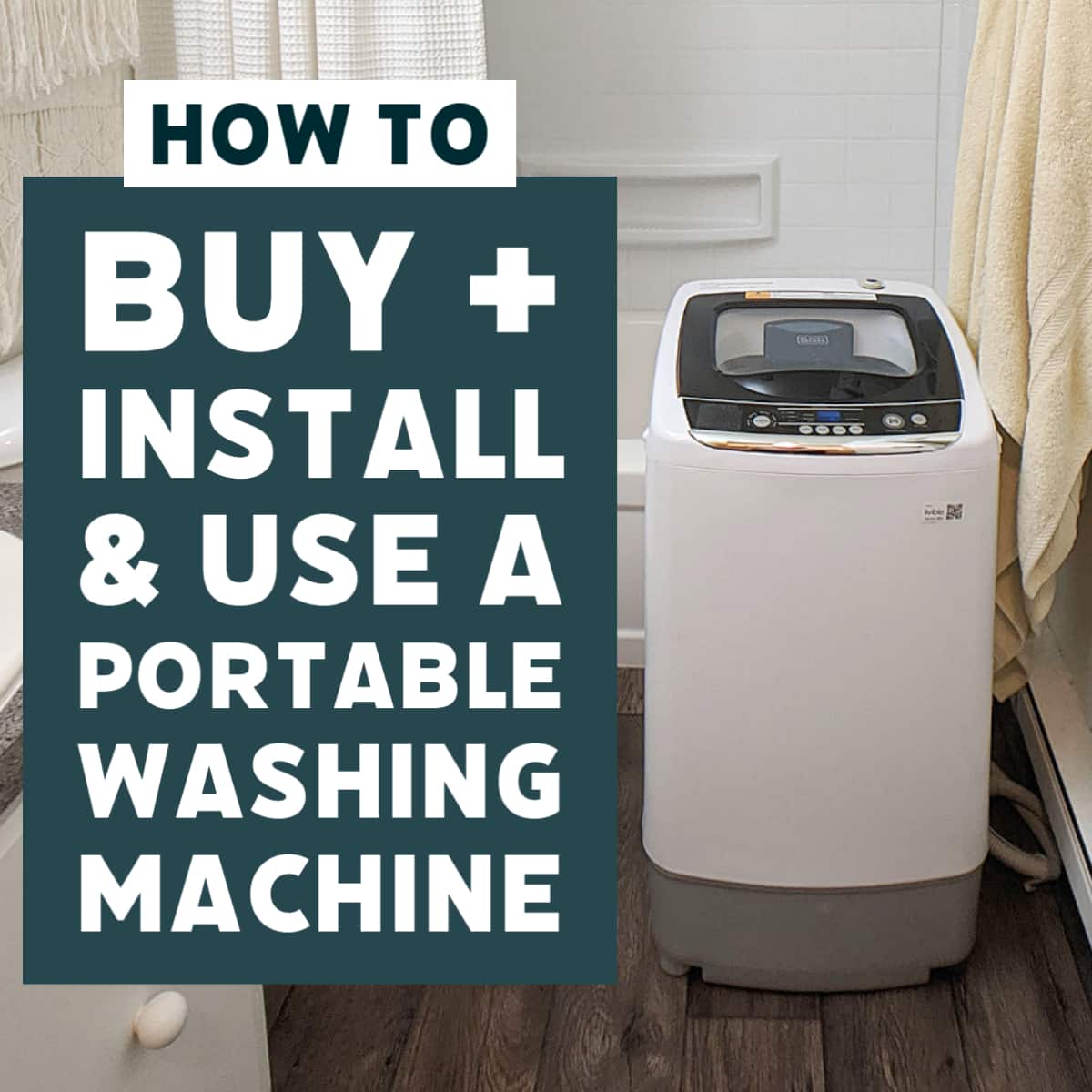
Living the outdoor lifestyle doesn't mean sacrificing convenience. Whether you're setting up a backyard retreat, outfitting your RV, or creating the perfect off-grid homestead, having access to clean laundry is essential. Portable washing machines have revolutionized how adventurers and outdoor enthusiasts handle their laundry needs, offering compact solutions that deliver real cleaning power without the bulk of traditional washers.
This comprehensive guide will walk you through everything you need to know about selecting, setting up, and maximizing the performance of your portable washing machine. We've gathered expert insights and practical tips to help you make an informed decision that perfectly suits your outdoor living requirements.
Understanding Portable Washing Machines
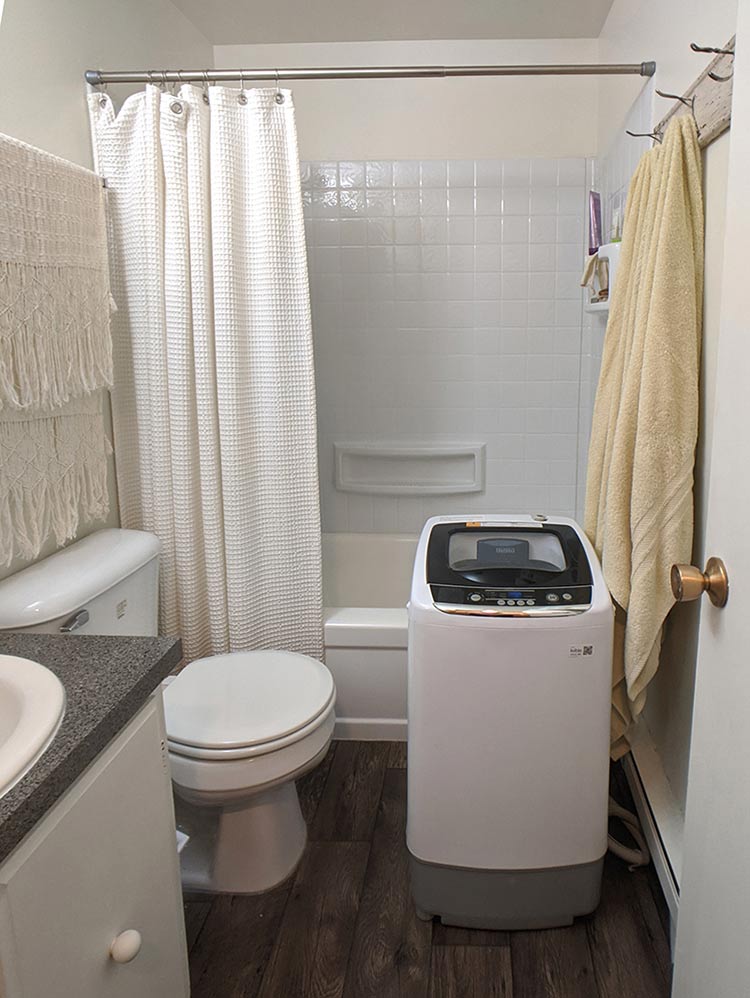
Portable washing machines represent a perfect blend of innovation and practicality for those who embrace outdoor living. Unlike their full-sized counterparts that require permanent installation and dedicated utility connections, these compact units are designed with mobility and flexibility in mind. They're ideal for RV travelers, camping enthusiasts, tiny home dwellers, and anyone who values the freedom of doing laundry on their own terms.
What sets portable washers apart is their versatility. Most models can connect to any standard faucet, require minimal space, and can be stored away when not in use. Despite their smaller footprint, modern portable washers pack impressive cleaning capabilities, with many featuring multiple wash cycles, adjustable water levels, and energy-efficient operation that aligns perfectly with the sustainable outdoor lifestyle.
Key Advantage: Portable washing machines consume significantly less water and energy compared to traditional washers, making them an environmentally conscious choice for your backyard setup or mobile living space. They typically use 40-60% less water per load while still delivering thorough cleaning results.
Essential Factors When Choosing Your Portable Washer
Capacity Considerations
Think carefully about your typical laundry volume. Portable washers range from compact 0.9 cubic feet models perfect for solo travelers to roomier 2.7 cubic feet options that can handle family-sized loads. Consider not just current needs but future requirements as your outdoor adventures evolve.
Power Requirements
Check your available power sources carefully. Most portable washers operate on standard 110V household current, but power consumption varies. If you're running on solar panels or a generator, ensure your system can handle the washer's electrical demands during operation.
Water Connection Options
Evaluate how you'll supply water to your unit. Many portable washers include universal faucet adapters, but some offer additional flexibility with gravity-feed options or bucket-fill capabilities – perfect for truly off-grid situations where running water isn't readily available.
Drainage Solutions
Plan your drainage strategy in advance. Most models include a drain hose that can direct water to a sink, toilet, or outdoor drain. Some outdoor enthusiasts even capture this greywater for garden irrigation, maximizing water conservation in their backyard oasis.
Portability Features
Consider actual mobility needs. Look for built-in handles, lightweight construction, and compact dimensions if you plan to move the unit frequently. Wheels can be a game-changer for heavier models, especially when navigating tight spaces in RVs or outdoor structures.
Cycle Variety
Don't underestimate the importance of wash cycle options. From delicate camping gear to heavy-duty work clothes from your outdoor projects, having multiple cycle settings ensures all your laundry gets the appropriate care. Quick wash cycles are particularly valuable for life on the go.
Installation Made Simple
Setting up your portable washing machine is refreshingly straightforward, especially when compared to installing traditional appliances. The beauty of these units lies in their plug-and-play design that requires no professional installation or permanent modifications to your space.
Step 1: Select Your Location
Choose a level surface near water access and drainage. In RVs, the bathroom or kitchen area often works best. For backyard setups, consider proximity to outdoor faucets and ensure adequate drainage. A slight slope toward your drain point can help with water flow.
Step 2: Connect Water Supply
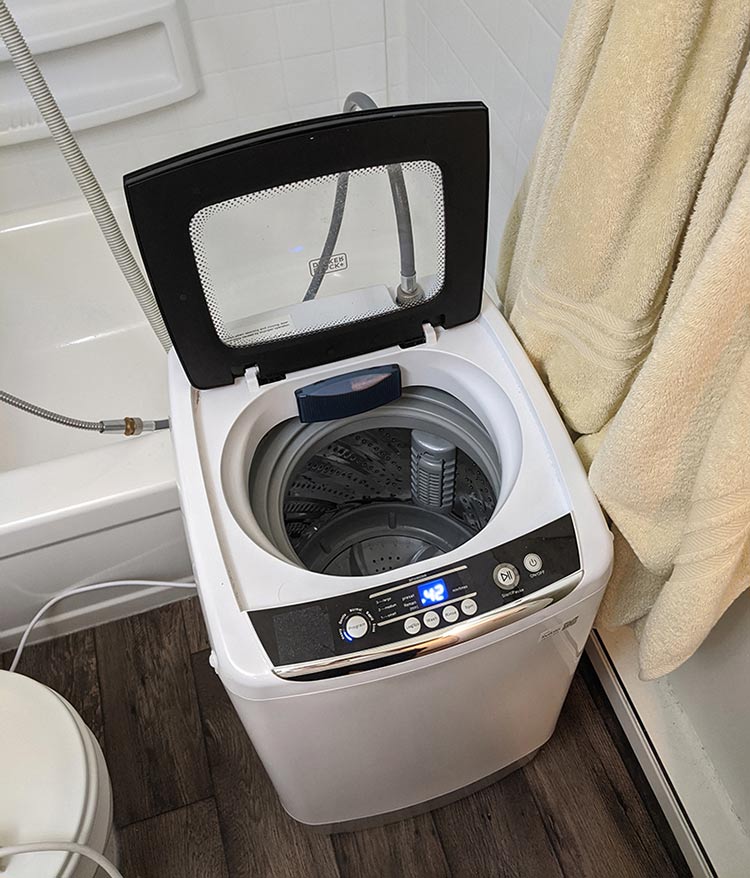
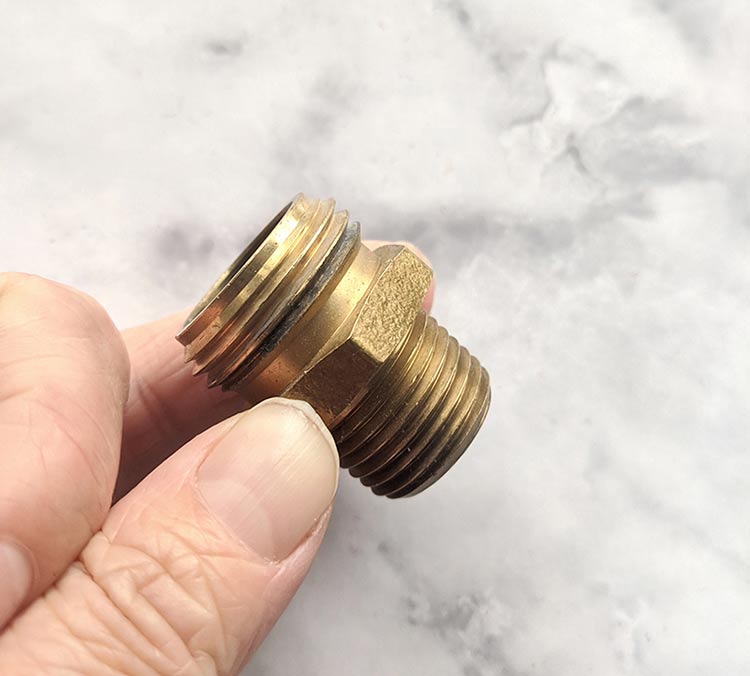
Attach the inlet hose to your faucet using the provided adapter. Most portable washers include multiple adapter sizes to fit various faucet styles. Ensure connections are hand-tight and secure to prevent leaks. For off-grid setups, position your water source above the machine for gravity-fed filling.
Step 3: Position Drain Hose
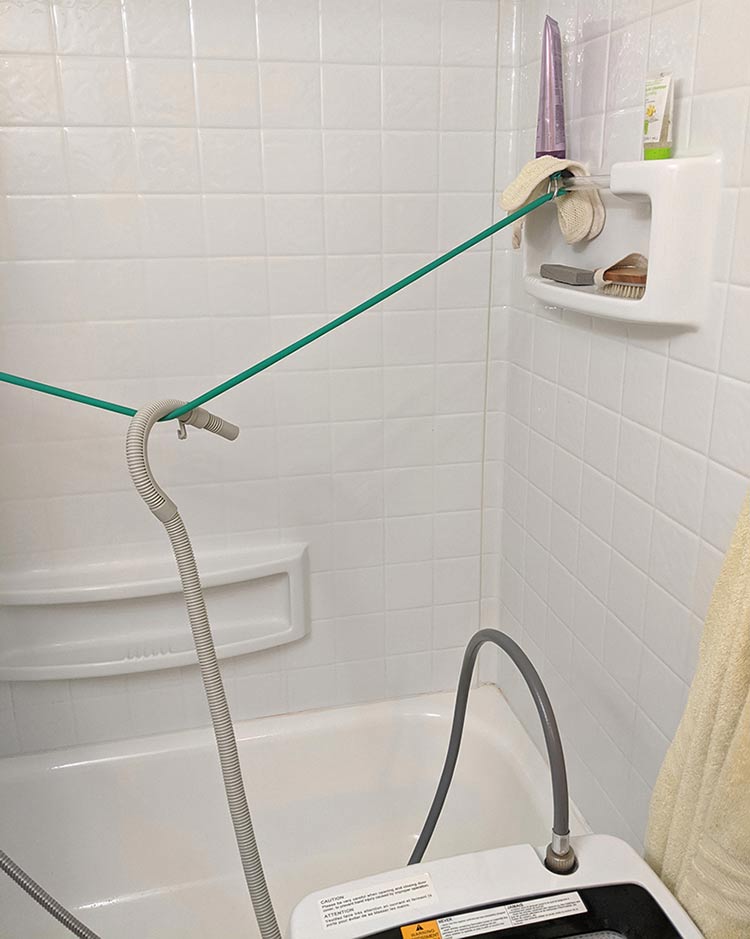
Route your drain hose to an appropriate drainage location – sink, toilet, shower drain, or outdoors. Secure the hose to prevent it from moving during the drain cycle. If draining outdoors, ensure the end is positioned away from foundations and in an area where greywater disposal is permitted.
Step 4: Power Connection
Plug your washer into a grounded outlet. Avoid using extension cords if possible, as they can reduce power delivery. If you must use an extension cord, ensure it's rated for the washer's amperage and is as short as practical to maintain safe operation.
Step 5: Test Run
Before washing your first load, run a complete cycle with no clothes. This clears any manufacturing residue and lets you verify all connections are secure. Check for leaks at connection points and ensure drainage flows smoothly throughout the cycle.
Maximizing Performance and Longevity
Getting the most from your portable washer means understanding how to use it effectively while maintaining it properly. These practices will ensure years of reliable service, whether you're washing gear after a weekend camping trip or handling daily laundry at your off-grid homestead.
Load Size Matters
Avoid the temptation to overload your washer. Fill it to about 75-80% capacity for optimal cleaning and machine longevity. Overloading can strain the motor, reduce cleaning effectiveness, and cause excessive vibration. When in doubt, wash smaller loads more frequently.
Choose the Right Detergent
Use high-efficiency (HE) or low-sudsing detergents designed for compact washers. Regular detergents create excessive suds that can interfere with cleaning and potentially damage the machine. Start with less detergent than you think you need – portable washers typically require only 1-2 tablespoons per load.
Regular Maintenance Routine
After each use, leave the lid open to air dry the interior and prevent mildew. Wipe down the drum and door seal regularly. Once monthly, run a cleaning cycle with vinegar or a washing machine cleaner to remove detergent buildup and keep your washer fresh.
Filter and Lint Management
Clean the lint filter after every few loads. This simple task dramatically improves drainage efficiency and prevents clogs. A clogged filter can cause poor drainage, extended cycle times, and potential water backup issues that are easily avoided with regular cleaning.
Seasonal and Storage Care
If storing your washer during winter or extended periods, ensure it's completely drained and dry. Run a final cycle with white vinegar, then leave the door open for several days. Disconnect hoses, drain them completely, and store the unit in a climate-controlled space if possible to prevent damage from temperature extremes.
Water Temperature Selection
Choose appropriate water temperatures for your loads. Cold water works perfectly for most outdoor gear and everyday clothing while conserving energy. Reserve hot water for heavily soiled items or sanitizing needs. This approach extends the life of both your clothes and your washing machine.
Ready to Upgrade Your Outdoor Living Experience?
Discover the convenience and efficiency of our top-rated portable washing machine, perfect for RVs, backyard setups, and off-grid living. Compact design meets powerful performance.
Magic Chef 2.7 Cu Ft Washer
Troubleshooting Common Issues
Even the most reliable portable washers occasionally encounter minor issues. Understanding common problems and their solutions helps you address challenges quickly and keeps your laundry routine running smoothly during your outdoor adventures.
Excessive Vibration
If your washer vibrates excessively, first check that it's on a level surface. An unlevel machine is the most common cause of vibration. Also verify you haven't overloaded the drum and that the load is balanced. Distribute heavy items evenly around the drum rather than bunching them together.
Drainage Problems
Slow or incomplete drainage usually indicates a clogged filter or kinked drain hose. Clean the lint filter thoroughly and inspect the entire length of the drain hose for obstructions or tight bends. Ensure the drain hose end is lower than the washer's drainage point to allow gravity to assist water flow.
Water Leaks
Check all connection points when leaks occur. Tighten inlet hose fittings and ensure the drain hose is properly secured. Inspect door seals for damage or debris. Sometimes simply redistributing an unbalanced load resolves door seal leaks. Replace worn gaskets promptly to prevent water damage.
Incomplete Cleaning
If clothes aren't coming clean, you may be overloading the washer or using insufficient water for the load size. Try reducing load size and ensuring proper water level selection. Check that you're using appropriate detergent amounts – too little won't clean effectively, while too much creates residue.
Perfect for Your Outdoor Lifestyle
Portable washing machines have become indispensable for those embracing outdoor and mobile living. Whether you're full-timing in an RV, building your dream backyard retreat, or creating a sustainable off-grid homestead, these compact powerhouses deliver the convenience of home laundry wherever your adventures take you.
The freedom to wash clothes on your own schedule, using your own water source, and without depending on laundromats or campground facilities represents true independence. Modern portable washers combine this freedom with impressive cleaning performance and energy efficiency that aligns perfectly with sustainable outdoor living values.
Outdoor Living Tip: Many outdoor enthusiasts integrate their portable washer into comprehensive water management systems, capturing and filtering greywater for garden irrigation. This closed-loop approach maximizes water conservation while maintaining the convenience of personal laundry facilities at your backyard sanctuary.
Investing in a quality portable washing machine transforms how you manage laundry during your outdoor pursuits. By understanding the selection criteria, following proper installation procedures, and maintaining your unit with care, you'll enjoy years of reliable service. Whether you're washing hiking gear after a trail adventure, cleaning up after backyard projects, or handling everyday laundry in your mobile home, a portable washer delivers the perfect combination of convenience, efficiency, and independence. Embrace the freedom of doing laundry on your terms, wherever your outdoor lifestyle takes you.