


 Damage
  Loss
Loss  Theft
Theft 


Back Bar Fridges: Your Comprehensive Guide
Everything you need to know about selecting, using, and maintaining commercial back bar refrigeration
Back bar fridges represent an essential investment for any establishment serving chilled beverages. Whether you're outfitting a commercial bar, restaurant, or creating the ultimate backyard entertainment space, understanding these specialized refrigeration units will help you make an informed decision that serves your needs for years to come.
These purpose-built coolers differ significantly from standard refrigerators, offering features specifically designed for beverage storage, display, and quick access in high-traffic environments. This guide explores the various types available, key considerations for selection, and best practices for maintenance and operation.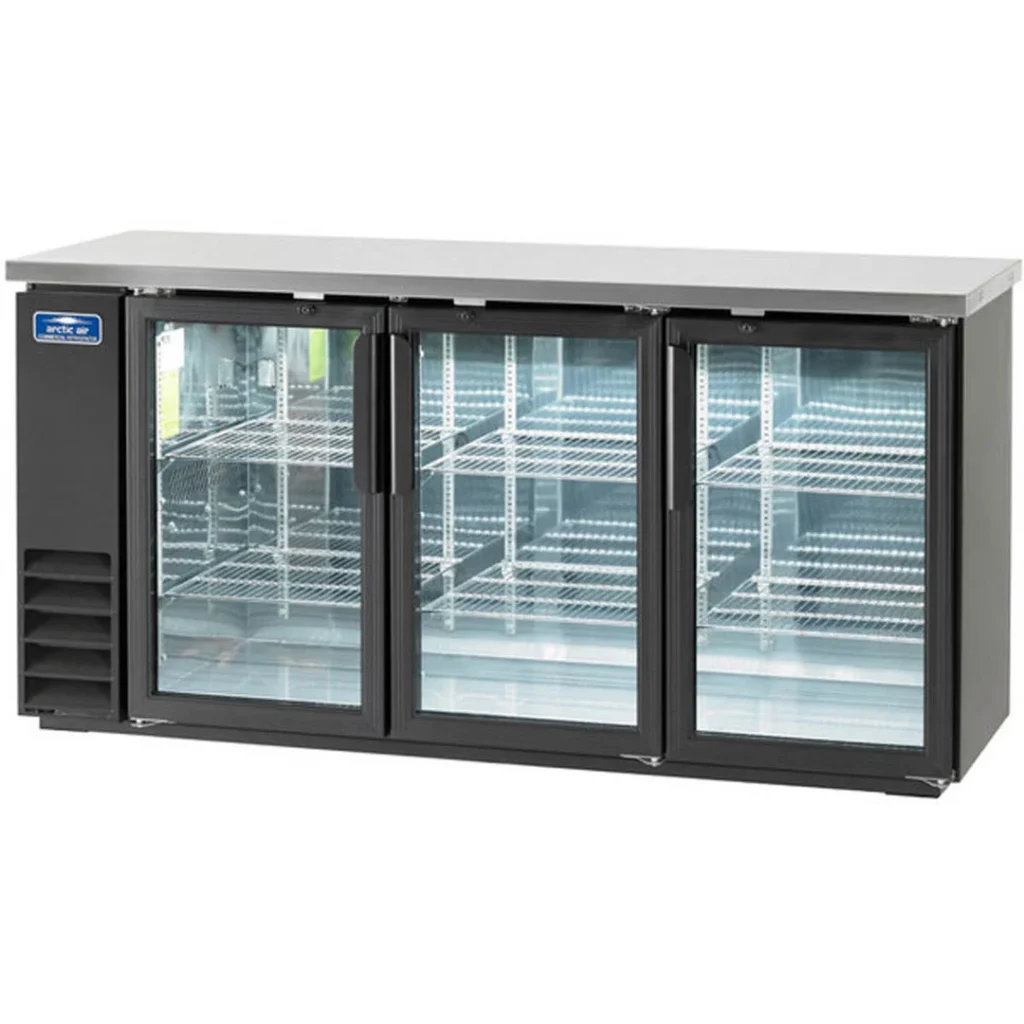
Table of Contents
- Types of Back Bar Fridges
- Why Choose a Back Bar Cooler?
- Lifestyle of Back Bar Coolers
- How to Choose the Right Model
- Commercial Applications
- Installation Requirements
- Maintenance and Cleaning
- Final Advice for Smart Purchases
Types of Back Bar Fridges
The market offers several distinct categories of back bar refrigeration, each designed to meet specific operational requirements and spatial constraints.
1. Glass Door Back Bar Fridges
These units feature transparent glass doors that showcase your beverage inventory while keeping contents properly chilled. They're ideal for establishments where product visibility drives sales, allowing customers to see available options at a glance. Modern versions often include LED lighting to enhance product presentation and energy-efficient double or triple-pane glass to minimize thermal loss.
2. Solid Door Back Bar Fridges
Featuring opaque doors, these models prioritize insulation and energy efficiency over product display. They maintain more consistent internal temperatures and typically consume less electricity than their glass-door counterparts. Solid door units work well in back-of-house applications or situations where maintaining precise temperature control takes precedence over visual merchandising.
3. Slide Top Back Bar Fridges
These innovative coolers feature horizontally sliding lids that provide quick access from above. They excel in tight spaces where swing-out doors would be impractical and allow bartenders to reach products without stepping away from their station. The top-loading design also helps retain cold air better than front-opening models since cold air naturally settles downward.
4. Undercounter Back Bar Fridges
Designed to fit beneath standard counter heights, these compact units maximize floor space while keeping beverages within arm's reach. They're perfect for bars with limited square footage or as supplementary storage alongside larger primary units. Despite their smaller footprint, many undercounter models offer impressive storage capacity through smart interior organization.
5. Pass-Through Back Bar Fridges
These dual-access units feature doors on both front and back, enabling staff to load products from one side while customers or servers retrieve them from the other. This configuration streamlines workflow in busy establishments by separating restocking activities from service operations, reducing congestion and improving efficiency during peak hours.
6. Keg Coolers and Direct Draw Systems
Specialized units designed specifically for storing and dispensing draft beer. These systems maintain kegs at optimal serving temperatures while integrating with tap systems for direct pouring. They range from single-keg units for small operations to large walk-in coolers capable of holding dozens of kegs for high-volume establishments.
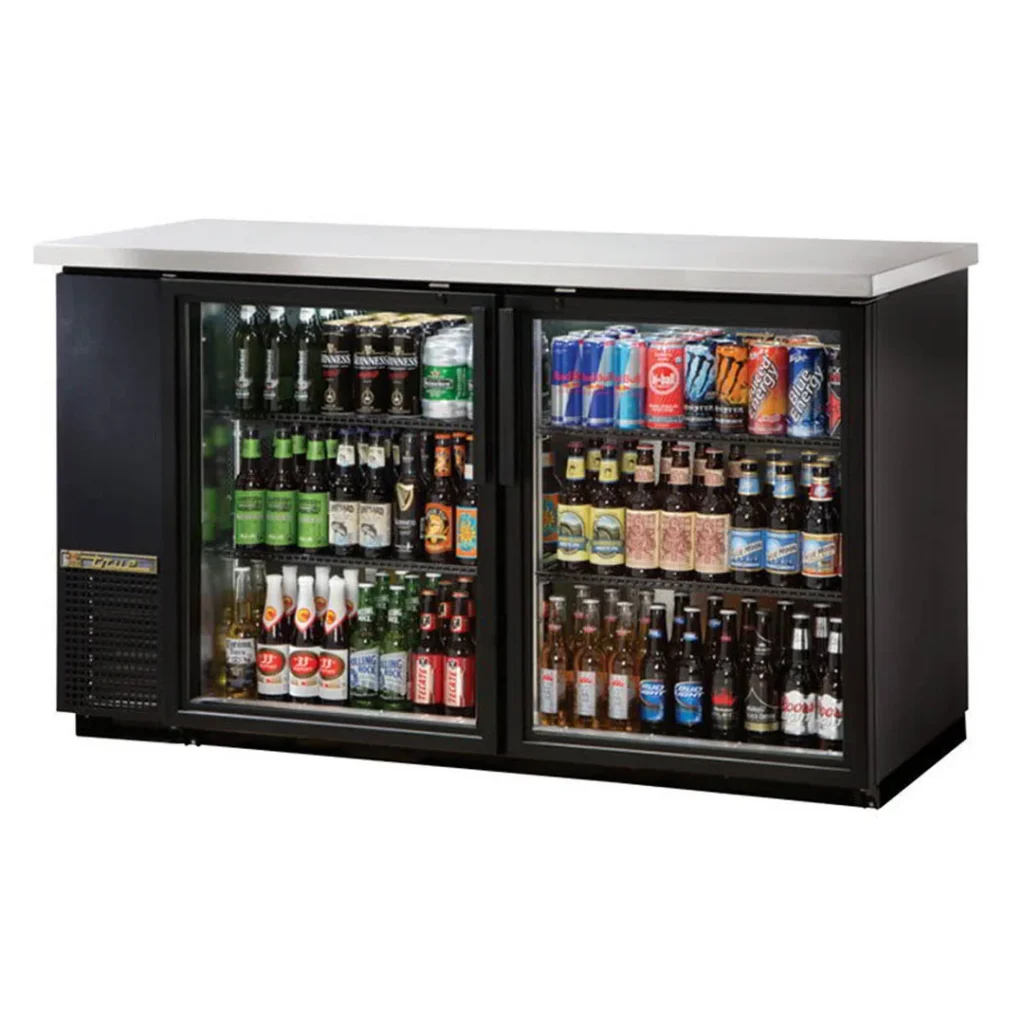 Why Choose a Back Bar Cooler Over Standard Refrigeration?
While standard refrigerators might seem like a cost-effective alternative, back bar coolers offer distinct advantages that justify their specialized design and typically higher price point.
Optimized Temperature Range
Back bar units maintain temperatures specifically calibrated for beverage service, typically between 33°F and 38°F. This precise range ensures drinks are cold enough for immediate enjoyment without risking freezing or compromising flavor profiles.
Rapid Recovery
Commercial back bar coolers feature powerful compressors and efficient airflow systems that quickly restore optimal temperatures after doors are opened. This capability proves essential during busy service periods when doors open and close frequently.
Durable Construction
Built to withstand the demands of commercial environments, these units feature stainless steel construction, heavy-duty hinges, and components rated for continuous operation. They're engineered to perform reliably under conditions that would quickly wear out residential equipment.
Space Efficiency
Back bar coolers maximize storage within their footprint through adjustable shelving systems designed specifically for bottles and cans. Their slim profiles fit standard bar dimensions while providing greater capacity than comparably-sized household refrigerators.
Additionally, back bar fridges comply with health department regulations and commercial kitchen codes, making them suitable for licensed establishments. Their professional appearance also enhances your bar's aesthetic while signaling quality to discerning customers.
Lifestyle Applications of Back Bar Coolers
Beyond commercial settings, back bar fridges have become increasingly popular for residential applications where homeowners want professional-grade beverage storage.
Home Entertainment Spaces
Man caves, home theaters, and dedicated game rooms benefit enormously from having properly chilled beverages on hand. A back bar fridge eliminates trips to the kitchen and keeps your entertainment space self-sufficient.
Outdoor kitchens and pool areas represent another growing application. Weather-resistant models designed for covered outdoor installation let you enjoy ice-cold drinks without leaving your guests. These units transform backyard gatherings and make hosting effortless.
Wine and Craft Beverage Storage
Collectors of fine wines, craft beers, and specialty sodas appreciate the consistent temperatures and proper humidity levels that quality back bar fridges provide. Some models offer dual temperature zones, allowing you to store different beverages at their ideal serving temperatures simultaneously.
 How to Choose the Right Back Bar Fridge for Your Needs
Selecting the ideal back bar cooler requires careful consideration of several factors that will affect both immediate satisfaction and long-term value.
Assess Your Capacity Needs
Calculate your required storage based on typical inventory levels plus a buffer for peak periods. Consider both the total volume needed and the types of containers you'll store, as bottle dimensions vary significantly between wine bottles, beer bottles, cans, and other beverages.
Measure Your Available Space
Take precise measurements of the intended installation location, accounting for door swing clearance, ventilation requirements, and access for cleaning and maintenance. Remember that most units need several inches of clearance around the compressor area for proper heat dissipation.
Consider Energy Efficiency
Operating costs add up over time, so evaluate the energy consumption ratings of different models. Units with Energy Star certification, LED lighting, and high-efficiency compressors may cost more upfront but deliver significant savings over their operational lifetime.
Evaluate Features and Functionality
Think about which features matter most for your application. Digital temperature controls offer precision, self-closing doors prevent energy waste, and adjustable shelving provides flexibility. Glass doors enhance visibility while solid doors improve efficiency—prioritize based on your specific use case.
Pro Tip
Don't forget to verify electrical requirements before purchasing. Commercial units often require dedicated circuits and may need specific voltage configurations. Confirm compatibility with your existing electrical infrastructure or budget for necessary upgrades.
Commercial Applications for Back Bar Fridges
Professional environments demand equipment that can keep pace with intensive service requirements while maintaining food safety standards.
Bars and Nightclubs: High-capacity units with rapid recovery and easy access for fast-paced service
Restaurants: Strategic placement near service stations to minimize server travel time
Hotels: Lobby bars, poolside service, and in-room mini-bar applications
Event Venues: Mobile and permanent installations for concerts, sports, and catering
Convenience Stores: Display-oriented units that drive impulse purchases
Cafes and Coffee Shops: Compact units for grab-and-go beverages and dairy storage
Each commercial application presents unique challenges that specific back bar configurations address. Working with knowledgeable suppliers helps identify the optimal solution for your particular operational requirements and budget constraints.
Installation Requirements and Best Practices
Proper installation ensures optimal performance, efficiency, and longevity from your back bar fridge investment.
Electrical Considerations
Most commercial back bar coolers require dedicated electrical circuits to handle their power demands without tripping breakers or causing voltage drops. Check the unit's specifications for voltage requirements, amperage draw, and plug configuration before installation.
For establishments with multiple refrigeration units, consult an electrician to ensure your electrical panel can handle the combined load. Inadequate power supply leads to poor performance and premature equipment failure.
Ventilation Requirements
Refrigeration units generate heat that must dissipate properly for efficient operation. Maintain recommended clearances around the condenser, typically located at the back or bottom of the unit. Built-in installations require front-venting models or adequate airflow channels to prevent overheating.
Positioning and Leveling
Place your cooler on a level surface to ensure proper door operation and drainage. Uneven positioning can cause doors to swing open or not seal properly, wasting energy and compromising temperature maintenance. Use adjustable feet to achieve perfect leveling on uneven floors.
Maintenance and Cleaning Guidelines
Regular maintenance extends equipment life, maintains efficiency, and ensures food safety compliance. Establish a routine maintenance schedule and stick to it.
Daily Tasks
Wipe down exterior surfaces and door handles to maintain appearance and hygiene. Check temperature readings to confirm proper operation. Remove any spills immediately to prevent sticky residue and odor development.
Weekly Tasks
Clean interior surfaces with food-safe sanitizer. Inspect door gaskets for damage or debris that could compromise sealing. Organize inventory and rotate stock to ensure proper product turnover.
Monthly Tasks
Clean condenser coils using a brush or vacuum to remove dust buildup that reduces efficiency. Check drain lines for clogs and clear as needed. Verify door hinges and latches operate smoothly, lubricating if necessary.
Quarterly Tasks
Schedule professional inspection of refrigerant levels and electrical connections. Have technicians calibrate thermostats and check compressor operation. Replace worn gaskets before they fail completely.
Important: Always disconnect power before performing any maintenance that involves accessing internal components. Keep a maintenance log to track service history and identify patterns that might indicate developing problems.
Final Advice for Making a Smart Purchase
Investing in a back bar fridge represents a significant decision that impacts your operation's efficiency and customer satisfaction for years to come. Taking time to evaluate your needs thoroughly pays dividends in long-term satisfaction.
Consider the total cost of ownership rather than just the purchase price. A slightly more expensive unit with better energy efficiency, longer warranty coverage, and superior build quality often proves more economical over its operational lifetime than a cheaper alternative that costs more to run and requires frequent repairs.
Research manufacturers' reputations for reliability and service support. Read reviews from other buyers in similar applications. A responsive manufacturer with readily available replacement parts makes maintenance straightforward, while orphan brands can leave you stranded when problems arise.
Finally, plan for future growth. Choosing a slightly larger capacity than your current needs allows room to expand your beverage offerings without requiring additional equipment purchases. This forward-thinking approach proves especially valuable for growing businesses.
Featured Product
Ready to elevate your beverage service? Explore our premium selection of professional-grade back bar coolers designed for both commercial excellence and home entertainment perfection.
Micro Matic Pro-Line MDD58-EBack bar fridges combine specialized engineering with practical functionality to deliver superior beverage storage and service capabilities. Whether you're outfitting a busy commercial bar or creating the ultimate backyard entertainment destination, the right back bar cooler transforms how you store, display, and serve chilled beverages. Take the time to select wisely, install properly, and maintain diligently—your investment will reward you with years of reliable, efficient performance.