


 Damage
  Loss
Loss  Theft
Theft 


The Complete Outdoor Freezer Guide
Master the art of outdoor food storage for your backyard entertaining space
Evolution of Outdoor Cooling
Ice boxes dominated
Electric freezers emerge
Chest freezers popular
Smart outdoor storage
The Story Behind Outdoor Freezers
Outdoor freezers have revolutionized backyard entertaining and food preservation. What started as simple ice storage has evolved into sophisticated cooling systems designed specifically for outdoor environments. These specialized appliances withstand temperature fluctuations, humidity, and the demands of patio living while keeping your food perfectly frozen.
Modern outdoor freezers combine durability with energy efficiency, making them essential for anyone serious about outdoor cooking, entertaining, or self-sufficient living. They provide convenient access to frozen goods right where you need them most.
Understanding Freezer Components
Every freezer contains sophisticated components working together. Understanding these parts helps you choose the right unit and maintain it properly for years of reliable outdoor service.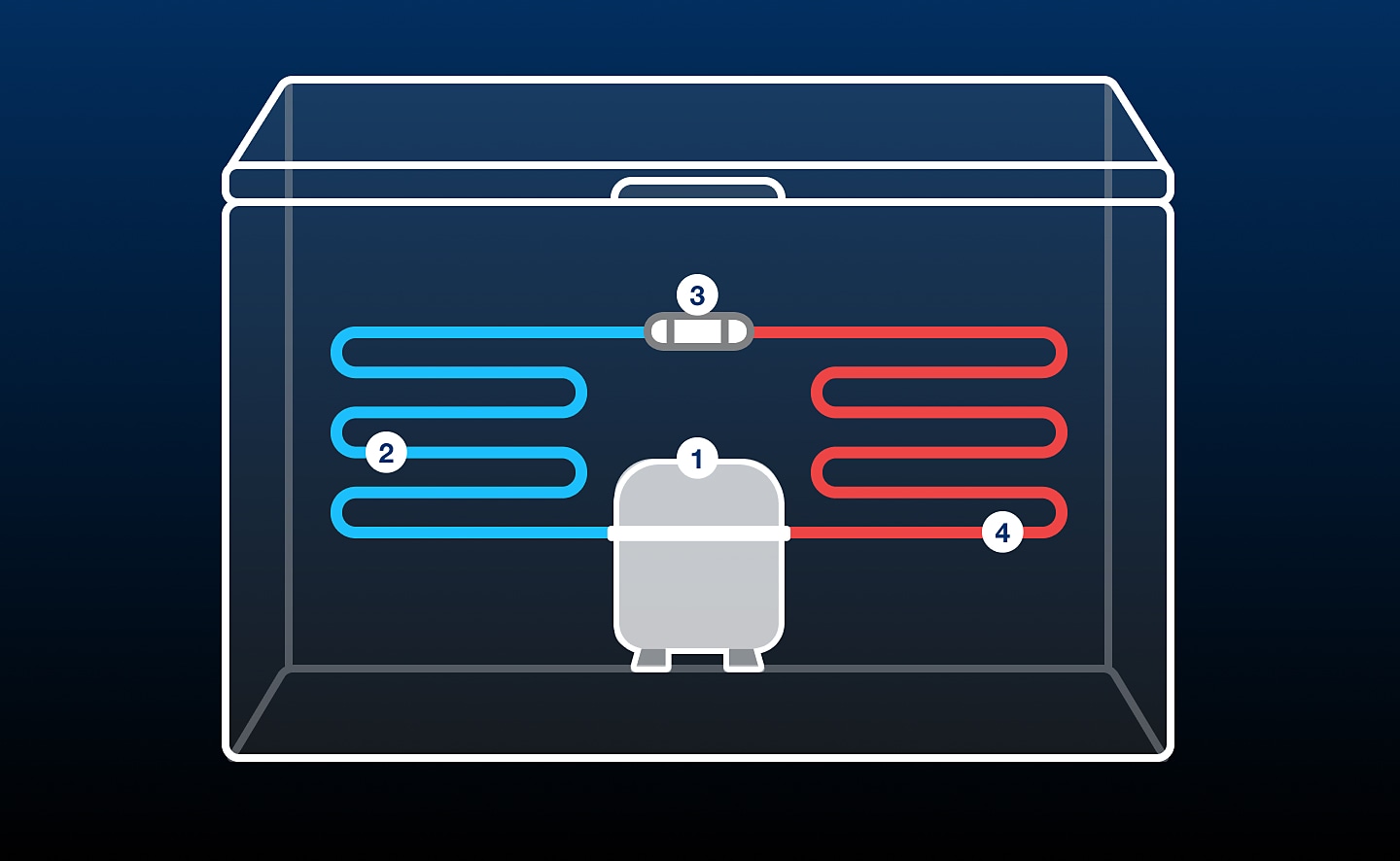
The Freezing Process Explained
Compressor Activates
The compressor pumps refrigerant through the system, compressing it into a high-pressure, high-temperature gas. This is the heart of the cooling cycle that powers your outdoor freezer.
Condenser Cooling
The hot gas flows through condenser coils where it releases heat to the surrounding air. As it cools, the refrigerant transforms from gas to liquid form, ready for the next stage.
Expansion Valve
Liquid refrigerant passes through tiny capillary tubes where pressure drops dramatically. This sudden expansion causes the refrigerant to become extremely cold, preparing it to absorb heat.
Heat Absorption
Cold refrigerant flows through evaporator coils inside the freezer, absorbing heat from your stored food and the interior air. This heat absorption keeps contents frozen while the refrigerant returns to the compressor to repeat the cycle.

Choosing Your Outdoor Freezer Type
Deep Freezers
Deep freezers maintain temperatures between minus five to minus ten degrees Fahrenheit, making them ideal for long-term storage of bulk items. These powerhouses excel at preserving large quantities of meat, produce from your garden harvest, or meal prep for extended periods.
Perfect for hunters, gardeners, and anyone who buys in bulk, deep freezers offer the coldest temperatures available for residential use. Their robust insulation and powerful compressors handle outdoor temperature swings while maintaining consistent internal conditions.
Chest Freezers
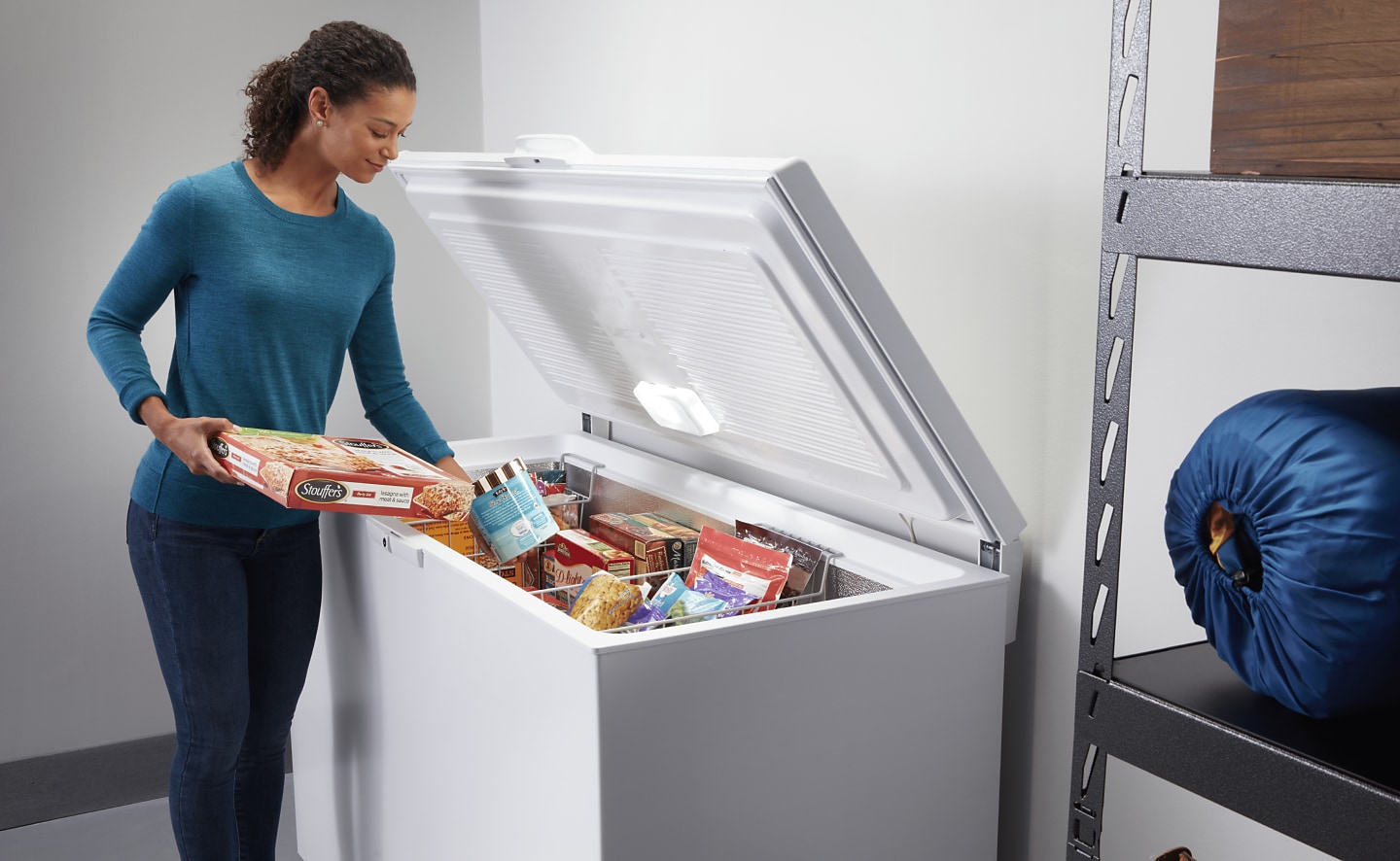
Chest freezers open from the top and typically range from five to twenty-five cubic feet. Their horizontal design provides exceptional energy efficiency since cold air naturally stays inside when opened. This makes them the most economical choice for outdoor spaces and covered patios.
The spacious interior accommodates odd-shaped items and large cuts of meat that won't fit in upright models. Chest freezers are incredibly reliable, often lasting decades with minimal maintenance, making them a smart investment for backyard food storage.
Combination Units
These versatile appliances combine both refrigerator and freezer sections in one unit, perfect for outdoor kitchens where space is premium. The freezer compartment typically ranges from three to eight cubic feet, providing convenient frozen storage alongside fresh food cooling.
Ideal for entertaining spaces, combination units keep beverages cold while storing frozen appetizers, ice cream, and ice within arm's reach. Many models feature separate temperature controls for each section, allowing customized storage for different food types.
Manual Defrost Models
Manual defrost freezers require periodic defrosting but offer significant advantages for outdoor use. They maintain more consistent temperatures, use less energy, and better preserve food quality over extended periods. The tradeoff is maintenance every six to twelve months.
These models excel in covered outdoor areas where humidity control matters. Their simpler mechanical design means fewer parts to fail and easier repairs when needed. Many outdoor enthusiasts prefer manual defrost for reliability and superior food preservation.
Portable Options
Compact portable freezers offer ultimate flexibility, ranging from one to four cubic feet. These units can operate on standard household current or twelve-volt power, making them perfect for backyard events, camping trips, or as supplemental storage during peak entertaining seasons.
While smaller in capacity, portable freezers deliver impressive performance. Many feature both freezing and refrigeration modes, allowing you to adapt their function based on immediate needs. Their lightweight construction and handles make relocation effortless.
Popular Outdoor Freezer Applications
Outdoor freezers serve countless purposes beyond simple food storage. From serious hunters to weekend entertainers, these versatile appliances adapt to your lifestyle and multiply your outdoor living capabilities.
Garden Harvest Storage
Preserve your abundant garden harvest at peak freshness. Blanch and freeze vegetables within hours of picking to lock in nutrients and flavor for year-round enjoyment.
Bulk Purchasing
Take advantage of sales and warehouse clubs by stocking up on meats, frozen foods, and prepared meals. Save money while always having ingredients on hand.
Entertainment Central
Keep party essentials frozen and accessible right by your outdoor kitchen or grill. Store appetizers, desserts, and extra ice without constant trips indoors.
Meal Preparation Hub
Dedicate space to batch-cooked meals, portioned proteins, and pre-prepped ingredients. Streamline weeknight dinners and maintain healthy eating habits effortlessly.
Game Processing
Hunters appreciate dedicated space for venison, wild game, and fresh fish. Proper freezing preserves your harvest and keeps outdoor processing separate from indoor spaces.
Emergency Preparedness
Maintain food security with long-term storage of essential items. A well-stocked outdoor freezer provides peace of mind during supply disruptions or emergency situations.
Preventing Frost Buildup
Frost accumulation reduces efficiency and storage capacity. Follow these proven strategies to minimize buildup and maintain optimal freezer performance in your outdoor space.
Minimize Door Opening
Every time you open the door, warm humid air enters and condenses into frost. Plan ahead, retrieve multiple items at once, and close the door quickly to reduce moisture infiltration.
Proper Food Packaging
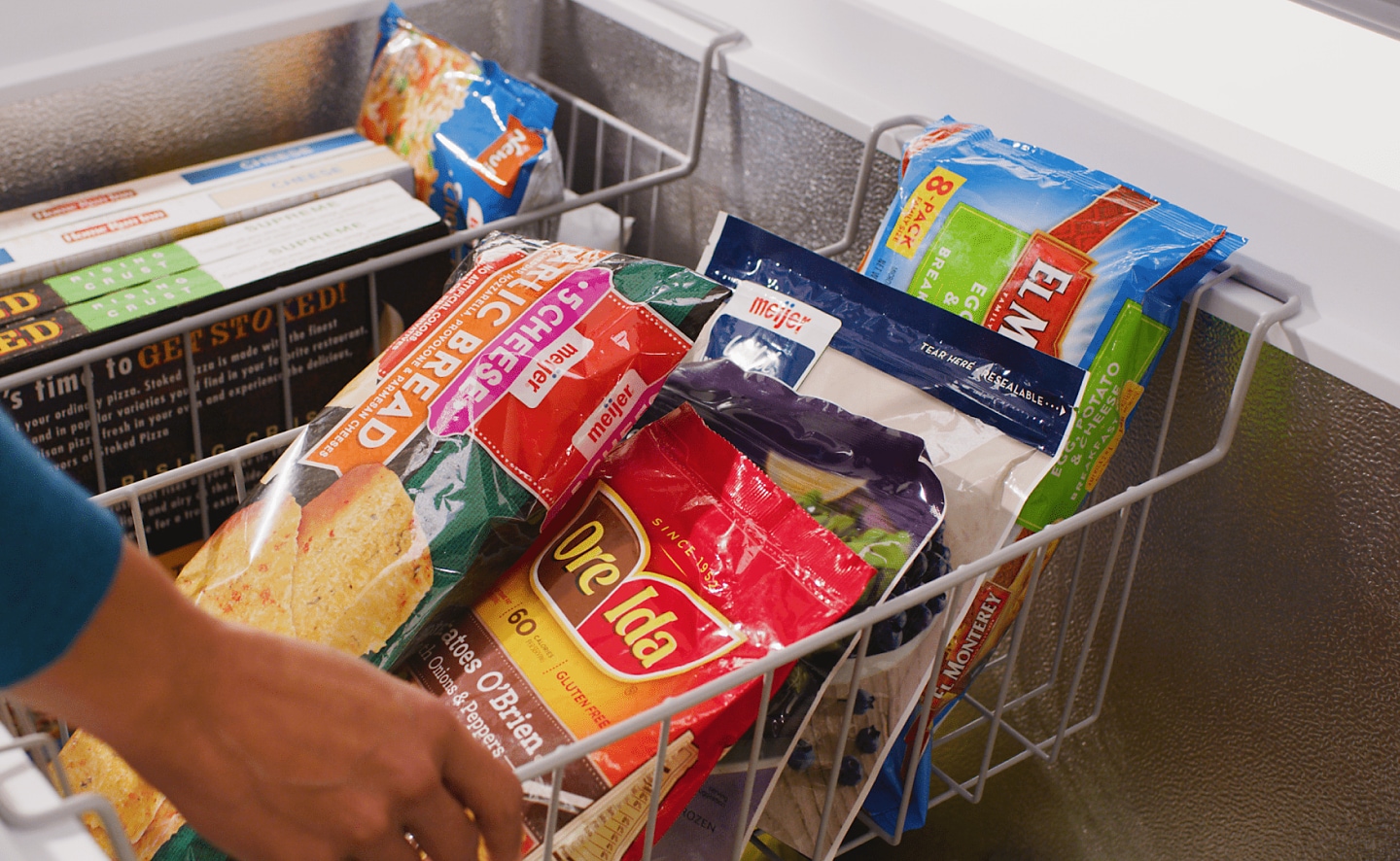
Wrap items tightly in freezer paper or use sealed containers. Exposed food releases moisture that becomes frost on coils and walls, reducing efficiency while causing freezer burn.
Check Door Seals
Inspect gaskets regularly for cracks, tears, or loose spots. A damaged seal allows constant air exchange, dramatically increasing frost formation and energy costs. Replace worn seals promptly.
Maintain Proper Temperature
Set temperature between zero and five degrees Fahrenheit. Colder settings don't improve food quality but increase frost formation and energy consumption significantly.
Allow Food to Cool
Never place warm or hot items directly into the freezer. Let cooked foods cool completely at room temperature first, then refrigerate before freezing to prevent excessive moisture and frost.
Regular Defrosting Schedule
Manual defrost models need cleaning when frost exceeds quarter-inch thickness. Plan defrosting when inventory is low, typically twice yearly, to maintain peak efficiency and maximize usable space.
Understanding Over-Freezing
While freezing preserves food excellently, understanding storage limits prevents waste and maintains quality. Different foods have optimal freezer life spans that balance safety with taste and texture preservation.
Optimal Storage Times: Most foods remain safe indefinitely when frozen at zero degrees, but quality degrades over time. Properly wrapped meats last six to twelve months, while vegetables and fruits maintain peak quality for eight to twelve months.
Quality Indicators: Freezer burn appears as grayish-brown spots or ice crystals on food surfaces. While safe to eat, affected areas develop off flavors and tough textures. Prevent this by using airtight packaging and removing excess air.
Best Practices: Label everything with contents and freeze date. Rotate stock using oldest items first. Keep an inventory list to prevent forgotten items from languishing too long. When in doubt about freshness, trust your senses after thawing.
Remember that freezing temperature, not time, determines food safety. Freezers operating at zero degrees or below keep food safe indefinitely, though quality naturally declines beyond recommended storage periods.
Optimal Temperature Settings
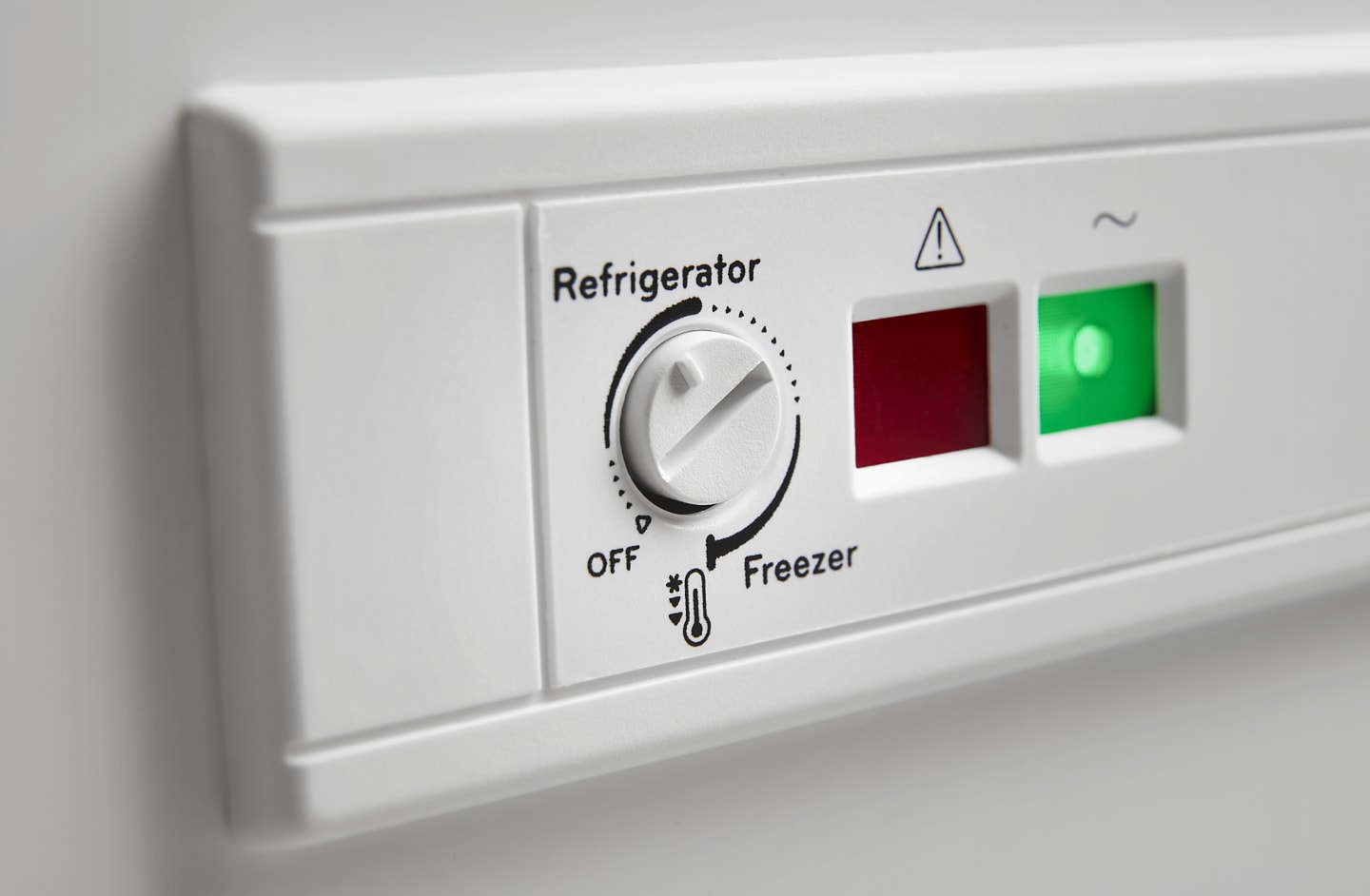
Setting your outdoor freezer correctly balances food safety, quality preservation, and energy efficiency. Most manufacturers recommend zero degrees Fahrenheit as the sweet spot, though some situations benefit from slightly different settings.
Recommended Temperature Range
Zero to Five Degrees Fahrenheit
This range preserves food quality while maintaining energy efficiency
Energy Considerations: Each degree below zero increases energy consumption by approximately five percent without improving food preservation. Avoid unnecessary super-cold settings unless storing ice cream commercially.
Outdoor Factors: Covered patios and garages experience temperature swings. Monitor internal temperature with an appliance thermometer, especially during extreme weather. Adjust settings seasonally if ambient temperature fluctuates significantly.
Verification Method: Place a freezer thermometer between frozen packages in the center. Check after twenty-four hours. If temperature reads above five degrees or below negative five, adjust accordingly and recheck daily until stable.
Featured Outdoor Freezer
The perfect balance of capacity, efficiency, and durability for your backyard space
Midea 10.2 Cu Ft Chest Freezer
This spacious chest freezer delivers reliable performance for outdoor use. With generous capacity and energy-efficient operation, it's perfect for bulk storage, garden harvests, and entertaining. The manual defrost system ensures consistent temperatures while the durable white finish resists outdoor elements.
10.2
Cubic Feet
Energy
Efficient Design
White
Classic Finish
Expert Tips for Outdoor Freezer Success
Location Matters
Place your freezer in a covered area protected from direct sun and rain. Garages, covered patios, and outdoor kitchen cabinets work perfectly. Ensure adequate ventilation around all sides for proper airflow and heat dissipation.
Maintain Proper Loading
Keep freezers seventy-five percent full for optimal efficiency. Empty space forces the compressor to work harder. Use bags of ice or frozen water jugs as fillers when inventory runs low, and they'll serve as emergency cooling backup if power fails.
Organize Strategically
Use bins, baskets, or dividers to categorize contents. Label sections for meats, vegetables, prepared meals, and desserts. This system reduces door-open time while helping you rotate stock and use oldest items first.
Regular Maintenance
Clean coils quarterly to remove dust and debris that reduce efficiency. Check door seals monthly for wear. Vacuum underneath and behind the unit annually. These simple tasks extend freezer life significantly while reducing energy costs.
Power Protection
Use a dedicated circuit for your outdoor freezer. Consider a surge protector rated for appliances. In areas with frequent outages, a small backup generator or battery system protects your investment and prevents food loss.
Seasonal Adjustments
Monitor performance during temperature extremes. Hot summers may require slightly colder settings, while mild winters might allow warmer settings. Always verify internal temperature remains between zero and five degrees Fahrenheit.
Transform Your Outdoor Living Space
An outdoor freezer revolutionizes how you entertain, preserve food, and enjoy your backyard. From spontaneous barbecues to long-term food storage, the right freezer becomes an indispensable part of outdoor living. Choose wisely, maintain diligently, and enjoy years of convenient frozen storage right where you need it most.
Remember, the best outdoor freezer is the one that fits your specific needs, space, and lifestyle. Consider how you'll use it, where it will live, and what capacity serves your household best before making your investment.