


 Damage
  Loss
Loss  Theft
Theft 


What Is Bonded Leather?
Shopping for leather furniture and accessories can feel overwhelming when you're faced with so many material options. Between genuine leather, synthetic alternatives, and everything in between, knowing which type suits your needs — and your budget — makes all the difference. Understanding the advantages and drawbacks of each material helps you make a confident, well-informed purchase.
In this guide, we'll walk you through the defining traits of bonded leather, explore its most common applications, share tips on keeping it in great shape, and help you determine whether bonded leather is the right fit for your lifestyle.
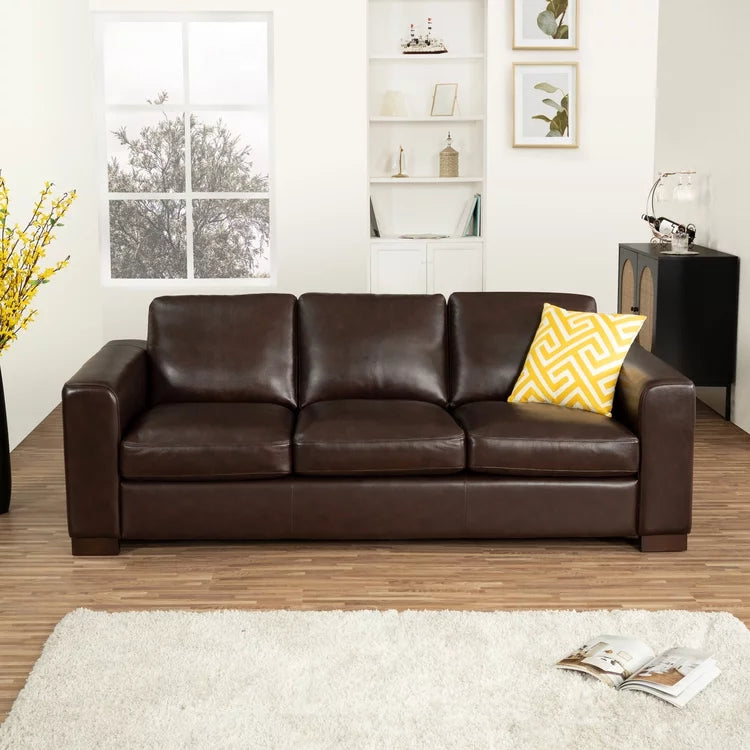
What Exactly Is Bonded Leather?
Bonded leather — sometimes called reconstituted leather — is a manufactured material composed of shredded leather remnants and fibers that are combined with polyurethane or latex and pressed onto a fabric or fiber backing. The production process involves grinding leftover leather scraps into a fine pulp, sandwiching that pulp between a textile base and a polyurethane top layer, and then embossing the surface to replicate the natural grain pattern of real hide.
It's worth noting that bonded leather is not classified as genuine leather. That said, it does contain a percentage of real leather — typically between 10% and 20% — which can influence its texture, feel, and overall appearance.
The finished product usually receives a polyurethane topcoat and an embossed pattern to give it a convincing leather-like look. Because it repurposes leftover scraps from leather production, it tends to be more affordable and often considered a more environmentally conscious choice compared to full-grain leather.
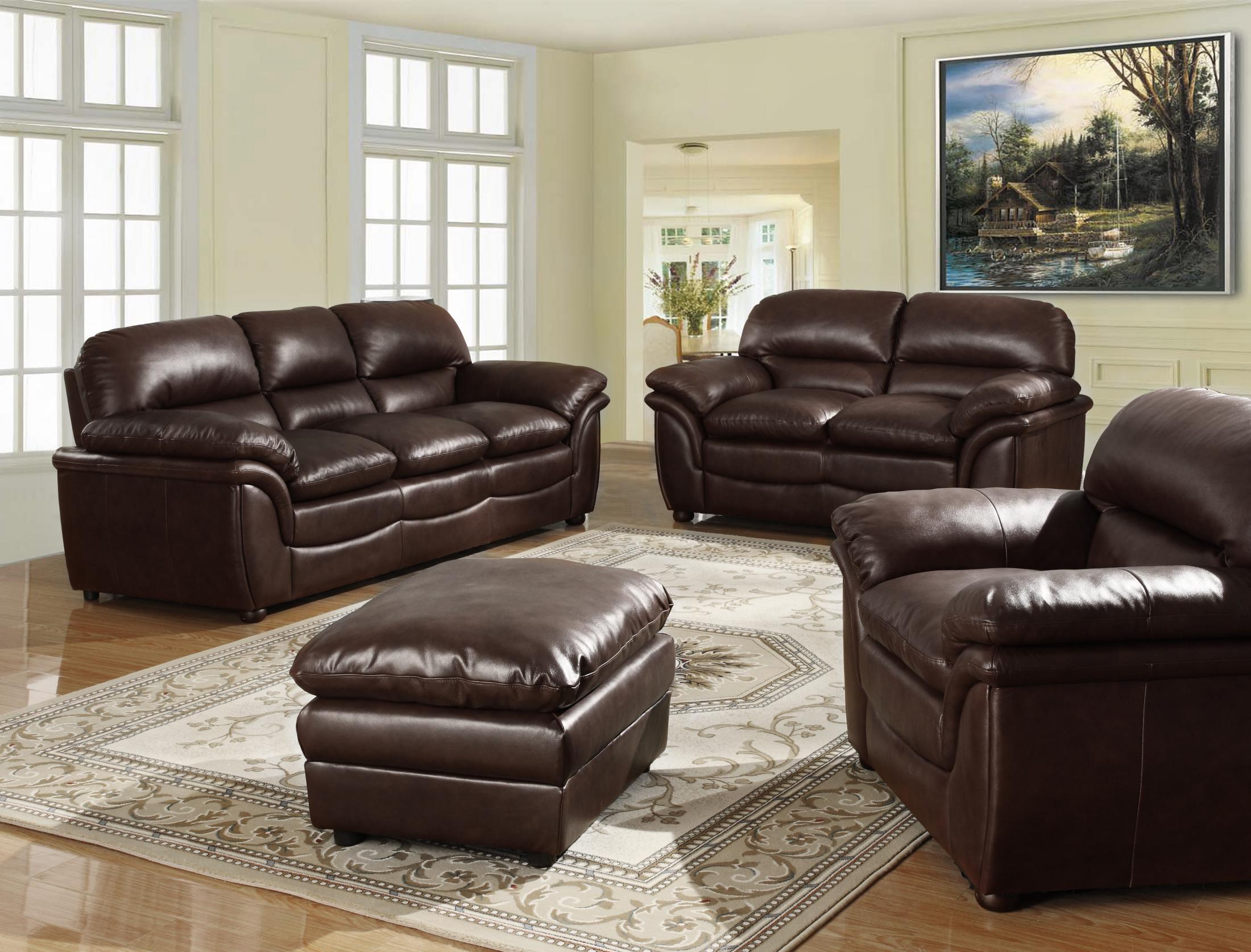
Key Qualities of Bonded Leather
At first glance, bonded leather can look remarkably similar to genuine leather, which makes it an appealing material for furniture upholstery, handbags, and a wide range of accessories. Its surface is engineered to deliver a smooth, uniform feel that closely imitates real hide.
In terms of durability, bonded leather holds up reasonably well under moderate use, though it doesn't match the lifespan of authentic leather. Over time, the bonding agents can break down, which may lead to surface peeling or cracking.
On the plus side, bonded leather is generally easier to maintain and clean than genuine leather, and its use of recycled leather fibers gives it a sustainability edge. However, its shorter lifespan and vulnerability to wear should always factor into your purchasing decision.
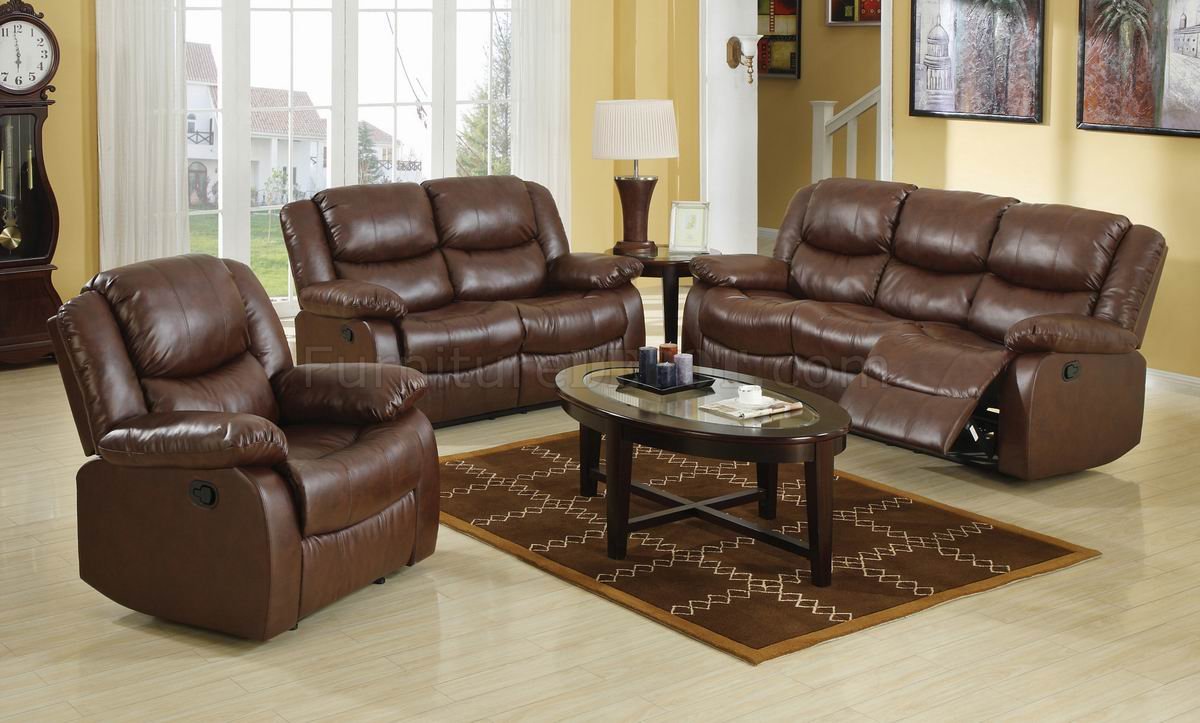
Popular Uses of Bonded Leather
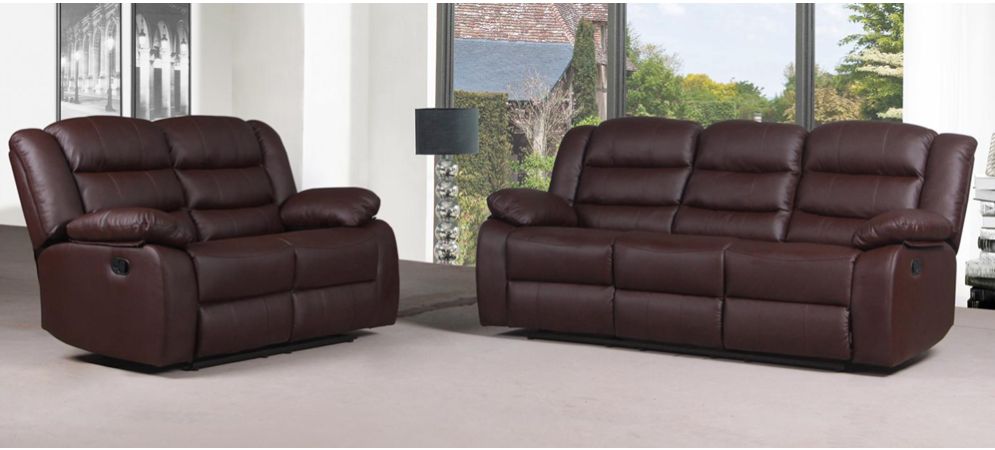
One of the most widespread applications for bonded leather is in home furnishings — particularly sofas and chairs. Its ability to mimic the look and feel of genuine leather at a fraction of the price makes it a go-to option for homeowners and office managers who want stylish, budget-friendly seating.
Beyond furniture, bonded leather is frequently found in everyday accessories such as belts, handbags, and wallets. These smaller items benefit from the material's affordability and its capacity to replicate a polished leather aesthetic.
You'll also see bonded leather used in apparel, especially in jackets designed to deliver the classic leather look without the animal welfare concerns or the high cost. This makes it a popular option for designers creating fashionable, accessible pieces.
Bonded Leather vs. Real Leather
Genuine leather will always outlast bonded leather in terms of longevity and resistance to wear. That said, it comes at a significantly higher price point. This cost gap is a major reason why many consumers are now gravitating toward bonded leather alternatives. Before committing to either option, it helps to understand exactly how they stack up against each other.
| Feature | Bonded Leather | Real Leather |
|---|---|---|
| Composition | Shredded leather scraps blended with synthetic adhesives and pressed onto a backing | Full sheets of animal hide, entirely natural |
| Texture | Uniform and smooth, artificially embossed to resemble real leather | Naturally varied with unique grain patterns, soft and supple to the touch |
| Durability | Moderate — can crack and peel over time | Excellent — ages gracefully and can last decades |
| Cost | More budget-friendly thanks to recycled materials | Premium pricing due to high-quality materials and processing |
| Maintenance | Easy to wipe clean and less sensitive to moisture | Needs regular conditioning and specific care products |
| Sustainability | Uses recycled scraps, reducing waste from leather production | Resource-intensive production with environmental concerns from tanning |
| Appearance | Convincing at first glance but lacks the rich patina that develops naturally | Distinctive, luxurious look that deepens beautifully with age |
| Best For | Budget-conscious furniture, everyday accessories, casual apparel | Premium furniture, luxury goods, automotive interiors, fine footwear |
How to Care for Bonded Leather
While bonded leather won't last as long as genuine leather, proper care can extend its lifespan to roughly two to five years. Here are some practical tips to keep your bonded leather items looking and feeling their best:
Stay Away from Harsh Chemicals — Avoid alcohol-based cleaners, solvents, and abrasive products that can strip the surface coating and accelerate peeling. Always reach for cleaning solutions formulated specifically for bonded leather.
Condition with Care — Traditional leather conditioners aren't ideal for bonded leather and may actually speed up deterioration. Look for conditioning products designed specifically for bonded or synthetic leather, and use them sparingly according to the label.
Shield from Sun and Heat — Position bonded leather furniture away from direct sunlight, radiators, and heating vents. Constant heat exposure dries out the material and hastens cracking and flaking.
Act Fast on Spills — Blot spills immediately with a dry cloth, then gently dab the area with a slightly damp cloth if needed. Resist the urge to rub, as this can push liquids deeper into the bonded material.
Use Protective Covers — For high-traffic pieces like sofas and armchairs, draping a throw blanket or using a slipcover can significantly reduce daily wear and tear, stains, and spills.
Routine cleaning also goes a long way. While you can certainly handle basic upkeep yourself, having your bonded leather pieces professionally cleaned periodically ensures deep-seated grime and oils are removed without risking surface damage.
Final Thoughts
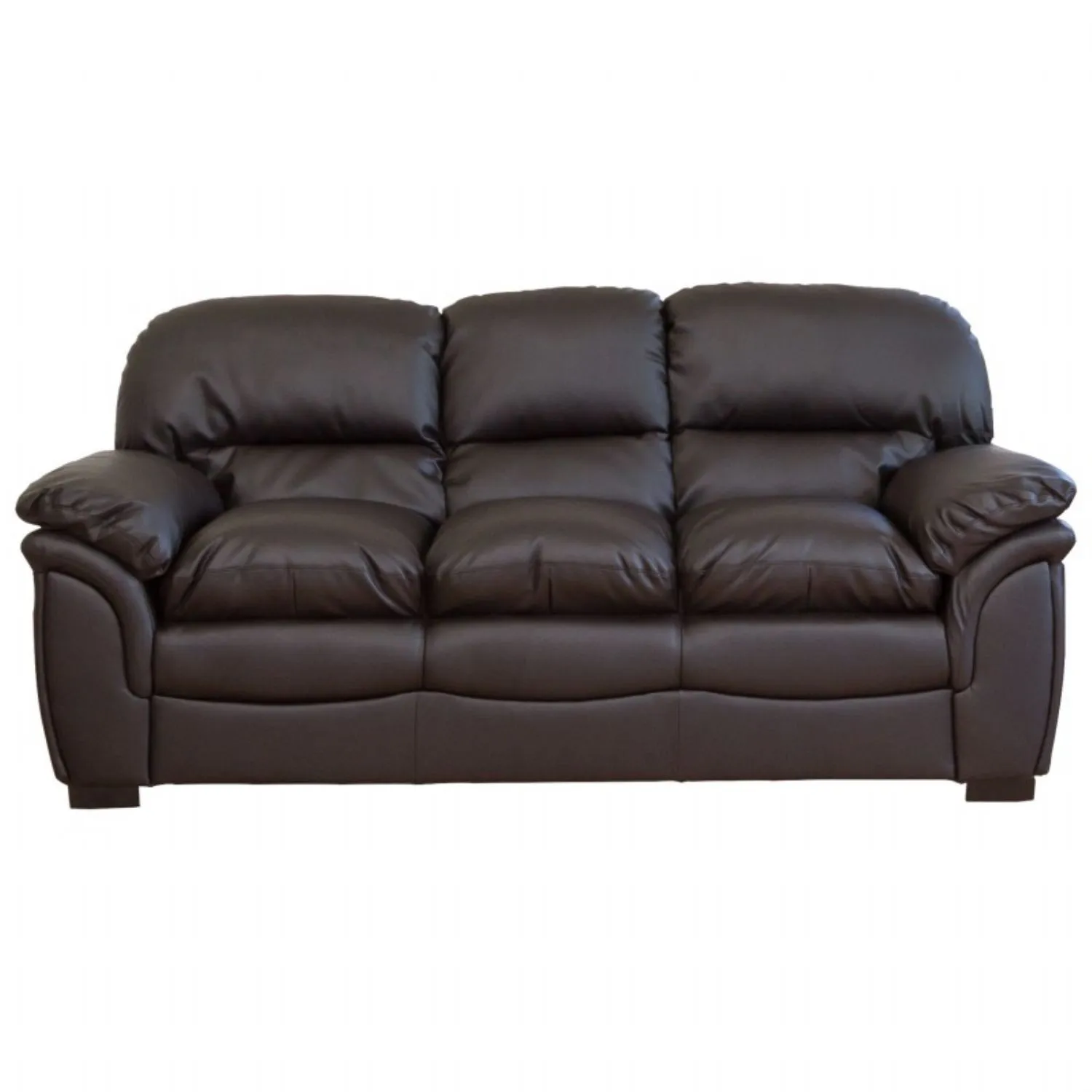
While bonded leather doesn't offer the same longevity as genuine leather and is more susceptible to surface wear like scratching, peeling, and flaking, it remains a smart option for anyone who enjoys refreshing their furniture or wardrobe regularly without a hefty investment.
With attentive care — keeping it clean, protecting it from harsh sunlight, and treating it with the right products — you can significantly extend the life and appearance of your bonded leather pieces. A little maintenance goes a long way toward getting the best value from this versatile material.
Ready to add bonded leather seating to your space?
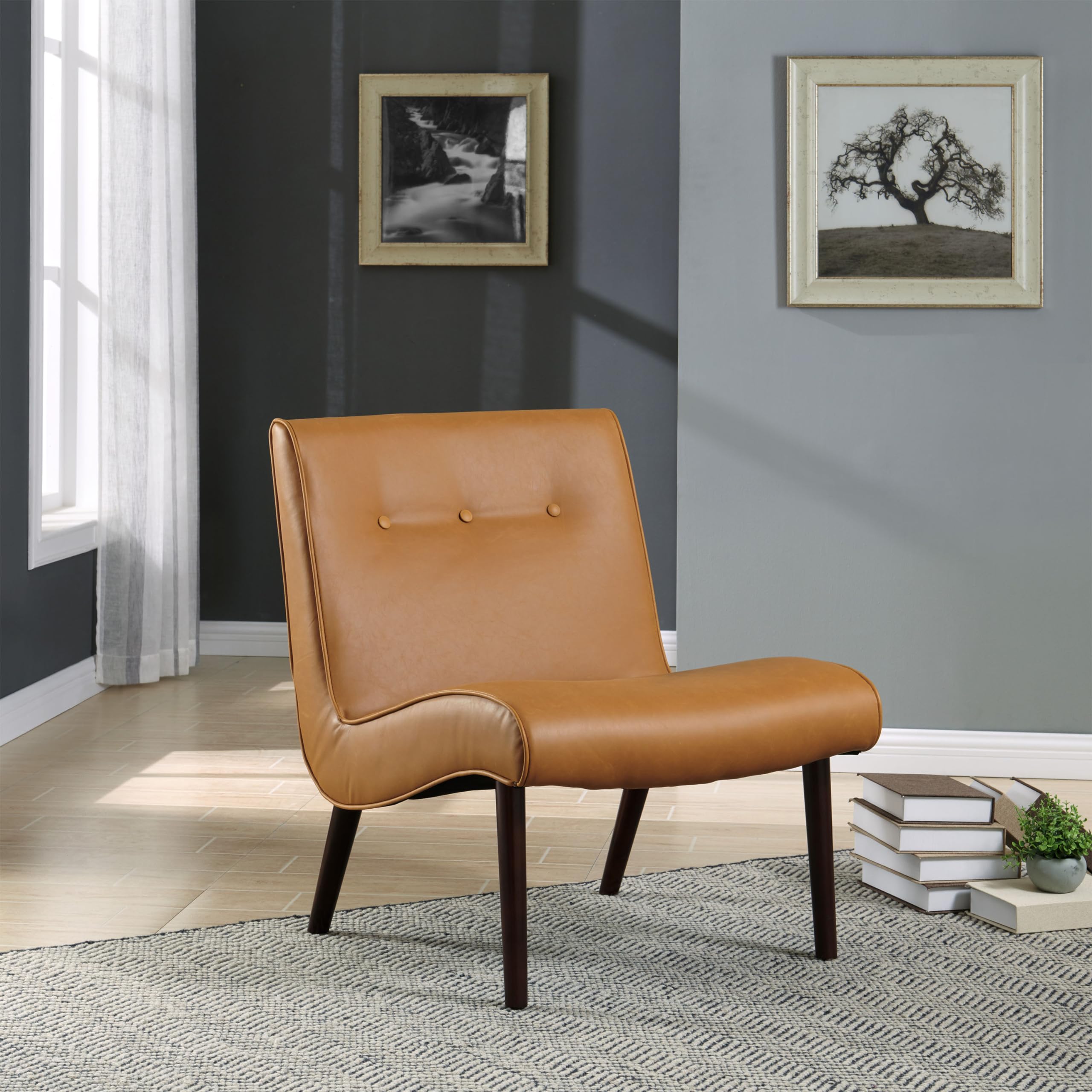
Alexis Bonded Leather Chair