


 Damage
  Loss
Loss  Theft
Theft 


Types of Leather for Your Office Chair: Pros and Cons
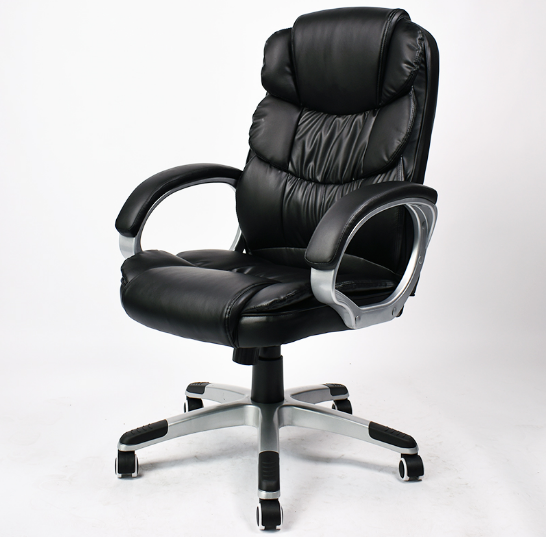
In the modern workspace, your office chair is far more than just a seat — it is the foundation of your daily productivity. A leather office chair brings a timeless combination of elegance, comfort, and professionalism to any desk. But not every leather is the same. This guide breaks down the most popular leather options used in office seating, so you can make a confident, informed decision that suits your needs and your budget.
Understanding the Different Types of Office Chair Leather
From premium hides to budget-conscious synthetics, the leather on your office chair impacts everything from how it feels to how long it lasts. Let us explore each variety in detail.
Full-Grain Leather
Full-grain leather sits at the pinnacle of quality. Crafted from the outermost layer of the hide, it preserves all the natural textures, markings, and grain patterns that make each piece unique. Over the years, full-grain leather develops a rich patina that only enhances its character — a hallmark of truly fine craftsmanship.
Advantages
- Exceptional durability and resistance to wear over many years of use
- Develops a beautiful, distinctive patina that adds character with age
- Naturally soft and supremely comfortable for prolonged seating
Drawbacks
- Among the most expensive leather options on the market
- Requires consistent care and conditioning to preserve its appearance
Top-Grain Leather
Top-grain leather is another premium choice frequently seen in high-quality office chairs. It comes from the upper layer of the hide but is sanded and refinished to remove natural imperfections, resulting in a smoother, more uniform surface. It delivers an excellent balance between luxury and practicality.
Advantages
- Strong balance of durability and visual refinement
- Comfortable and supple, becoming softer with extended use
- More affordable than full-grain while still offering a premium feel
Drawbacks
- Still positioned at the higher end of the price range
- Needs regular maintenance to keep its polished look intact
Bonded Leather
Bonded leather offers a wallet-friendly path to the leather look. It is manufactured by combining real leather fibers with synthetic binding agents, creating a material that mimics the appearance of genuine leather without the steep price tag. For those who want the aesthetic of leather on a budget, bonded leather is a popular pick.
Advantages
- Significantly less expensive than full-grain or top-grain alternatives
- Closely resembles genuine leather with an elegant surface finish
- Low-maintenance and easy to keep clean with minimal effort
Drawbacks
- Less durable overall, with a tendency to peel or flake over time
- Does not offer the same softness or comfort as higher-grade leather
- Synthetic binding materials may raise environmental considerations
Faux Leather (PU Leather)
Faux leather, also called PU leather, is an entirely synthetic material engineered to replicate the look and texture of real leather. It has become one of the most common choices for budget-friendly office chairs, offering versatility in color and style at a fraction of the cost of genuine hides.
Advantages
- The most cost-effective leather-look option available
- Simple to clean and does not demand specialized care routines
- Available in a broad spectrum of colors and textures
Drawbacks
- Wears down faster than genuine leather and may crack over time
- Lacks the natural softness and breathability of real leather
- Will not develop the rich patina or character of authentic hides
How to Care for Your Leather Office Chair
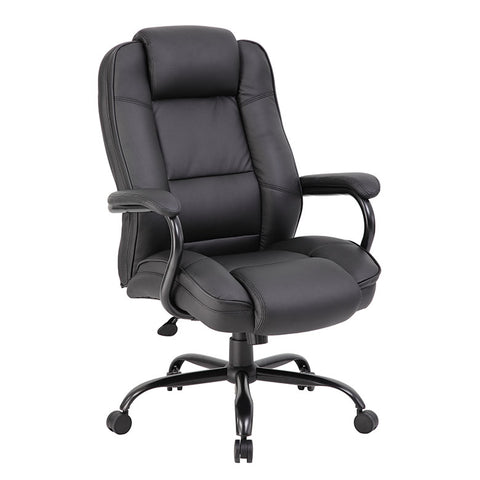
Investing in a leather office chair is only the beginning. Proper care ensures your chair stays comfortable, attractive, and functional for years to come. Follow these essential maintenance practices to protect your investment.

Clean It Regularly
Keeping your leather chair clean is the first line of defense against premature aging. Dust and grime can accumulate on the surface, eventually working their way into the material and causing damage. Use a soft, damp cloth with a gentle mixture of water and mild soap to wipe the chair down weekly. Avoid soaking the leather — a light touch goes a long way.
Condition the Leather
Over time, leather can lose its natural oils, leading to dryness, stiffness, and cracking. Apply a quality leather conditioner every few months using a clean, soft cloth. Work it into the surface in gentle, circular motions, paying extra attention to areas that see the most contact. Allow the conditioner to absorb fully before wiping away any residue.
Shield It from Sunlight
Prolonged exposure to direct sunlight is one of leather's greatest enemies. UV rays can cause fading, drying, and brittleness. If your chair sits near a window, consider repositioning it away from direct light, or use blinds and curtains to filter the sun during peak hours.
Address Spills Without Delay
Accidents happen, and when they do, speed matters. Blot any spilled liquid immediately with a clean, dry cloth — never rub, as this can push the stain deeper into the leather. Once the excess liquid has been absorbed, use a lightly dampened cloth to gently clean the affected area and let it air dry naturally.
Guard Against Scratches and Tears
Leather is resilient but not immune to physical damage. Keep sharp objects, belt buckles, and pet claws away from your chair. Placing a chair mat underneath can also protect against scuffs from movement. Taking these small precautions will help maintain your chair's pristine condition for the long haul.
Store It Properly When Not in Use
If you plan to store your leather office chair for an extended period, choose a cool, dry space away from heat sources and moisture. Cover it with a breathable fabric — never plastic — to prevent dust buildup while allowing air circulation. This simple step protects the leather from cracking and mildew.
Pro Tip: When shopping for a leather office chair, always consider how much time you spend seated each day. If you work long hours, investing in full-grain or top-grain leather will pay off in comfort and longevity. For lighter use, bonded or faux leather provides excellent value without compromising on style.
Final Thoughts
Choosing the right leather for your office chair comes down to balancing your priorities — comfort, durability, appearance, and budget. Whether you opt for the unmatched luxury of full-grain leather or the practical appeal of faux leather, the key is finding a chair that supports your body and complements your workspace. When you buy a quality leather office chair, you are not just purchasing furniture — you are investing in your daily comfort and productivity.