


 Damage
  Loss
Loss  Theft
Theft 


3 Ton Heat Pump: Complete Guide to Choosing the Right Unit
Everything you need to know about selecting, installing, and maintaining your 3-ton heat pump system
When it comes to maintaining comfortable temperatures in your home throughout the year, a 3-ton heat pump stands as one of the most versatile and efficient solutions available. These systems provide both heating and cooling capabilities, making them an ideal choice for homeowners seeking year-round climate control with excellent energy efficiency.
Understanding the fundamentals of 3-ton heat pumps, their applications, and what makes them suitable for your specific needs is essential for making an informed purchasing decision. This comprehensive guide will walk you through everything from basic concepts to advanced considerations.
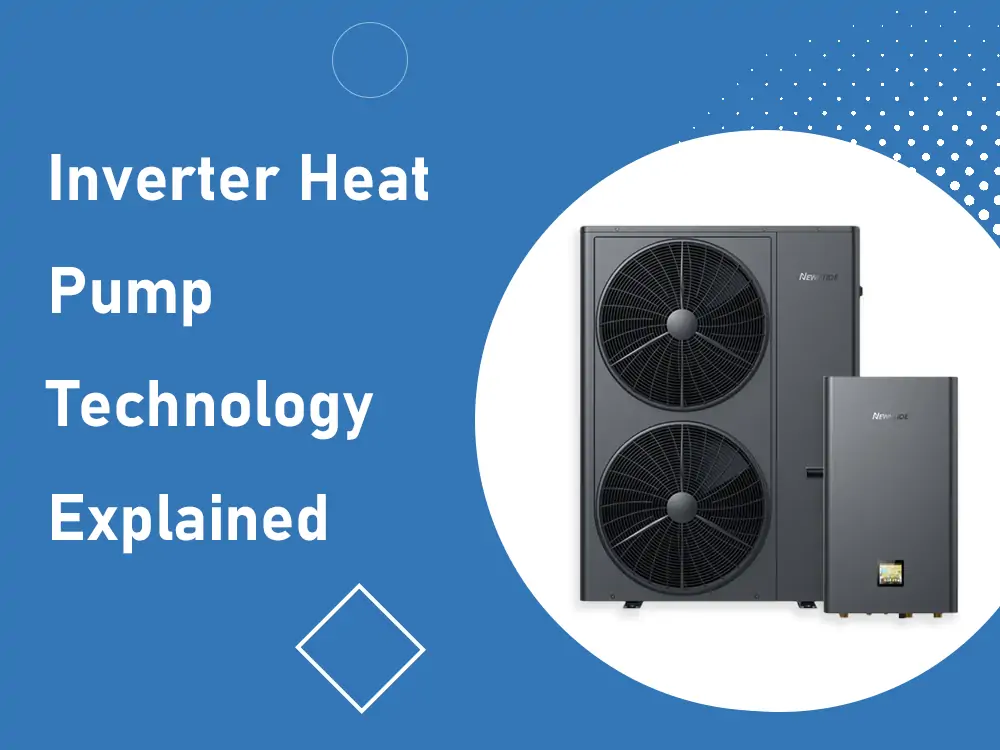
What is a 3 Ton Heat Pump?
A 3-ton heat pump is a heating and cooling system with a capacity of 36,000 British Thermal Units (BTUs) per hour. The "ton" measurement in HVAC terminology refers to the amount of heat required to melt one ton of ice in 24 hours, which equals 12,000 BTUs per hour. Therefore, a 3-ton unit can handle 36,000 BTUs of heating or cooling capacity.
These systems work by transferring heat rather than generating it through combustion. During winter months, the heat pump extracts warmth from the outdoor air and transfers it inside your home. In summer, the process reverses, removing heat from your indoor space and releasing it outdoors, effectively cooling your home.
The beauty of this technology lies in its efficiency. By moving heat instead of creating it, heat pumps can deliver up to three times more heating or cooling energy than the electrical energy they consume, resulting in significant cost savings over time.
Ideal Home Size for a 3 Ton Heat Pump
Determining whether a 3-ton heat pump is right for your home depends on several factors beyond just square footage. Generally, a 3-ton system is appropriate for homes ranging from 1,500 to 2,100 square feet, though this can vary based on your specific circumstances.
Key Factors Affecting Sizing Requirements:
Climate Zone: Homes in colder regions may require additional heating capacity, while those in milder climates might manage with slightly smaller units.
Insulation Quality: Well-insulated homes retain temperature more effectively, potentially allowing for smaller capacity systems.
Ceiling Height: Higher ceilings increase the volume of space that needs heating or cooling.
Window Size and Quality: Large or poorly sealed windows can significantly impact heating and cooling loads.
Sun Exposure: South-facing homes or those with extensive glazing may have different requirements.
Professional HVAC contractors typically perform detailed load calculations using Manual J methodology to determine the precise heating and cooling requirements for your specific home. This ensures optimal performance and energy efficiency.
Understanding SEER Ratings and Energy Efficiency
The Seasonal Energy Efficiency Ratio (SEER) is a crucial metric when evaluating heat pump performance. SEER ratings measure the cooling efficiency of your system over an entire season, calculated by dividing the total cooling output by the total electrical energy input during the same period.
Modern 3-ton heat pumps typically feature SEER ratings ranging from 14 to 20 or higher. Higher SEER ratings indicate greater efficiency, which translates directly into lower operating costs and reduced environmental impact. A system with a SEER rating of 20, for instance, uses approximately 30% less energy than a unit rated at 14 SEER.
While higher SEER units typically cost more upfront, the energy savings accumulate over time, often resulting in a positive return on investment within several years. Additionally, many utility companies and government programs offer rebates or incentives for installing high-efficiency equipment, further offsetting the initial investment.
Installation Considerations and Requirements
Proper installation is critical to achieving optimal performance from your 3-ton heat pump. Even the most efficient system will underperform if not installed correctly. Professional installation ensures your unit operates at its rated efficiency and provides reliable comfort for years to come.
Critical Installation Elements:
Outdoor Unit Placement: The condenser should be positioned on a level surface with adequate clearance for airflow. Typically, this means at least 2-3 feet of clearance on all sides and 5 feet above the unit. Avoid placing the unit in direct sunlight or against reflective surfaces when possible.
Refrigerant Line Installation: Proper sizing and insulation of refrigerant lines are essential for efficient operation. Lines should be as short and straight as possible while maintaining appropriate insulation throughout their length.
Electrical Requirements: A 3-ton heat pump typically requires a dedicated 240-volt electrical circuit with appropriate amperage. Ensure your electrical panel can accommodate this load, and all wiring meets local building codes.
Indoor Air Handler: The air handler should be installed in a location that allows for proper air distribution throughout your home while maintaining accessibility for maintenance and filter changes.
Featured 3-Ton Heat Pump System
MRCOOL Universal Series - 36K BTU Heat Pump System
This high-performance 2-3 ton heat pump and cooling system features an impressive 20 SEER rating, delivering exceptional energy efficiency for year-round comfort. The MRCOOL Universal Series combines reliability with advanced technology, making it an excellent choice for homes requiring powerful yet efficient climate control.
Operating Costs and Long-Term Savings
Understanding the operational expenses associated with a 3-ton heat pump helps you make informed decisions and budget appropriately. Operating costs depend on several variables including local electricity rates, climate conditions, insulation quality, and how efficiently the system is maintained.
On average, a 3-ton heat pump with a SEER rating of 16-18 might cost between $100 to $200 per month to operate during peak heating or cooling seasons. However, these costs can vary significantly based on your geographic location and usage patterns. Homes in moderate climates typically see lower operating costs compared to regions with extreme temperatures.
When compared to traditional heating systems like furnaces or electric resistance heaters, heat pumps generally offer substantial savings. Their ability to move heat rather than generate it means they can provide up to three dollars of heating for every dollar spent on electricity, making them one of the most cost-effective heating solutions available.
Maintenance Requirements for Optimal Performance
Regular maintenance is essential for ensuring your 3-ton heat pump operates efficiently and achieves its expected lifespan of 15-20 years. A well-maintained system not only performs better but also consumes less energy and experiences fewer breakdowns, saving you money in the long run.
Monthly Tasks
Check and replace air filters every 1-3 months depending on usage and environmental conditions. Clean filters ensure proper airflow and prevent system strain.
Seasonal Maintenance
Clear debris from around the outdoor unit, inspect coils for dirt buildup, and ensure proper drainage from the condensate line.
Annual Professional Service
Schedule professional maintenance at least once per year. Technicians will check refrigerant levels, inspect electrical components, and ensure optimal system performance.
Many homeowners find it beneficial to enroll in a maintenance plan with their HVAC contractor. These plans typically include scheduled service visits, priority emergency service, and discounts on repairs, providing peace of mind and helping ensure your system receives consistent attention.
Climate Considerations and Heat Pump Performance
Heat pump performance varies with outdoor temperature, which is an important consideration when evaluating whether a 3-ton unit is appropriate for your climate. Modern heat pumps have significantly improved cold-weather performance compared to older models, but understanding their limitations remains important.
In moderate climates where temperatures rarely drop below freezing, heat pumps operate at peak efficiency year-round. They excel in these conditions, providing consistent comfort while maintaining excellent energy efficiency. However, in regions where winter temperatures frequently fall below 25-30°F, heat pump efficiency decreases as extracting heat from cold air becomes more challenging.
Many modern heat pumps feature advanced cold-climate technology, allowing them to operate effectively at temperatures well below freezing. Some premium models maintain heating capacity at temperatures as low as -15°F. Additionally, many systems include supplemental electric resistance heating that automatically activates during extremely cold weather to maintain comfort.
Noise Levels and Acoustic Performance
Modern 3-ton heat pumps have become remarkably quiet compared to older models, thanks to advances in compressor technology, fan design, and sound-dampening materials. Most quality units operate at noise levels between 50-60 decibels, comparable to a normal conversation or light rainfall.
When selecting a heat pump, pay attention to the manufacturer's specified decibel ratings. Premium models often feature variable-speed compressors and fans that run more quietly at lower speeds during mild weather. These units ramp up only when additional capacity is needed, minimizing noise while maximizing comfort and efficiency.
Proper installation also plays a crucial role in noise control. Placing the outdoor unit away from bedrooms and living areas, installing vibration-dampening pads, and ensuring the unit is level all contribute to quieter operation. Discuss placement options with your installer to minimize noise impact.
Smart Technology and Control Options
Today's 3-ton heat pumps often integrate with smart home technology, offering unprecedented control over your home comfort system. Smart thermostats and Wi-Fi connectivity enable you to monitor and adjust your system from anywhere using smartphone apps, creating convenience while optimizing energy usage.
Advanced control systems learn your preferences and automatically adjust temperatures based on your schedule, weather forecasts, and even energy pricing. These intelligent features can reduce energy consumption by 10-25% compared to traditional programmable thermostats, paying for themselves through utility savings over time.
Many smart systems also provide detailed energy usage reports and maintenance reminders, helping you stay informed about your system's performance and upcoming service needs. Some platforms even offer integration with voice assistants, allowing hands-free temperature control through simple voice commands.
Environmental Impact and Sustainability
Heat pumps represent one of the most environmentally friendly heating and cooling options available for residential applications. By transferring heat rather than burning fossil fuels, they significantly reduce greenhouse gas emissions and help combat climate change.
A typical 3-ton heat pump can reduce carbon emissions by 30-50% compared to traditional gas furnaces, depending on your region's electricity generation mix. In areas where renewable energy sources provide a significant portion of electricity, the environmental benefits become even more pronounced.
Modern refrigerants used in heat pumps have also evolved to minimize environmental impact. Many manufacturers now utilize refrigerants with lower global warming potential, further reducing the ecological footprint of these systems throughout their lifecycle.
Warranty Coverage and Expected Lifespan
Understanding warranty coverage is essential when investing in a 3-ton heat pump system. Most manufacturers offer comprehensive warranties that typically include 5-10 years on parts and compressor coverage, with some premium brands extending protection up to 12 years or longer.
The compressor, being the heart of the system, usually receives extended coverage as it represents the most expensive component. Many manufacturers also offer optional extended warranties that provide additional protection beyond the standard coverage period, offering peace of mind for long-term ownership.
With proper maintenance, a quality 3-ton heat pump should last 15-20 years. Regular service, timely filter changes, and addressing minor issues promptly all contribute to maximizing your system's lifespan. Investing in a maintenance plan often proves worthwhile, as it helps ensure your warranty remains valid while keeping your system operating at peak efficiency.
Comparing Heat Pumps to Traditional HVAC Systems
When deciding between a 3-ton heat pump and traditional separate heating and cooling systems, several factors deserve consideration. Heat pumps offer the convenience of year-round climate control in a single system, eliminating the need for separate furnaces and air conditioners.
Key Advantages of Heat Pumps:
Lower operating costs due to superior energy efficiency compared to electric resistance heating or older furnaces
Single system providing both heating and cooling reduces installation complexity and equipment footprint
No combustion means no carbon monoxide risk and improved indoor air quality
Consistent dehumidification during cooling mode enhances overall comfort levels
While initial costs for heat pumps may be comparable or slightly higher than traditional systems, the long-term savings through reduced energy consumption typically result in lower total cost of ownership. Additionally, many regions offer incentives or rebates for heat pump installations, further improving their economic advantage.
Making the Right Choice for Your Home
Selecting a 3-ton heat pump represents a significant investment in your home's comfort and efficiency. By understanding the factors that influence system performance, sizing requirements, and long-term operating costs, you can make an informed decision that serves your needs for years to come.
Working with qualified HVAC professionals ensures proper system sizing, expert installation, and reliable ongoing support. Take time to research available models, compare features and efficiency ratings, and select a system that balances initial investment with long-term value. Your comfort and satisfaction depend on choosing the right equipment and having it installed correctly by experienced technicians.
Ready to upgrade your home's heating and cooling system? Explore our selection of premium heat pumps and find the perfect solution for your comfort needs.