


 Damage
  Loss
Loss  Theft
Theft 


Elliptical vs Treadmill: Which Cardio Machine Is Right For You?
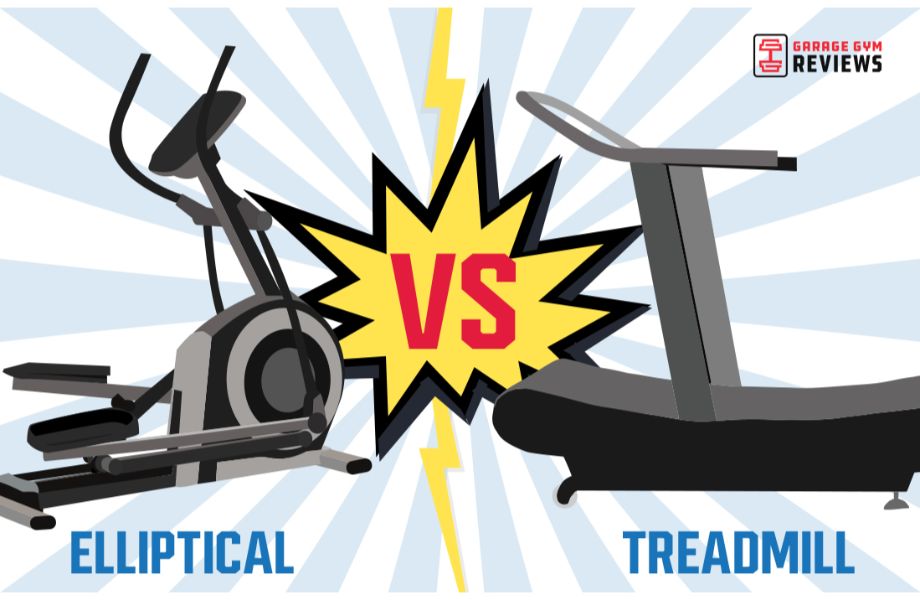
When it comes to building a solid cardio routine at home, two machines consistently rise to the top of the conversation: the elliptical and the treadmill. Both are outstanding choices for improving cardiovascular fitness, burning calories, and strengthening your body. However, they each bring unique advantages to the table that might make one a better match for your goals than the other.
In this comprehensive guide, we will break down everything you need to know about ellipticals and treadmills — from how they work, to who they are best suited for, to the pros and cons of each. By the end, you will have a clear picture of which machine deserves a spot in your home gym or backyard fitness setup.
Elliptical vs Treadmill Video Review
Watch our full breakdown for a visual comparison of both machines.
What Are Ellipticals?
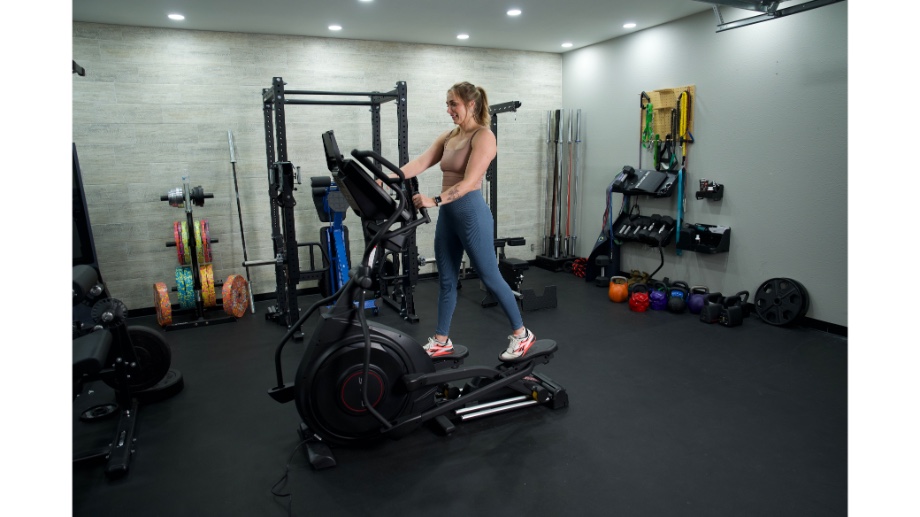
An elliptical trainer — sometimes called a cross-trainer — is a stationary cardio machine that mimics the natural motion of walking, jogging, or running without placing excessive stress on your joints. Your feet remain planted on the pedals throughout the entire workout, moving in a smooth, oval-shaped (elliptical) path. Most models also feature movable handlebars that allow you to engage your upper body simultaneously, making it a full-body exercise experience.
Ellipticals first gained widespread popularity in the late 1990s and have since become a staple in commercial gyms and home fitness setups alike. Their ability to deliver an intense cardiovascular workout while being gentle on your knees, hips, and back has made them a favorite among fitness enthusiasts of all ages.
Types of Ellipticals
There are several different types of elliptical machines, each with slightly different mechanics and benefits:
Front-Drive Elliptical
The flywheel is positioned at the front of the machine. These tend to produce a more forward-leaning motion and are commonly found in budget-friendly home models.
Rear-Drive Elliptical
The flywheel sits at the back, creating a more natural, linear stride pattern. These machines often feel smoother and are popular in commercial gym environments.
Center-Drive Elliptical
The flywheel is located on either side of the user, resulting in a more compact footprint. These offer a very natural upright posture during exercise.

Pros of Ellipticals
Low-Impact on Joints
Since your feet never leave the pedals, ellipticals eliminate the repetitive pounding associated with running on hard surfaces. This makes them ideal for individuals recovering from injuries, those with chronic joint concerns, or older adults seeking a safer cardio option.
Full-Body Workout
With moving handlebars, you can work your arms, chest, and back at the same time as your legs and glutes. This dual-action capability means you can burn more calories in less time compared to a lower-body-only workout.
Reverse Stride Capability
Many ellipticals allow you to pedal in reverse, targeting your hamstrings and calves in a way that treadmills simply cannot replicate. This versatility adds variety to your workout routine and helps build balanced lower-body strength.
Quiet Operation
Ellipticals are generally much quieter than treadmills during use. If you live in an apartment or share your space with others, you will appreciate the near-silent operation that most elliptical trainers offer.
Cons of Ellipticals
Less Natural Movement Pattern
Although the motion is designed to imitate walking or running, many users find that the fixed pedal path feels somewhat artificial. It does not perfectly replicate the biomechanics of natural locomotion, which can feel awkward initially.
Limited Weight-Bearing Benefits
Because the elliptical supports some of your body weight through the pedals, it does not provide the same bone-strengthening benefits as walking or running on a treadmill. For those concerned about bone density, this is an important consideration.
Can Feel Repetitive
The fixed stride path means there is less variation in movement compared to running outdoors or even on a treadmill with incline. Some users find that workouts can start to feel monotonous without built-in programming variety.
Bulky Footprint
Ellipticals, particularly rear-drive models, can take up a significant amount of floor space. If your home gym area is tight, you may find that an elliptical dominates the room more than you would prefer.
What Are Treadmills?
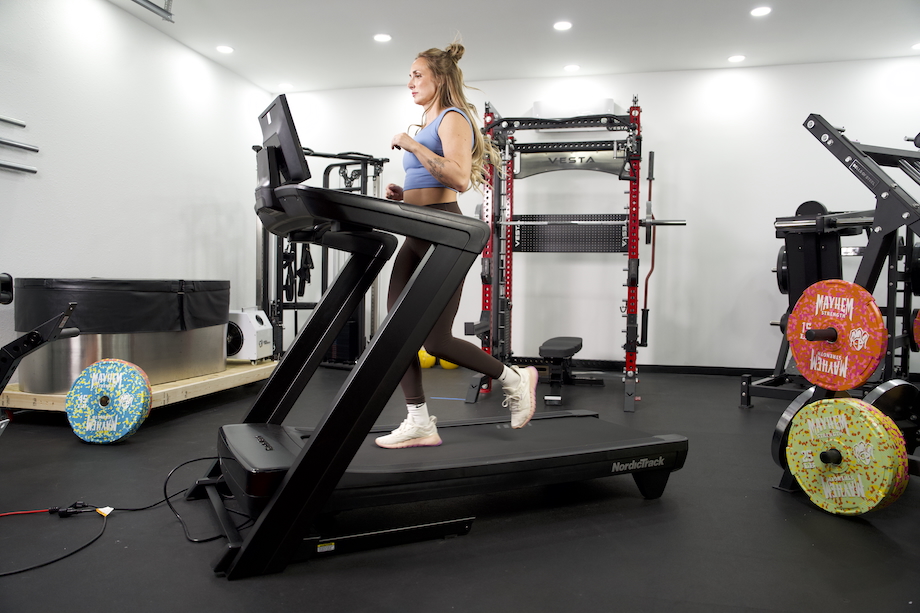
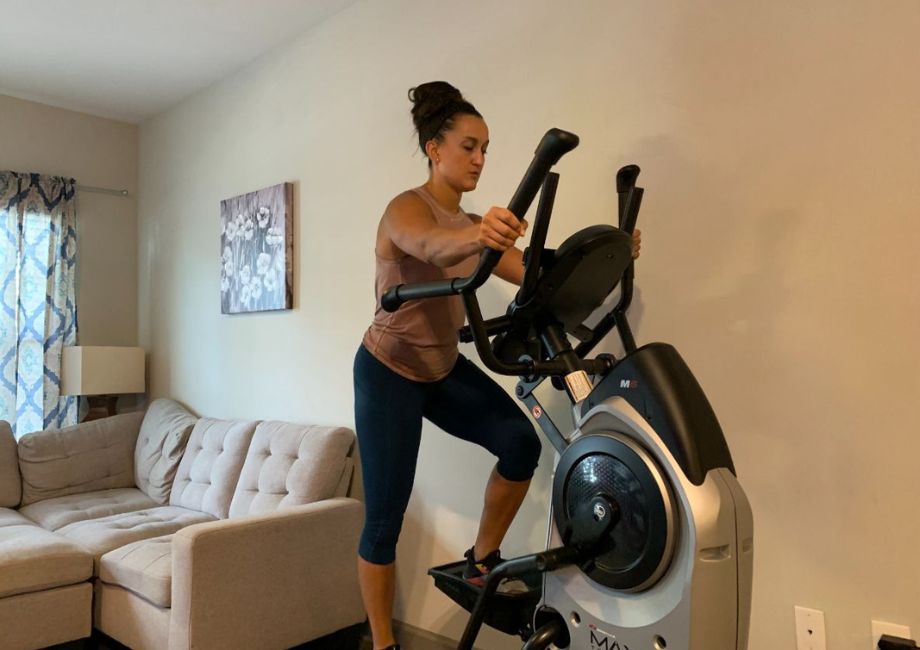
A treadmill is one of the most recognized and widely used pieces of fitness equipment in the world. It features a continuous moving belt that allows you to walk, jog, or run indoors. Most modern treadmills come equipped with adjustable speed and incline settings, heart rate monitors, and a variety of pre-programmed workouts to keep you challenged.
Treadmills have been around in various forms for well over a century, but the modern motorized versions that we know today became a home fitness phenomenon in the 1980s and 1990s. Today, they range from basic manual models to high-tech smart treadmills with large touchscreen displays and live streaming classes.
Types of Treadmills
Just like ellipticals, treadmills come in several forms to suit different needs:
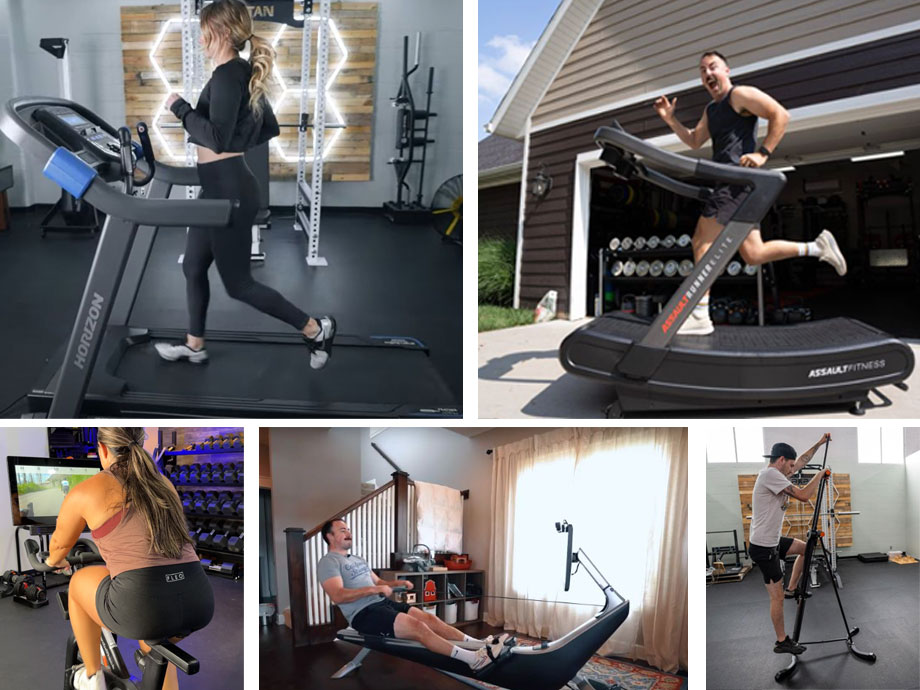
Manual Treadmill
Powered entirely by your own movement — there is no motor. The belt moves only when you push it with your feet. These are typically more affordable and require no electricity.
Motorized Treadmill
The most common type, featuring an electric motor that drives the belt at a set speed. These offer precise speed and incline controls and are the standard choice for most home gym setups.
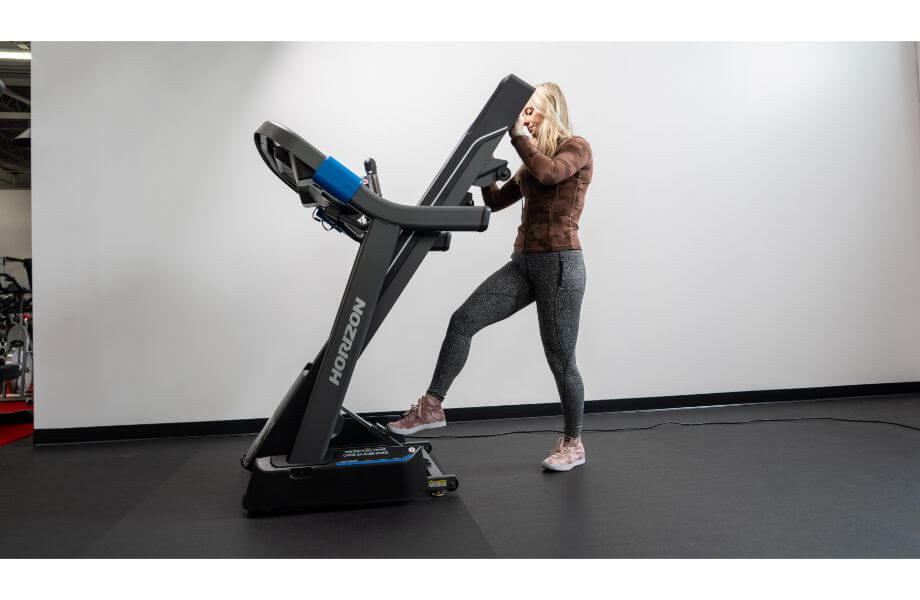
Folding Treadmill
Designed with a folding deck that allows you to collapse the machine when not in use. An excellent option if you need to save space in a smaller home or apartment.
Curved Treadmill
A non-motorized design with a curved running surface. The shape encourages a natural running form and provides higher calorie burn due to increased effort. Popular with athletes and serious runners.
Pros of Treadmills
Natural Movement Pattern
Walking and running are among the most fundamental human movements. A treadmill allows you to perform these natural motions indoors, making it extremely intuitive for beginners and experienced athletes alike.
Higher Calorie Burn Potential
At high intensities, treadmills tend to burn more calories per hour than ellipticals because running is a weight-bearing exercise that demands more energy from your body. If maximum calorie expenditure is your primary goal, a treadmill often has the edge.
Excellent for Bone Health
The impact of walking and running on a treadmill stimulates bone growth and helps maintain bone density over time. This weight-bearing benefit is something that low-impact machines like ellipticals cannot fully match.
Versatile Workout Options
From leisurely walking to hill climbs to all-out sprint intervals, treadmills offer a wide spectrum of workout intensities. The ability to adjust both speed and incline gives you tremendous control over your training sessions.
Cons of Treadmills
Higher Joint Impact
The repetitive impact of running — even on a cushioned deck — places more stress on your knees, ankles, and hips compared to an elliptical. For individuals with pre-existing joint issues, this can be a significant drawback.
Noise Levels
Treadmills, especially during running sessions, can generate considerable noise from both the motor and foot strikes. This can be an issue in apartments or homes where sound travels easily between rooms or floors.
Safety Considerations
A moving belt carries inherent risk, particularly for young children and pets in the home. Accidents — though uncommon when safety precautions are followed — can result in scrapes, falls, or worse. Always use the safety clip and keep the machine off and unplugged when not in use.
Maintenance Requirements
Treadmills have more moving parts than ellipticals, which means they often need more regular upkeep. Belt alignment, lubrication, and motor care are all part of owning a treadmill long-term.
Elliptical vs Treadmill: How to Decide Based on Fitness Goals
Choosing between these two excellent machines ultimately comes down to your individual fitness objectives, physical condition, and lifestyle preferences. Let us walk through the key decision factors.
Ellipticals Are Great If...
You want a low-impact workout that protects your joints while still delivering excellent cardiovascular benefits. Ellipticals are also the superior choice if you want a machine that works both your upper and lower body simultaneously.
Treadmills Are Great If...
Your primary goal is to improve your running performance, build stronger bones, or maximize calorie burn at high intensities. Treadmills are also the better pick if you prefer a natural walking or running motion over a guided pedal path.
Safety
From a pure safety standpoint, ellipticals have the advantage. Your feet remain on the pedals at all times, and there is no moving belt underneath you. The risk of falling or being thrown off the machine is minimal. Treadmills, while perfectly safe when used correctly, do carry a higher injury risk due to the moving belt. Using the safety clip and starting at a slow pace before building speed are essential habits.
Weight Loss
Both machines are effective tools for weight loss. However, treadmills tend to edge ahead when it comes to raw calorie burn per session — particularly at running speeds. A 150-pound person can burn approximately 300 to 400 calories in 30 minutes of vigorous running. On an elliptical, the same person might burn 270 to 370 calories in a similar timeframe. That said, the best machine for weight loss is the one you will use consistently, and many people find the elliptical more enjoyable and easier to stick with over the long haul.
Programming Options
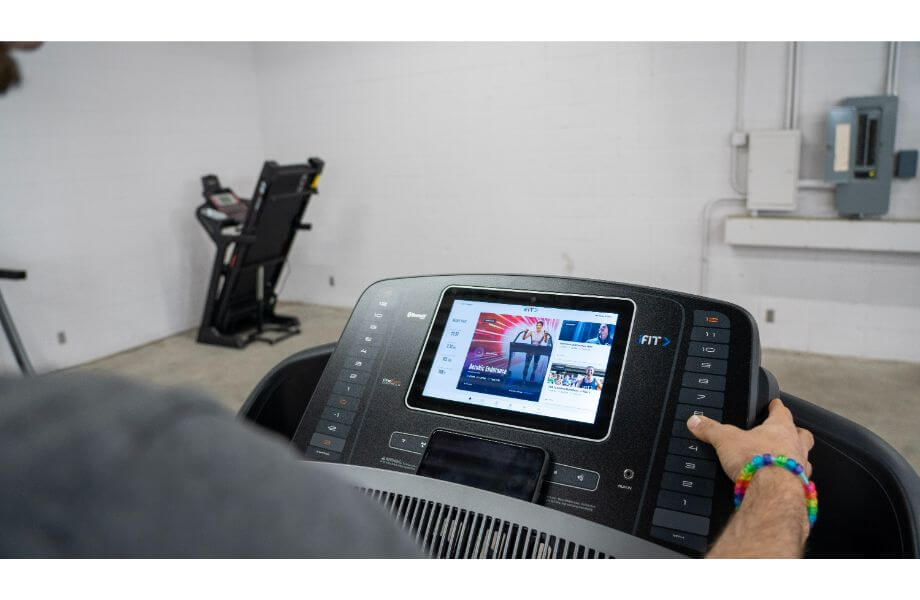
Modern treadmills and ellipticals both come loaded with pre-programmed workouts, Bluetooth connectivity, and compatibility with popular fitness apps. Many premium machines in both categories now feature large touchscreen displays and subscription-based streaming classes. In terms of sheer programming variety, the two are quite comparable, though treadmills offer a slight edge with the ability to simulate outdoor running terrain through dynamic incline and decline adjustments.
Low-Impact Workout
If protecting your joints is a top priority, the elliptical is the clear winner in this category. The gliding motion eliminates ground-impact forces entirely. Treadmills can still be used for low-impact workouts — walking at a moderate pace on a cushioned deck is relatively gentle — but they cannot match the zero-impact nature of an elliptical.
Fitness Goals
Your long-term fitness objectives should heavily influence your decision. If you are training for a race, a treadmill is almost certainly the better option because it closely replicates outdoor running conditions. If your goal is general fitness, cardiovascular health, or rehabilitation from an injury, an elliptical provides a safer and more forgiving path to those outcomes.
Budget
Budget-friendly options exist for both machines. Entry-level treadmills and ellipticals can be found in the $300 to $600 range, while mid-range models typically fall between $800 and $2,000. High-end machines with all the bells and whistles can run upwards of $3,000 or more. In general, ellipticals tend to be slightly less expensive at the mid-range level, but the price gap has narrowed considerably in recent years.
Featured Product
Ready to Upgrade Your Home Cardio Setup?
Discover the NordicTrack AirGlide 7i — a premium elliptical that delivers smooth, low-impact full-body workouts right from the comfort of your home.
Final Verdict
There is no universally correct answer in the elliptical versus treadmill debate — it genuinely depends on who you are and what you want to achieve. If you need a joint-friendly, full-body cardio option that operates quietly and carries minimal injury risk, the elliptical is your best bet. If you want to replicate outdoor running, maximize calorie burn, or build bone strength, a treadmill is the stronger choice.
The most important thing to remember is that the best cardio machine is the one that you will actually enjoy using on a regular basis. Consistency trumps everything else in fitness. Whether you choose an elliptical or a treadmill, committing to a routine and sticking with it will deliver results that far outweigh any difference between the two machines.
Whichever machine you choose, make sure it fits your space, your budget, and your long-term fitness vision. Your future self will thank you for investing in your health today.