


Recumbent Exercise Bike: Understanding Its Benefits, Target Muscles, and How It Compares to Upright Models
Recumbent exercise bikes have revolutionized home and gym fitness by delivering a comfortable, secure, and highly effective cardiovascular workout. Whether you're dealing with mobility limitations, bouncing back from an injury, or simply looking for a low-impact cardio solution, this comprehensive guide covers everything you need to know about recumbent bikes to help you decide if this equipment aligns with your fitness objectives.
The History of Recumbent Exercise Bikes
The recumbent bicycle design dates back to the late 1800s, with initial patents surfacing around the 1890s. However, these machines didn't capture mainstream fitness attention until the 1970s and 1980s. Equipment manufacturers identified that conventional upright bikes created difficulties for individuals with spinal issues, joint complications, or restricted mobility. This realization drove the creation of the reclined seating arrangement that characterizes today's recumbent bikes, opening up exercise opportunities to a wider audience while preserving cardiovascular workout quality.
The Engineering Principles of Recumbent Exercise Bikes
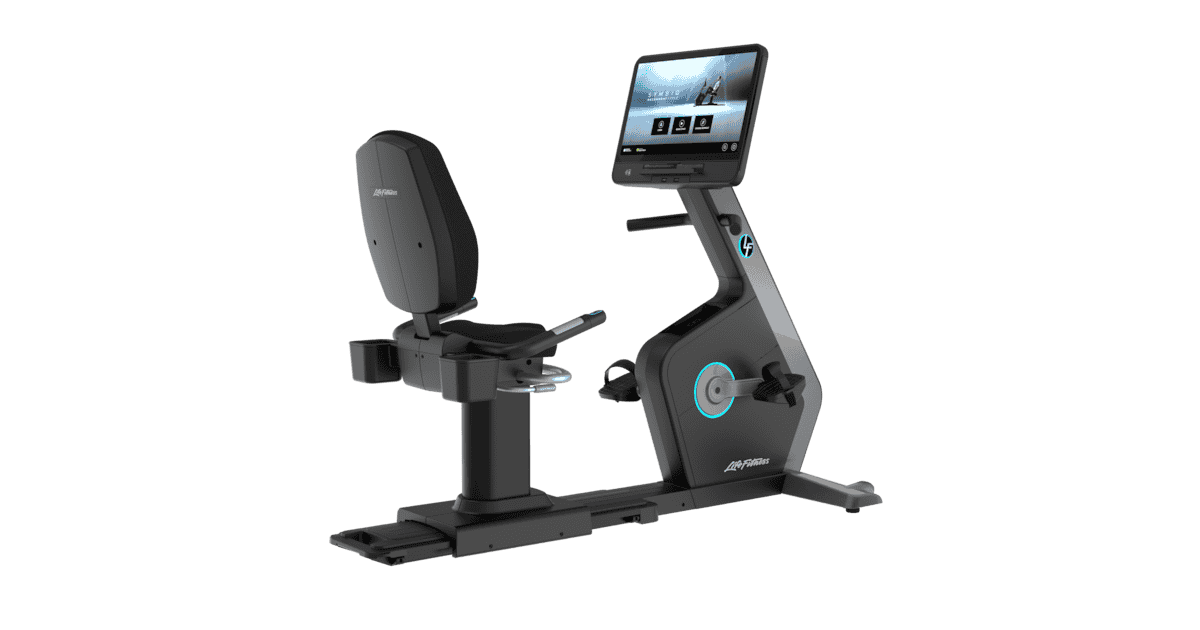
Recumbent exercise bikes are designed to maximize biomechanical efficiency and rider comfort. The reclined orientation shifts the user's center of mass, spreading body weight across a broader contact area. This configuration decreases spinal and joint stress while sustaining an effective cardio session. The horizontal pedal arrangement also promotes smoother, more circular pedaling mechanics, which can enhance muscle activation and minimize repetitive motion injuries.
Primary Advantages of Recumbent Exercise Bikes
Ergonomic Construction
The reclined seat delivers excellent lumbar support and evenly distributes weight, dramatically reducing lower back strain and enabling comfortable extended workout sessions.
Minimized Joint Stress
The design decreases discomfort during vigorous exercise, making it perfect for users with arthritis, knee issues, or those rehabilitating from lower body injuries.
Easy Entry Design
The step-through frame permits effortless mounting and dismounting, serving users with limited mobility, balance challenges, or those utilizing mobility aids.
Fluid Movement
The positioning encourages steady pedaling rhythm, helping prevent mechanical imbalances and lowering the chance of developing overuse injuries.
Superior Stability
A low center of gravity and secure seating arrangement make falls virtually impossible, offering reassurance for older adults and users with balance concerns.
Heart Health Benefits
The pedaling motion fortifies the heart and enhances respiratory capacity, providing outstanding aerobic advantages on par with other cardio machines.
Weight Control Support
Calorie expenditure stays comparable to upright bikes when maintaining equivalent intensity, effectively assisting weight management objectives.
Adjustable Challenge
Variable resistance settings enable users to customize workouts according to their fitness targets, from gentle recovery to demanding endurance training.
Muscle Groups Activated During Recumbent Bike Sessions
A recumbent exercise bike mainly engages lower body musculature, though multiple major muscle groups collaborate throughout each workout. The quadriceps along the front of the thigh manage the pushing phase of pedaling, while the hamstrings activate during the pulling portion. Your gluteal muscles fire continuously throughout the motion, and the calf muscles regulate ankle movement as you pedal. Furthermore, the hip flexors engage to elevate the legs during each revolution, and the abdominal muscles subtly contract to maintain stability, even with the supportive seating arrangement.

Recumbent Exercise Bike vs. Upright Exercise Bike
Both recumbent and upright exercise bikes provide effective cardiovascular conditioning, but they differ considerably in construction, comfort, muscle activation, and appropriateness for different users. Grasping these distinctions helps you choose the right equipment for your particular requirements and aspirations.
| Feature | Recumbent Bike | Upright Bike |
|---|---|---|
| Seating Position | Reclined with full back support | Standard upright orientation |
| Comfort Level | Higher comfort; minimizes strain | Less comfort; potential pressure points |
| Joint Impact | Low-impact; easy on hips and knees | Higher impact; may aggravate joints |
| Muscle Engagement | Focuses on lower body isolation | Activates core, upper, and lower body |
| Calorie Burn | Equivalent when effort levels match | Marginally higher at same resistance |
| Accessibility | Simple to mount; ideal for injuries | Demands more balance; harder entry |
| Space Required | Bigger footprint due to frame | Compact; better for tight spaces |
| Best Suited For | Seniors, recovery, mobility challenges | General fitness, sports training |
Concluding Thoughts on Recumbent Exercise Bikes
Recumbent exercise bikes are ideal for users who:
Require low-impact cardio due to joint or spinal concerns
Need a stable platform that minimizes fall risk
Value extended comfortable workout sessions
Are starting their fitness path or healing from injury
Recumbent exercise bikes effectively merge comfort with performance, making them an outstanding option for individuals pursuing low-impact cardiovascular training. Their ergonomic design accommodates users with mobility restrictions while still producing results comparable to conventional cycling gear. Both recumbent and upright bikes deliver genuine fitness advantages, and the optimal choice ultimately hinges on your individual needs, physical status, and exercise preferences. Either selection can help you attain improved cardiovascular health and advance your path toward enhanced overall wellness.