


 Damage
  Loss
Loss  Theft
Theft 


Front Drive vs. Rear Drive Ellipticals — Which One Is Right for Your Home?
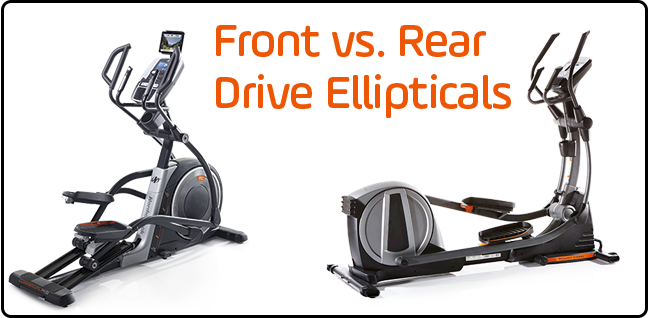
When shopping for an elliptical trainer, one of the first decisions you will face is whether to go with a front drive or rear drive model. The distinction lies in where the flywheel — the mechanism that powers the machine — is positioned. If you have spent any time at a commercial gym, you have probably used rear drive ellipticals, as most professional-grade machines place the flywheel at the back. Residential models, however, have traditionally featured front-mounted flywheels, though that trend is gradually shifting. There is also a third category gaining traction: center drive ellipticals, which we will touch on shortly.
But does the flywheel position actually matter when it comes to the quality of your workout? This question has sparked lively discussion among fitness enthusiasts ever since the earliest front drive machines appeared on the market. Let us break it all down so you can make a confident, informed choice.
The Origin of the Debate
Precor was the pioneer that brought elliptical trainers to the mainstream, and their original design featured a rear drive system. They believed — correctly at the time — that positioning the flywheel behind the user created a more stable platform and delivered a smoother pedaling motion. Once Precor patented their rear drive configuration, competing manufacturers had to innovate differently, and that is exactly how the front drive elliptical was born.
💡 Did You Know? Stride length is arguably the single most important factor in any elliptical workout. You need a natural, comfortable stride to engage your muscles effectively. Rear drive models typically offer a longer, more organic stride that closely mimics walking or jogging outdoors.
Understanding Front Drive Ellipticals
A front drive elliptical positions the flywheel at the front of the machine, with pedals that glide along rails extending toward the rear. In many ways, the motion resembles a traditional exercise bike. This design tends to result in a more compact machine overall, which is why it became the go-to choice for home fitness equipment. The trade-off, however, is that you may need to exert slightly more effort during your stride, and taller users sometimes find the movement less comfortable because the stride length can feel restricted.
Another consideration is body positioning. On a front drive elliptical, your center of gravity shifts forward, which can cause you to lean into the machine. Some users describe this sensation as being similar to climbing stairs rather than striding naturally. While this is not necessarily a drawback — stair-climbing is a fantastic cardio workout — it does feel distinctly different from a rear drive experience.
Understanding Rear Drive Ellipticals
Rear drive ellipticals place the flywheel behind the user, and this arrangement tends to produce a smoother, more even pedaling motion. Your weight stays centered over the pedals rather than shifting forward, which creates a balanced, upright posture that feels much more like walking or running on flat ground. Many users find this positioning significantly more comfortable during extended workout sessions.
Rear drive machines also frequently include an incline adjustment feature, something you rarely find on front drive models. Being able to adjust the incline lets you increase resistance and target different muscle groups, adding versatility to every session. These machines generally run quieter too, with fewer moving parts, which can also translate to lower long-term maintenance requirements.
The Newcomer: Center Drive Ellipticals
A relatively recent innovation in the elliptical world is the center drive design, which places a compact flywheel on each side of the pedals. This configuration essentially eliminates the balance challenges associated with both front and rear drive models. The result is an exceptionally natural, centered stride that many users describe as the most comfortable of all three options. Center drive machines also tend to have the smallest footprint, making them an excellent choice for tighter workout spaces.

Practical Considerations for Home Buyers
Many home buyers gravitate toward front drive ellipticals because they are generally more affordable and more compact. However, the market has evolved, and you can now find rear drive models specifically designed for residential use — some even fold up for convenient storage. It is also worth noting that front drive designs tend to have more moving components, which can mean a higher likelihood of repairs down the road. If low maintenance is important to you, a rear drive machine may be the smarter investment.
Quick Comparison Summary
Front Drive
Flywheel at the front of the machine. Your posture leans slightly forward, creating a stair-climber-like motion. Typically more affordable and compact. May be noisier and could require more frequent maintenance due to additional moving parts.
Rear Drive
Flywheel at the back of the machine. You stand straighter with a centered, natural stride similar to walking or running. Generally quieter and smoother. Often more expensive, but fewer parts mean less maintenance over time.
Center Drive
Flywheels positioned on either side of the pedals for perfectly balanced motion. Combines the stability benefits of rear drive with an even smaller footprint. Typically the most expensive option and the newest technology on the market.
Ready to Find Your Perfect Elliptical?
Check out one of our top-rated picks available right now.
NordicTrack AirGlide 7i EllipticalTop Elliptical Brands and Their Drive Types
Wondering which brands offer which drive configurations? Here is a quick overview of what the leading elliptical manufacturers currently provide:
| Brand | Drive Types Available |
|---|---|
| FreeMotion | Front Drive, Rear Drive |
| Life Fitness | Rear Drive Only |
| Matrix | Front Drive Only |
| NordicTrack | Front Drive, Rear Drive, Center Drive |
| Octane Fitness | Front Drive, Recumbent, Lateral |
| Precor | Rear Drive Only |
| ProForm | Front Drive, Rear Drive, Hybrid Trainers |
| Schwinn | Front Drive Only |
| Sole | Front Drive Only |
| TRUE | Center Drive Only |
| Xterra | Front Drive Only |
The Verdict
At the end of the day, the best elliptical drive type is the one that feels right for your body, your budget, and your space. Consider your stride length, the type of motion you prefer, and how much room you have to work with. If possible, test a few different styles before committing. Whether you land on a front drive, rear drive, or center drive machine, the most important thing is that you enjoy using it — because a great workout is the one you actually look forward to doing.
In the front drive versus rear drive debate, there is no universal winner. The real champion is the elliptical trainer that matches your personal needs and keeps you coming back for more. Choose wisely, stride confidently, and enjoy every workout.