


 Damage
  Loss
Loss  Theft
Theft 


The Ultimate Wood Stove Blower Motor Guide
Your wood stove is a powerful heat source, but without the right blower motor, you could be losing a significant amount of warmth to the areas that need it least. A quality blower motor transforms how your stove distributes heat, pushing warm air throughout your living space instead of letting it rise straight to the ceiling. This comprehensive guide covers everything from understanding how blower motors work to selecting the perfect replacement for your setup.
Whether you're troubleshooting an existing unit, shopping for an upgrade, or simply want to understand your heating system better, this guide delivers the knowledge you need to make informed decisions and keep your home comfortable all winter long.
Key Takeaways
Efficiency Boost: A blower motor can increase heat distribution efficiency by 25-40%, ensuring warmth reaches every corner of your room rather than accumulating near the ceiling.
Warning Signs: Unusual noises, reduced airflow, and inconsistent operation are clear indicators your blower motor needs attention or replacement.
Maintenance Matters: Regular cleaning and lubrication can extend your blower motor's lifespan by several years, protecting your investment.
CFM Rating: Always match the CFM (cubic feet per minute) rating to your stove's specifications for optimal performance.
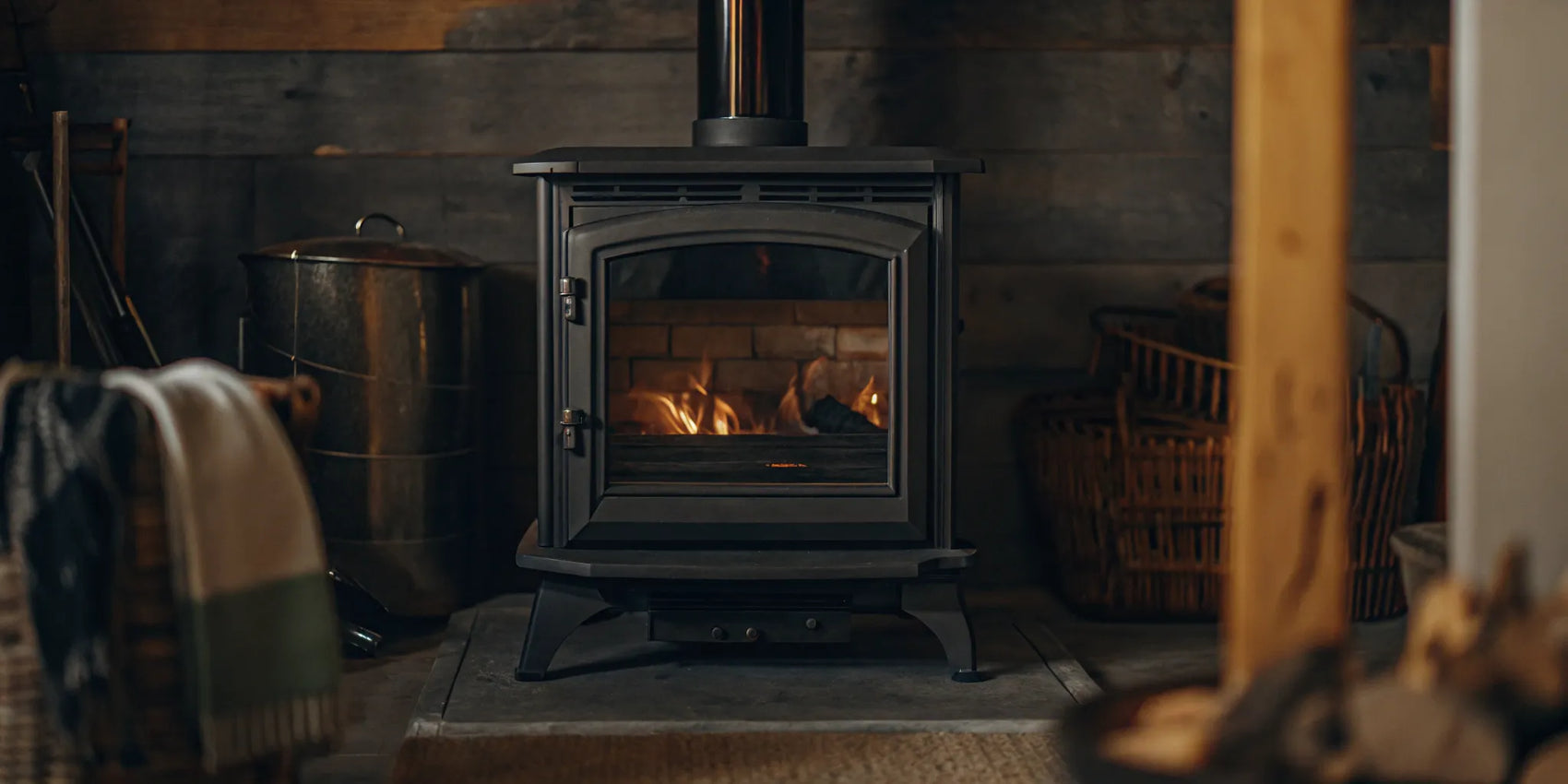
What Exactly Is a Wood Stove Blower Motor?
A wood stove blower motor is an electrically powered fan system designed to circulate the warm air produced by your stove throughout your living space. Think of it as your stove's personal distribution system—without it, heat rises directly upward and pools near the ceiling, leaving the lower portions of your room considerably cooler.
The blower motor works by drawing in cooler room air, passing it over or around the hot surfaces of your stove, and then pushing that newly heated air back into your space at a lower, more useful level. This forced convection process dramatically improves how effectively your stove heats your home.
Most modern wood stoves either come equipped with a blower motor or have provisions for adding one as an accessory. The motor typically activates automatically when the stove reaches a certain temperature and shuts off as it cools down, ensuring energy-efficient operation without constant monitoring.
How a Blower Motor Enhances Heating Performance
Installing a blower motor on your wood stove is one of the most cost-effective ways to maximize your heating investment. The science is straightforward: hot air naturally rises through convection, which means without mechanical assistance, much of your stove's heat output ends up trapped at ceiling level where it does little good.
Performance Benefits You Can Expect:
Faster Room Heating: Rooms reach comfortable temperatures up to 50% faster with active air circulation compared to passive convection alone.
Even Heat Distribution: Eliminate cold spots and temperature stratification by pushing warm air to floor level where you actually feel it.
Extended Heating Range: Effective warmth can reach adjacent rooms and hallways, expanding your stove's practical coverage area.
Reduced Fuel Consumption: Better heat utilization means you burn less wood to achieve the same comfort level.
Signs Your Blower Motor Needs Replacement
Blower motors don't last forever, and recognizing the warning signs early can prevent uncomfortable surprises during the coldest months. Here's what to watch for:
Unusual Sounds
Grinding, squealing, or rattling noises indicate worn bearings or loose components. A healthy blower should produce only a gentle, consistent hum during operation.
Weak or Inconsistent Airflow
If your blower runs but barely moves air, or if airflow varies unpredictably, the motor may be failing. Check for obstructions first, but persistent weakness points to motor issues.
Failure to Start
When your stove reaches operating temperature but the blower doesn't engage, check the thermostat switch first. If that's functioning, the motor itself may need replacement.
Overheating Motor
If the motor housing becomes excessively hot to the touch or emits a burning smell, stop using it immediately. This indicates serious internal problems that pose safety risks.
Frequent Cycling
Motors that repeatedly start and stop in short intervals may have thermal protection issues or electrical faults that require professional attention.
Leading Wood Stove Blower Motor Brands
When shopping for a replacement blower motor, brand reputation matters. These manufacturers have earned trust through consistent quality and performance:
Fasco Motors
An industry leader with decades of experience manufacturing high-quality blower motors. Fasco units are known for their durability, quiet operation, and wide compatibility with major stove brands. Their motors often exceed 10-15 years of reliable service with proper maintenance.
Dayton
A trusted name in industrial and commercial equipment, Dayton offers robust blower motors built to handle demanding conditions. Their products feature excellent thermal protection and are particularly popular for larger stoves requiring higher CFM ratings.
US Stove Company
Specializing in heating products since 1869, US Stove Company manufactures OEM-quality replacement motors designed for perfect fitment. Their units offer excellent value and are engineered specifically for wood stove applications.
Osburn
A Canadian manufacturer renowned for high-efficiency wood stoves, Osburn produces premium blower systems engineered for optimal airflow and minimal noise. Their integrated designs ensure seamless compatibility and maximum performance.
Essential Features to Consider When Buying
Selecting the right blower motor requires understanding several key specifications. Here's what matters most:
CFM Rating (Cubic Feet Per Minute)
This measurement indicates how much air the blower can move. Higher CFM means more airflow, but bigger isn't always better—match the rating to your stove's specifications. Most residential wood stove blowers range from 100-250 CFM. Oversized blowers waste energy and create unnecessary noise, while undersized units won't distribute heat effectively.
Noise Level
Look for motors rated below 50 decibels for comfortable living spaces. Premium models operate as quietly as 35-40 dB, roughly equivalent to a whisper. Always check noise specifications before purchasing, as a loud blower can significantly detract from your stove's ambiance.
Temperature Rating
Ensure the motor can withstand the heat generated by your stove. Quality blower motors are rated for continuous operation at temperatures up to 140°F or higher. Motors positioned closer to the firebox need higher temperature tolerances.
Power Consumption
Most blower motors draw between 50-150 watts. More efficient models save on electricity costs over time, which matters since these units may run for hours each day during heating season. Look for energy-efficient designs without sacrificing airflow performance.
Speed Control Options
Variable speed blowers offer superior flexibility, allowing you to balance airflow and noise based on your needs. Some models feature automatic temperature-responsive speed adjustment, while others include manual controls for precise customization.
Troubleshooting Common Blower Motor Issues
Before replacing your blower motor, try these troubleshooting steps to identify and potentially fix the problem:
Comparing Blower Motors: Performance vs. Price
Understanding the market helps you find the right balance between performance and budget. Here's how different price tiers typically compare:
Budget Options ($30-60)
ENTRY LEVELBasic motors that get the job done for smaller stoves with modest heating demands. Expect shorter lifespans (3-5 years) and louder operation. Best for occasional use or as temporary replacements while sourcing premium units.
Mid-Range Options ($60-120)
BEST VALUEThe sweet spot for most homeowners. These motors offer reliable performance, reasonable noise levels, and 7-10 year lifespans. Quality bearings and better thermal protection make them worthwhile investments for regular use.
Premium Options ($120-200+)
PREMIUMTop-tier motors featuring whisper-quiet operation, variable speed controls, superior energy efficiency, and 15+ year lifespans. Ideal for primary heating applications where the stove runs daily throughout winter. The long-term cost-per-year often makes these the most economical choice.
How to Replace Your Blower Motor
Replacing a wood stove blower motor is a manageable DIY project for those comfortable with basic tools. Follow these steps for a successful installation:
⚠️ Safety First: Always ensure your stove is completely cool and unplugged from electrical power before beginning any maintenance or replacement work.
Document Your Setup
Take photos of all wire connections and mounting positions before removing anything. This reference proves invaluable during reinstallation.
Remove the Old Motor
Disconnect electrical connections, then remove mounting screws or brackets. Note the orientation of the fan blade and any spacers used.
Clean the Housing
While the motor is out, thoroughly clean dust and debris from the blower housing and air passages. This improves efficiency and extends the new motor's life.
Install New Motor
Position the new motor using your photos as reference. Secure mounting hardware firmly but avoid over-tightening, which can damage motor housings.
Reconnect and Test
Match wire connections to your documentation, then test operation before fully reassembling. Listen for unusual sounds and verify proper airflow direction.
Maintenance Tips for Maximum Lifespan
Proper maintenance significantly extends your blower motor's service life. Implement these practices for optimal performance:
Regular Cleaning
Clean fan blades and housing monthly during heating season. Dust buildup reduces efficiency and strains the motor.
Lubrication
Apply a few drops of electric motor oil to bearing ports annually. Check your manual—some sealed bearings don't require lubrication.
Inspection
Check for loose connections, worn wiring, and mounting security before each heating season begins.
Electrical Care
Ensure proper voltage supply. Voltage fluctuations can damage motors over time—consider surge protection.
Where to Find Your Next Blower Motor
Finding the right replacement blower motor is easier than ever with multiple sourcing options available. Specialty hearth retailers offer expert guidance and typically stock motors compatible with popular stove brands. Online marketplaces provide extensive selection and competitive pricing, though you'll want to verify specifications carefully before ordering.
For guaranteed compatibility, purchasing directly from your stove's manufacturer or authorized dealers ensures perfect fitment. While OEM parts may cost slightly more, they eliminate guesswork and often include better warranty coverage.
When shopping, always have your stove's model number and current blower specifications handy. Matching CFM ratings, physical dimensions, and electrical requirements prevents costly returns and installation headaches.
Ready to Upgrade Your Heating Setup?
Experience superior heat distribution with a premium wood stove featuring an integrated blower system designed for maximum efficiency.
Osburn 3500 Wood Stove with BlowerMaking the Right Choice
A quality blower motor transforms how your wood stove performs, turning a good heating source into an exceptional one. By understanding what to look for, recognizing warning signs of failure, and maintaining your equipment properly, you'll enjoy years of efficient, comfortable warmth.
Whether you're troubleshooting an existing motor or shopping for a replacement, the knowledge in this guide equips you to make confident decisions. Invest in quality, maintain it well, and your blower motor will reward you with reliable service through many heating seasons to come.
This guide is intended for informational purposes only. Always consult your wood stove's manual and follow manufacturer recommendations for blower motor specifications and installation. When in doubt, hire a qualified technician for installation and repairs.