


 Damage
  Loss
Loss  Theft
Theft 


Best Wood Stoves for Home Heating in 2026

When temperatures plummet and energy costs continue their upward climb, a reliable wood stove becomes more than just a heating appliance—it transforms into the warm heart of your home. Modern wood stoves have evolved dramatically, combining traditional charm with cutting-edge technology that maximizes heat output while minimizing environmental impact.
Whether you're seeking energy independence, a backup heating solution, or simply the cozy ambiance that only real flames can provide, selecting the right wood stove is a decision that will serve your family for decades to come.
Key Takeaways
EPA-certified stoves burn up to 90% cleaner than older models while delivering superior efficiency
Proper sizing ensures optimal heat distribution—too large wastes fuel, too small leaves you cold
Modern catalytic and non-catalytic combustion systems offer different advantages for various needs
Quality installation and maintenance are crucial for safety, efficiency, and longevity
Why Choose a Wood Stove for Home Heating?
Wood stoves offer a compelling combination of benefits that modern heating systems simply cannot match. The independence from utility companies means you'll never face a heating crisis during power outages—a significant advantage in regions prone to winter storms. Many homeowners find that heating with wood substantially reduces their annual energy expenses, particularly when they have access to affordable firewood.
Beyond practical considerations, there's an undeniable psychological comfort in gathering around a wood stove. The radiant heat penetrates deeply, warming not just the air but the very walls and furniture of your home. This creates a fundamentally different heating experience compared to forced-air systems that can feel harsh and drying.
Understanding Efficiency and EPA-Certified Wood Stoves
The Environmental Protection Agency has established stringent standards for wood stove emissions, and choosing an EPA-certified model is essential for both environmental responsibility and optimal performance. Current regulations require stoves to emit no more than 2.0 grams of particulate matter per hour—a dramatic improvement over the 40+ grams that older stoves could produce.
This cleaner combustion translates directly into efficiency gains. When smoke goes up the chimney, it represents unburned fuel and wasted energy. Modern EPA-certified stoves achieve efficiency ratings between 70% and 85%, meaning the vast majority of your firewood's energy content actually heats your home rather than escaping outdoors.
Efficiency Comparison
Sizing Your Wood Stove: Guidelines for Homes and Cottages
Selecting the appropriate stove size is perhaps the most critical decision in the purchasing process. An undersized stove will struggle to maintain comfortable temperatures during cold snaps, while an oversized unit leads to inefficient smoldering fires that waste fuel and increase creosote buildup.
The general guideline suggests 20-30 BTUs per square foot of living space, but numerous factors influence the actual requirement. Climate zone, ceiling height, insulation quality, window area, and home layout all play significant roles. A 2,000 square foot home in Minnesota will need substantially more heating capacity than the same sized home in Tennessee.
Quick Sizing Reference
Small Stoves (up to 40,000 BTU)
Ideal for cabins, small homes, or zone heating 500-1,000 sq ft
Medium Stoves (40,000-60,000 BTU)
Suitable for average homes, heating 1,000-2,000 sq ft
Large Stoves (60,000+ BTU)
Designed for large homes or poorly insulated spaces, 2,000+ sq ft
Cast Iron vs. Plate Steel: Choosing the Right Material
The construction material of your wood stove significantly impacts both performance characteristics and aesthetic appeal. Cast iron stoves are manufactured by pouring molten iron into molds, allowing for intricate decorative designs and excellent heat retention. Once heated, cast iron continues radiating warmth long after the fire has died down—a valuable trait for overnight comfort.
Plate steel stoves, constructed from welded steel sheets, heat up more quickly and respond faster to adjustments in air supply. They typically feature cleaner, more contemporary lines and are often lighter weight, making installation somewhat easier. Many premium stoves combine both materials, using steel for the firebox and cast iron for decorative elements and heat-retaining components.
Catalytic vs. Non-Catalytic: Understanding Combustion Technology
Modern wood stoves employ one of two primary combustion technologies, each with distinct advantages. Catalytic stoves route exhaust gases through a honeycomb-shaped combustor coated with platinum or palladium. This catalyst ignites smoke and gases at temperatures around 500°F—much lower than the 1,100°F+ required for natural combustion—extracting additional heat and dramatically reducing emissions.
Non-catalytic stoves achieve clean combustion through a combination of insulated fireboxes, preheated combustion air, and secondary burn tubes. These systems introduce fresh air above the flames to ignite rising smoke and gases. While slightly less efficient than catalytic models, non-catalytic stoves require less maintenance since there's no combustor element to eventually replace.
Catalytic Stoves
✓ Higher peak efficiency (up to 85%)
✓ Longer, more even burn times
✓ Lower emissions during extended burns
⚠ Requires catalyst replacement every 5-10 years
Non-Catalytic Stoves
✓ Lower maintenance requirements
✓ More forgiving of fuel quality variations
✓ No combustor to clean or replace
⚠ May require more frequent loading
Installation Basics for a Safe Wood Stove Setup
Proper installation is non-negotiable when it comes to wood stove safety. Building codes and manufacturer specifications dictate precise clearances to combustible materials, hearth pad requirements, and chimney specifications. While these requirements may seem restrictive, they exist because wood stoves generate intense heat that can ignite surrounding materials if proper distances aren't maintained.
The chimney system is equally critical. Most modern wood stoves require a properly sized, insulated chimney that extends above the roofline according to specific height rules. An improperly designed chimney can result in poor draft, smoke spillage, or dangerous chimney fires. Professional installation is strongly recommended, and many jurisdictions require inspection before use.
⚠️ Essential Safety Considerations
Always maintain manufacturer-specified clearances to walls, furniture, and combustibles
Install carbon monoxide and smoke detectors on every level of your home
Use only a properly rated hearth pad that extends the required distance on all sides
Have your chimney inspected and cleaned annually by a certified professional
Operating and Safety Tips for Wood Stove Users
Getting the most from your wood stove requires attention to fuel quality and burning technique. Seasoned firewood—dried for at least six months to a year—is essential for efficient operation. Green or wet wood produces excessive smoke, deposits creosote in your chimney, and generates far less heat per log. The moisture content of properly seasoned wood should be below 20%.
Building effective fires begins with proper kindling arrangement. Start with crumpled newspaper, add small kindling, then progressively larger pieces. Once the fire is established with a good coal bed, add larger logs. Resist the temptation to overload the firebox—maintaining adequate air space around logs promotes complete combustion and maximum heat output.
Top Wood Stove Brands for Home Installation
The wood stove market features several manufacturers with proven track records of quality and innovation. Each brand brings distinct strengths to their product lines, from traditional aesthetics to cutting-edge combustion technology.
Osburn Stoves
Canadian manufacturer renowned for combining high efficiency with elegant design. Their stoves consistently rank among the cleanest-burning models available, featuring advanced secondary combustion systems and exceptional build quality. Known for user-friendly controls and reliable performance in harsh climates.
Drolet Stoves
Another excellent Canadian brand offering exceptional value without compromising on quality. Drolet specializes in high-output stoves designed for cold climate heating, with models capable of warming even large, open-concept homes efficiently.
Vermont Castings
An American heritage brand famous for beautifully detailed cast iron stoves that serve as furniture-quality focal points. Their traditional designs complement classic home interiors while delivering modern EPA-certified performance.
Featured Product
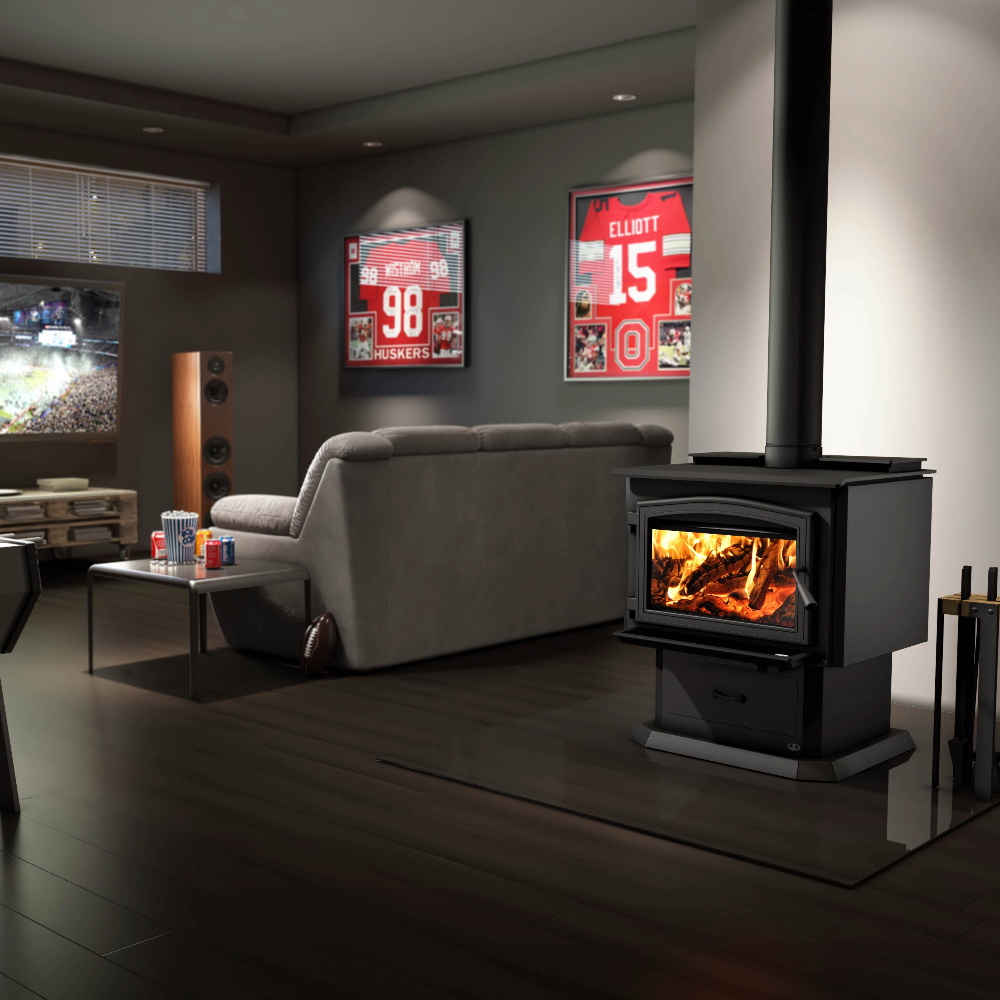
Osburn 3500 Wood Stove with Blower
The Osburn 3500 represents the pinnacle of modern wood stove engineering. With its powerful 100,000 BTU output, this stove can comfortably heat up to 2,700 square feet while maintaining impressive efficiency ratings. The included blower system ensures rapid heat distribution throughout your living space, while the extra-large firebox accommodates logs up to 22 inches for extended burn times.
Maintenance for Longevity and Performance
Regular maintenance ensures your wood stove operates safely and efficiently for decades. Daily tasks during the heating season include removing excess ash (while leaving a one-inch bed to insulate coals), inspecting door gaskets for proper seal, and monitoring the chimney for smoke issues that might indicate blockage.
Annual professional chimney inspection and cleaning is mandatory for safe operation. Creosote—a flammable byproduct of incomplete combustion—accumulates in chimneys and can ignite, causing dangerous chimney fires. A certified chimney sweep will remove this buildup while checking for structural issues, blockages, and proper draft.
Seasonal Maintenance Checklist
Bringing Warmth Home
Investing in a quality wood stove is a decision that pays dividends for years to come. Beyond the practical benefits of reduced heating costs and energy independence, there's something fundamentally satisfying about mastering the art of wood heating. The ritual of building fires, the radiant warmth that permeates your home, and the knowledge that you can stay comfortable regardless of utility outages create a sense of self-reliance that modern convenience often lacks.
Take time to assess your specific heating needs, research the options thoroughly, and invest in professional installation. With proper selection and maintenance, your wood stove will become a treasured centerpiece of your home—a gathering place for family, a source of comfort during winter storms, and a testament to the enduring appeal of heating with wood.
Ready to Experience the Warmth?
Explore our selection of premium wood stoves and discover the perfect heating solution for your home.
Shop Osburn 3500