


 Damage
  Loss
Loss  Theft
Theft 


What Size Mini-Split Do I Need?
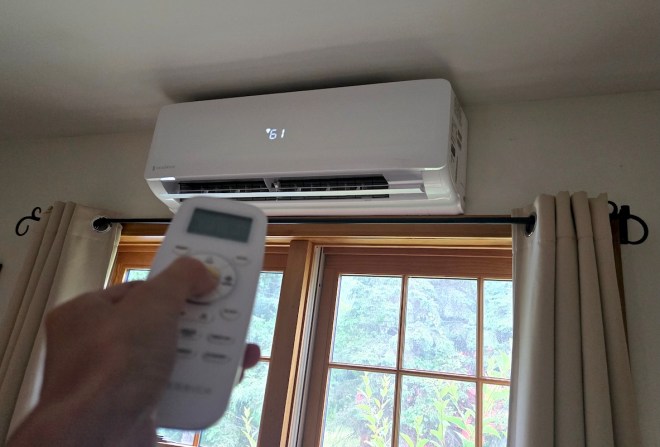
Key Takeaways
- Mini-splits heat and cool individual rooms without any ductwork required.
- They can deliver up to 20 to 60 percent more energy efficiency than traditional central systems.
- Choosing the right size unit is essential for comfort, performance, and long-term savings.
Ductless mini-split systems have been around for decades, but homeowners across North America have leaned on them more heavily in recent years as a smart, lower-cost alternative to central HVAC. They're flexible, easy to install, and a perfect match for rooms that struggle to stay comfortable — garages, sunrooms, attics, finished basements, and tricky additions where running ductwork would be a nightmare. By pairing an outdoor compressor with one or more indoor air-handling units, a mini-split delivers targeted comfort exactly where you need it, without the energy losses that come with a ducted system.
The advantages are easy to see. Mini-splits typically use far less energy than central air, allow independent temperature control across different rooms, and last for around twenty years with proper upkeep. They warm and cool quietly, ramp up quickly, and let everyone in the home set their own comfort zone.
Why Mini-Split Sizing Matters
For a mini-split to perform well, the unit's capacity has to match the room it's being asked to condition. Pick a system that's too small and it will run constantly trying to keep up — burning electricity, wearing out faster, and never quite hitting your target temperature on hot or cold days. Go too large and you'll see the opposite problem: short cycles that turn on and shut off in quick bursts, never running long enough to properly dehumidify or evenly distribute air. Either extreme costs you money and shortens the life of the equipment.
Capacity for mini-splits is measured in British thermal units, or BTUs. The higher the BTU rating, the more heat the system can move per hour. But raw BTU numbers only tell part of the story — insulation, ceiling height, sun exposure, and climate all play a role in what's actually right for your space.
Pioneer Diamante Pro Series 36,000 BTU 19 SEER2 Ductless Mini-Split
A sleek, ultra-efficient inverter heat pump system built for serious square footage. With 36,000 BTUs of heating and cooling power at 19 SEER2, it handles spaces up to roughly 1,500 sq. ft. while keeping your energy bills in check. Ships as a full 230V set with a 16 ft. installation kit.
Mini-Split Sizing Chart
Once you've nailed down the variables that influence capacity, a sizing chart is the quickest way to figure out which unit fits your room. As a general rule, a higher BTU rating lets a system condition a larger area or a space with extra heating and cooling demand. Picking the right capacity keeps the system comfortable and efficient — not overworked, not underused.
Use the chart below to match your room square footage with a recommended BTU capacity.
| Room Area (square feet) | Recommended BTU Capacity |
|---|---|
| 150 – 250 | 6,000 |
| 250 – 300 | 7,000 |
| 300 – 350 | 8,000 |
| 350 – 400 | 10,000 |
| 400 – 500 | 12,000 |
| 500 – 600 | 15,000 |
| 600 – 700 | 18,000 |
| 700 – 950 | 24,000 |
| 950 – 1,200 | 30,000 |
| 1,200 – 1,500 | 36,000 |
Mini-split pricing scales with size. Most common residential units (around 12,000 BTU) typically run between $700 and $3,200 installed. When you're comparing models, check the Seasonal Energy Efficiency Ratio (SEER) — it tells you how much energy a system consumes over the course of a season. Higher SEER means lower utility bills over the years the system is in your home.
How to Calculate the Right Mini-Split Size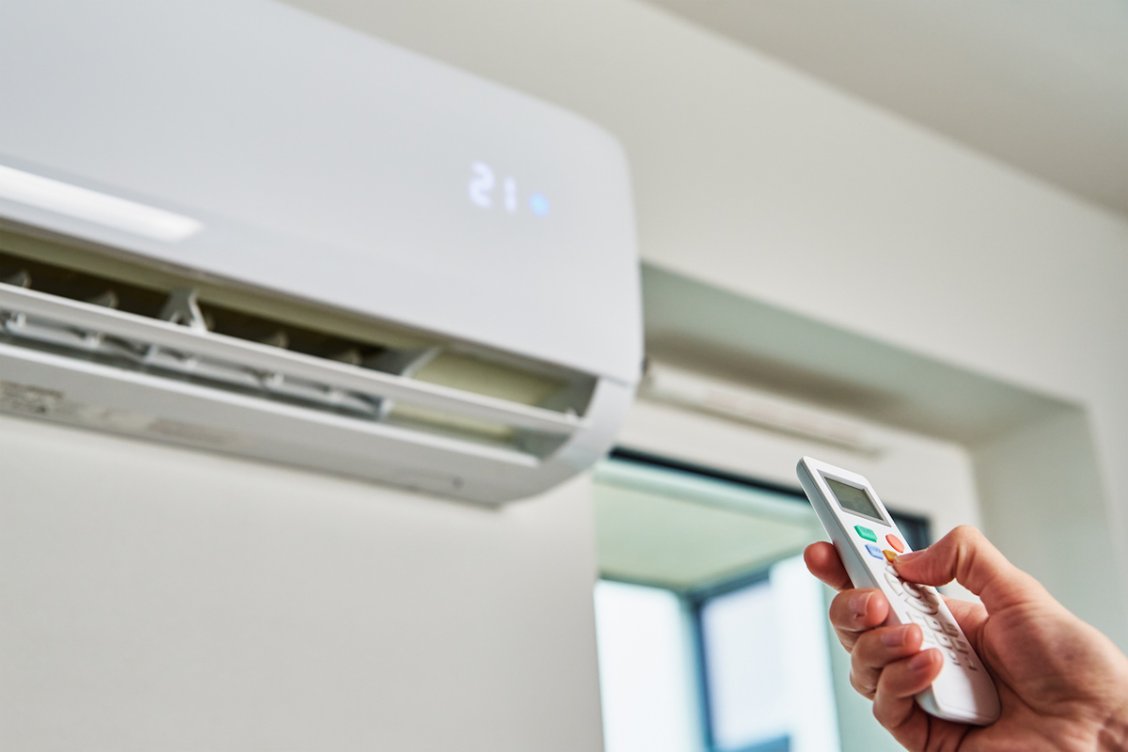
Figuring out the proper size for your mini-split is a simple process that starts with measuring the room and ends with matching that number to a BTU capacity. HVAC pros can do a more thorough load calculation, but most homeowners can get a solid working estimate by walking through the steps below.
Measure the Room in Square Feet
Grab a tape measure and find the length and width of the room, then multiply those numbers together to get the square footage. If the space is round, measure the distance from the wall to the center of the room, multiply that figure by itself, and then multiply the result by 3.14159 (pi). The number you land on is the total floor area the mini-split will need to heat or cool.
Convert Square Footage to BTUs
Once you have the square footage, multiply it by 25 to get a baseline BTU estimate. For example, a 24 ft. by 23 ft. room comes out to 552 square feet. Multiply 552 by 25 to get 13,800. In this case, you'd round up to a 14,000 BTU mini-split to ensure you have enough capacity for comfortable heating and cooling.
Other Factors That Affect Sizing
Square footage is the starting point, but a handful of additional variables can push your BTU needs higher (or lower) than the chart suggests.
Climate
In hot climates where summer temperatures regularly hit ninety degrees Fahrenheit and beyond, plan on adding roughly thirty percent more BTUs so the system can keep up on the worst days.
Ceiling Height
Higher ceilings mean more air volume to condition. If your ceiling is taller than the eight-foot standard, bump your BTU estimate up by at least twenty percent.
Age & Insulation
Older homes with weaker insulation lose conditioned air more quickly, so they'll need around thirty percent more capacity than a newer, tightly sealed build of the same size.
Windows, Doors & Sunlight
Big windows and direct sun exposure raise the heating and cooling load. Plan accordingly if the room takes on a lot of afternoon light or has multiple exterior doors.
Heat Sources
Kitchens, laundry rooms, and spaces packed with electronics generate extra ambient heat — usually enough to require around twenty percent more cooling capacity.
Occupancy & Flooring
Rooms used by larger groups need extra capacity to keep up. Carpeted floors hold heat better than hardwood or tile, which can slightly shift your numbers as well.
Ready to Cool Down (or Heat Up) the Right Way?
The Pioneer Diamante Pro Series 36,000 BTU Mini-Split is built for serious spaces — quiet, efficient, and engineered to last.
Shop Pioneer Diamante ProOnce you've factored in your climate, your home's quirks, and the way the room actually gets used, you'll have a much sharper picture of the capacity you need. Match that number to a properly rated system, and your mini-split will reward you with quiet, even comfort for years to come.