


 Damage
  Loss
Loss  Theft
Theft 


Gas Grill vs. Pellet Grill: Which One Deserves a Spot in Your Backyard?
If you've been standing in front of two grills at the store wondering which one to bring home, you're not alone. The gas grill vs. pellet grill debate is one of the most hotly contested conversations in the outdoor cooking world — and for good reason. Both options deliver serious results, but they serve different cooks with different priorities.
Whether you're a weekend warrior who loves quick weeknight burgers or a low-and-slow pitmaster chasing bark and smoke rings, this guide will help you figure out exactly which grill matches your lifestyle, budget, and cooking goals.

What Is a Gas Grill?
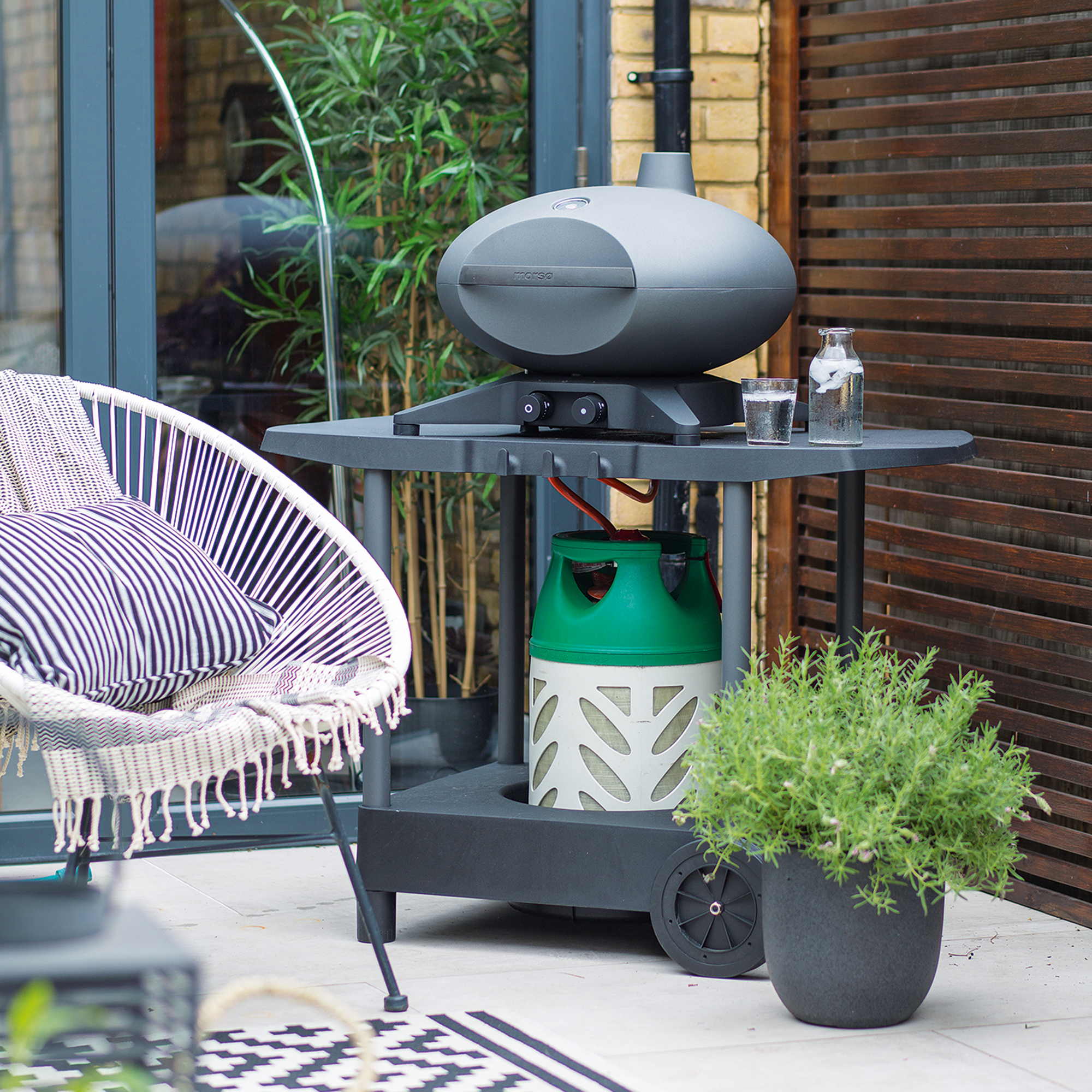
A gas grill runs on propane or natural gas and is the go-to choice for millions of backyard cooks. It fires up in minutes, reaches cooking temperature almost instantly, and gives you precise, direct heat control with simple knob adjustments. It's the reliable workhorse of the outdoor kitchen — fast, familiar, and no-fuss.
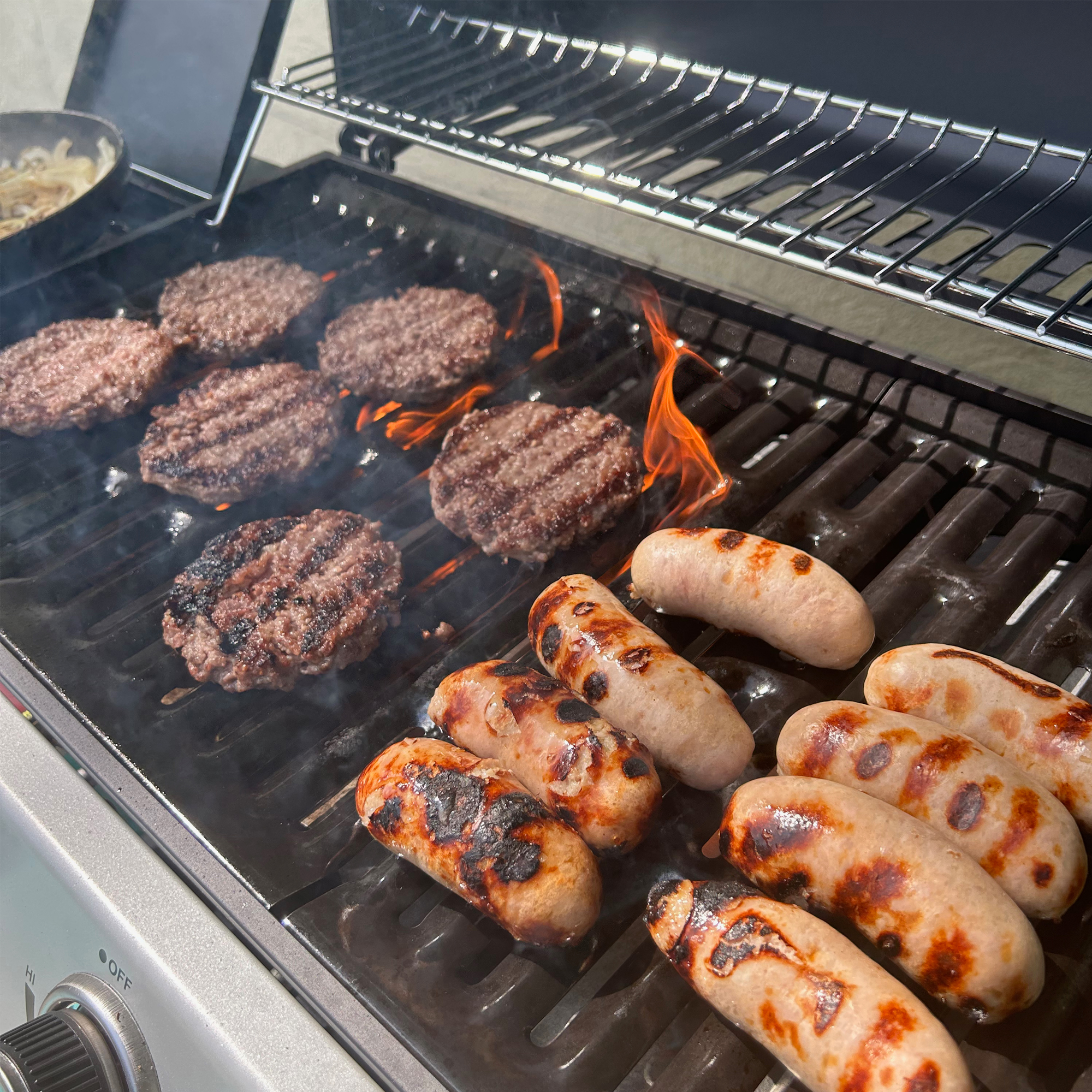
Gas grills excel at high-heat cooking: searing steaks, charring vegetables, grilling fish, and cranking out burgers at a moment's notice. The flavor profile is clean and neutral, letting marinades and rubs shine without adding any smoky undertone.
From compact two-burner models to sprawling six-burner setups with side burners and rotisserie attachments, the gas grill market has something for every backyard size and cooking ambition.
What Is a Pellet Grill?
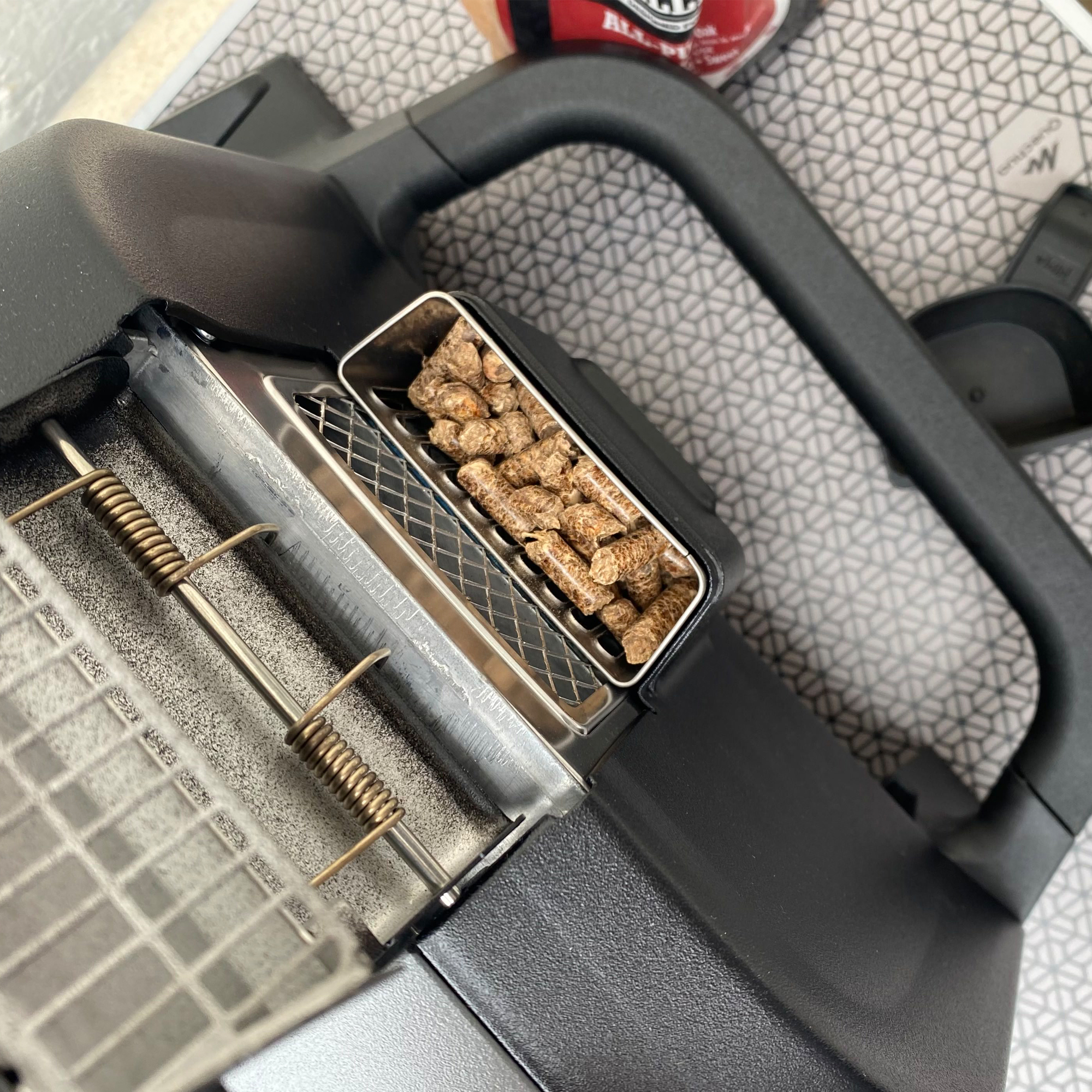
A pellet grill uses compressed hardwood pellets — fed automatically via an auger system — as both its fuel source and its flavoring agent. A digital controller manages the feed rate and airflow to maintain a precise temperature, essentially turning your grill into an outdoor convection oven infused with real wood smoke.
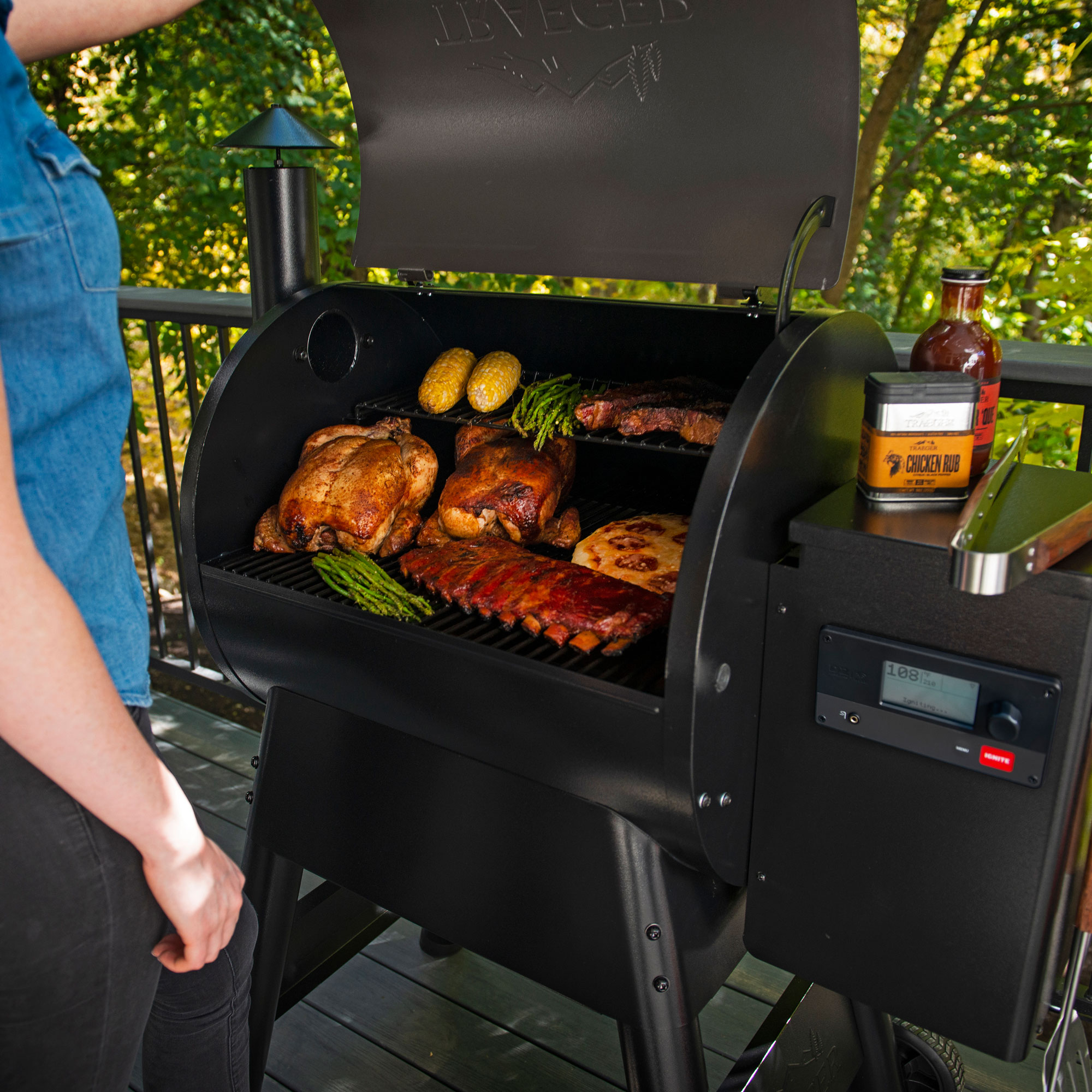
The result is incredibly tender, deeply flavored food that has become the hallmark of competition-style BBQ. Pellet grills can smoke, roast, bake, braise, and grill — all in one unit. The tradeoff is that they require electricity to run, take a bit longer to reach temperature, and are generally better suited to low-and-slow cooking than screaming-hot searing.
Modern pellet grills, like the Recteq X-Fire Pro 825, now bridge this gap with powerful sear zones and ultra-high temperature capability — making them more versatile than ever before.
Side-by-Side: Key Differences
Gas Grill
- Instant ignition, rapid preheat
- High, direct heat ideal for searing
- Propane or natural gas fuel
- Simple temperature control via knobs
- Neutral flavor profile
- Low ongoing fuel costs
- Minimal maintenance requirements
- No electricity needed to operate
Pellet Grill
- Digital precision temperature control
- Rich, authentic hardwood smoke flavor
- Smokes, roasts, bakes, and grills
- Set-and-forget cooking convenience
- Variety of wood pellet flavor profiles
- Ideal for low-and-slow BBQ
- Requires electricity to operate
- Higher initial investment
The Flavor Factor
Let's be honest — this is where most people make their decision. If flavor is king, the pellet grill wins the crown in the smoke department. The ability to infuse your food with hickory, mesquite, cherry, apple, or pecan wood creates a depth of flavor that a gas grill simply cannot replicate on its own.
That said, gas grills are no flavor slouch when it comes to high-heat cooking. The Maillard reaction — the beautiful caramelization that forms a crust on a properly seared steak — is something gas grills do exceptionally well. The clean heat lets the natural juices and your seasoning do the talking.
"For the cook who wants that unmistakable smoke ring and fall-off-the-bone tenderness, the pellet grill is the clear choice. For the cook who wants a perfect sear in under 10 minutes, gas is your fastest friend."
Feature Breakdown
| Category | Gas Grill | Pellet Grill |
|---|---|---|
| Preheat Time | 10–15 minutes | 15–25 minutes |
| Temperature Range | Up to 600°F+ | 180°F–700°F (advanced models) |
| Smoke Flavor | Minimal | Rich & authentic |
| Ease of Use | Very easy | Easy (digital controls) |
| Fuel Cost | Low | Moderate |
| Electricity Required | No | Yes |
| Versatility | Moderate | High (smoke, roast, bake, grill) |
| Maintenance | Low | Moderate (ash cleanup) |
| Price Range | $150 – $2,000+ | $400 – $3,000+ |
Which Grill Matches Your Cooking Style?
The best grill isn't the most expensive one — it's the one that fits how you actually cook. Here's a simple way to think about it:
Choose a Gas Grill if you…
- Cook on weeknights: Gas is ready to go in minutes. After a long day, the last thing you want is a long preheat window.
- Love a great sear: Steaks, chops, and burgers benefit enormously from the direct, intense heat that gas provides.
- Prefer simplicity: No pellets to buy, no augers to maintain, no electricity needed. Turn the knob and cook.
- Grill year-round in cold climates: Gas grills are less affected by ambient temperature than pellet grills.
- Are working with a tighter budget: Quality gas grills start at a more accessible price point.
Choose a Pellet Grill if you…
- Crave real smoke flavor: Nothing beats the depth of food cooked low and slow over real hardwood pellets.
- Love BBQ brisket, ribs, and pork shoulder: Long cooks at controlled temperatures are where pellet grills truly shine.
- Want a set-and-forget experience: The digital controller lets you walk away and trust your grill to hold temperature.
- Want one grill to do it all: Smoke a brisket in the morning, bake cornbread in the afternoon, and grill chicken at night — all on one unit.
- Are ready to invest in quality: A premium pellet grill is a long-term investment in outdoor cooking excellence.
Understanding the Cost
Upfront cost is only part of the picture. The true cost of ownership includes fuel, maintenance, accessories, and longevity. Gas grills are typically less expensive to buy and cheaper to run, but they may require more frequent replacement parts like burners and igniters over time.
Pellet grills carry a higher initial investment, but premium models are built to last. The ongoing cost of wood pellets typically runs between $1–$2 per pound, and a long smoke session can use anywhere from 1–3 pounds per hour. Factor this into your cooking habits to get an accurate long-term cost picture.
Ultimately, the cook who barbecues twice a week will find tremendous value in a high-quality pellet grill, while the occasional griller may be perfectly happy with a solid mid-range gas model.
Our Verdict: The Best of Both Worlds
If budget allows, many serious backyard cooks keep one of each. But if you have to choose one — and want the most versatile, flavor-forward option that modern technology can offer — a premium pellet grill like the Recteq X-Fire Pro 825 delivers an unmatched all-in-one outdoor cooking experience.
Recteq X-Fire Pro 825